There’s a moment every beginner wildlife photographer chases, a tiger stepping out of tall grass, golden light hitting its fur, and every camera setting somehow lining up at once. That moment feels magical when it actually happens. It also feels impossibly far away when you’re staring at a blurry frame after your very first safari drive.
The gap between the two usually comes down to one decision you make long before you ever load your memory card: which park you choose. Wildlife photography India is not a single, uniform experience. A dense, shadowy forest behaves nothing like an open grassland, and a park with unpredictable sightings will test your patience before it ever tests your composition skills.
Light conditions, safari logistics, vehicle access, and sighting probability shift dramatically from park to park, and each one changes what your camera can realistically capture in a three-day trip. Pick the wrong park as a beginner and you’ll spend more time chasing rumours of a tiger than actually photographing one.
This India safari guide walks you through seven of the best national parks India has to offer for first-timers, each chosen for how forgiving and rewarding it is when you’re still learning. You’ll find practical detail on timing, terrain, key species, and gear for every park, plus a full section on camera settings and safari etiquette at the end.
Why the Right Park Makes or Breaks Your First Safari?
A park with dense canopy cover might hold incredible wildlife, but it also hides your shot behind branches and low light. A park with open terrain and consistent sightings gives you room to practise composition without the added pressure of a near-invisible subject. For beginner safari tours, predictability matters more than an exotic-sounding location, you learn faster when you actually get to press the shutter.
Top 7 National Parks in India for Wildlife Photography
1. Ranthambore National Park, Rajasthan
- Beginner-friendly because: dry deciduous forest and open lake zones make tigers far easier to spot here than in most other reserves, and drivers know each tiger’s territory closely across the park’s ten zones.
- Best time & light: October to April; early-morning safaris around sunrise give soft, directional light across the lakes and ruins.
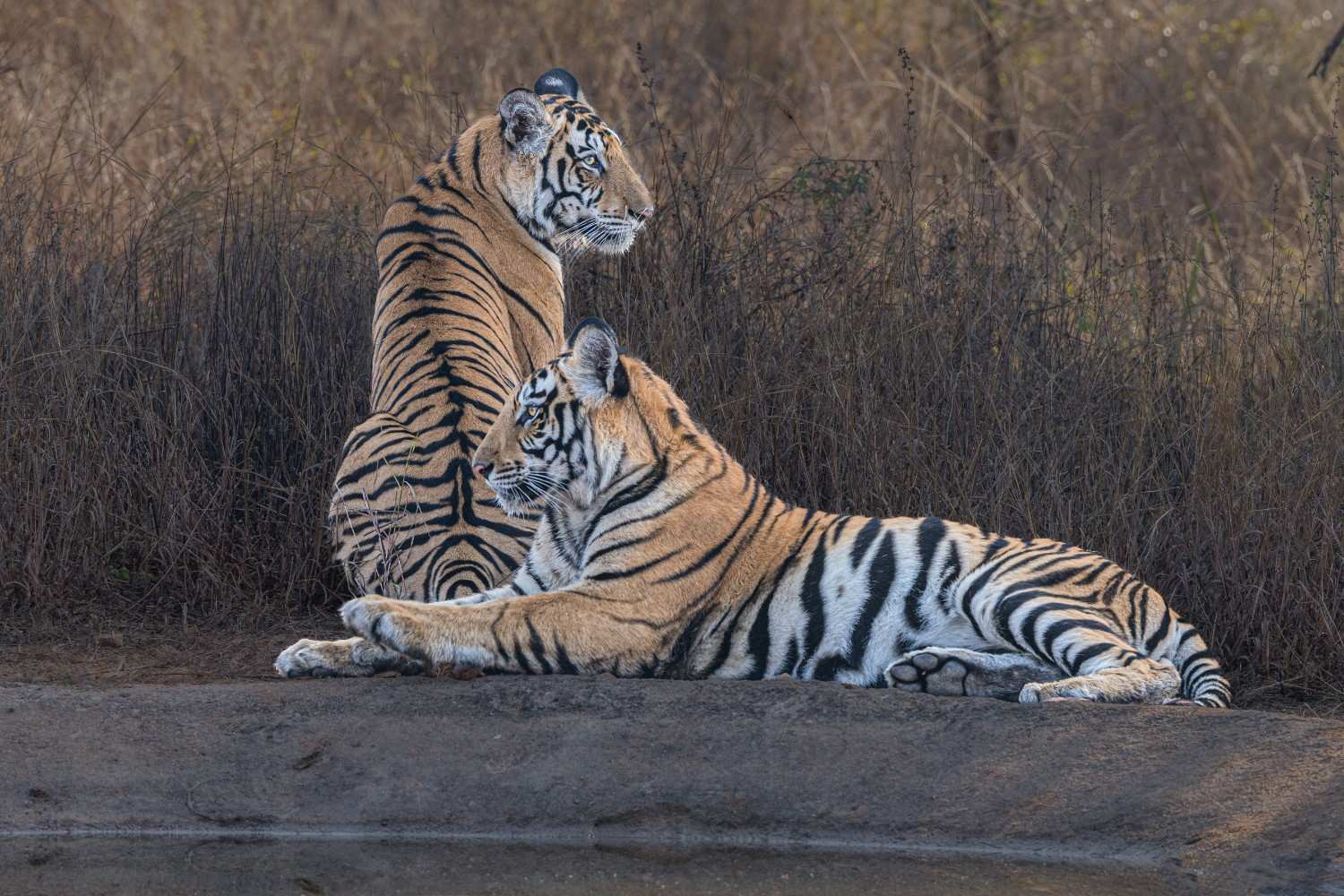
- Key species: Bengal tigers, sambar deer, marsh crocodiles, painted storks, and langurs.
- Gear & zone tips: zones 2, 3, 4, and 5 have the highest sighting rates for first-timers; a 100–400mm lens covers most situations without a lens change mid-safari.
If you’d like a mentor-led trip built specifically around this park, this Ranthambore photography workshop is designed exactly for first-time tiger safari photography.
2. Tadoba Andhari Tiger Reserve, Maharashtra
- Beginner-friendly because: Tadoba has one of India’s highest tiger densities, and its buffer zones allow flexible routes and more vehicles without the crowd pressure you’ll find in core zones.
- Best time & light: March to May; the heat pushes wildlife to waterholes, and harsh midday sun works surprisingly well for reflection shots.
- Key species: tigers, sloth bears, gaur (Indian bison), dhole (wild dogs), and leopards.
- Gear tips: a beanbag steadies your shots during long waterhole waits, and a wide-angle lens is worth carrying for habitat and behaviour shots.
3. Bandhavgarh National Park, Madhya Pradesh
- Beginner-friendly because: compact zones and rocky, open terrain mean tigers are frequently visible at close range, and local guides here are known for reading pug marks and alarm calls with real precision.
- Best time & light: November to June; winter mornings bring mist that backlights tigers beautifully as they move through the grass.
- Key species: tigers, leopards, Indian gaur, and a very healthy population of resident and migratory birds.
- Gear tips: a 400–600mm reach helps for the open meadows, but keep a shorter lens ready for surprise close encounters.
For a structured itinerary in this reserve, see this dedicated Bandhavgarh photo tour built around its highest-probability zones.
4. Jim Corbett National Park, Uttarakhand
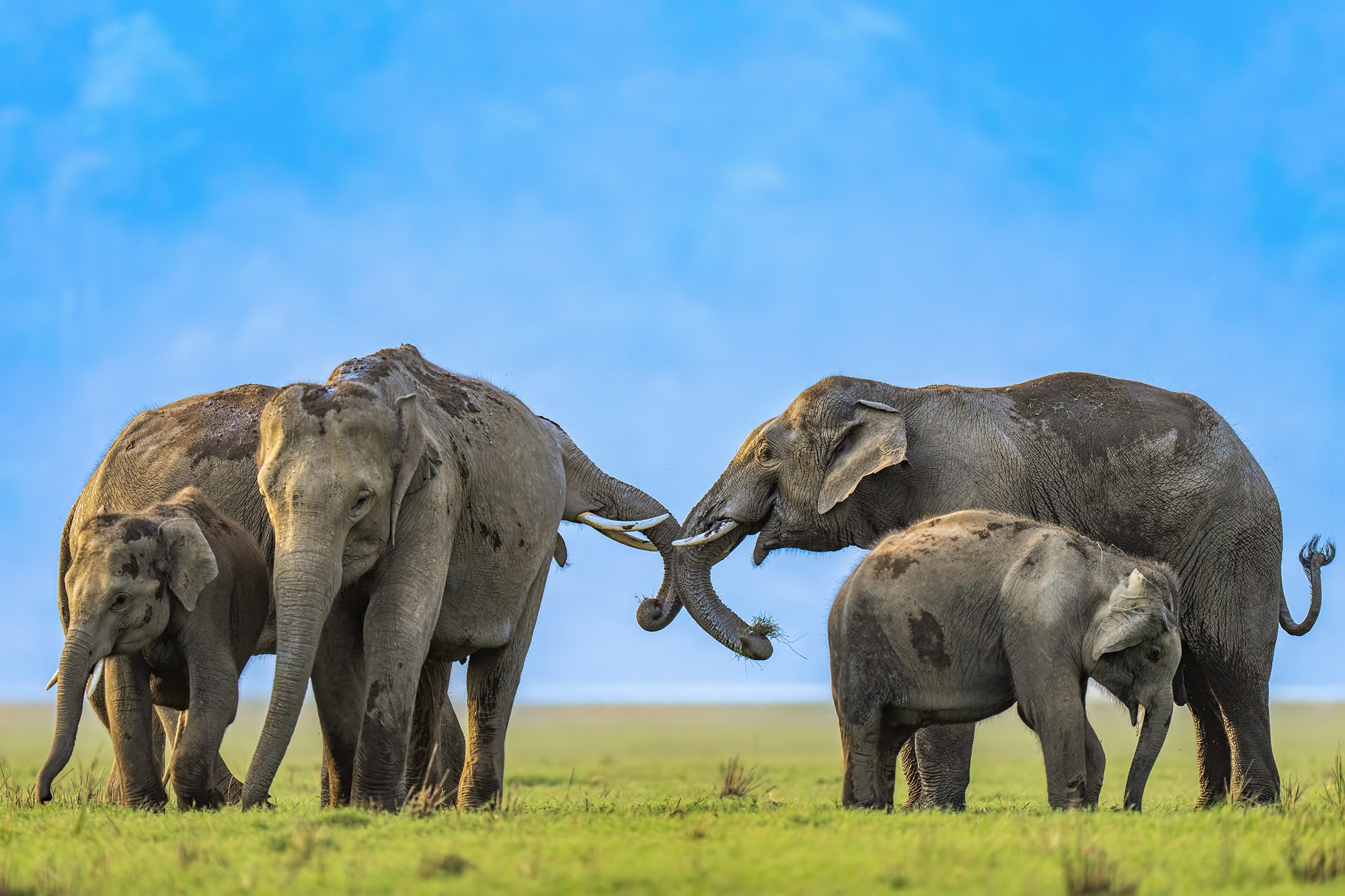
- Beginner-friendly because: India’s oldest national park, and its Dhikala zone offers wide grassland-and-river landscapes, so sightings, especially elephants, stay visible from a distance even without perfect timing.
- Best time & light: mid-November to mid-June; monsoon months close most zones, so plan outside that window.
- Key species: tigers, wild elephants, otters, and over 600 recorded bird species.
- Gear tips: a telephoto zoom in the 150–600mm range works well across Corbett’s open river valleys and forest edges.
You can explore a guided Jim Corbett photo tour if you’d rather let an experienced local guide plan the zones and timing for you.
5. Kaziranga National Park, Assam
- Beginner-friendly because: tall grasslands and marshland make this park less about stealth and more about patience, jeep safaris in the Central and Western ranges regularly bring you close to megafauna without needing extreme zoom.
- Best time & light: November to April; early light cutting through mist over the grasslands photographs beautifully.
- Key species: the one-horned rhinoceros (Kaziranga holds over two-thirds of the world’s population), wild elephants, wild water buffalo, and huge numbers of migratory birds.
- Gear tips: a mid-telephoto zoom (100–400mm) is usually enough; save the longest glass for birds along the wetlands.
A focused Kaziranga photo tour is a great way to experience this landscape with someone who already knows its rhythms.
6. Kabini (Nagarhole National Park), Karnataka
- Beginner-friendly because: Kabini’s reservoir backwaters draw animals into open visibility during the dry months, and boat safaris add a completely different photography angle beyond the usual jeep drive.
- Best time & light: October to May; sunrise boat safaris give still-water reflections that are hard to find elsewhere.
- Key species: leopards (some of the most consistent sightings in India), elephants, gaur, and a wide variety of birdlife.
- Gear tips: a monopod helps with stability on boat safaris, where handheld shooting is trickier than from a jeep.
7. Gir National Park, Gujarat
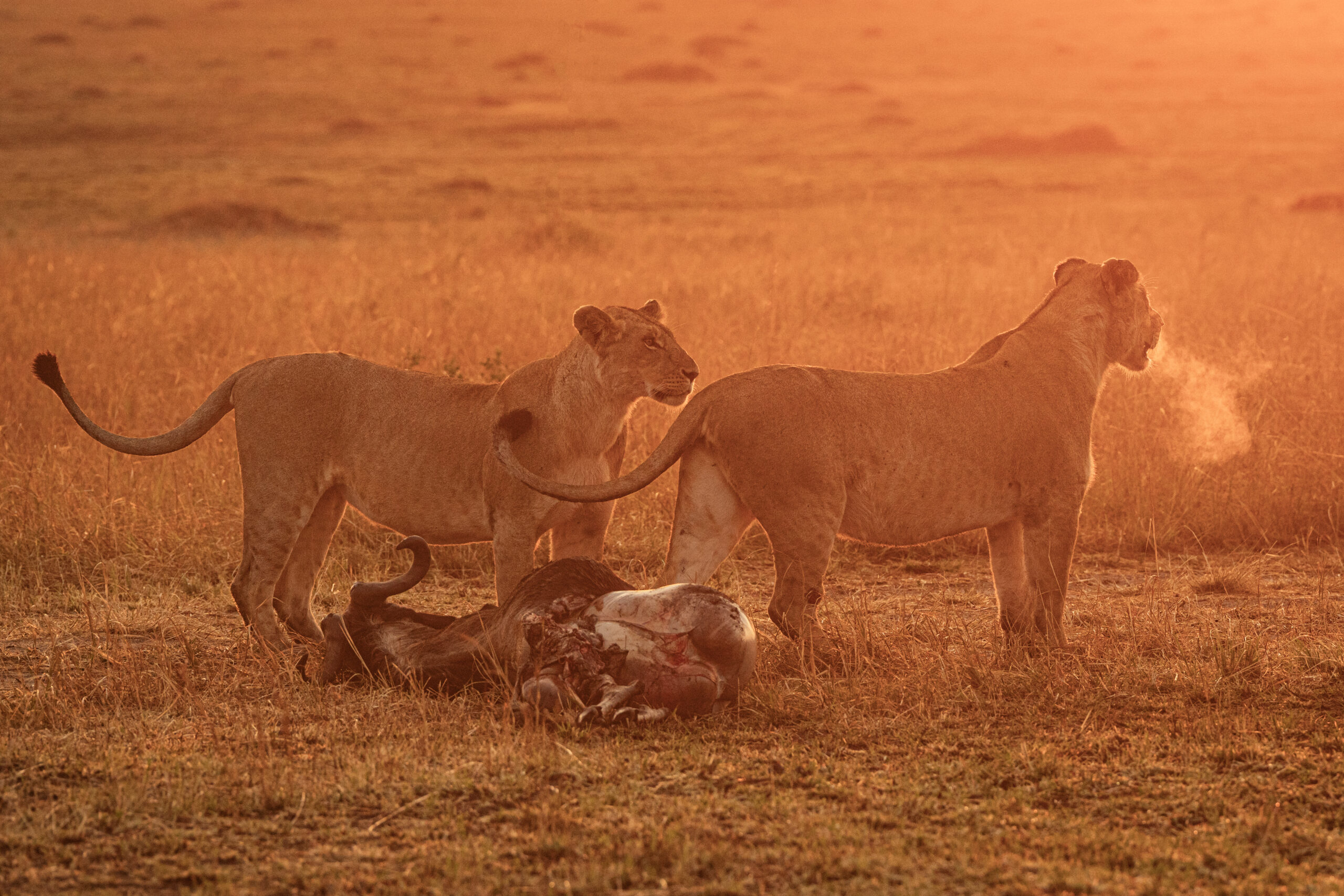
- Beginner-friendly because: Gir is the only place on Earth with wild Asiatic lions, and its open, dry forest terrain makes lion sightings among the most consistent of any Indian reserve.
- Best time & light: December to March; cooler months bring lions out into open clearings during daylight hours.
- Key species: Asiatic lions, leopards, striped hyenas, and chital (spotted deer).
- Gear tips: since lions often rest in open clearings, a mid-range 70–200mm zoom is frequently all you need.
Quick Comparison: Best National Parks India for Beginners
| Park | State | Best Season | Signature Species | Beginner Rating |
| Ranthambore | Rajasthan | Oct – Apr | Tigers, marsh crocodiles | Excellent |
| Tadoba | Maharashtra | Mar – May | Tigers, dhole, sloth bears | Very Good |
| Bandhavgarh | Madhya Pradesh | Nov – Jun | Tigers, leopards, gaur | Excellent |
| Corbett | Uttarakhand | Nov – Jun | Elephants, tigers, birds | Good |
| Kaziranga | Assam | Nov – Apr | One-horned rhinos, elephants | Very Good |
| Kabini | Karnataka | Oct – May | Leopards, elephants, birds | Very Good |
| Gir | Gujarat | Dec – Mar | Asiatic lions, leopards | Excellent |
Beginner Photography & Safari Tips for India
Getting to the right park is half the job, the other half is knowing how to use your time once you’re inside the vehicle. These fundamentals apply everywhere from Ranthambore to Gir, and they matter more than owning expensive gear.
Camera Gear Basics
- Lens choice: a 100–400mm or 150–600mm zoom covers almost every safari situation, from distant tigers to close elephant herds.
- Stabilization: image stabilization (IS/VR) matters more than a faster lens when you’re shooting from a moving, vibrating jeep.
- Support: a beanbag over the jeep railing beats a tripod for wildlife photography India, since you need to react fast.
If you’re still deciding what to buy before your first trip, this guide to the best camera and lens for photography breaks down beginner-friendly gear combinations in more depth.
Safari Etiquette
- Stay seated and keep noise low; sudden movement or chatter is the fastest way to lose a sighting.
- Never ask the driver to get closer than the park allows, ethical distance protects both you and the animal.
- Switch off flash photography completely; it startles wildlife and is banned in most Indian reserves.
Working With Your Guide and Driver
- Tell your guide what shot you’re hoping for, a portrait, an action shot, a habitat frame, so they can position the jeep accordingly.
- Trust their reading of alarm calls; a langur or deer’s warning call often predicts a tiger sighting minutes before you see anything.
- Ask them to hold position rather than rushing to the next zone the moment you get one usable frame.
Camera Settings for Dynamic Forest Light
- Shutter speed: keep it at 1/1000s or faster for moving subjects; drop to 1/250s for stationary portraits in low light.
- Aperture: shoot wide open (f/4–f/6.3) in dense forest to let in more light and blur distracting backgrounds.
- ISO: don’t be afraid of ISO 1600–3200 in shaded areas, a sharp, slightly grainy shot beats a blurry clean one.
- Focus mode: continuous autofocus (AI Servo/AF-C) with a single expanded point tracks unpredictable animal movement far better than a wide auto-area setting.
Ready to Plan Your First Wildlife Photography Trip?
Every park on this list rewards patience over perfection, and that’s exactly what makes them right for a first-timer. Start with one reserve, learn how it behaves in different light, and let your skills build naturally from there instead of trying to chase every species in a single trip.
Whichever park you choose first, the goal is the same: fewer missed moments, more confident framing, and images you’ll actually want to look back on. Pick your season, pack light but purposeful gear, and go get that shot you’ve been chasing.
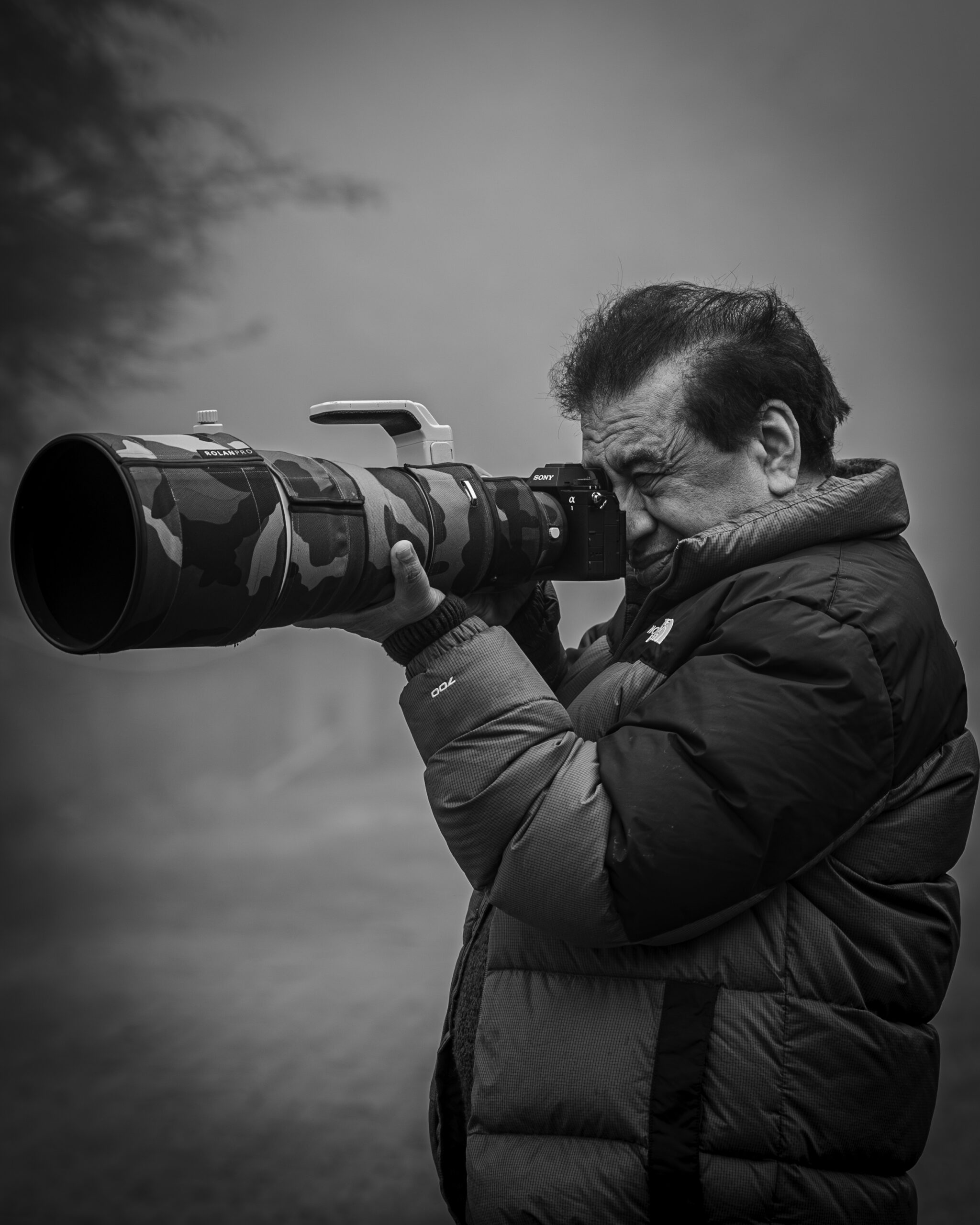
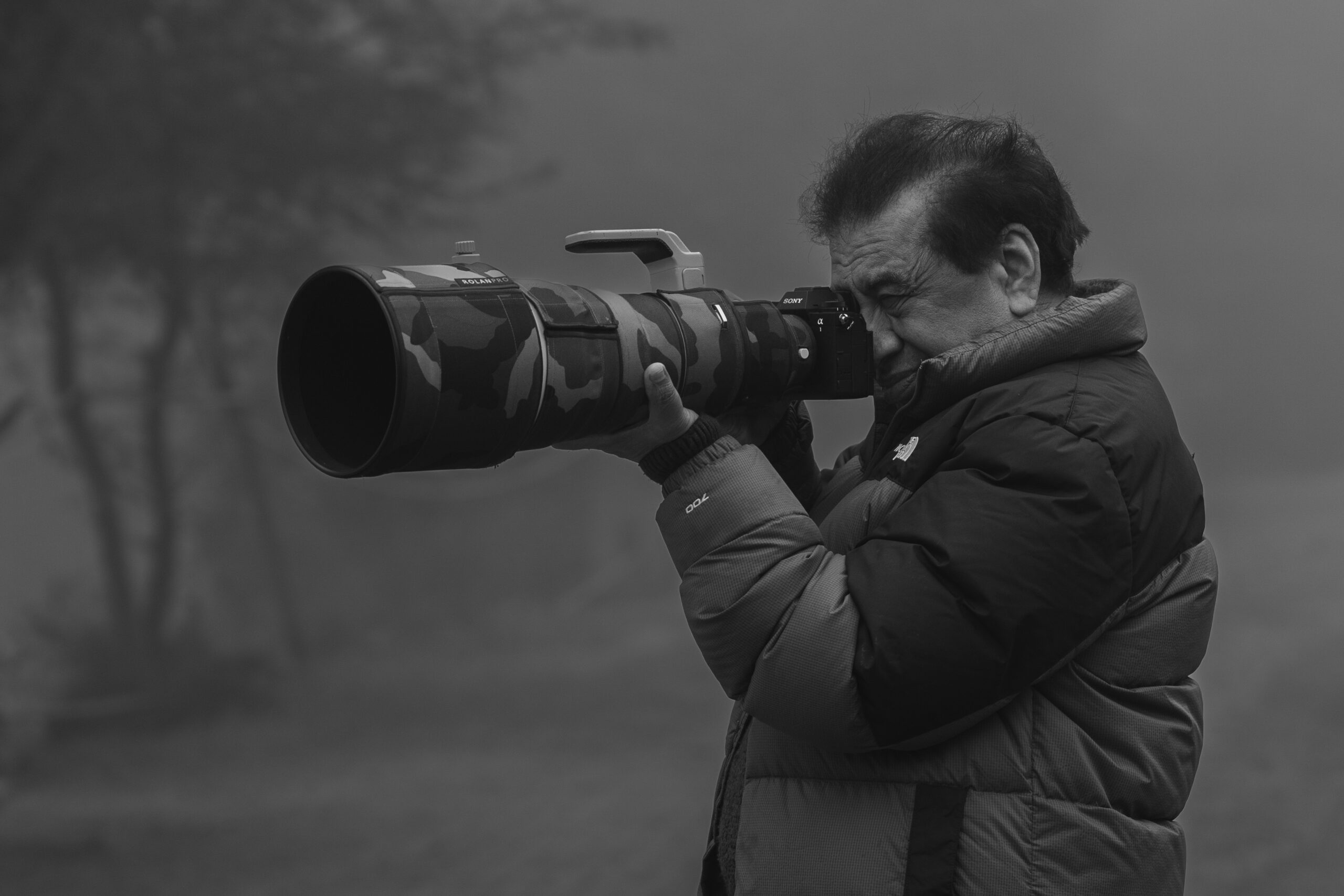
Yogesh Bhatia is a professional Wildlife photographer & mentor in India whose work reflects patience, observation, and a deep respect for nature. His journey in wildlife photography is shaped by countless hours in forests, observing animal behavior and waiting for moments that unfold naturally. Through his lens, wildlife is portrayed not just as subjects, but as living stories within their natural environment. His approach to Wildlife photography India focuses on authenticity rather than staged perfection, resulting in images that feel raw and immersive.