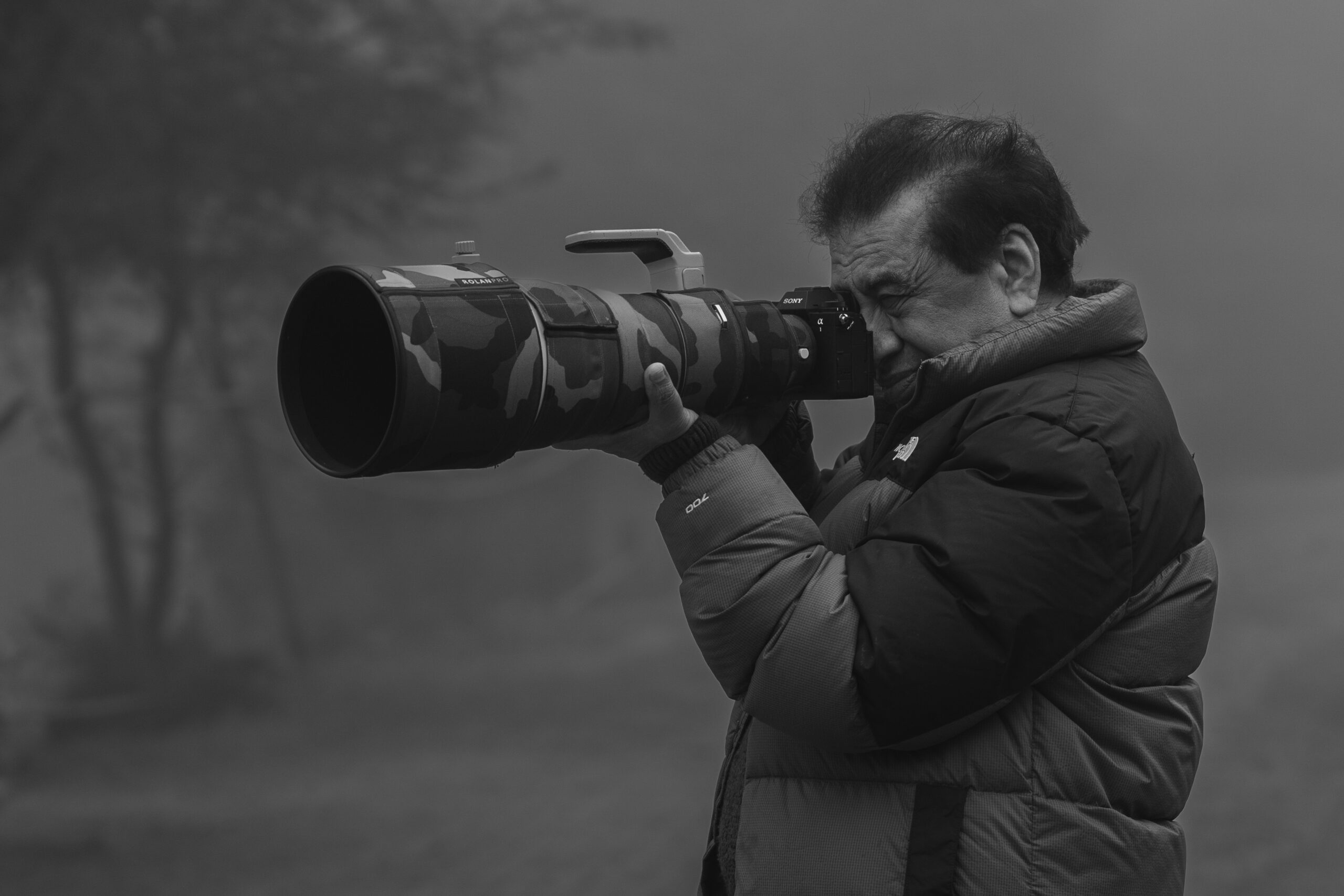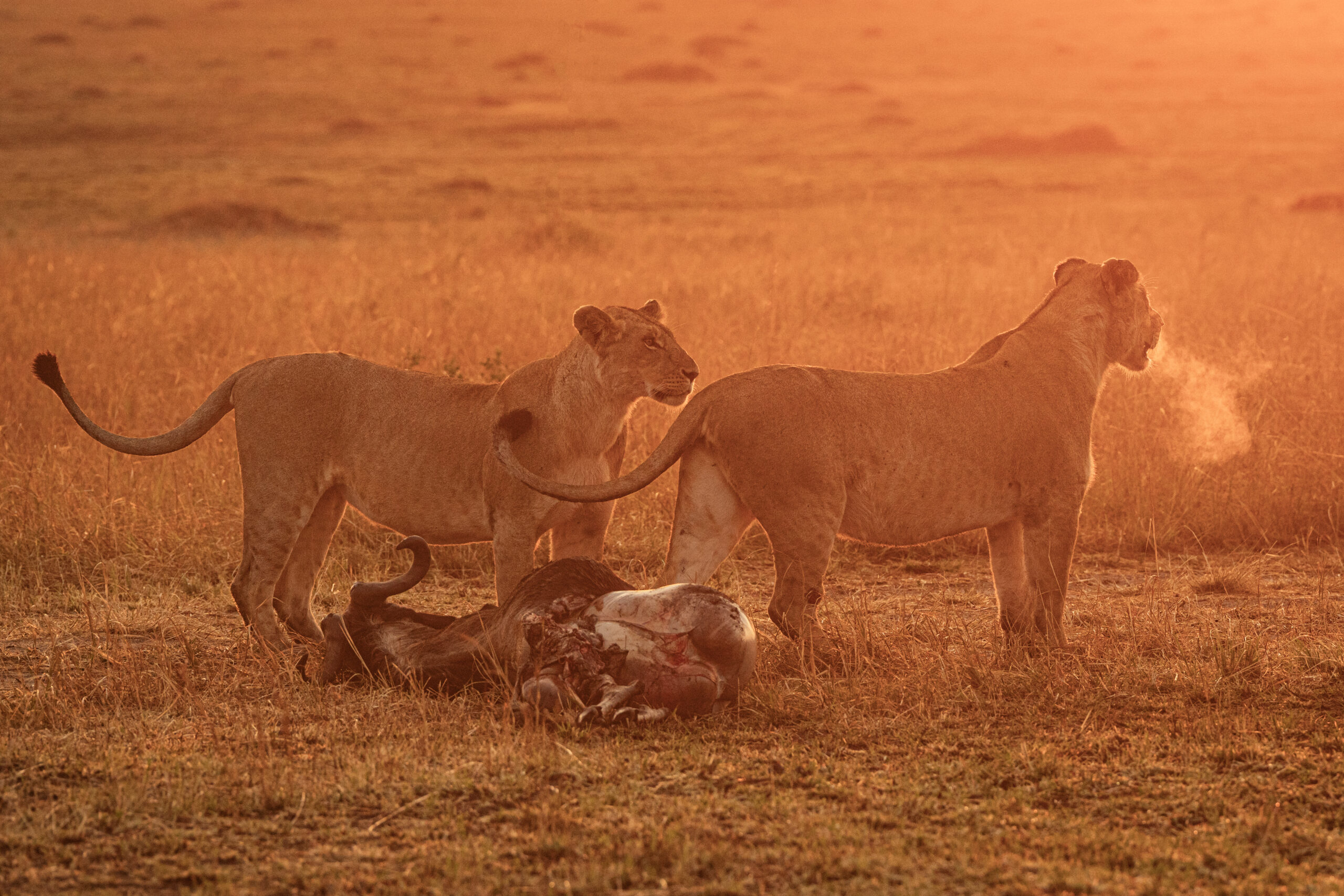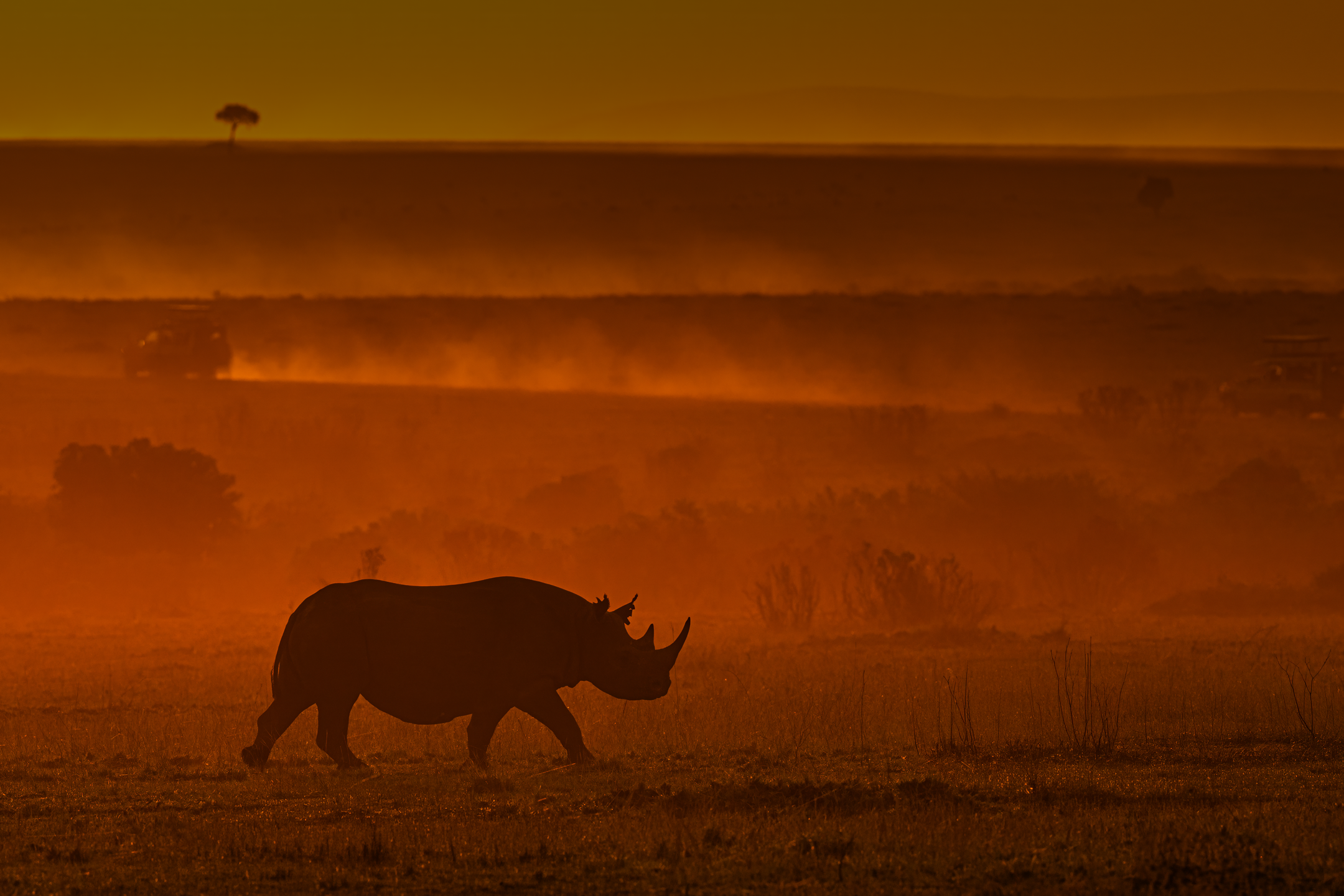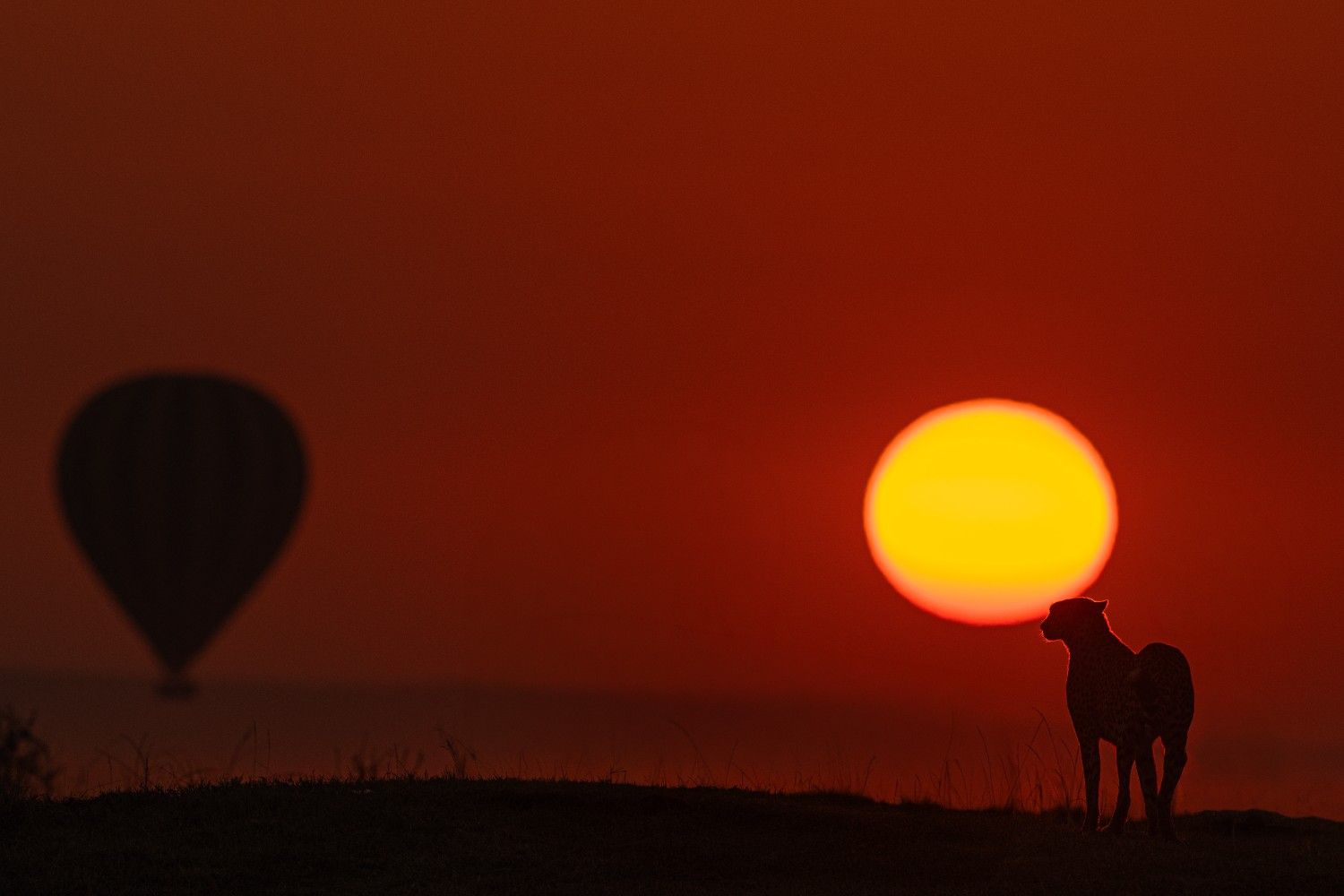
India packs an unusual amount of variety into one country: tigers stalking dry deciduous forest in Ranthambore and Tadoba, leopards moving through the rocky terrain of Kabini, and one-horned rhinos grazing the grasslands of Kaziranga. Few countries offer this range of subjects within a few hours’ flight of each other.
But great wildlife doesn’t automatically mean great photographs. The tour you book decides almost everything — how close you get, how much time you spend waiting for the right light, and whether anyone is actually helping you improve. Picking the wrong wildlife photography tour wastes both your budget and your best days in the field. Here’s what actually separates a tour worth booking from one that isn’t.
Key Selection Criteria
Mentor and Guide Expertise
Check who’s actually leading the vehicle before you check anything else. A standard tour escort knows the park roads and can spot wildlife — useful, but not the same as someone who can tell you why your last ten frames came out soft.
A genuine wildlife photography workshop is led by an active photographer who gives real-time technical guidance: adjusting your shutter speed before a bird takes off, repositioning you for a cleaner background, reviewing your files at the end of the day. That hands-on correction is what actually moves your skills forward, not just the number of sightings you log.
Vehicle and Group Dynamics
Ask how many photographers share each vehicle before you ask about the itinerary. A full six-seat gypsy or canter means shared angles, elbows in your frame, and zero control over your position relative to the subject or the light.
Look for tours that cap seating at two to four photographers, with space to swap sides for a low angle and room for a beanbag or second body. This single detail affects more of your final images than almost anything else on the trip.
Park Selection and Seasonality
Not every park suits every goal. Ranthambore and Tadoba are strong tiger destinations in the dry summer months when sightings near waterholes go up. Kaziranga’s winter season offers softer light and active rhino and bird activity. Kabini’s post-monsoon months are known for dramatic leopard sightings against green backdrops.
A tour operator who matches your target species and preferred light to the right park and season is showing real expertise — not just selling whichever package is easiest to fill.
Itinerary and Pace
A rushed itinerary that treats every safari the same, regardless of light or subject, is a sightseeing trip wearing a photography label. Look for operators who build the schedule around golden hour and are willing to track one subject across consecutive safaris instead of covering the whole park on a fixed loop.
What to Look For vs. What to Avoid
| Factor | Look For | Avoid |
| Guide | A working wildlife photographer as mentor | Only a standard driver-naturalist |
| Group size | 2-4 photographers per vehicle | Full 6-seat shared gypsy |
| Itinerary | Golden-hour timing, subject tracking | Fixed tourist slots, no flexibility |
| Park fit | Season and species matched to your goals | One-size-fits-all park choice |
| Image review | Daily RAW review and feedback | No post-safari discussion at all |
| Pricing | Transparent inclusions (permits, gear space) | Vague packages with hidden add-ons |
Budget vs. Value: What You’re Actually Paying For
The cheapest tour on paper is rarely the best value once you account for what’s missing. When comparing prices, weigh these factors rather than the headline cost alone:
- Mentor access: a dedicated photographer-guide costs more than a standard naturalist, but that’s the entire point of a photography tour.
- Zone permits: core zone permits in parks like Ranthambore and Tadoba cost more but consistently deliver better sightings than buffer zones.
- Vehicle customization: reduced seating per vehicle raises the per-person cost but directly improves your shot quality.
- Trip length: a shorter, rushed trip often costs less per day but delivers fewer usable frames than a longer, patient one.
Before booking, it’s worth reviewing a proper wildlife photography gear checklist so you know what equipment the trip actually requires — this also helps you judge whether a quoted price genuinely includes the vehicle space and support your gear needs.
Matching the Tour to the Destination
Once you’ve shortlisted operators, check that their itineraries are actually built around specific parks rather than generic multi-park hops. A properly structured wildlife photography workshops in India listing should show you exactly which reserve, which season, and which target species each trip is designed around.
For tiger-focused trips, look for operators offering a dedicated Ranthambore photography workshop, and for bird and rhino photography, a season-matched Kaziranga photography tour is worth prioritising over a generic package. If you’re still comparing multiple options, a detailed wildlife photography tour package page should lay out inclusions clearly enough that you’re not guessing what you’re paying for.
Conclusion
Choosing the right wildlife photography tour comes down to a handful of concrete checks: who’s actually guiding you, how many people share your vehicle, whether the park and season match your goals, and whether the itinerary is paced for photography rather than sightseeing.
Run any tour you’re considering through this checklist before you book. Get those fundamentals right, and India’s wildlife will do the rest — you just need to be in the right seat, at the right time, with someone who knows how to get you there.
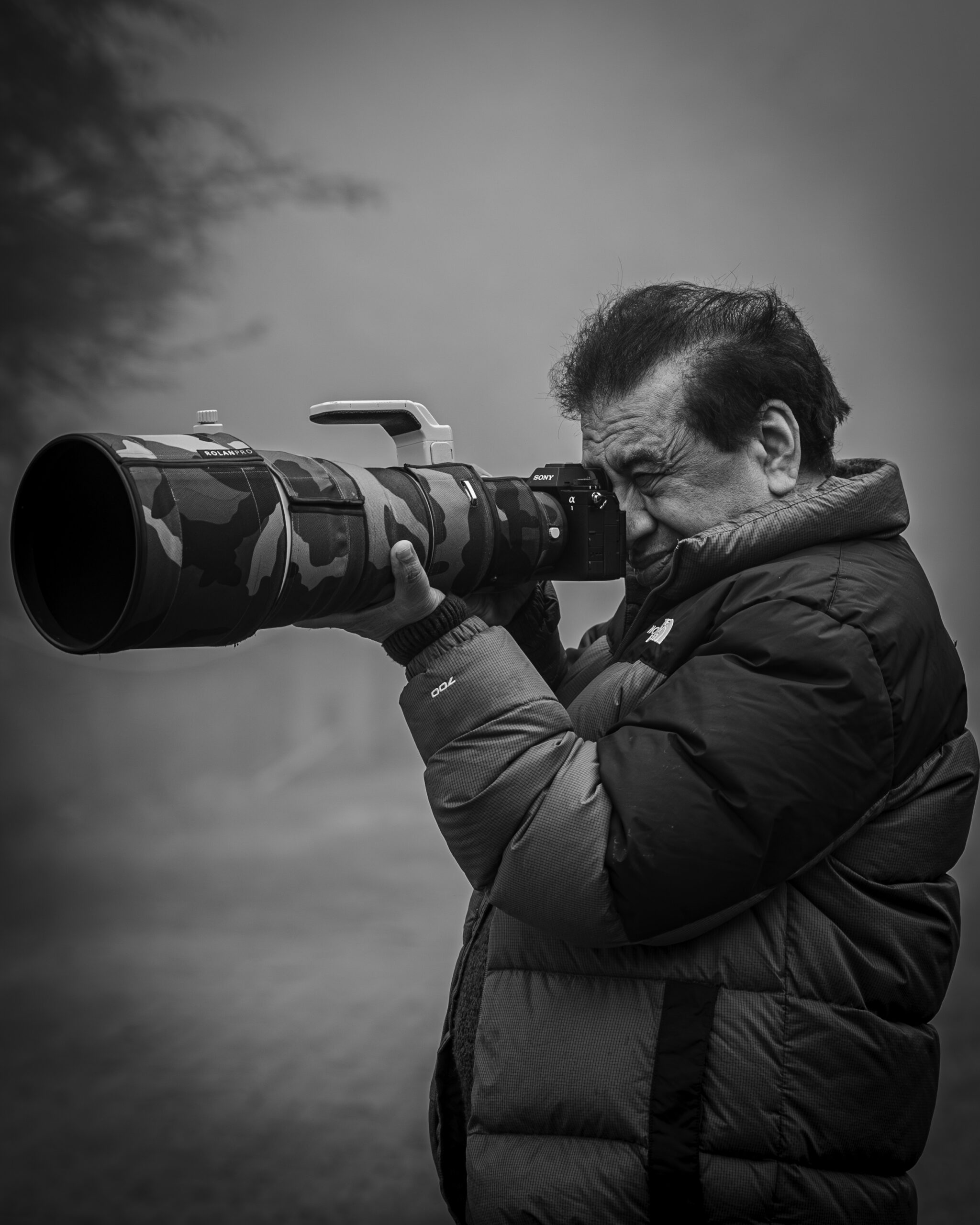
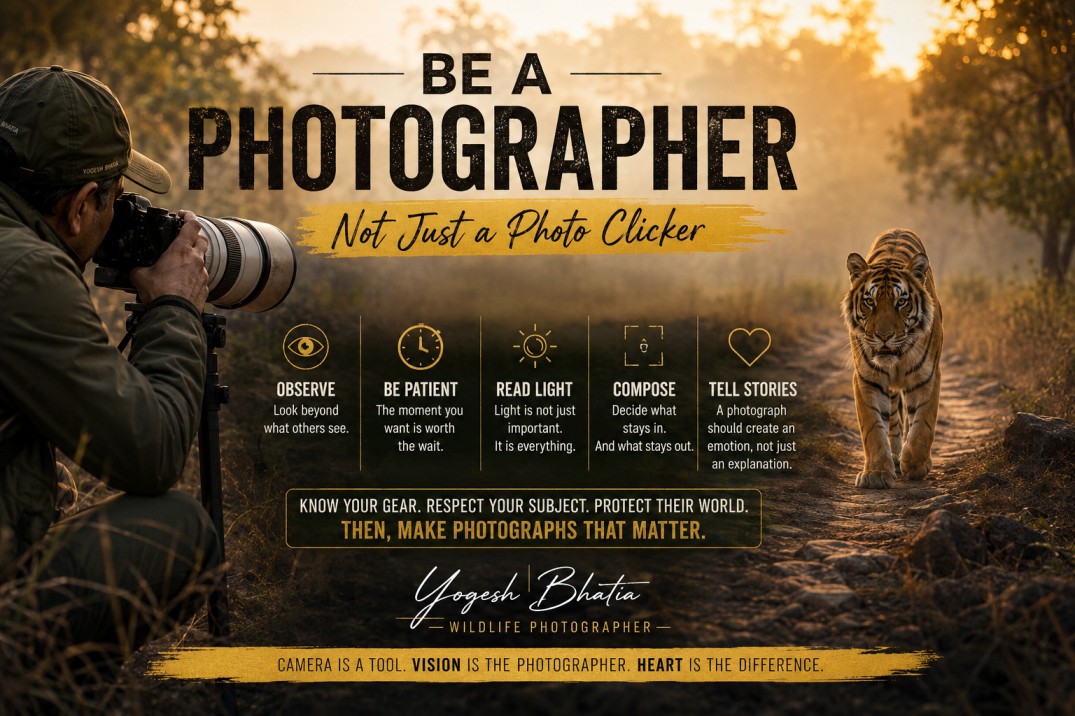
Yogesh Bhatia is a professional Wildlife photographer & mentor in India whose work reflects patience, observation, and a deep respect for nature. His journey in wildlife photography is shaped by countless hours in forests, observing animal behavior and waiting for moments that unfold naturally. Through his lens, wildlife is portrayed not just as subjects, but as living stories within their natural environment. His approach to Wildlife photography India focuses on authenticity rather than staged perfection, resulting in images that feel raw and immersive.