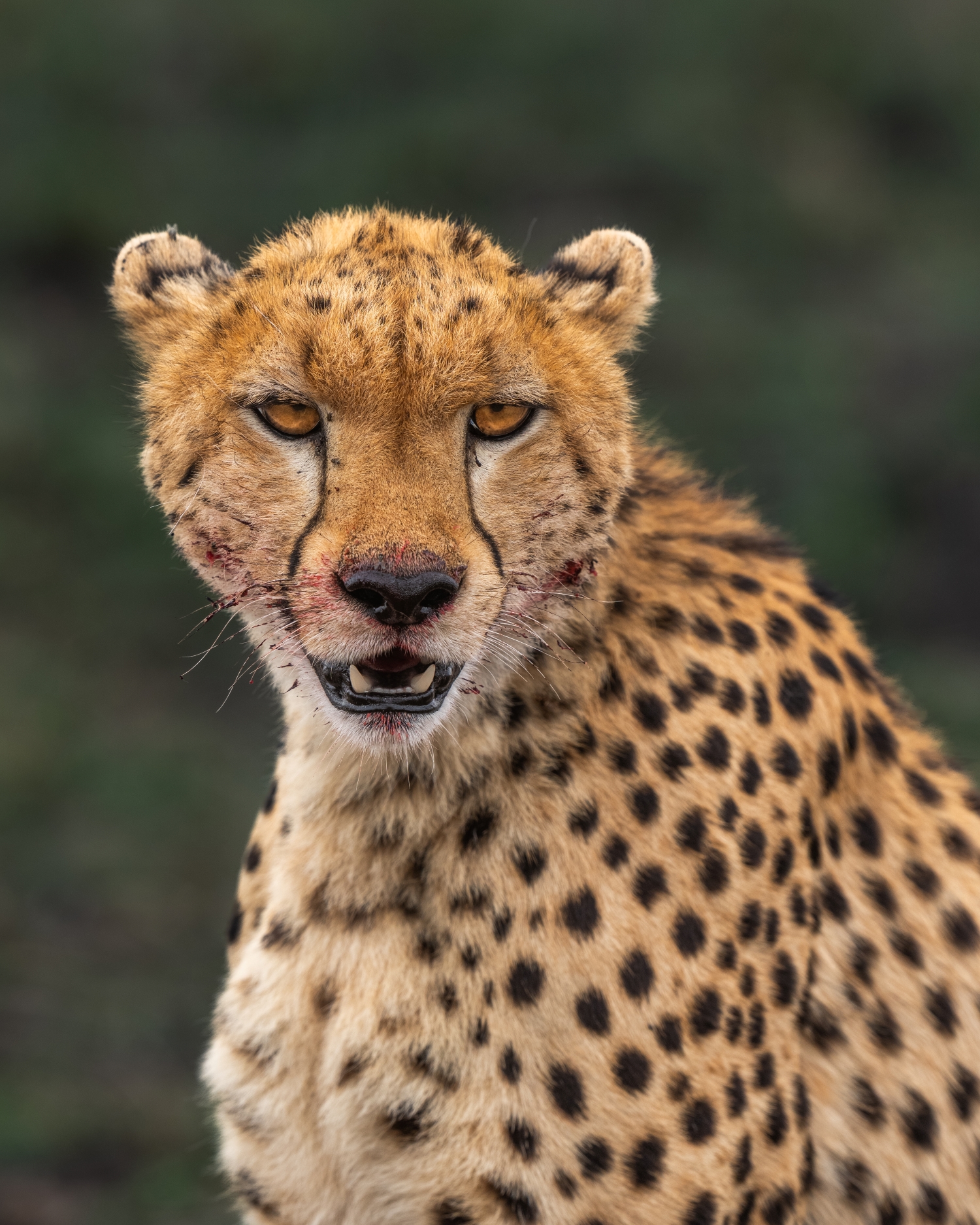
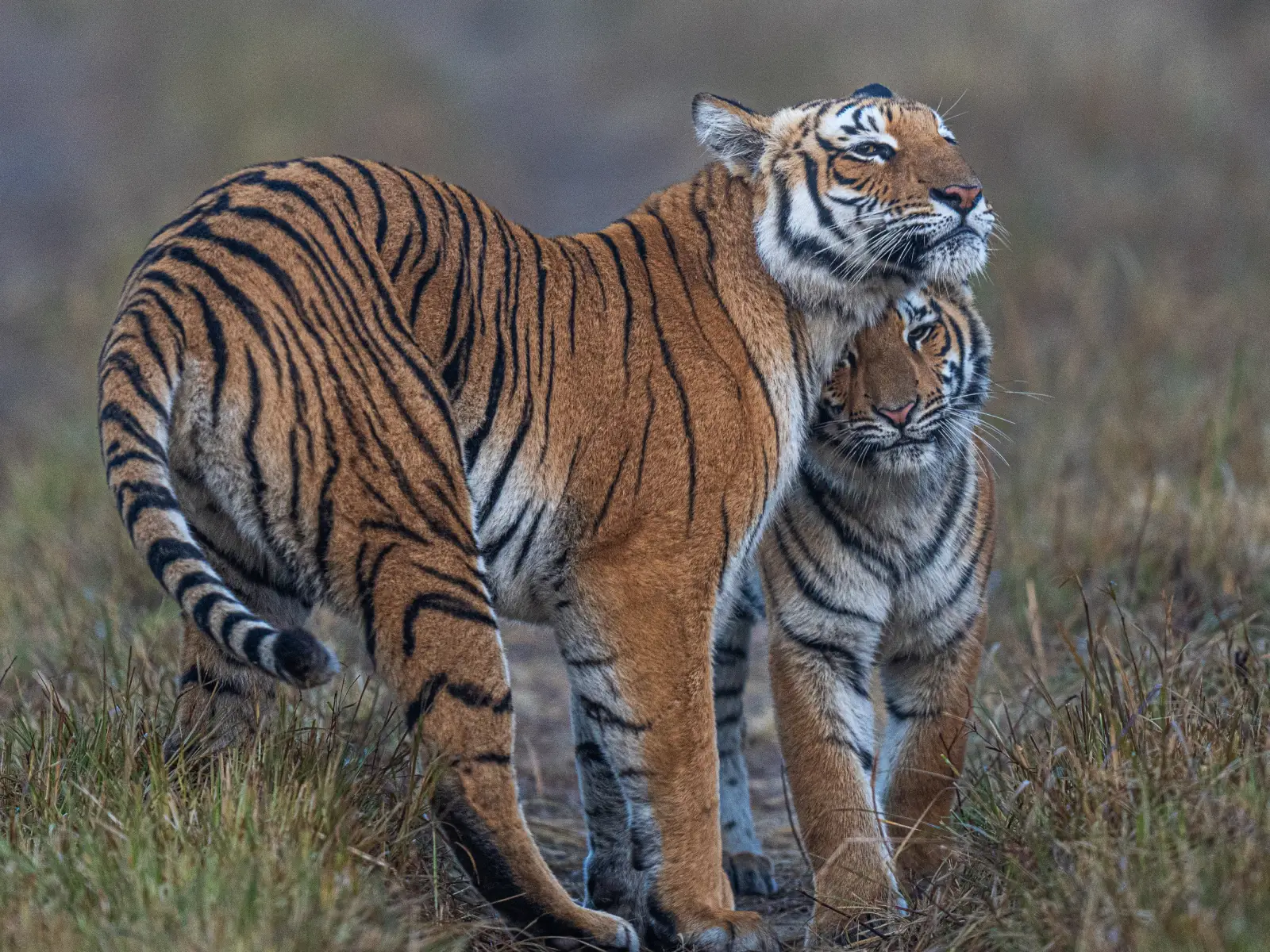
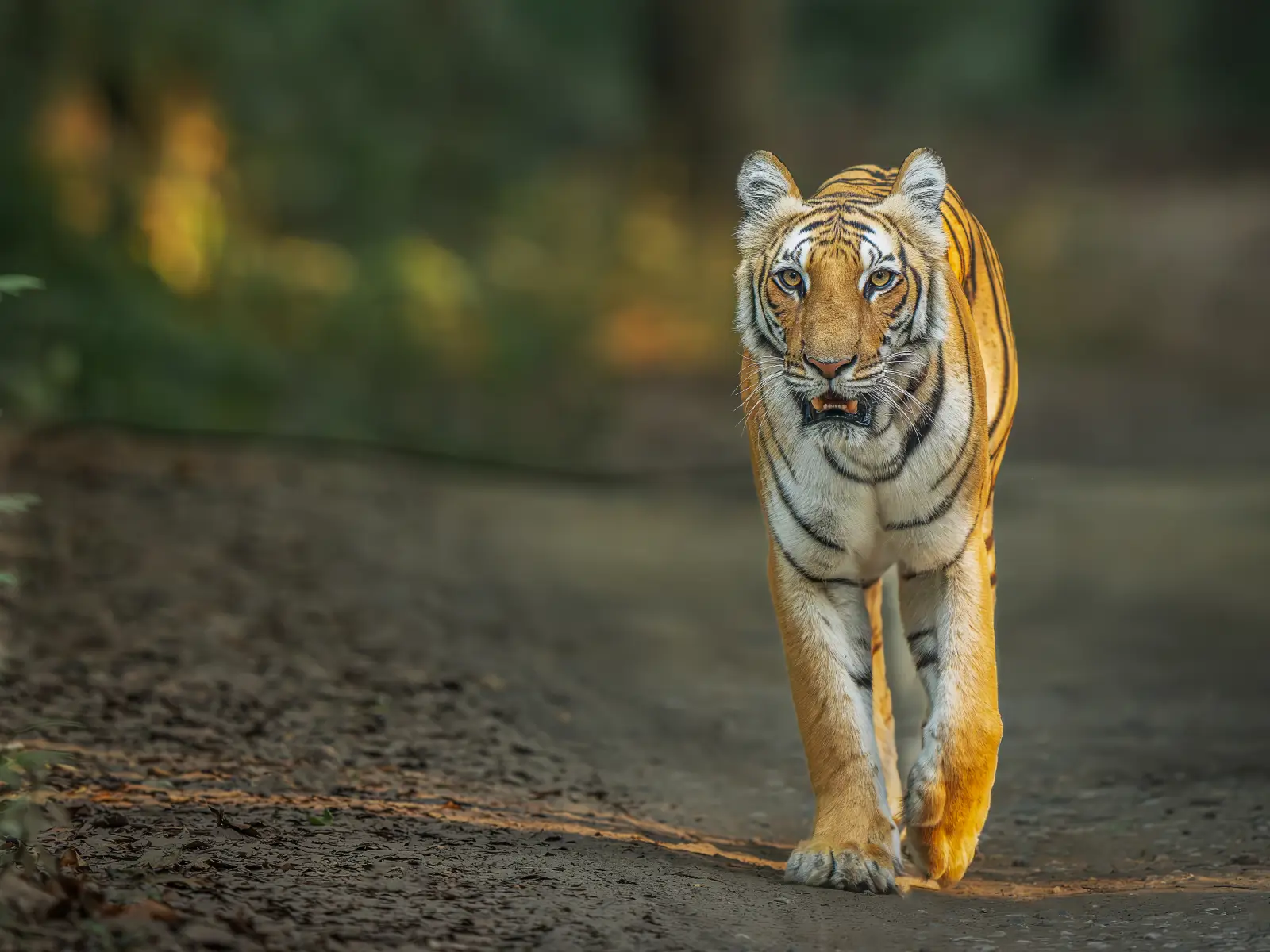
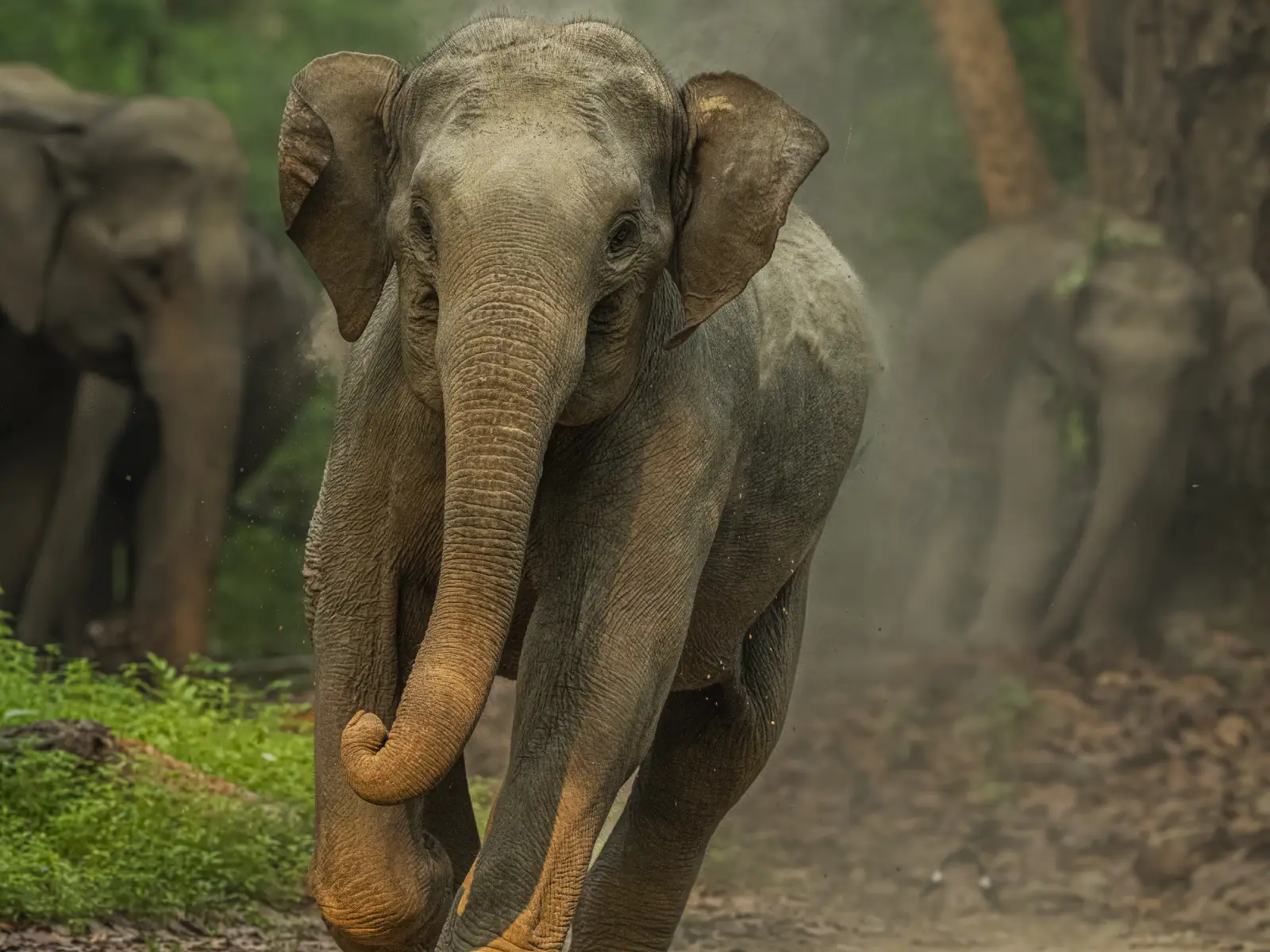
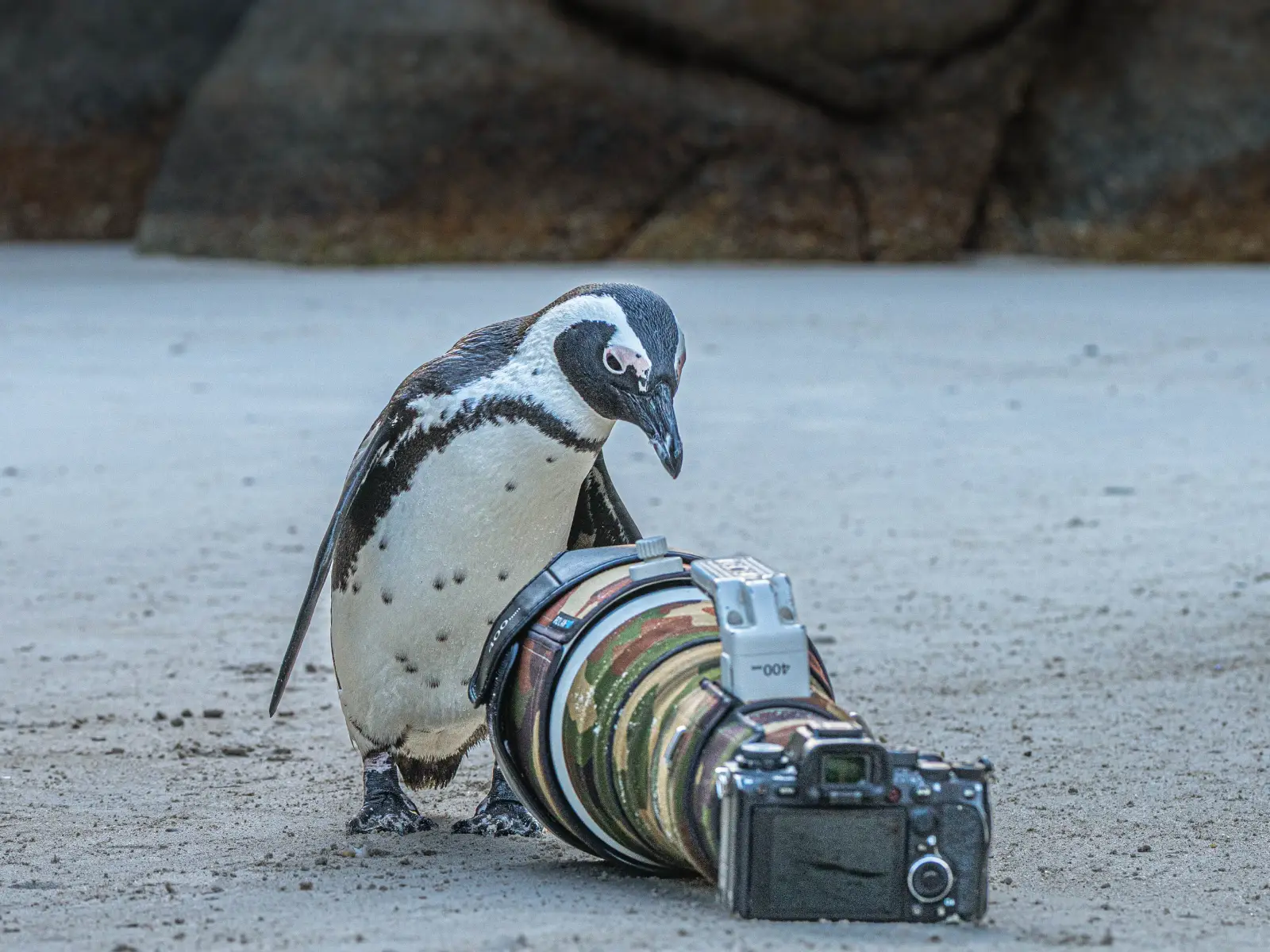
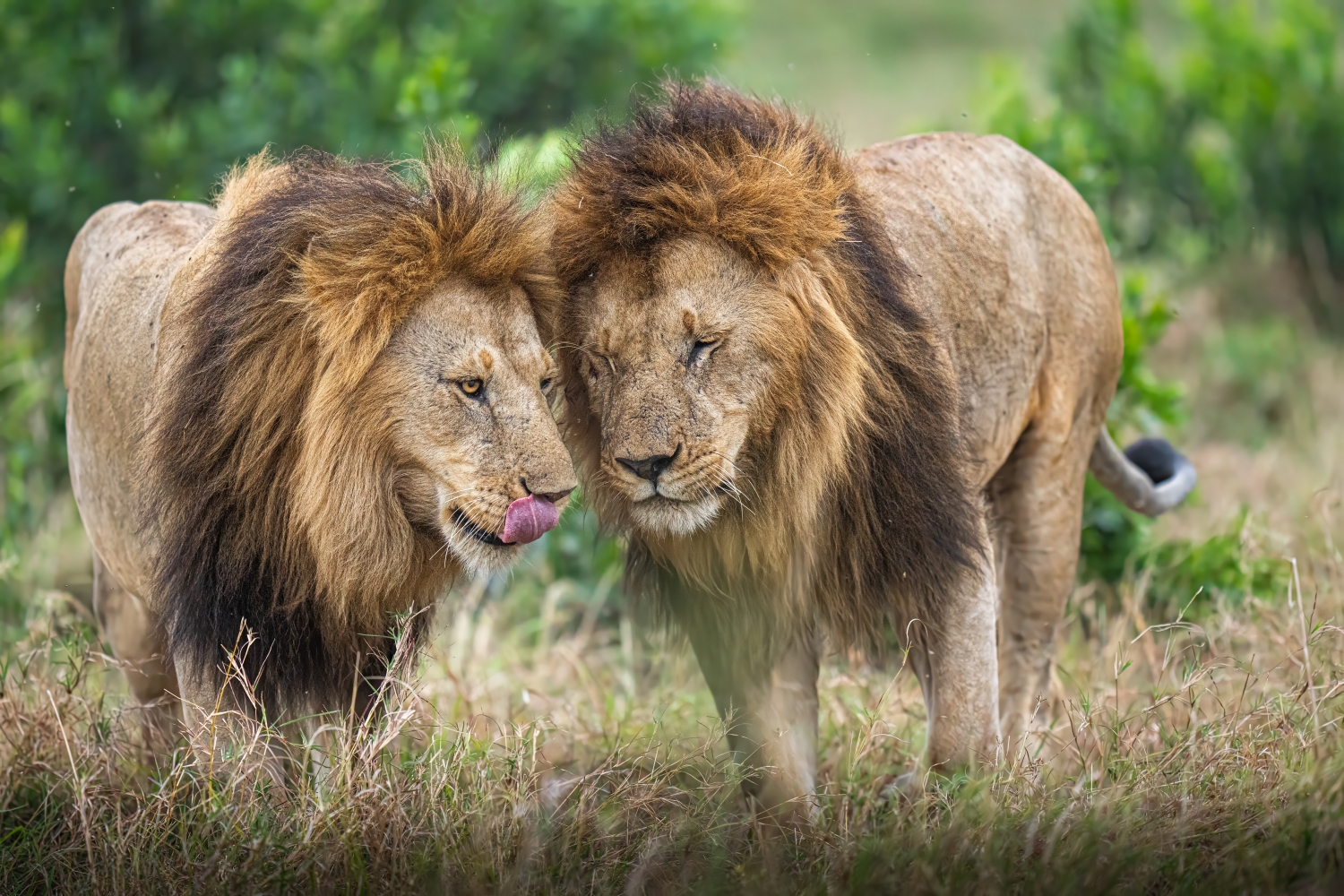
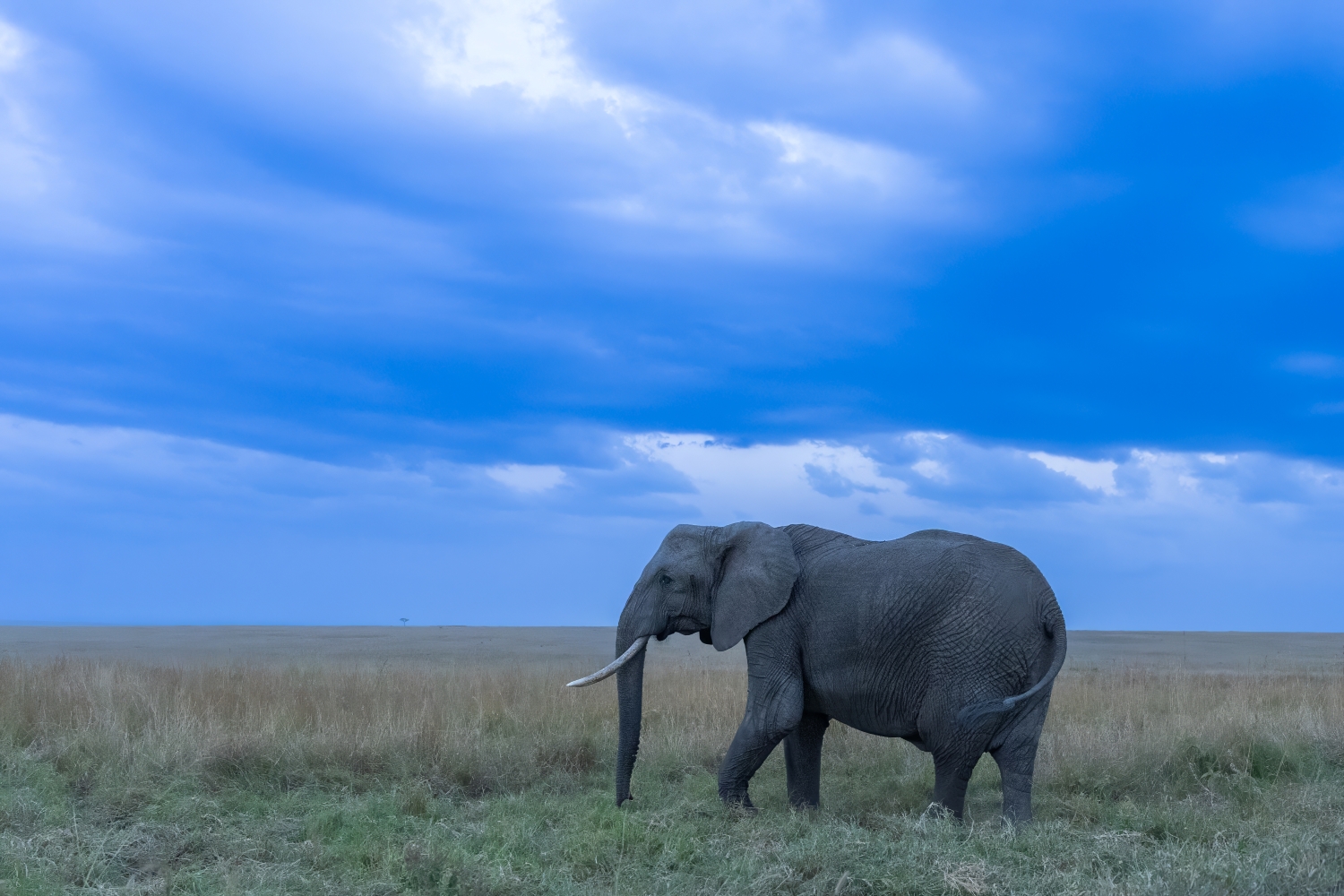
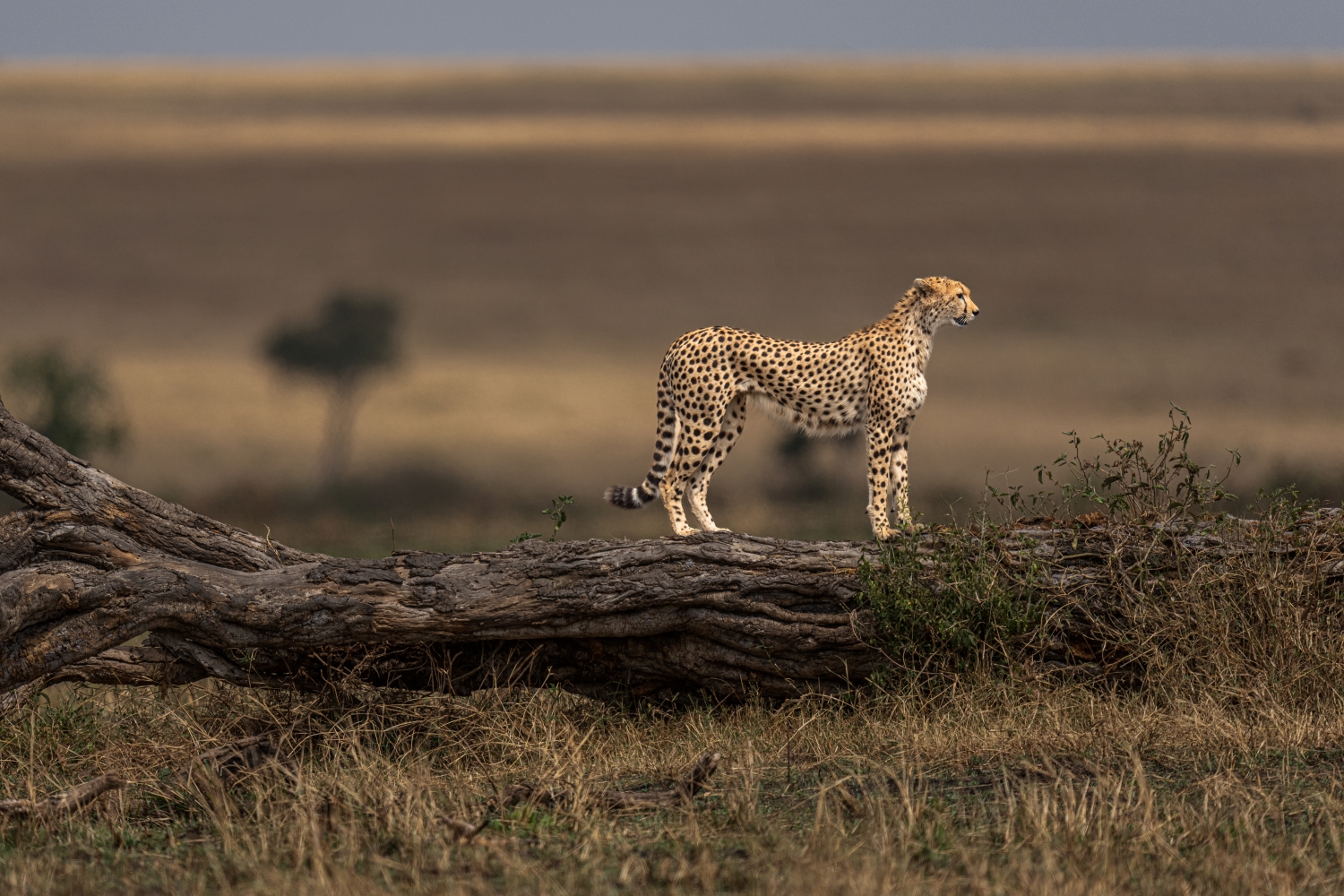
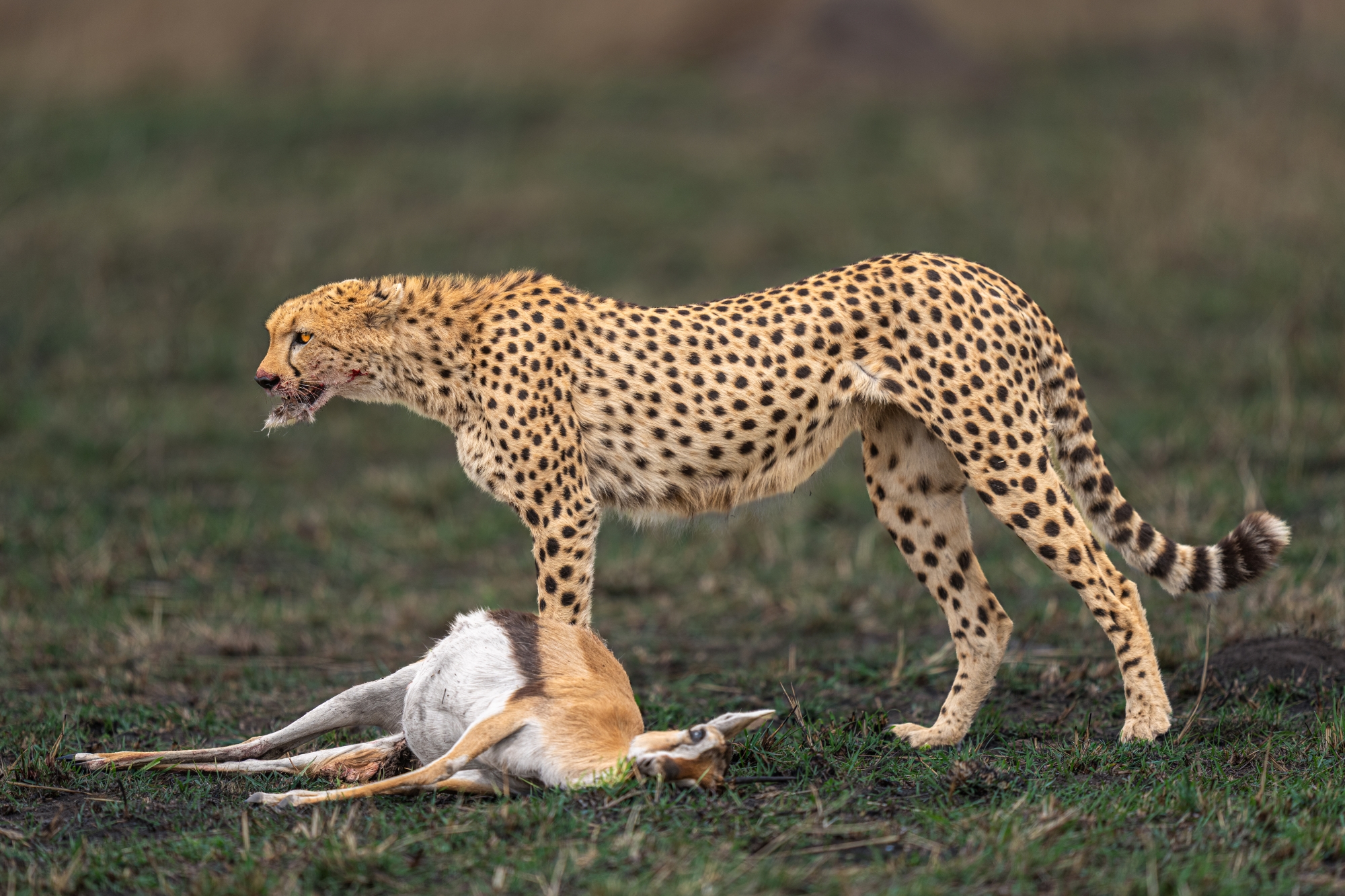
An international wildlife photography tour is not just a trip abroad with a camera bag — it's a chance to photograph species, landscapes, and light you simply cannot find at home. From the Great Migration thundering across the Serengeti to hides built at eye-level with predators in the African bush, these expeditions are built around access, timing, and mentorship that a standard overseas safari package never offers.
★★★★★
5 out of 5 based on 35 reviews
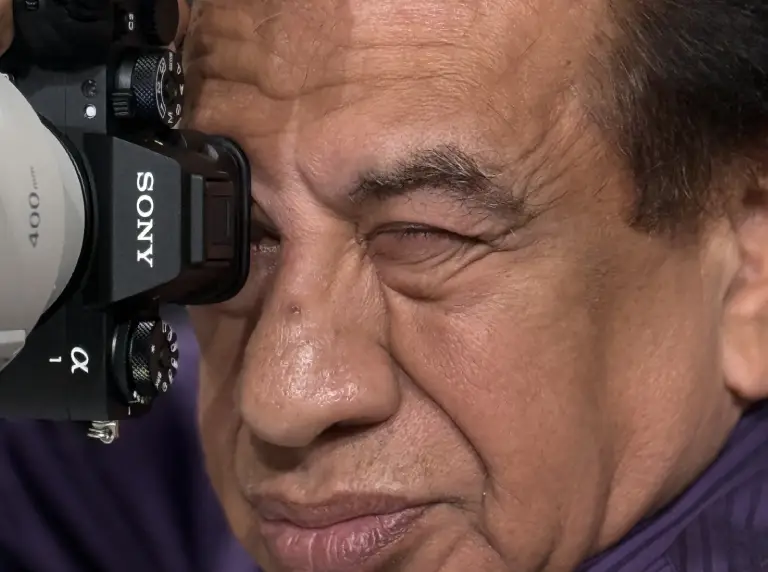
If travel and wildlife both excite you, join Yogesh Bhatia on an international photography tour built for photographers who want more than a bucket-list safari — real field time, real mentoring, and real images to show for it.

As a mentor, Yogesh is celebrated for his clarity, patience, and deep field expertise on every international expedition. His Tanzania and Kenya trips are consistently in high demand, drawing photographers from India, Europe, the U.S., and the Middle East who want dedicated field time in East Africa’s most iconic landscapes.
He earned widespread international recognition for capturing an extraordinarily rare frame, a newborn spotted hyena cub being carried by its mother, a behaviour that has almost never been photographed. The image drew attention from major global platforms, including BBC Earth and National Geographic.
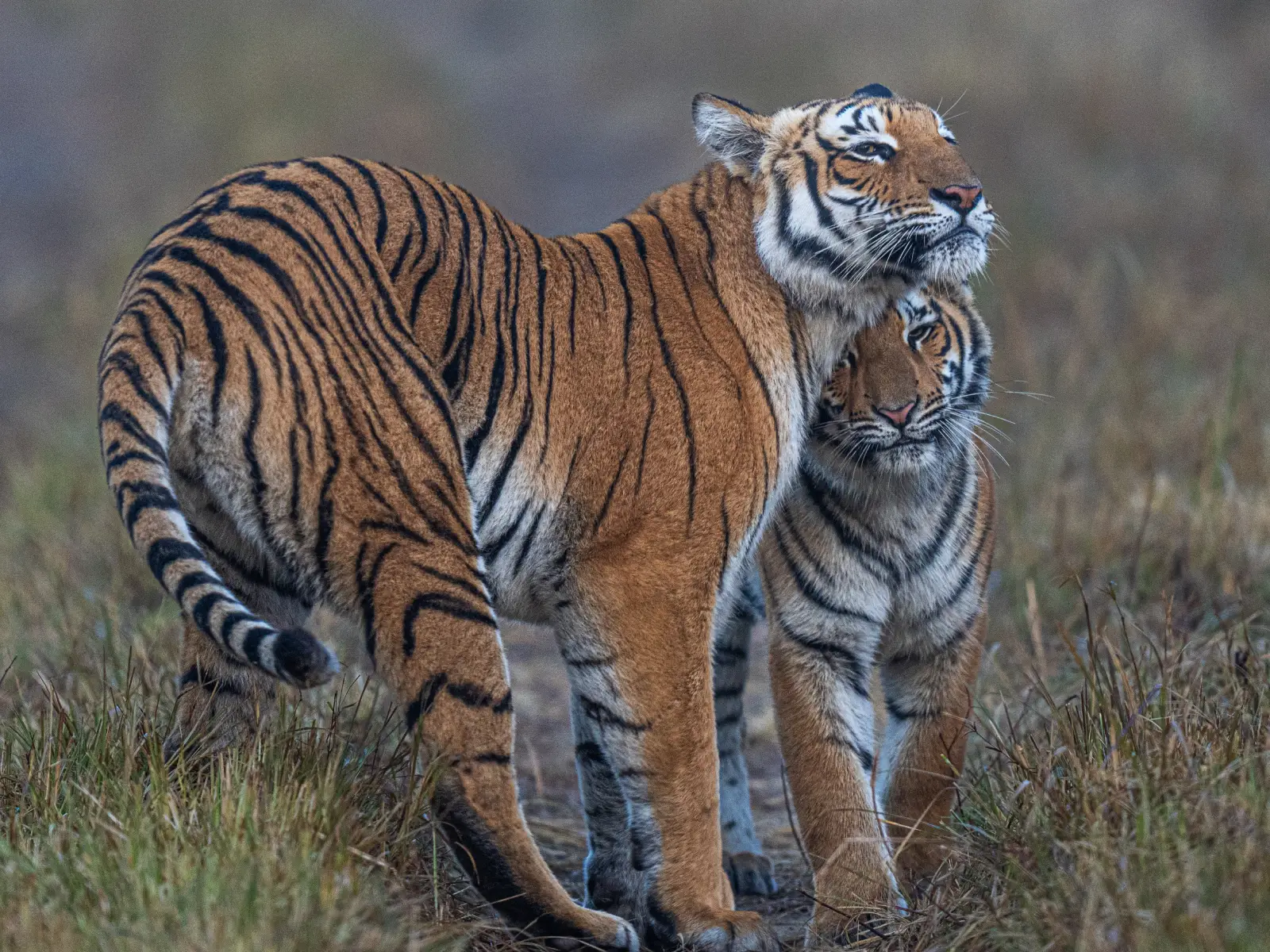
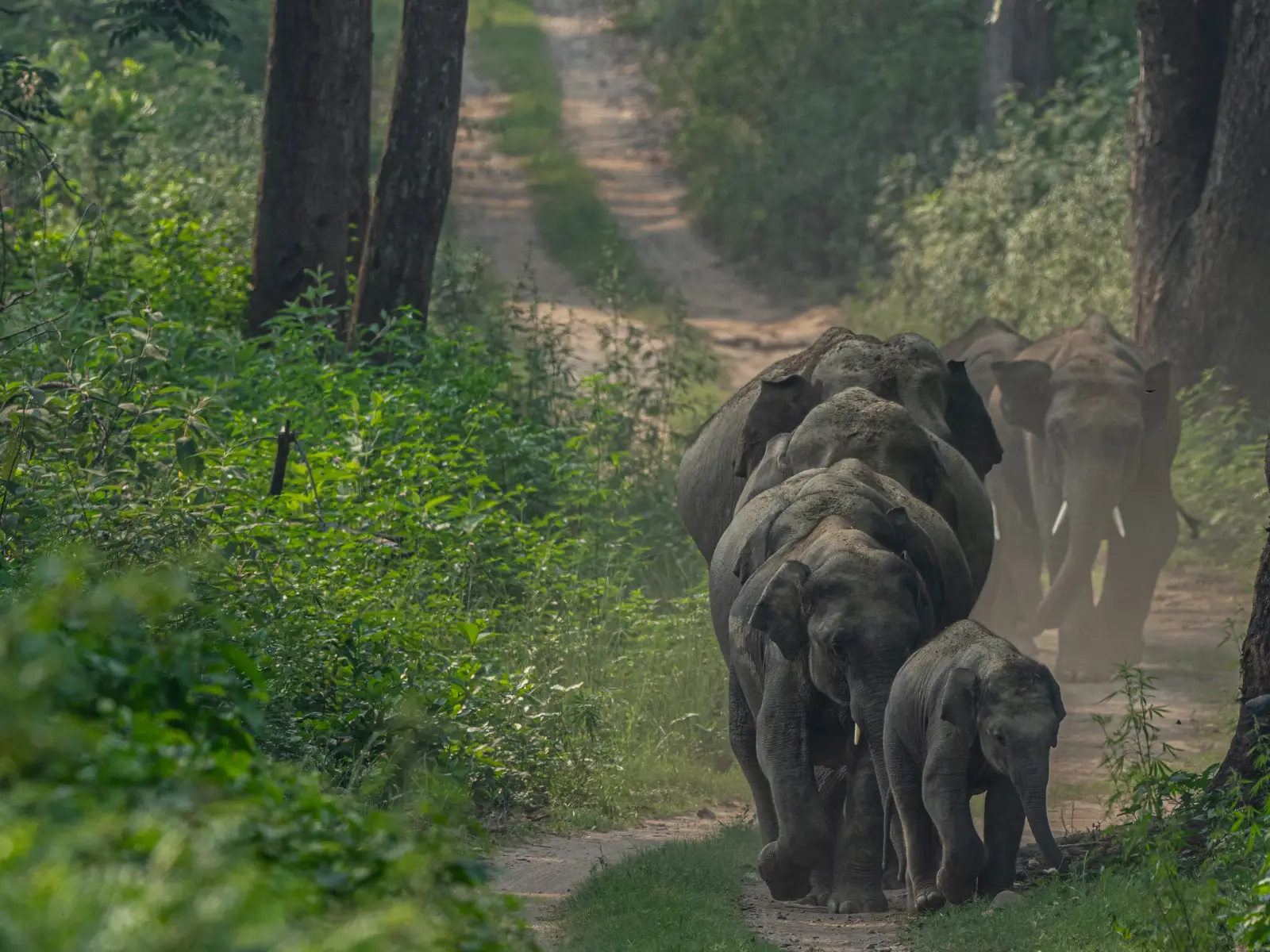
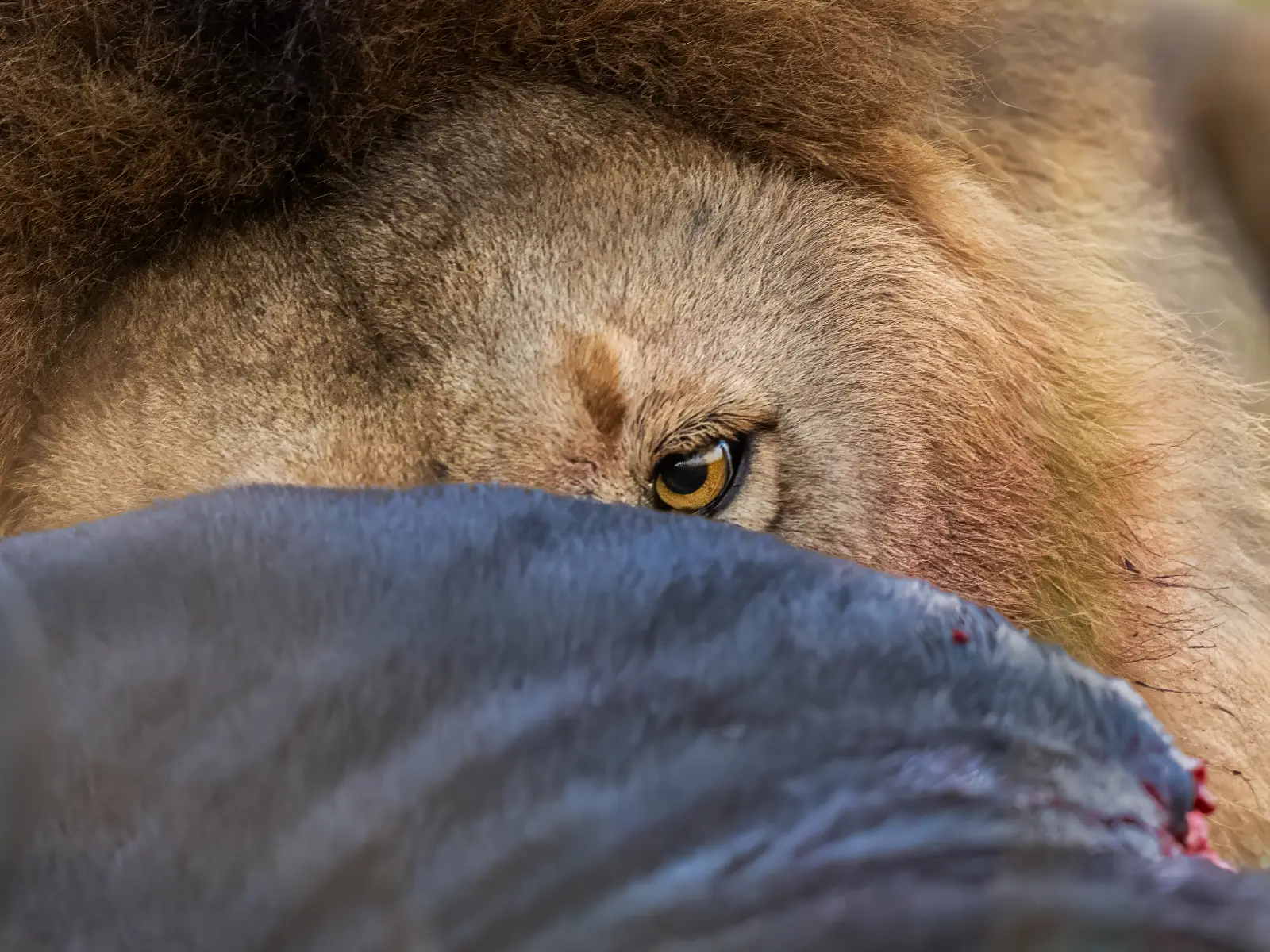

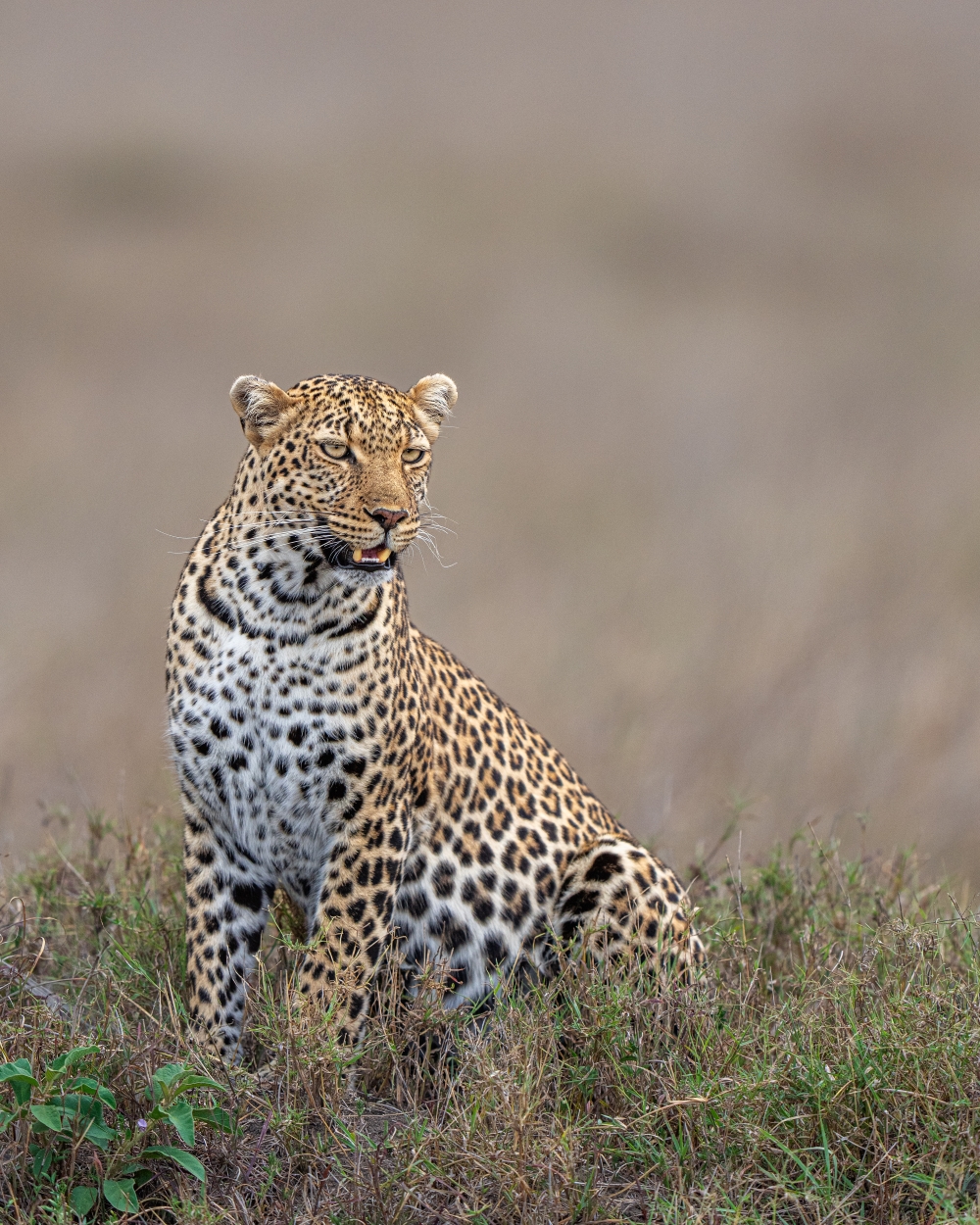
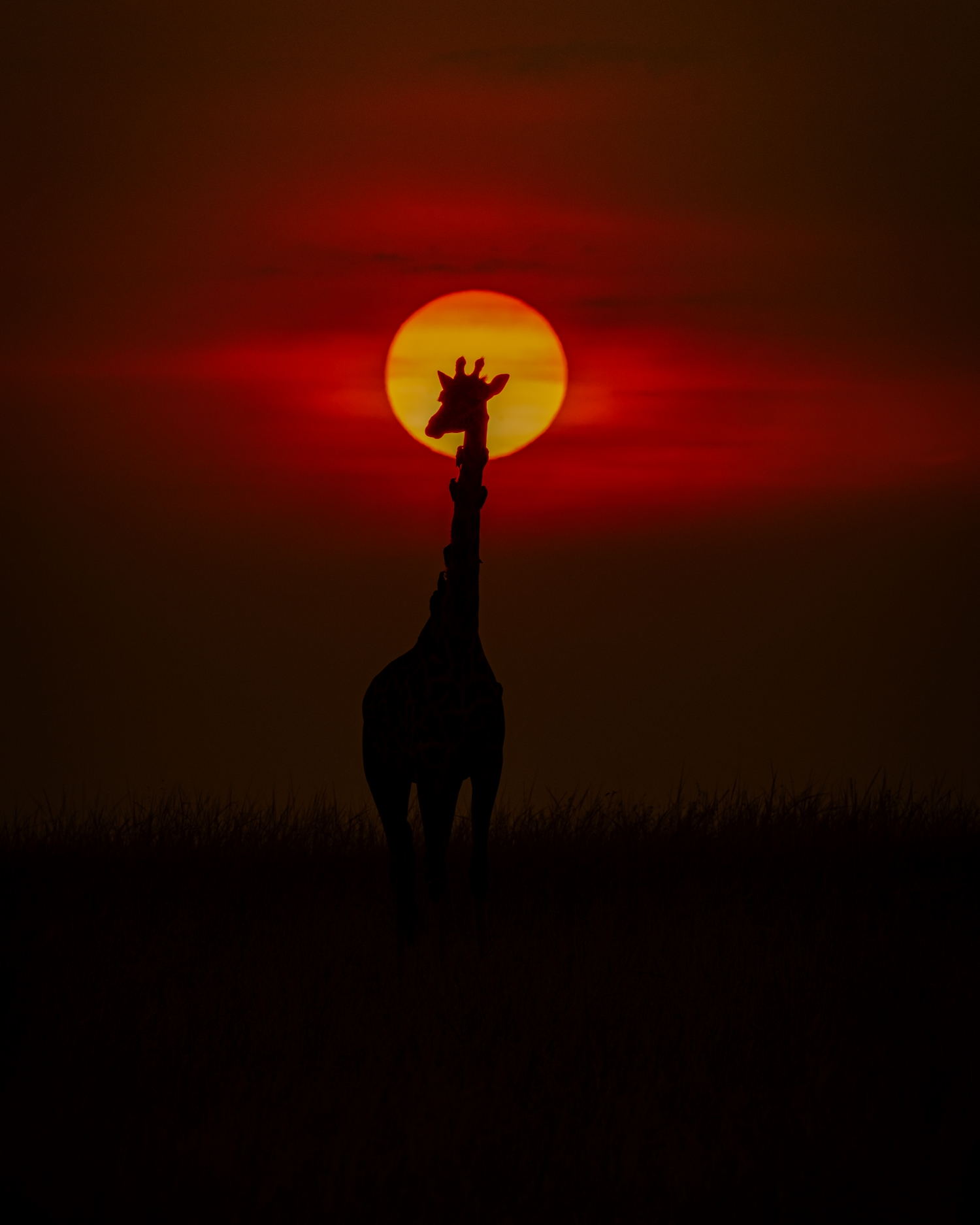
Some images simply don’t exist inside Indian borders. A river of wildebeest crossing crocodile-infested water, a leopard silhouetted against a Rift Valley sunset, or a lion pride lit low and gold on open grassland — these are moments that demand specific geography, specific timing, and specific access. Most tourist safari operators abroad run the same fixed circuits as everyone else. Our international photography tours are planned around migration patterns, hide access, and light — not a generic tourist itinerary.
Group sizes stay small, vehicles are never overcrowded, and every stop is chosen because it gives photographers a genuine chance at a frame-worthy image, not just a sighting to tick off a list.
| What Matters | Standard Overseas Safari | Our International Photography |
|---|---|---|
| Space in the Vehicle | Shared vehicles with general tourists, limited room for gear. | Small photography-only groups with dedicated space for lenses and low-angle shooting. |
| Where We Go | Fixed circuits used by every tour operator in the region. | Locations chosen around migration timing, animal movement, and hide access for serious photography. |
| Time at a Sighting | A brief stop before the vehicle moves on to the next checklist item. | We hold position for hours when the light, action, or behaviour calls for it. |
| The Guidance You Get | General commentary on species and location. | Active, on-field mentoring on settings, composition, and anticipating animal behaviour. |
← swipe to see more →
Few wildlife events on earth match the scale of the Great Migration. Our Tanzania expedition is timed to put photographers directly in the path of the herds, with the added drama of predator activity along the crossing points. It’s a trip built for storytelling, not just species-spotting — see the full Tanzania itinerary for dates and details.
The Shompole hides put photographers at ground level with predators and waterhole visitors, a completely different discipline from vehicle-based shooting. It rewards patience and precise framing over long sessions — full details are on the Shompole Hide Photography Expedition page.
The Mara offers some of the most reliable big-cat sightings in Africa alongside the tail end of the migration drama. Our past Mara departures have consistently sold out — check the Wildlife Photography Tours page for upcoming dates as new batches are announced.
Whether this is your first international wildlife trip or your tenth, these tours are designed to sharpen the way you see and shoot in unfamiliar terrain.
Yogesh Bhatia leads international photography expeditions to East Africa, including Tanzania’s Great Migration and Kenya’s Shompole hide photography sessions, alongside his well-established domestic tours across India. Each international itinerary is planned around migration timing, predator activity, and light conditions to maximise photographic opportunity, not just sightings.
These expeditions are open to photographers of all levels — from complete beginners to published professionals — who want dedicated field time and mentorship in a new ecosystem. If you’re just starting out, our 1-on-1 mentorship programme can help you build core skills before an international trip.
A DSLR or mirrorless camera with a telephoto lens is recommended, especially for open-plains photography in Africa, but professional-grade gear is not mandatory. Guidance is provided on getting the most from whatever equipment you bring.
The mentoring approach, small-group structure, and field coaching are consistent across all trips — see our Wildlife Photography Tours in India for comparison. What changes internationally is the species, terrain, and shooting style, from vehicle-based migration photography in Tanzania to ground-level hide work in Kenya.
Hide photography means shooting from a fixed, low, camouflaged position rather than a moving vehicle, which produces a very different perspective — closer to eye-level with the animal. The Shompole expedition is built specifically around this technique for photographers who want to expand beyond standard safari shooting.
Yes. Group sizes are kept small so every photographer gets adequate space, personal mentoring time, and a genuine chance at strong compositions, rather than being one of many people crowded around a single sighting.
Yes. Contact us with your preferred destination, travel window, and skill level, and we’ll help build or adjust an itinerary around it. You can also review past participant experiences to get a sense of what to expect on tour.
No prior experience is required. First-time travellers and experienced photographers alike are welcomed, with mentoring adjusted to individual skill level throughout the trip.