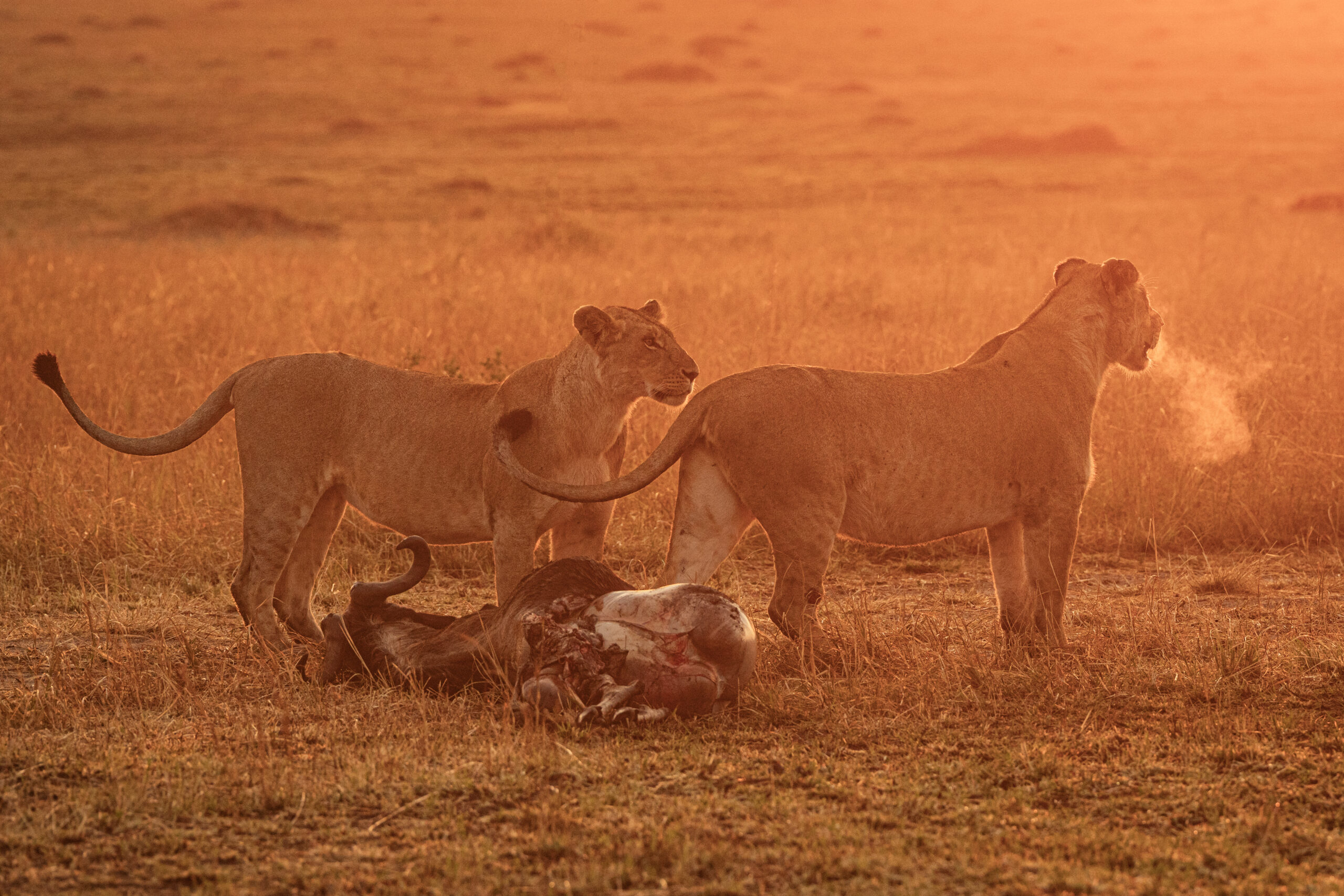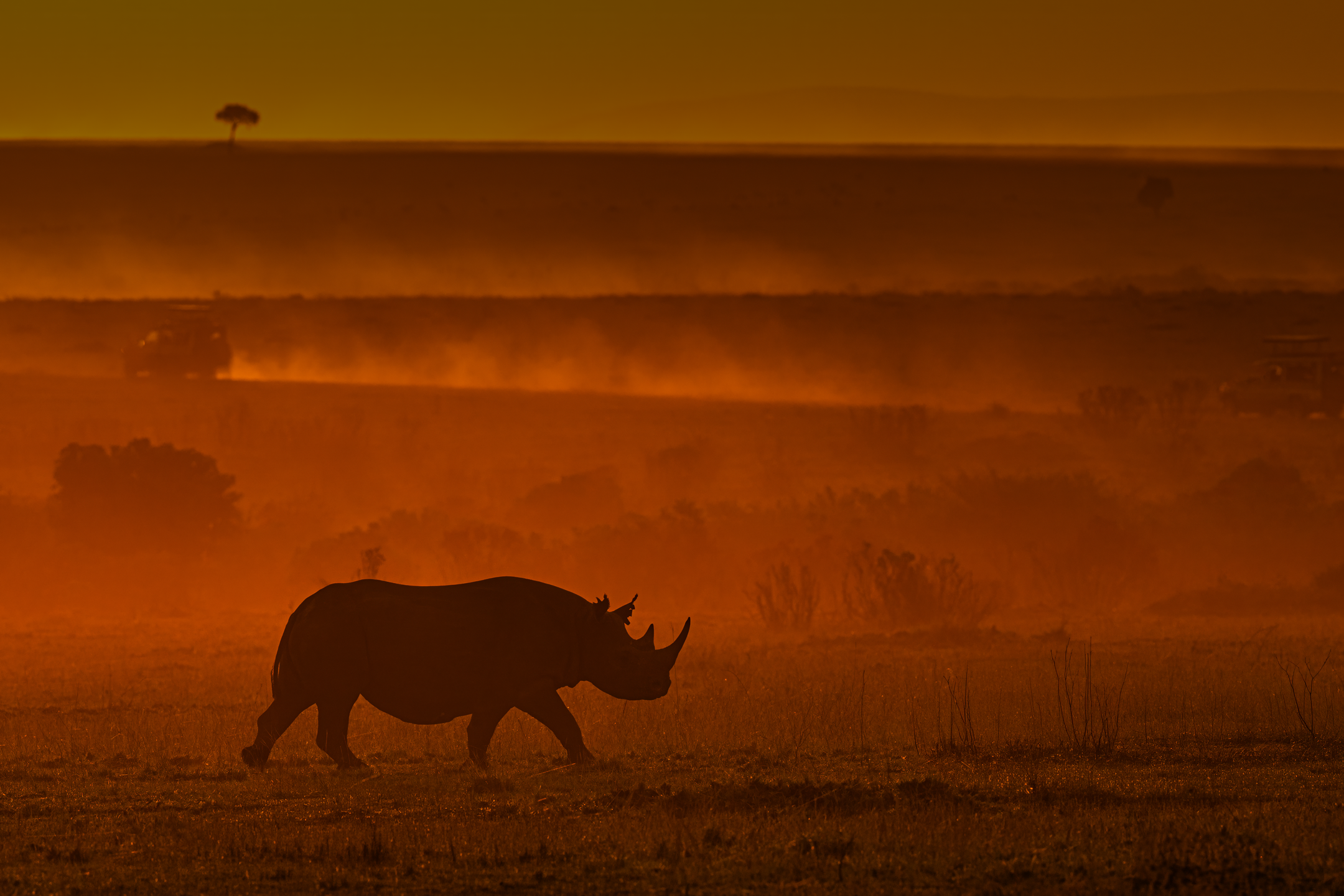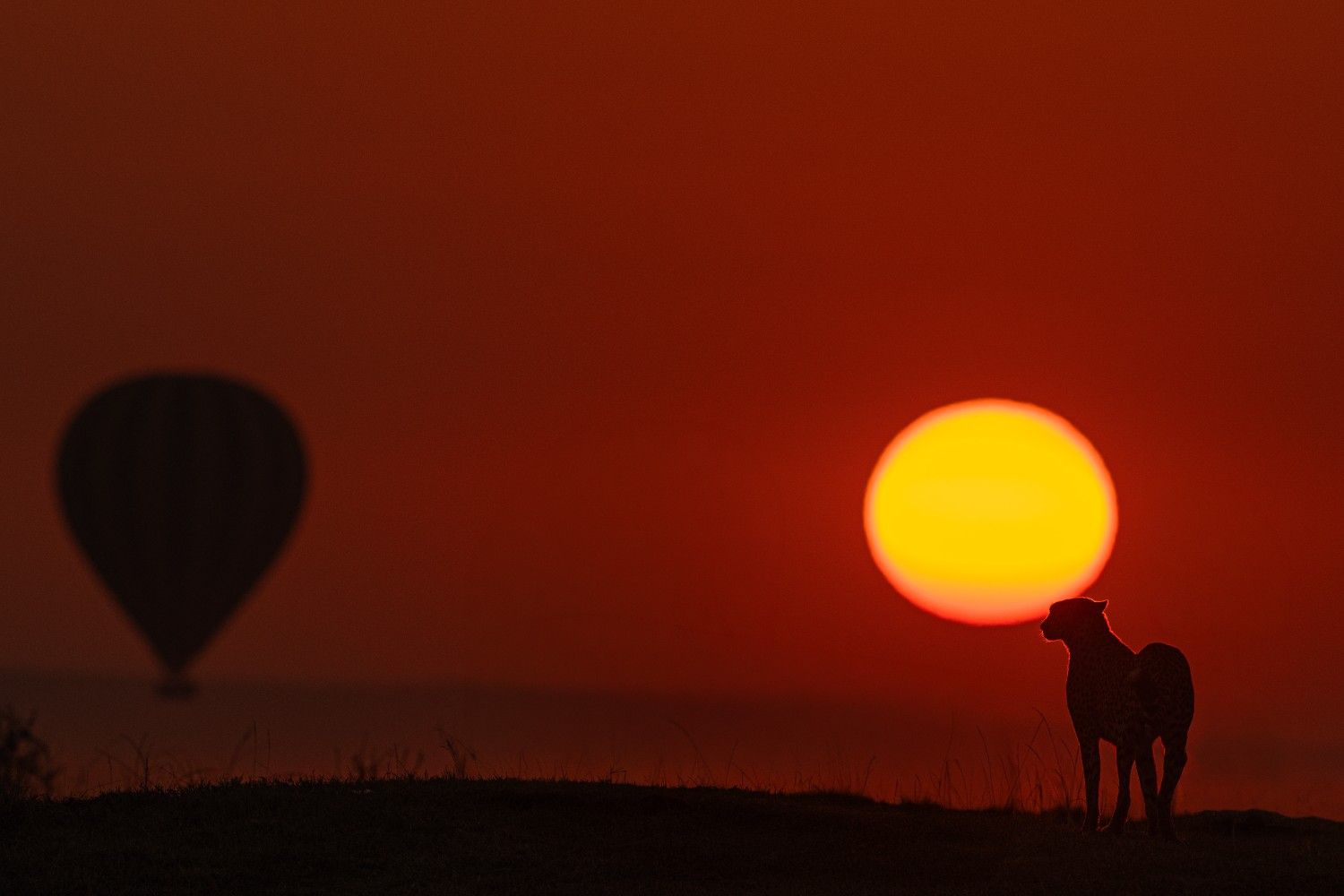
Wildlife photography looks effortless in a finished frame — a tiger mid-stride, a raptor locking onto prey, the first light hitting a misty grassland. What that frame hides is everything that went wrong before it went right: missed focus, blown-out skies, a shutter speed one stop too slow, a subject that walked out of the composition a second before the shutter fired.
Most self-taught photographers reach a plateau quickly. You can learn the exposure triangle from a video and study composition from a book, but wildlife behaves unpredictably, light changes by the minute, and there is no “pause” button in the field. This is exactly where a structured wildlife photography workshop changes the trajectory of a photographer’s growth — turning scattered trial-and-error into deliberate, guided skill-building.
Hands-on Field Experience & Real-Time Mentorship
The single biggest advantage of a workshop over solo shooting is real-time feedback. When a mentor is sitting beside you in the vehicle as a leopard walks out of cover, they can tell you instantly: switch to a faster shutter speed, recompose to leave room in the direction it’s moving, or hold focus differently because the animal is about to turn. That correction happens in the two or three seconds that matter — not two days later when you’re reviewing files at home and wondering what went wrong.
This is the core difference between watching a tutorial and building wildlife photography skills under supervision. A structured private 1-1 wildlife photography session, for instance, lets a mentor tailor feedback to your specific camera, your specific mistakes, and your specific pace of learning — something no online course can replicate.
Mastering Technical Skills & Gear Settings
Wildlife subjects don’t wait for you to figure out your settings. A workshop forces you to master the technical fundamentals that separate a sharp, usable frame from a soft, missed one:
- Shutter speed for action: knowing when 1/1000s is enough for a walking deer and when you need 1/2500s or faster to freeze a bird taking flight.
- Autofocus and tracking modes: using continuous AF (AI Servo / AF-C) and the correct focus area mode to keep erratic, fast-moving subjects sharp.
- Exposure in changing light: balancing a bright sky against a dark-coated animal without losing detail in either.
- Gear-specific handling: understanding your own camera and lens combination well enough to change settings without looking away from the viewfinder.
A good instructor also helps you understand what gear actually matters for your goals, rather than chasing every new lens release. Resources like a guide on choosing the right camera and lens for wildlife photography are a useful companion to this kind of hands-on wildlife photography training, helping you invest in the right equipment instead of the most expensive one.
Understanding Animal Behavior & Fieldcraft
Technical skill only gets you halfway. The photographers who consistently capture dramatic, decisive moments are the ones who can anticipate behavior rather than react to it. An experienced guide reads subtle cues most beginners miss — a change in an animal’s ear position, a shift in body weight before a charge or a leap, alarm calls from other species signalling a predator nearby.
This is fieldcraft, and it cannot be learned from a manual. It comes from thousands of hours in the field, which is exactly what a workshop mentor brings to the table. Guides help you position yourself correctly in advance, predict which direction a subject will move, and stay patient at the right moments instead of firing hundreds of frames at the wrong ones — all while maintaining ethical, non-intrusive distances from wildlife.
Workshops vs. Regular Wildlife Tours: What’s the Real Difference?
Not all time in a national park translates into skill growth. Regular wildlife photography tours are built around sightings and travel logistics — a great way to see wildlife, but not necessarily structured around learning. A dedicated wildlife photography workshop, by contrast, is built around your growth as a photographer:
- Small group sizes so every participant gets individual attention and vehicle positioning.
- Pre-safari briefings on settings, target species behavior, and shot planning.
- On-the-spot correction during the safari itself, not just conversation afterward.
- Daily image reviews that turn each day’s mistakes into the next day’s improvement.
If your goal is genuinely to improve — not just to collect sightings — a workshop-style wildlife photography package with structured mentoring will move your skills forward far faster than an equivalent number of days on a casual tour.
Post-Processing & Portfolio Critique
A workshop’s value doesn’t end when the safari does. Reviewing RAW files with a mentor teaches you to see your own work critically — which frames are truly portfolio-worthy, which compositions could have been tighter, and which moments were technically sound but emotionally flat.
Good post-processing guidance focuses on restraint: enhancing natural light and detail rather than over-processing an image into something artificial. Learning this editing discipline alongside the shooting discipline is what turns a folder of decent photographs into a coherent, exhibition-ready portfolio — and it’s a step most self-taught photographers skip entirely.
Conclusion: Structured Training Is the Fastest Path Forward
Self-teaching will always get you somewhere, but it rarely gets you far quickly. A well-structured wildlife photography workshop compresses years of trial-and-error into days of focused, mentored practice — combining technical training, real-time feedback, fieldcraft knowledge, and honest portfolio critique in one experience.
If you’re serious about turning wildlife photography from a hobby into a genuine skill, investing in structured training with an experienced mentor is, by a wide margin, the fastest and most reliable way to get there.
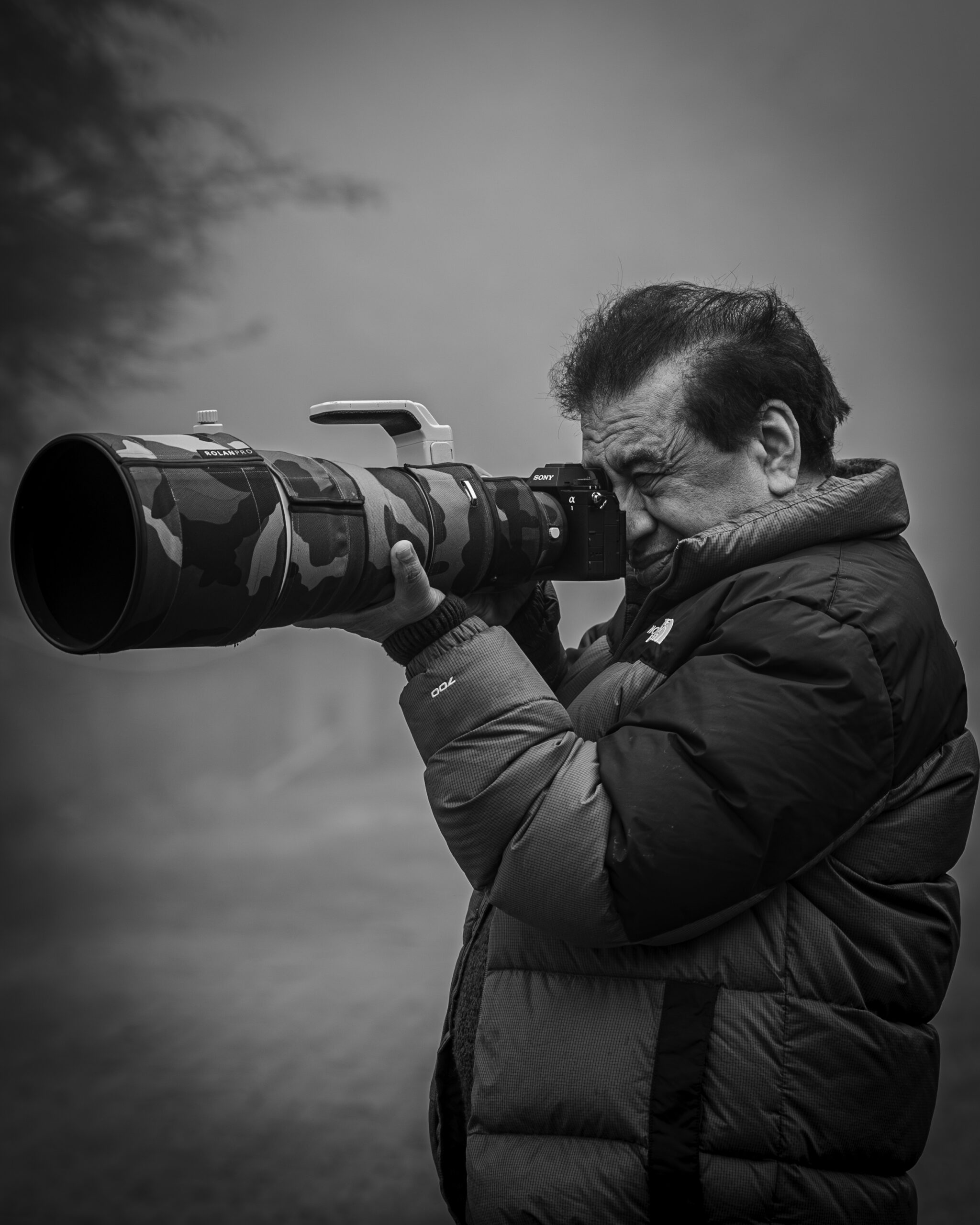
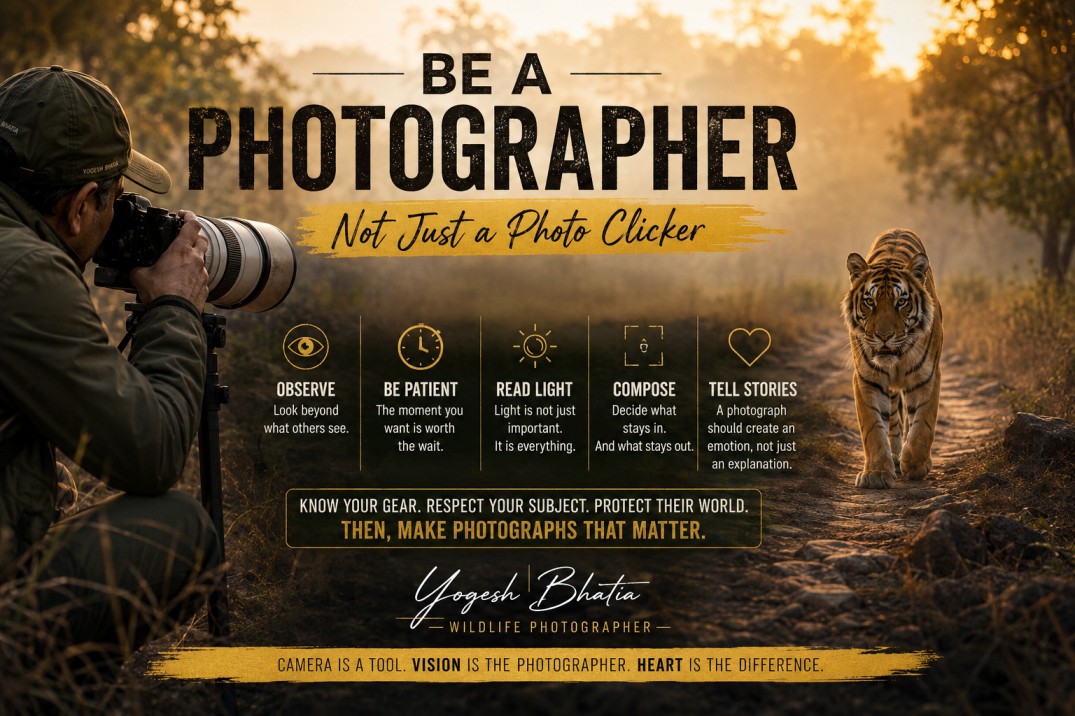
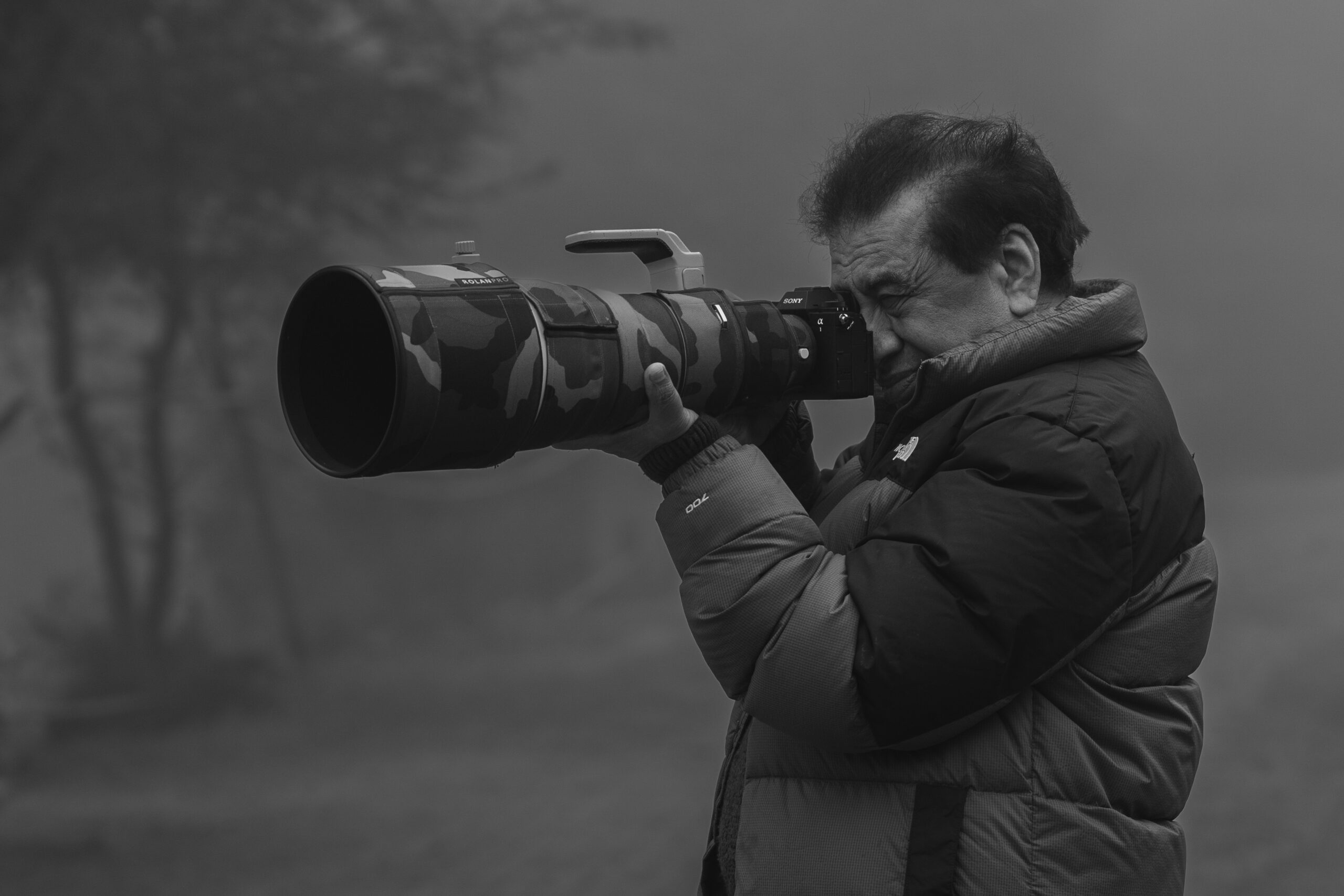
Yogesh Bhatia is a professional Wildlife photographer & mentor in India whose work reflects patience, observation, and a deep respect for nature. His journey in wildlife photography is shaped by countless hours in forests, observing animal behavior and waiting for moments that unfold naturally. Through his lens, wildlife is portrayed not just as subjects, but as living stories within their natural environment. His approach to Wildlife photography India focuses on authenticity rather than staged perfection, resulting in images that feel raw and immersive.