In the age of smartphones, mirrorless cameras, AI and instant social media, taking a photograph has never been easier.
Press a button—and you have an image.
But making a photograph is something completely different.
A camera can record what is in front of you. A photographer decides what is worth recording, when to record it, and how to make the viewer feel something.
That is the difference between being a photo clicker and being a photographer.
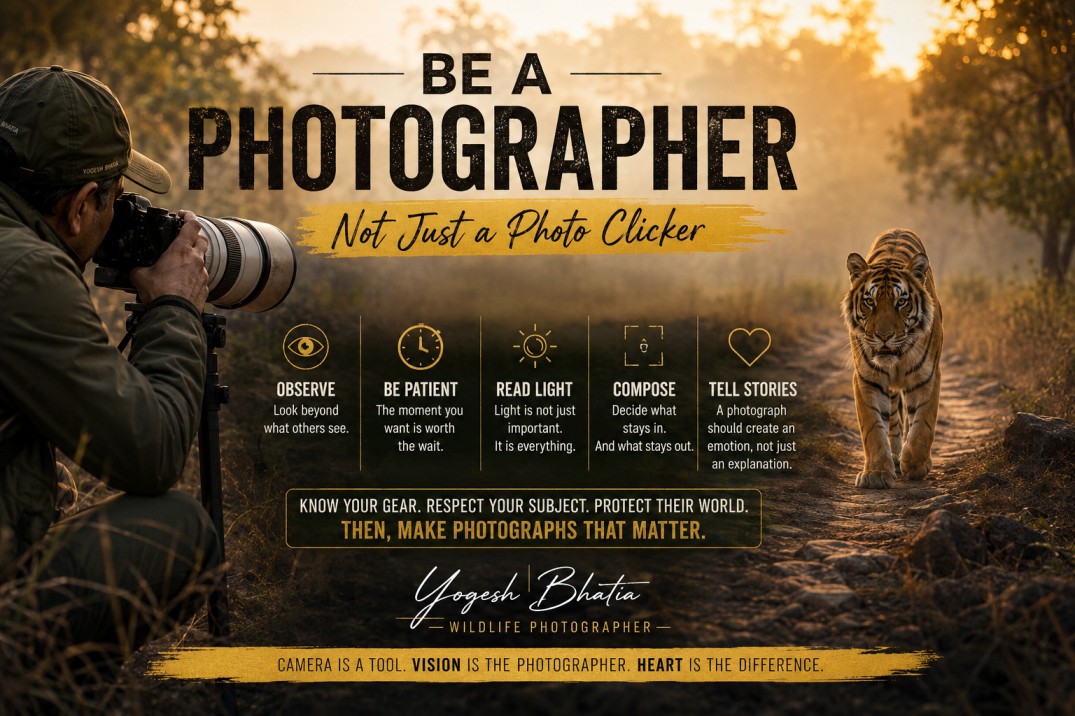
A Camera Is a Tool. Vision Is the Photographer.
A professional camera does not automatically make someone a photographer.
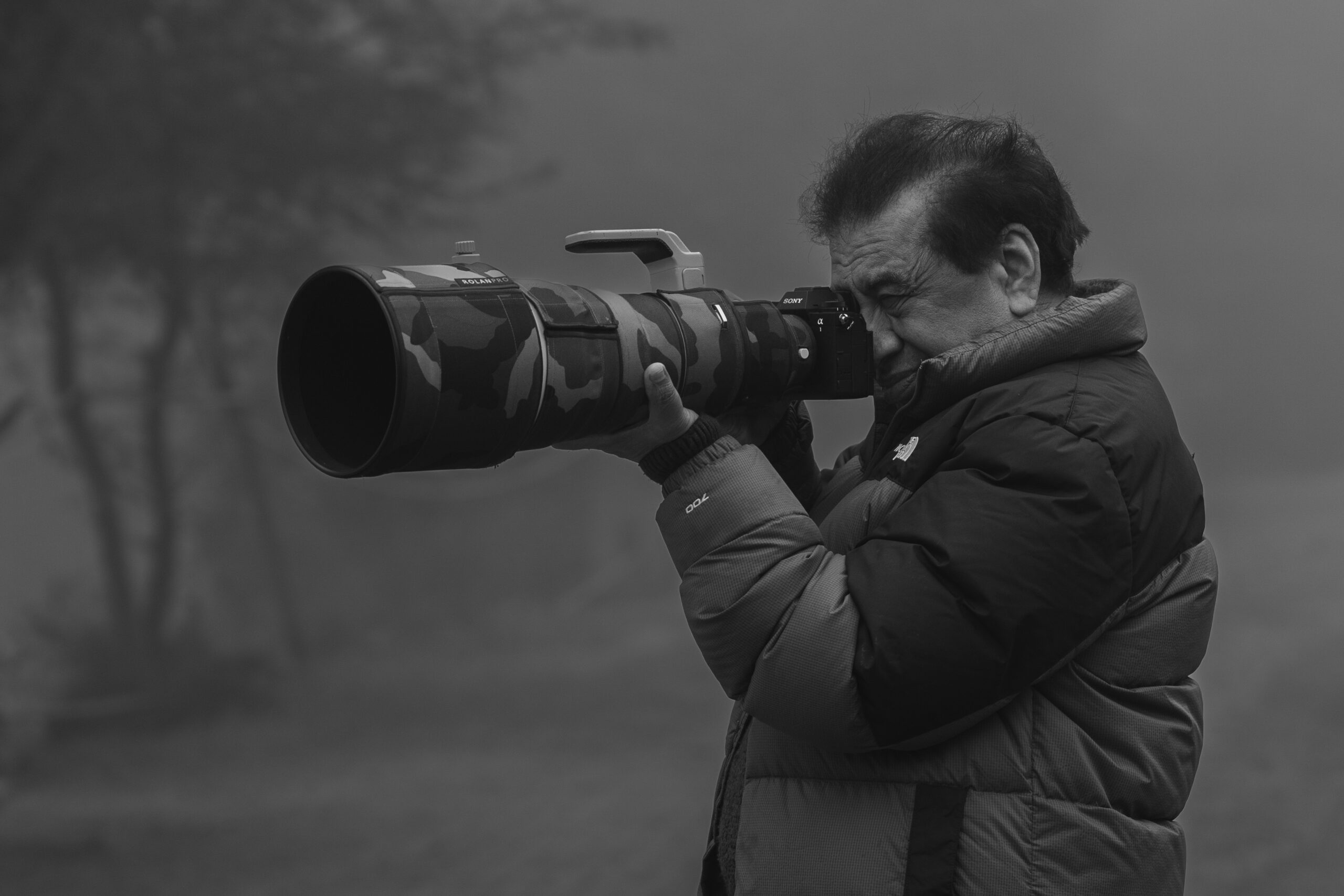
You can own the latest Sony Alpha, a 400mm f/2.8 lens or an entire collection of expensive equipment and still produce ordinary photographs.
Equipment gives you possibilities.
Vision gives you photographs.
A photographer learns to see beyond the obvious. They notice the direction of light, the background, the relationship between subjects, the moment, the colours, the shadows and—most importantly—the story.
Before pressing the shutter, a photographer is already asking:
- What am I trying to say?
- What is the story here?
- Where is the light coming from?
- Is the background helping or distracting?
- What moment should I wait for?
- How should I compose the frame?
- What should the viewer feel when they see this image?
The shutter press is often the easiest part.
Wildlife Photography Is About Patience
Wildlife photography makes this difference especially obvious.
You cannot ask a tiger to turn its head.
You cannot tell an elephant where to stand.
You cannot ask a leopard to walk into perfect light.
Nature does not follow your schedule.
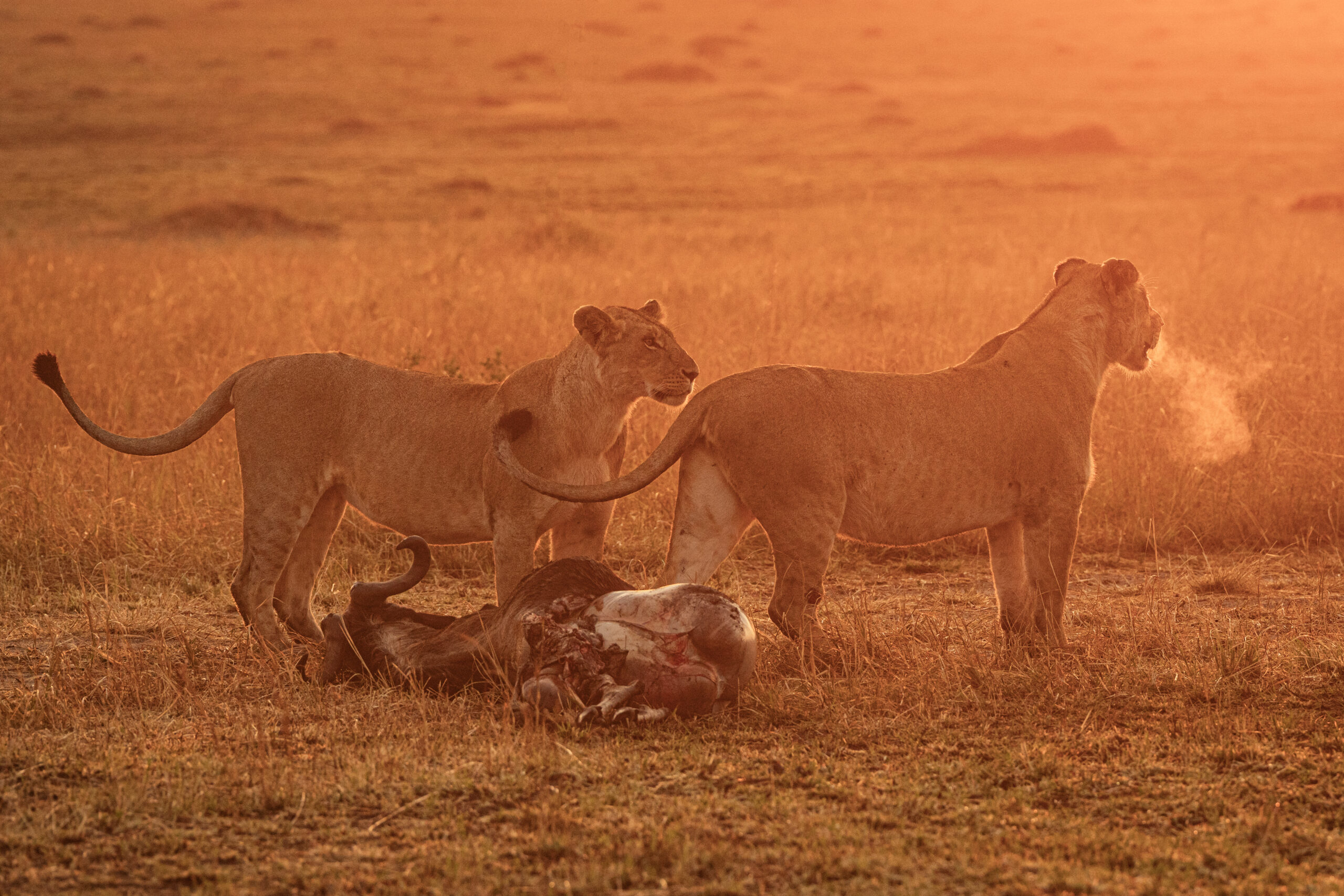
A wildlife photographer therefore learns to observe before photographing.
You study animal behaviour. You understand habitat. You watch the light. You anticipate movement. You wait.
Sometimes you may spend hours without making a single photograph.
And then, in a fraction of a second, everything comes together.
The animal looks in the right direction.
The light falls perfectly across its face.
The background becomes clean.
The posture tells a story.
The moment arrives.
Click.
But that click happened because you were ready.
The photograph was created through observation, patience and anticipation long before the shutter was pressed — the same discipline built through structured wildlife photography tours in the field.
Composition Comes Before the Camera
One of the biggest differences between a photographer and a photo clicker is the understanding of composition.
A photograph is not simply about what you include in the frame.
It is also about what you leave out.
Good composition guides the viewer’s eyes. It creates balance, tension, depth and emotion.
Sometimes the most powerful wildlife photograph isn’t the one showing the entire animal.
It may be a close-up of an eye.
A silhouette.
A paw stepping through dust.
A tiger disappearing behind tall grass.
Two elephants touching trunks.
A bird flying through an empty sky.
The photographer makes these decisions.
The camera simply records them.
Learn to Read Light
Photography literally means painting with light.
Yet many people concentrate heavily on cameras and lenses while paying very little attention to light.
A photographer learns to recognise beautiful light.
Early morning light can be soft and directional.
Evening light can create warmth and drama.
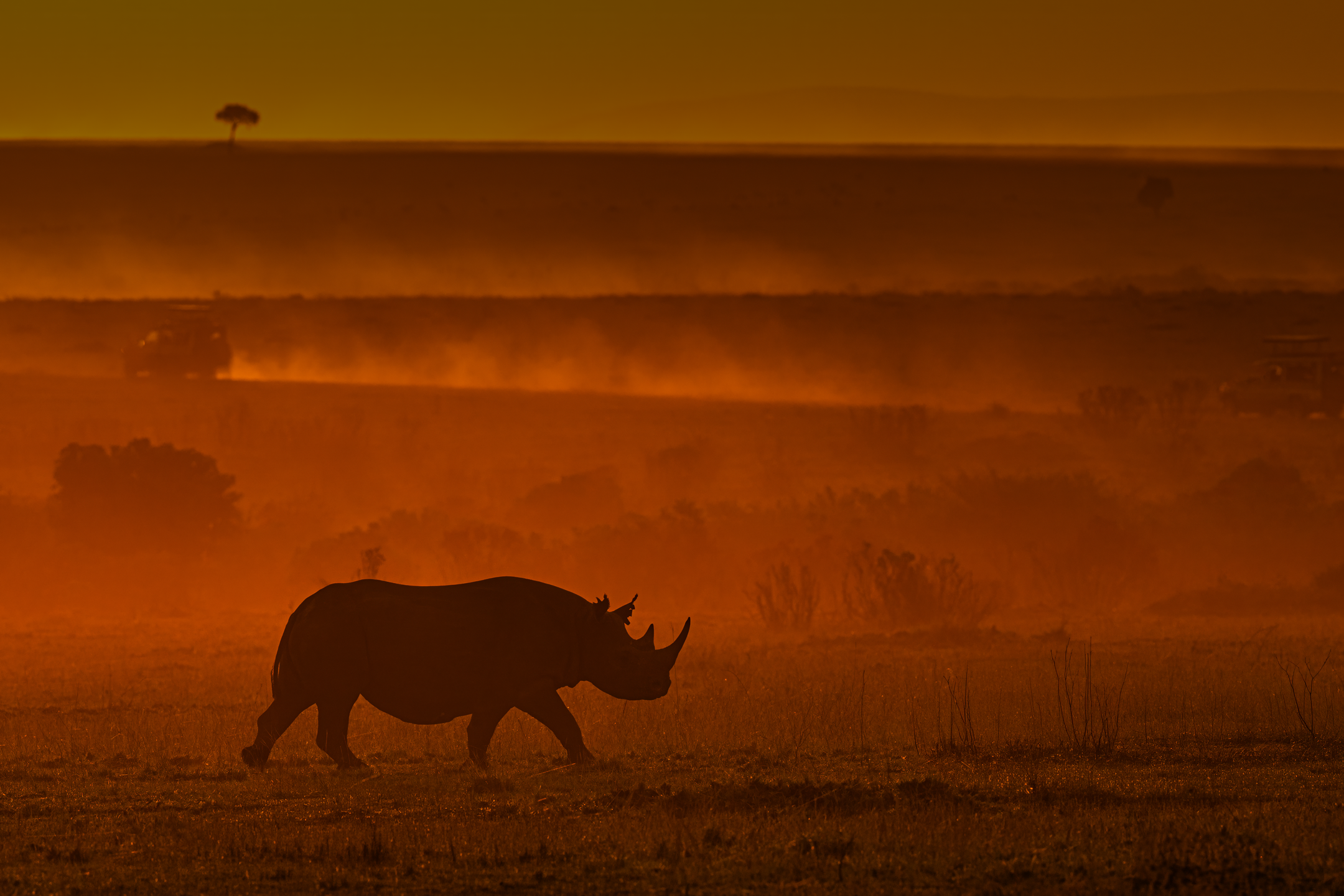
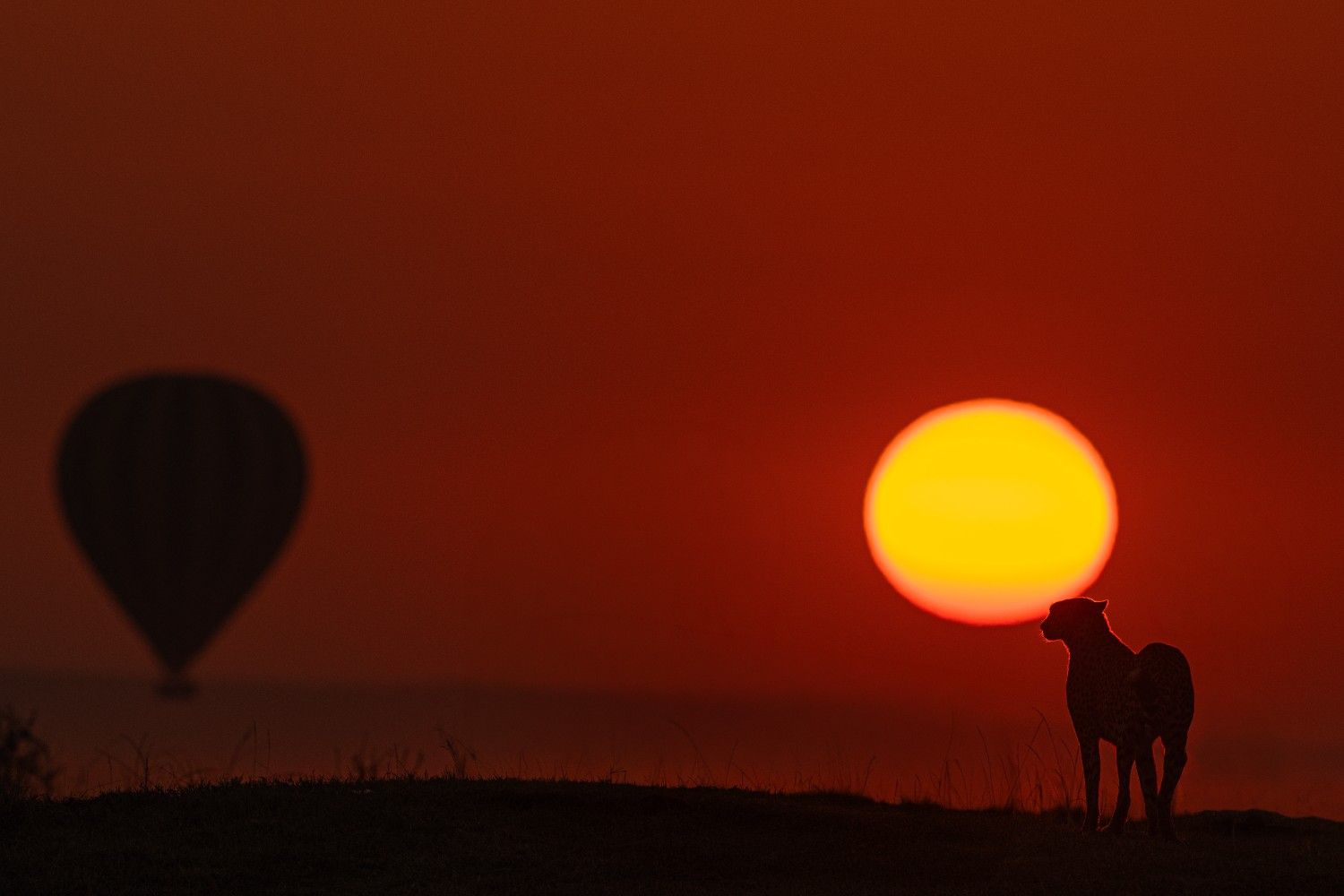
Backlight can transform an ordinary subject into a silhouette or create a beautiful rim of light around an animal.
Hard midday light can be challenging—but even difficult light can be used creatively.
The question isn’t always:
“Is the light good?”
A photographer asks:
“What can I create with the light I have?”
Don’t Chase Every Photograph
Another important lesson is learning when not to take a photograph.
Not every moment needs to become an image.
Not every animal needs to fill the frame.
Not every photograph needs to be dramatic.
Sometimes simplicity is more powerful.
A subject surrounded by negative space can communicate solitude.
A small animal against a vast landscape can communicate scale.
A quiet moment can be more memorable than an action shot.
Photography is not a competition to produce the maximum number of photographs.
It is about producing photographs that mean something.
Technical Knowledge Still Matters
Being a photographer doesn’t mean ignoring technology.
Quite the opposite.
A good photographer understands their equipment deeply.
You should know how shutter speed affects motion.
You should understand aperture and depth of field.
You should know how ISO affects exposure and image quality.
You should understand autofocus modes, metering, focal length and exposure compensation.
In wildlife photography, these technical decisions can make the difference between capturing the moment and missing it.
But technical knowledge should serve your vision—not replace it.
A perfectly exposed photograph can still be boring.
A technically imperfect photograph can sometimes be unforgettable.
Post-Processing Is Part of the Creative Process
Photography doesn’t necessarily end when you press the shutter.
Editing is another part of storytelling.
A photographer learns how to use tools such as Adobe Lightroom and Photoshop to refine an image while maintaining authenticity.
Cropping can improve composition.
Adjusting exposure can bring attention to the subject.
Contrast can add depth.
Colour can influence mood.
Selective adjustments can guide the viewer’s eye.
But editing should enhance the photograph—not manufacture a completely different reality.
Especially in wildlife photography, authenticity and ethics matter.
The goal should be to reveal what you saw and felt, not to create something that never existed.
A Photographer Tells Stories
The strongest photographs often make the viewer pause.
They create questions.
They communicate emotion without needing a paragraph of explanation.
A photograph of a tiger isn’t necessarily just a photograph of a tiger.
It can represent power.
Solitude.
Vulnerability.
Territory.
Survival.
A photograph of an elephant family can communicate relationships and protection.
A bird disappearing into the morning mist can communicate freedom.
That is the power of photography.
You are not merely photographing a subject. You are photographing a moment, an emotion and a story.
Stop Chasing Gear. Start Chasing Light.
Photography culture can sometimes become obsessed with equipment.
Which camera?
Which lens?
Which megapixels?
Which autofocus system?
Which tripod?
Which memory card?
Equipment matters—but it is not the photographer.
The best camera is the one that allows you to execute your vision.
Instead of constantly asking, “What equipment should I buy?”, spend more time asking:
“What can I see that others are missing?”
Go outside.
Study light.
Observe people.
Observe wildlife.
Understand composition.
Learn animal behaviour.
Experiment.
Make mistakes.
Review your work.
And photograph with intention.
Be a Photographer
Being a photographer is not about how many photographs you take.
It is about how deeply you see.
A photo clicker waits for something to happen and presses the shutter.
A photographer anticipates.
A photo clicker records.
A photographer interprets.
A photo clicker sees a subject.
A photographer sees a story.
A photo clicker owns a camera.
A photographer develops a visual language.
So the next time you pick up your camera, don’t ask yourself only:
“What should I click?”
Ask:
“What do I want to say?”
Because the real journey in photography begins when you stop merely taking pictures—and start making photographs.
Be a photographer.
Not just a photo clicker.
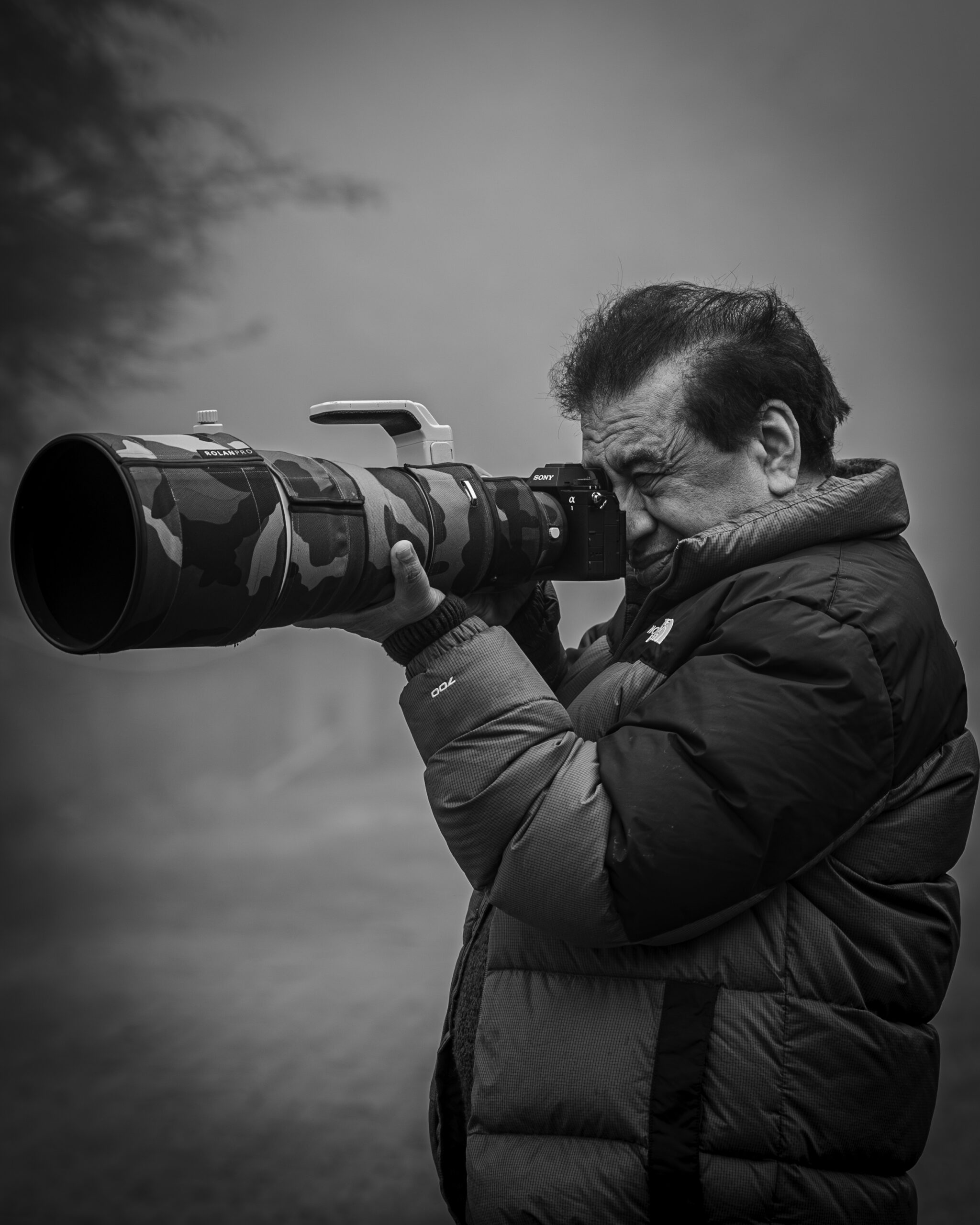
Yogesh Bhatia is a professional Wildlife photographer & mentor in India whose work reflects patience, observation, and a deep respect for nature. His journey in wildlife photography is shaped by countless hours in forests, observing animal behavior and waiting for moments that unfold naturally. Through his lens, wildlife is portrayed not just as subjects, but as living stories within their natural environment. His approach to Wildlife photography India focuses on authenticity rather than staged perfection, resulting in images that feel raw and immersive.