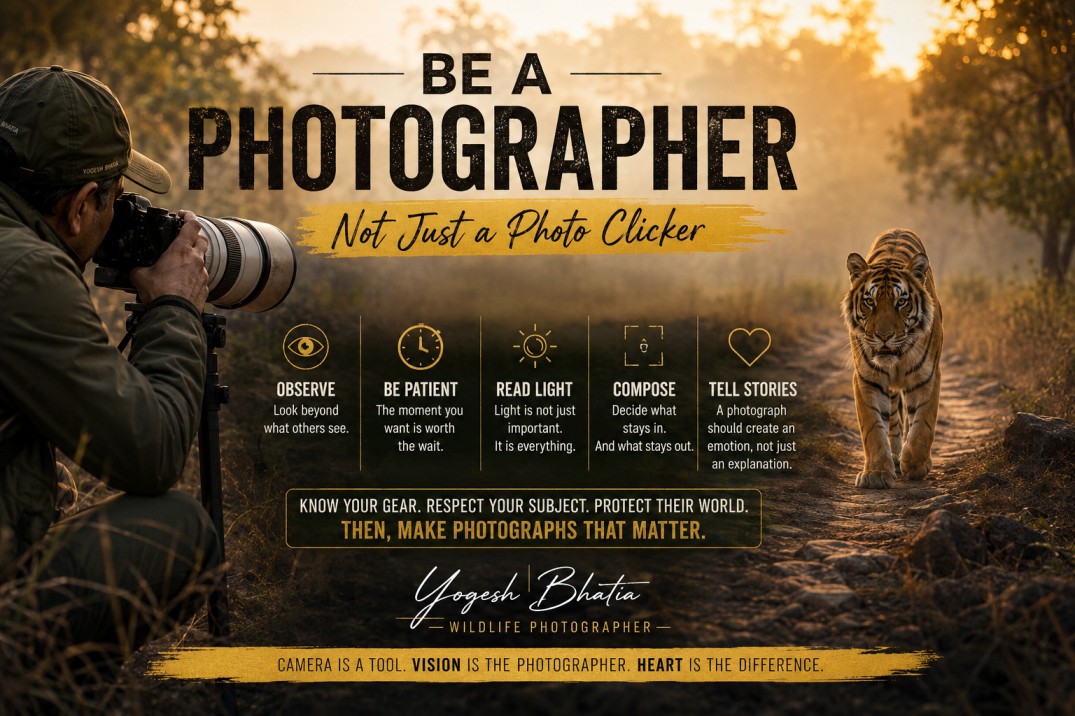
A tiger stepping out onto the track at sunrise looks the same through anyone’s viewfinder — until you watch what happens next. One vehicle snaps a quick shot and moves on to chase the next sighting. Another stays parked at a careful angle, engine off, waiting for the tiger to walk into better light with the camera already set for the shot.
That difference sums up the gap between a regular safari and a dedicated wildlife photography tour. Both put you in a national park in front of wild animals. Only one is actually built around getting an image you’d want to print, submit to a competition, or add to a serious portfolio.
If you’re planning a trip to Ranthambore, Jim Corbett, Kabini, or any of India’s other parks, knowing this difference before you book decides whether you come home with holiday snapshots or genuinely strong photographs.
What Sets a Wildlife Photography Tour Apart
A regular safari is built for sightseeing. You’re in a shared gypsy or canter with a naturalist whose job is to find and identify wildlife, follow park timings, and give everyone a fair chance at a view. It’s a great way to experience a park for the first time.
A wildlife photography safari, on the other hand, is planned around the camera, not just the sighting. Routes, seating, timing, and even group size are decided by what makes a strong photograph possible — space to change lenses, a clean angle without other vehicles in frame, and enough time at one spot to actually work the shot instead of just glimpsing it.
Key Differences Breakdown
Purpose & Pace
A standard safari is sighting-driven. If word comes in over the radio about wildlife near another gate, the vehicle moves — the goal is maximum coverage in a limited window.
A photography safari India trip runs the opposite way. Guides deliberately hold position at a promising spot, reading behavior and waiting for the animal to move into better light or a cleaner background, even if that means fewer total sightings for the day. Patience is the entire strategy, not a compromise.
Mentorship & Guidance
On a regular safari, your guide’s expertise is about wildlife location and park rules — genuinely valuable, but not focused on your camera settings.
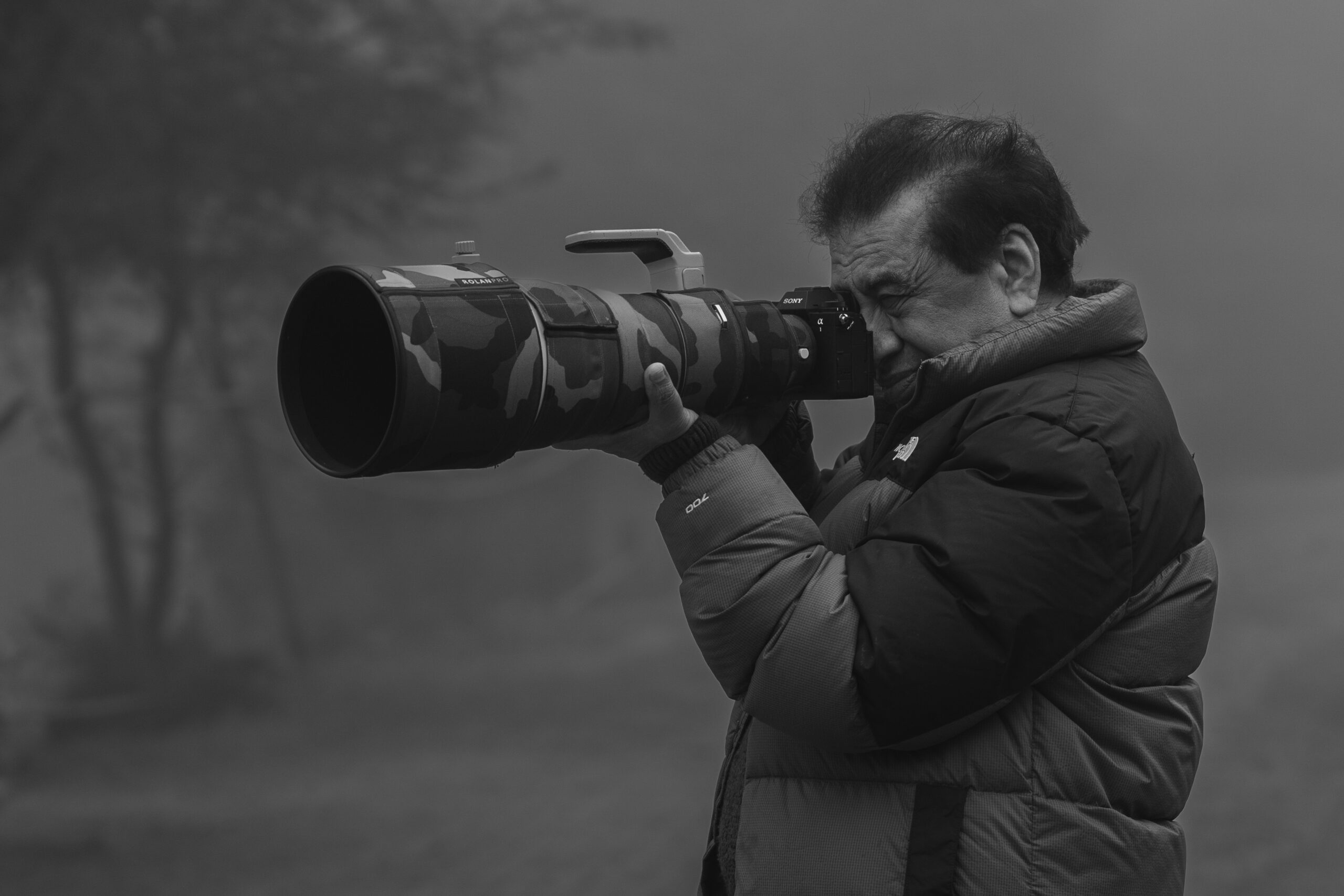
On a wildlife photography workshop, the person beside you is a working photographer who tells you, in the moment, to bump your shutter speed, switch focus mode, or recompose before the animal turns. That’s the difference between seeing wildlife and learning to photograph it well — something no amount of solo practice replicates at the same speed.
Vehicle & Seating Dynamics
A regular safari gypsy typically carries six guests, which means shared angles, elbows in the frame, and no real control over where you’re positioned relative to the light or subject.
Photography-focused tours cap seating at two to four photographers per vehicle, often with swappable low-angle seats, beanbag support for long lenses, and enough room to keep a second body or lens ready. If you’re still deciding on equipment, a guide to choosing the right camera and lens for wildlife photography is worth reading before you pack for either kind of trip.
Timing & Logistics
Regular safaris run on fixed park slots — early morning and late afternoon — and stick to standard routes regardless of light conditions on a given day.
Photography tours build the schedule around golden hour, adjusting drive routes based on where the light and the animal are likely to align. Guides tracking a specific subject — a tigress with cubs, a hunting leopard — will often plan consecutive safaris around that one story instead of spreading attention across the whole park.
Wildlife Photography Tour vs Regular Safari: Quick Comparison
| Parameter | Regular Wildlife Safari | Wildlife Photography Tour |
| Primary goal | See as much wildlife as possible | Capture well-composed, technically strong images |
| Pace | Covers multiple zones, keeps moving | Waits at one sighting for the right light or action |
| Guide | Standard driver-naturalist | Professional wildlife photographer + naturalist |
| Vehicle seating | Full vehicle, 6 shared seats | 2-4 seats, dedicated space for gear and angles |
| Timing | Fixed park safari slots | Slots planned around golden hour and light |
| Skill outcome | Great memories and sightings | Improved technique, portfolio-ready images |
| Best for | First-time visitors, families, casual travellers | Photographers, hobbyists, content creators, serious enthusiasts |
Which One Should You Choose?
The right choice comes down to budget, experience level, and what you actually want to take home.
- Choose a regular safari if this is your first visit to a national park, you’re travelling with family, or your main goal is simply experiencing wildlife in the wild.
- Choose a wildlife photography tour if you already own a DSLR or mirrorless setup and want real improvement — not just more sightings, but sharper, better-composed images.
- New to photography but serious about learning? Start with a structured wildlife photography workshop rather than a casual safari — the mentorship alone accelerates your learning curve by months.
- Planning around a specific park? Ranthambore photography workshop and Jim Corbett photography tour itineraries are both built with photographer-first vehicles and golden-hour timing rather than standard tourist slots.
- On a tighter budget or short on time? A regular wildlife safari tour package still gets you genuine sightings — just set expectations on image quality accordingly.
Conclusion: Taking a Photo vs Making One
Both experiences put you face to face with India’s wildlife, and neither one is wrong. A regular safari gives you memories — a story to tell, a sighting to remember. A wildlife photography tour gives you something you can hold onto in a different way: a frame you composed, waited for, and earned.
If you’re chasing a photograph rather than just a glimpse, the extra planning, the smaller vehicle, and the patient pace are exactly what get you there. Decide what you’re really after before you book — a memory, or a piece of art you made yourself.
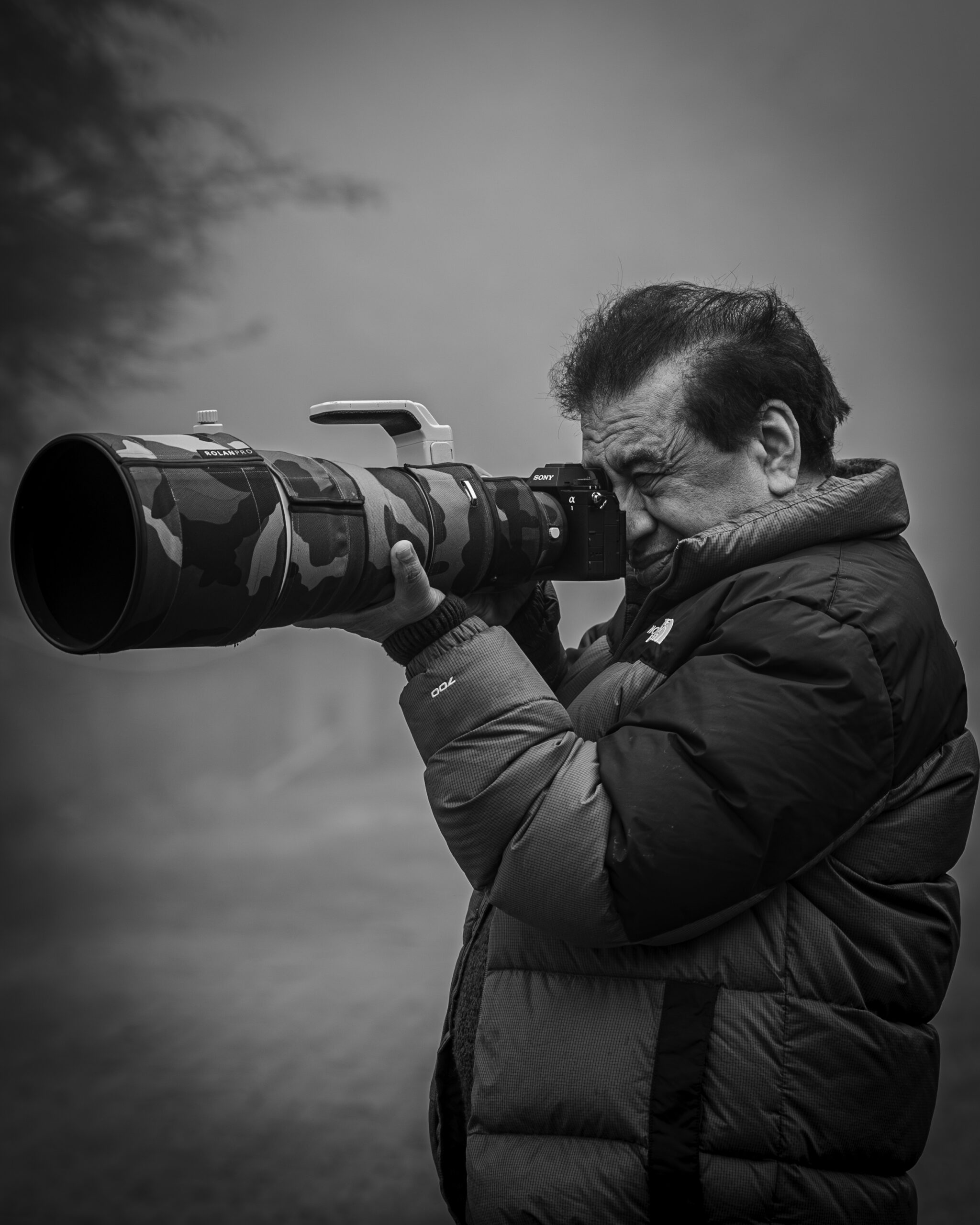
Yogesh Bhatia is a professional Wildlife photographer & mentor in India whose work reflects patience, observation, and a deep respect for nature. His journey in wildlife photography is shaped by countless hours in forests, observing animal behavior and waiting for moments that unfold naturally. Through his lens, wildlife is portrayed not just as subjects, but as living stories within their natural environment. His approach to Wildlife photography India focuses on authenticity rather than staged perfection, resulting in images that feel raw and immersive.