Introduction: The Camera World Has Shifted, But the Debate Isn’t Over
Walk into any camera store in 2026 and the shift is unmistakable, the DSLR shelf has shrunk to half its former size. Canon has stopped releasing new DSLR bodies. Nikon has moved entirely to its Z-series mirrorless lineup. Sony never looked back. And yet, thousands of photographers, from weekend enthusiasts in Delhi to seasoned pros shooting tigers in Ranthambore, still reach for their DSLRs every morning.
So what is really going on? The question of mirrorless vs DSLR which to buy in 2026 is not just a technical debate. It is a deeply personal decision shaped by what you shoot, your budget, and how much you value cutting-edge innovation versus proven reliability. If your focus is wildlife, capturing a tiger’s charge or a kingfisher’s mid-air dive, the choice matters even more, because the right camera and lens combination can directly determine your hit rate in the field.
In this guide, I am going to give you a clear, honest breakdown built on real field experience, no fluff, no brand loyalty, to help you make the right call in 2026.
Mirrorless vs DSLR: The Core Differences
At the heart of this debate is a single mechanical component. A DSLR (Digital Single-Lens Reflex) uses a mirror that reflects light from the lens up into an optical viewfinder. When you press the shutter, the mirror flips up, and light hits the sensor. It is an elegant system refined over decades.
Mirrorless cameras remove that mirror entirely. Light passes directly onto the sensor at all times, and the electronic viewfinder (EVF) shows you a live digital preview, with exposure, white balance, and depth of field already applied. Fewer moving parts, a smaller body, faster processing, and crucially for wildlife photographers, the option of a completely silent shutter.
Here is how they compare across the factors that matter most in 2026:
| Feature | Mirrorless (2026) | DSLR (2026) |
| Autofocus Speed | AI-driven animal/eye/bird tracking in real-time | Phase-detect AF, fast but limited subject tracking |
| Battery Life | 300–500 shots per charge (carry spares) | 600–1500+ shots per charge |
| Lens Ecosystem | Expanding fast; adapters work well with old glass | Massive, decades-old, affordable used lenses |
| Portability | Lighter, more compact bodies | Larger and heavier, especially with telephoto |
| Video | 4K/6K internal recording is standard | Limited 4K; outdated for serious video work |
| New Body Releases | All major 2024–26 launches are mirrorless | No new flagships from Canon or Nikon |
Pros & Cons: An Honest Field Breakdown
Mirrorless, The Case For
- AI autofocus that actually tracks animals: Sony’s Real-time Tracking, Canon’s Dual Pixel CMOS AF II, and Nikon’s 3D Tracking lock onto animal eyes and follow them through vegetation, across the frame, and in continuous burst at 30fps+.
- Lighter on long safaris: Less body weight means less fatigue across a full-day tiger safari or a multi-hour birding session at Bharatpur.
- Live exposure preview: The EVF shows you the final image before you press the shutter, no exposure surprises in harsh noon light or deep forest shade.
- Silent electronic shutter: Zero sound, zero mirror vibration, a complete game-changer for sensitive wildlife environments.
- Future-proof investment: Every major brand is pouring R&D exclusively into mirrorless. Buying now means long-term support and compatibility.
Mirrorless, The Drawbacks
- Battery life: Still the Achilles heel. Always carry at least 2–3 spare batteries on a full-day shoot.
- Higher body cost: Premium mirrorless bodies like the Sony A9 III or Canon R5 Mark II cost significantly more than equivalent DSLRs.
- EVF lag in extreme conditions: In very low light or rapid burst sequences, some electronic viewfinders show slight delay compared to an optical viewfinder.
DSLR, The Case For
- Outstanding battery life: A Nikon D850 or Canon 5D Mark IV can easily last an entire day on one charge, covering three safari drives without anxiety.
- Optical viewfinder with zero lag: Natural, real-time view that many photographers still prefer, especially in bright tropical sunlight where EVFs can wash out.
- Massive, affordable lens ecosystem: Decades of glass available at steep discounts. A used 500mm f/4 for a DSLR costs a fraction of its mirrorless native equivalent.
- Battle-tested reliability: DSLRs have been proven in every condition, monsoon forests, desert heat, subzero mountain passes. Their durability record is unmatched.
DSLR, The Drawbacks
- No new flagship releases: Canon and Nikon have effectively stopped DSLR development. What exists today is what you will work with for the foreseeable future.
- Limited animal tracking: Most DSLRs require more manual AF point selection during fast action, increasing the chance of missing the decisive moment.
- Loud mirror slap: That mechanical click is not just a nuisance, it startles sensitive wildlife and creates micro-vibration that reduces sharpness at long focal lengths.
Deep Dive: Wildlife & Bird Photography, Where This Debate Truly Matters
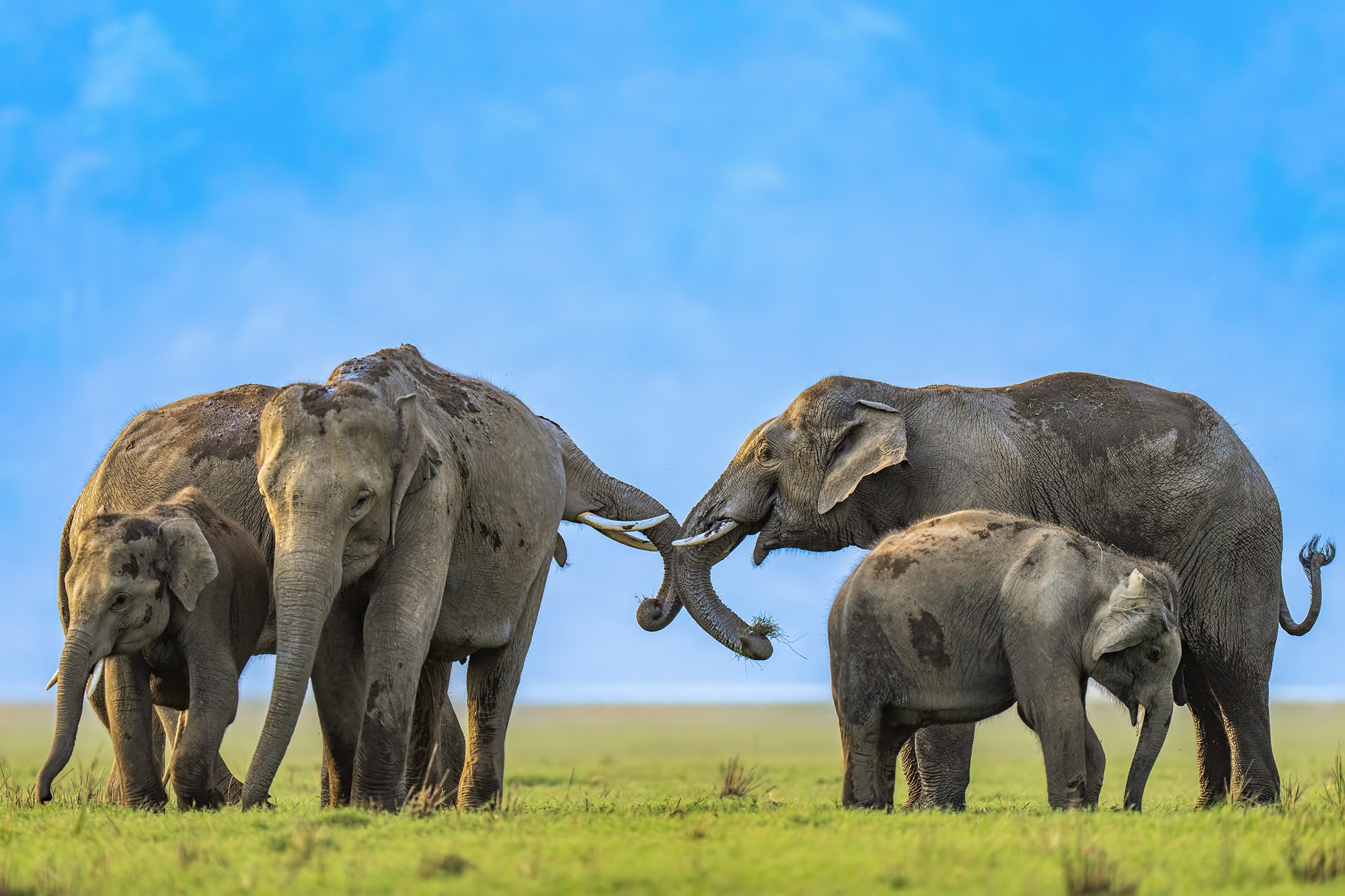
If you are a wildlife photographer, this section is the one you came for. The question of wildlife photography camera mirrorless or DSLR is not theoretical, it directly impacts how many sharp, well-timed frames you come home with from every safari. Having spent years photographing tigers in Ranthambore, elephants in Corbett, and birds across India’s forests, here is what real field use reveals:
1. Autofocus for Fast-Moving Subjects
When a leopard breaks into a sprint or a kingfisher dives for a fish, you have under half a second to react. This is where modern mirrorless systems are in a completely different league. The best mirrorless camera for wildlife photography, bodies like the Sony A9 III, Canon R5 Mark II, or Nikon Z9, uses AI-driven subject recognition that identifies animal eyes in real time, maintains lock through dense vegetation, and fires at up to 120fps without blackout. For mirrorless vs DSLR for bird photography specifically, the mirrorless edge in flight tracking is decisive, especially for erratic fliers like raptors, bee-eaters, and dragonflies that change direction unpredictably. If birds in flight are your primary subject, this single factor may resolve the entire debate for you. You can deepen your bird photography skills with the right optics by exploring the best telephoto lenses for bird photography in India.
2. Silent Shutter, A Game-Changer in the Field
I once watched a tiger freeze and look directly at a photographer the moment the DSLR mirror slapped during a quiet morning in the tall grass of Ranthambore. The moment was gone in an instant. Mirrorless cameras offer a fully electronic silent shutter, zero sound, zero vibration. This matters enormously when:
- You are within close proximity of a big cat or elephant
- You are photographing nesting birds that flush at any sound
- You are in a hide, boat, or any enclosed position where noise carries
- You need to fire 20–30 frames of a rare behaviour without alerting the subject
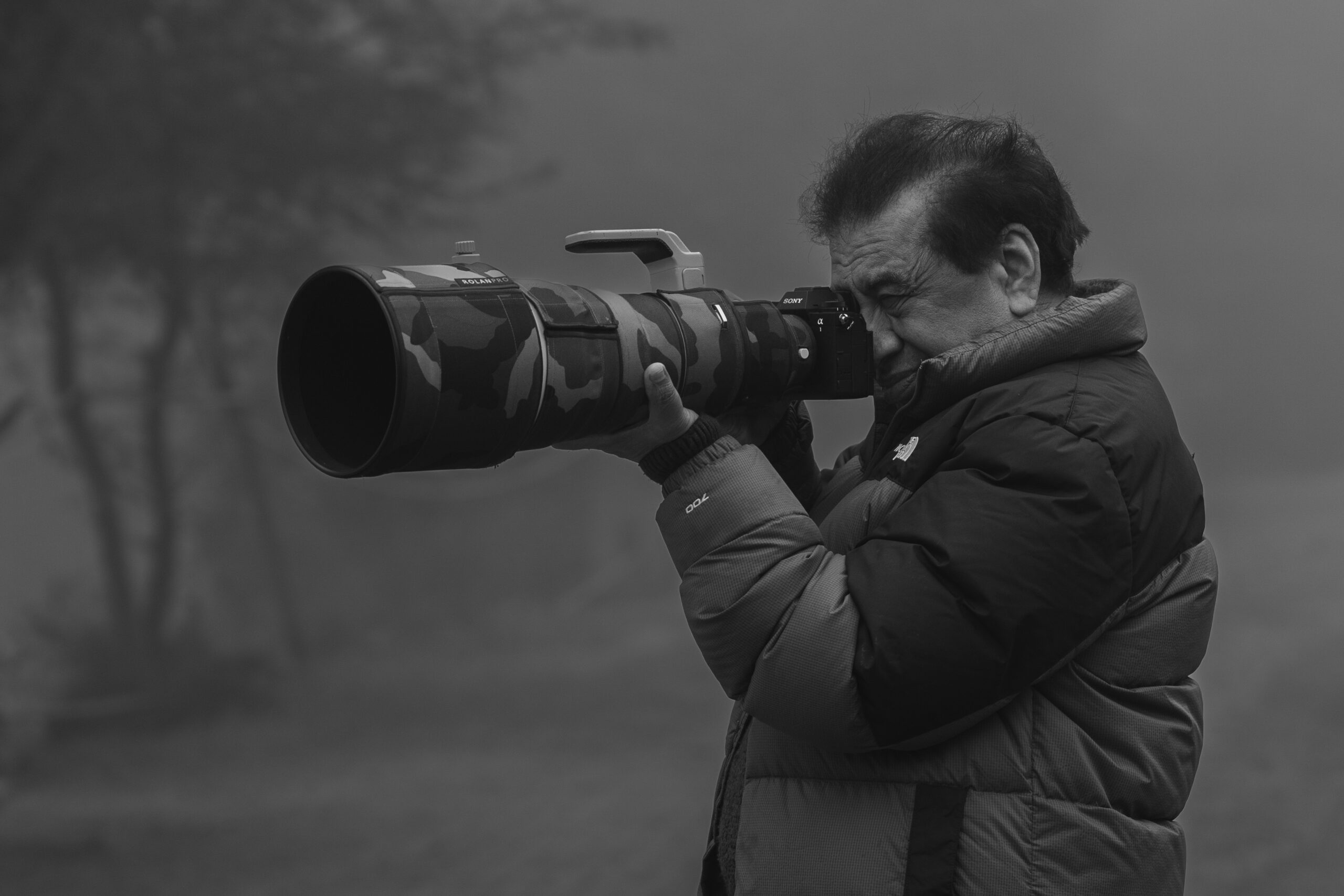
DSLR mirror slap is not just loud, the mechanical vibration can measurably reduce sharpness at long focal lengths above 400mm. Mirrorless eliminates both problems simultaneously. Photographers who have attended our wildlife photography workshops across India consistently report that switching to silent shutter mode was one of the single biggest improvements to their keeper rate in the field.
3. Low-Light Performance at Dawn and Dusk
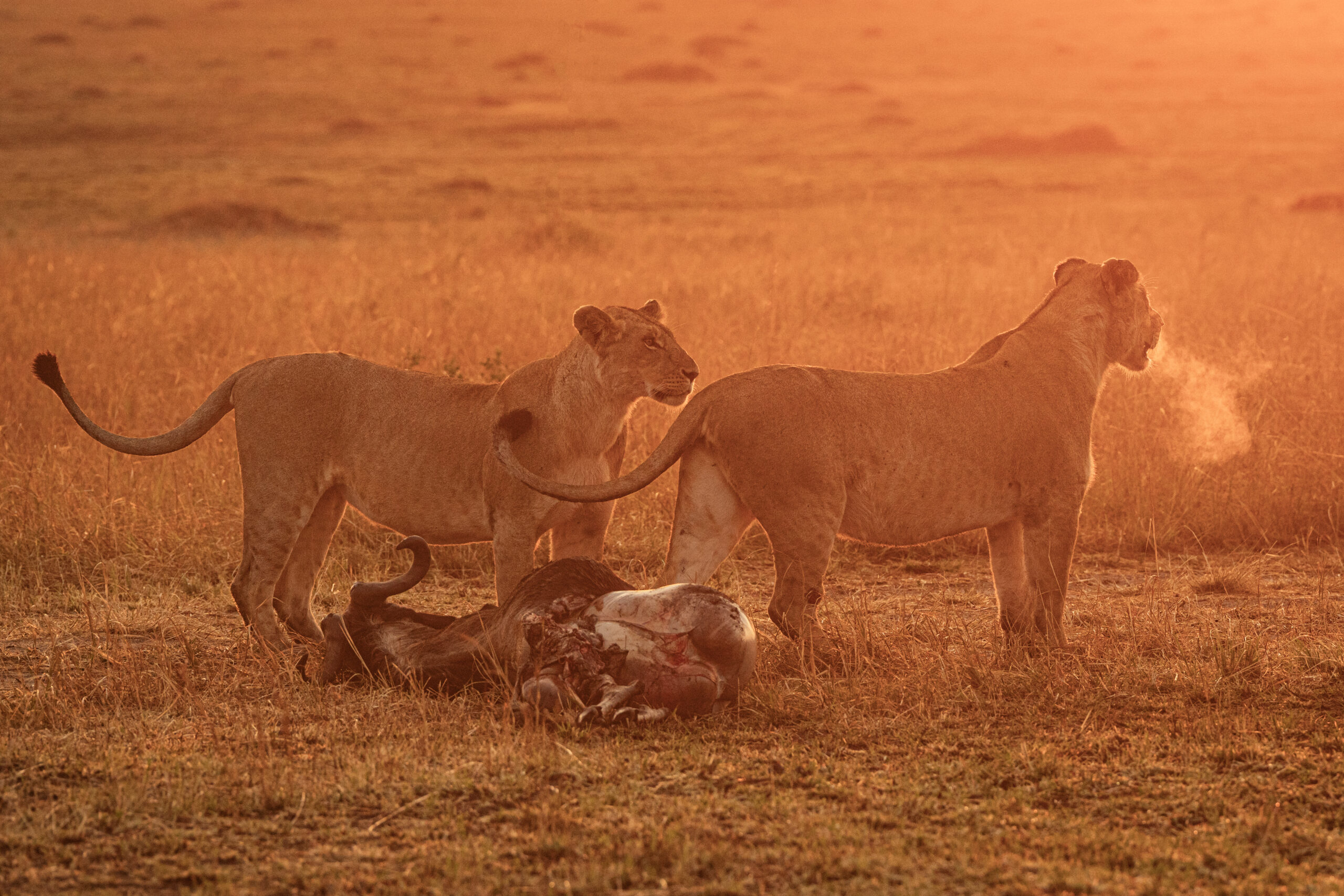
The golden hours are when wildlife is most active, and the light is at its most challenging. Both modern DSLRs and mirrorless cameras perform impressively at high ISO, but the latest mirrorless sensors, particularly Sony’s stacked CMOS sensors in the A9 III and A7R V, have a measurable advantage in read-out speed and noise management above ISO 6400. If you are shooting a tiger at ISO 8000 in the forest understorey at 6:30 am, that edge translates directly into usable, publishable images.
4. Weight and Endurance Over Full-Day Safaris
A full-day safari in Jim Corbett National Park or Ranthambore involves multiple drives across rough terrain, often with the camera and lens hand-held or rested on a beanbag for hours. A mirrorless body paired with a 500mm telephoto typically weighs 200–400g less than the DSLR equivalent. Over a five-day photography trip, like a dedicated Corbett vs Ranthambore tiger photography journey, that saved weight reduces fatigue and helps you shoot with steadier hands at the end of a long afternoon drive.
Top Camera Recommendations for Wildlife Photography in 2026
Best Mirrorless Cameras for Wildlife Photography
| Camera Body | Why It Works for Wildlife | Approx. Price (USD) |
| Sony A9 III | Global shutter; 120fps burst; zero blackout; best animal tracking | $5,999 |
| Canon EOS R5 Mark II | 45MP; deep learning animal AF; 8-stop IBIS; RAW burst | $4,299 |
| Nikon Z9 | 45MP; 20fps mechanical equivalent; outstanding bird tracking | $5,499 |
| OM System OM-1 Mark II | Best value pick; 120fps; weather-sealed; Micro 4/3 portability | $1,999 |
| Sony A7C II | Compact travel + wildlife hybrid; 33MP; AI subject recognition | $2,499 |
Best DSLR Cameras Still Worth Buying in 2026
There is still a very strong case for the best DSLR camera for photography 2026, especially on the used market, where prices have dropped dramatically since mirrorless took over the headlines. If you are just starting out or want a reliable second body, the used DSLR market offers exceptional value. Participants in our private one-on-one wildlife photography sessions frequently ask about this, and the honest answer is that a used Nikon D500 or Canon 7D Mark II in good condition will still produce stunning wildlife images in experienced hands.
| DSLR Body | Best For | Used Price (USD) |
| Nikon D850 | High-res wildlife + landscape; 45.7MP; exceptional dynamic range | $1,500–$2,000 |
| Nikon D500 | APS-C crop factor reach; 153-point AF; excellent bird + action tracking | $800–$1,100 |
| Canon 5D Mark IV | All-round reliability; great colour science; perfect first pro body | $1,200–$1,600 |
| Canon 7D Mark II | Budget bird photography; 65-point AF; 10fps burst; robust build | $500–$700 |
The Verdict: Which Camera Should You Actually Buy?
The honest, experience-driven answer depends entirely on who you are and what you shoot:
| Your Profile | Best Choice in 2026 |
| Beginner on a tight budget | Used DSLR (Nikon D500 or Canon 7D II), learn fundamentals without financial pressure |
| Enthusiast ready to upgrade | Entry mirrorless (OM-1 Mark II or Sony A7 IV), AI AF and future-proof ecosystem |
| Serious wildlife / bird photographer | Mirrorless (Sony A9 III, Canon R5 II, Nikon Z9), silent shutter + AI tracking are non-negotiable |
| Travel + wildlife hybrid shooter | Compact mirrorless (Sony A7C II or Canon R8), versatile, light, capable |
| Pro wanting resolution + speed | Canon R5 Mark II or Sony A7R V, detail, dynamic range, and tracking in one body |
The best mirrorless camera 2026 is the one that fits your shooting style, subject matter, and budget. But for anyone serious about wildlife, particularly birds in flight, big cats on the move, or rare behavioural moments, mirrorless is no longer simply the better choice. It is the only logical choice.
DSLRs are not dead. They are just no longer at the cutting edge. And on a safari where milliseconds and absolute silence determine whether you capture the decisive frame, you want every advantage available. If you want to learn how to extract the maximum from your camera, mirrorless or DSLR, through guided practice in real forests with real wildlife, explore the upcoming photography workshops and corporate programmes run by Yogesh Bhatia across India’s finest national parks.
And if you are actively building your skills as a wildlife photographer, this article on why learning wildlife photography techniques is essential for stunning images is the natural next read, because the best camera in the world is only as good as the person holding it.
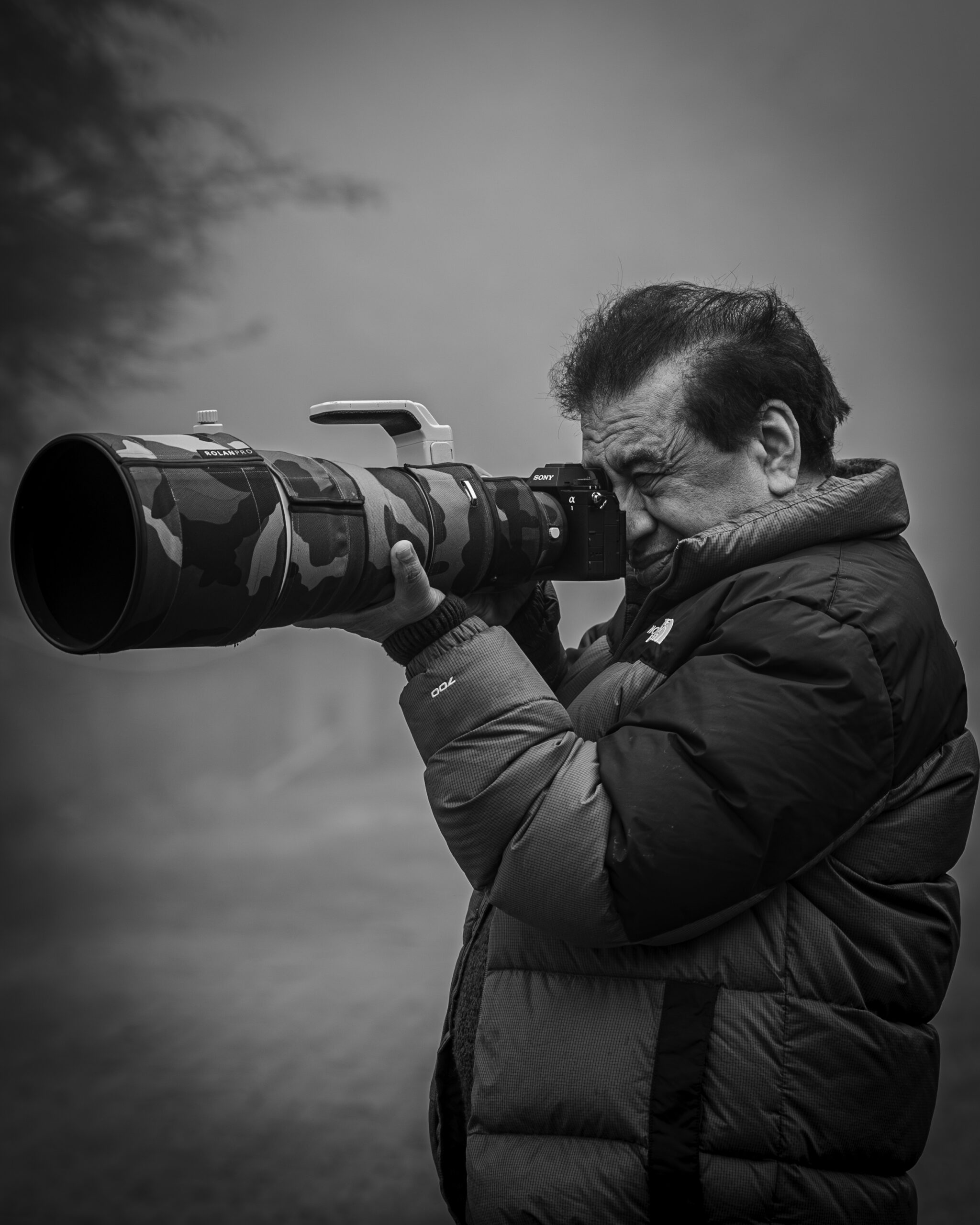
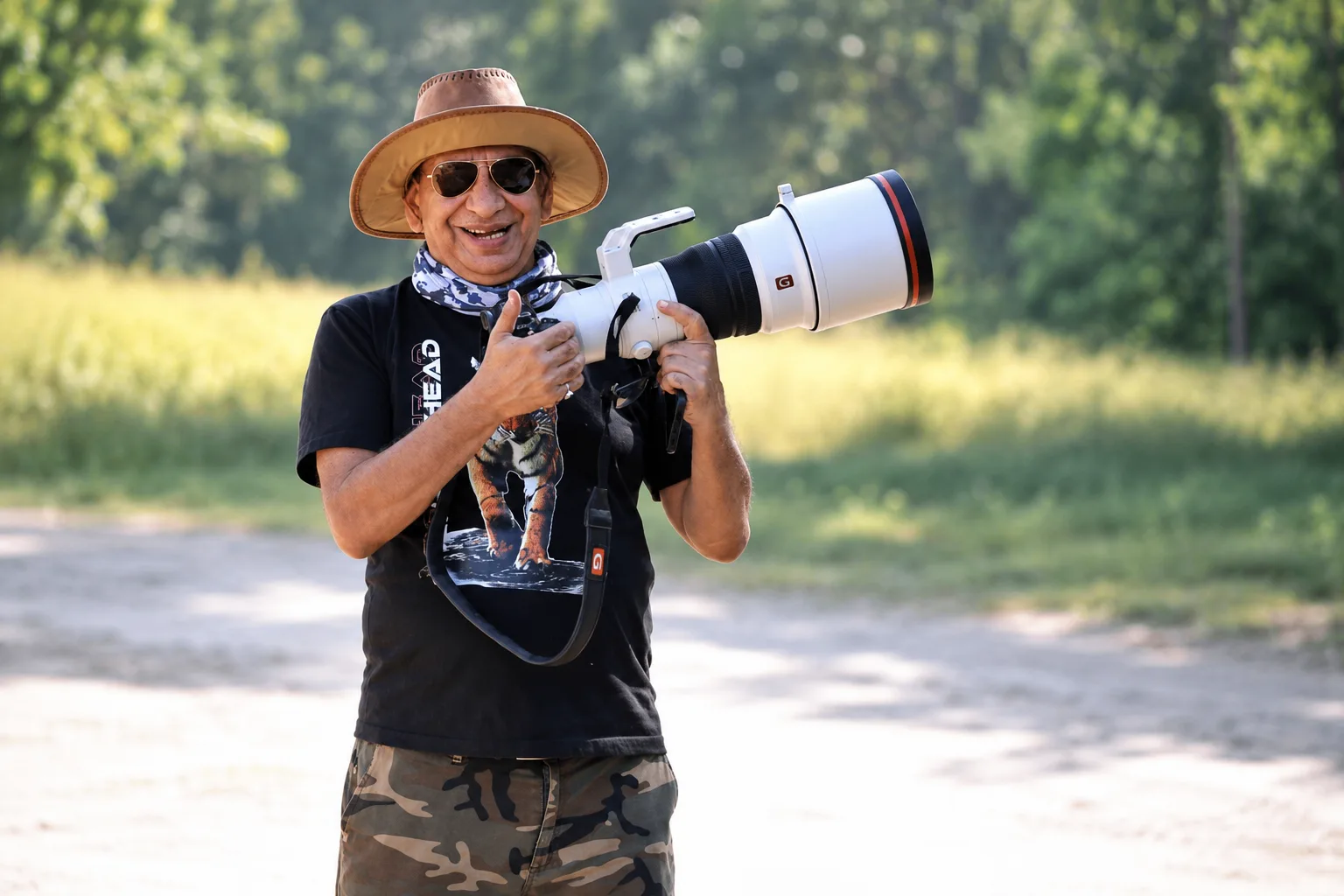
Yogesh Bhatia is a professional Wildlife photographer & mentor in India whose work reflects patience, observation, and a deep respect for nature. His journey in wildlife photography is shaped by countless hours in forests, observing animal behavior and waiting for moments that unfold naturally. Through his lens, wildlife is portrayed not just as subjects, but as living stories within their natural environment. His approach to Wildlife photography India focuses on authenticity rather than staged perfection, resulting in images that feel raw and immersive.