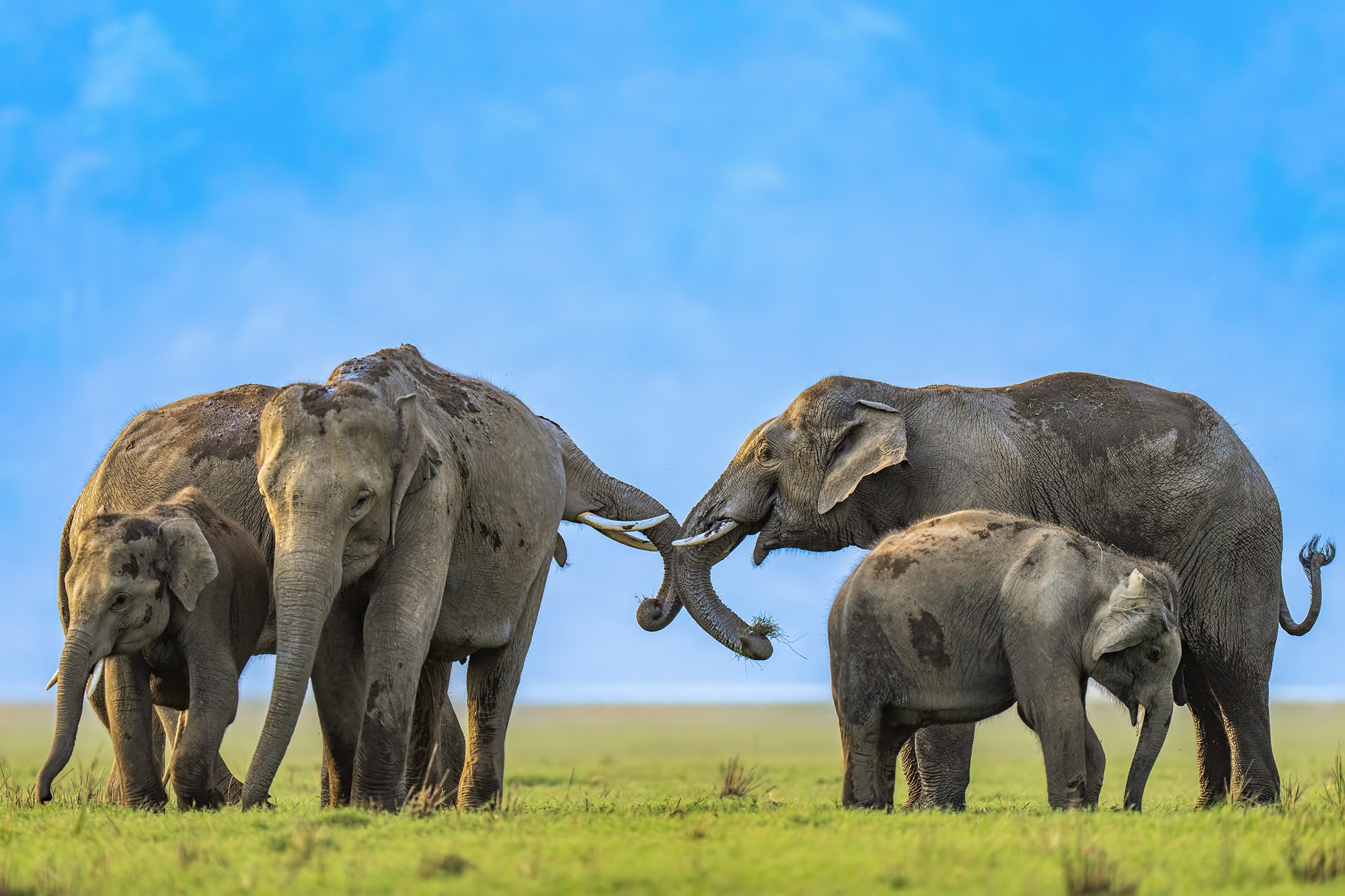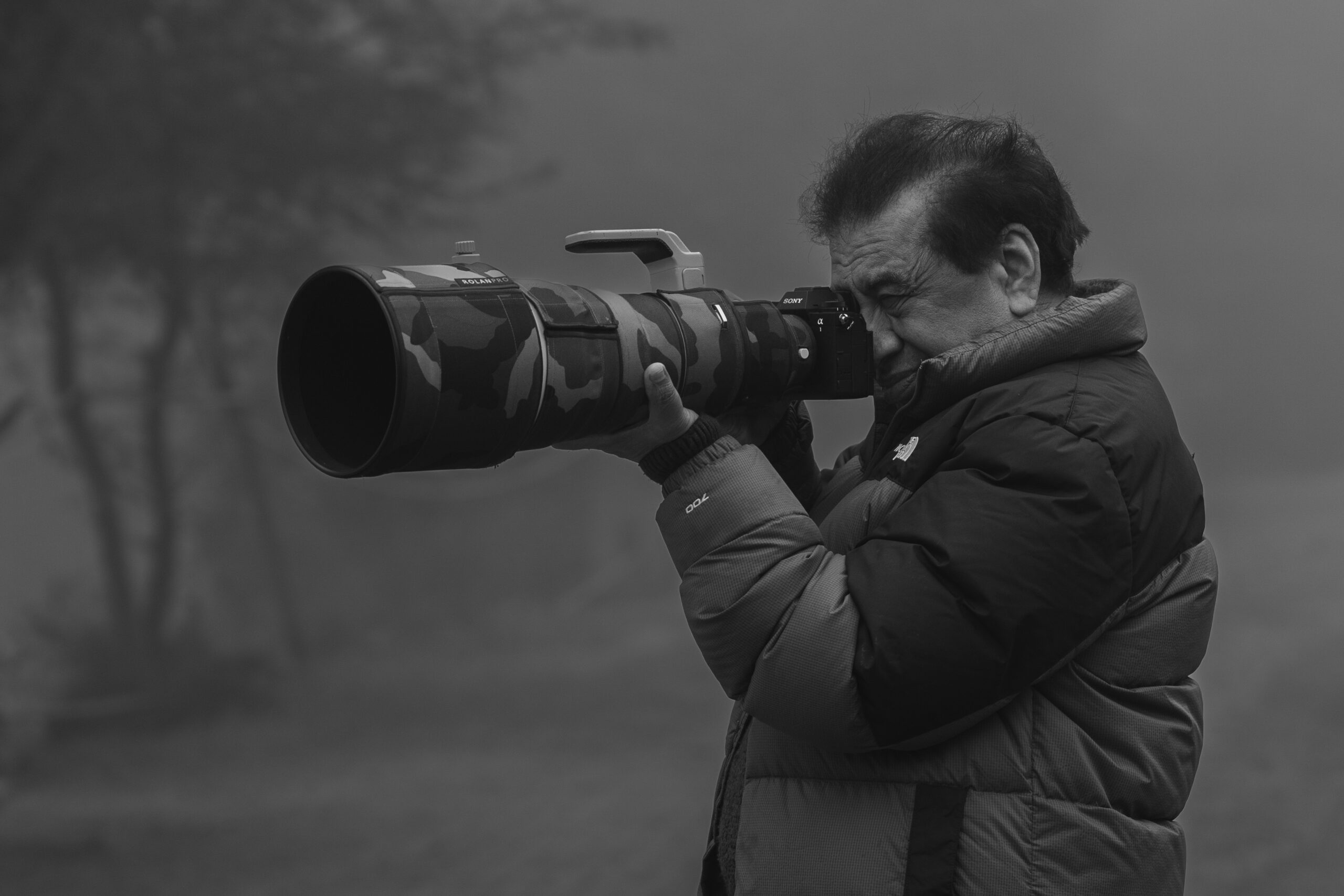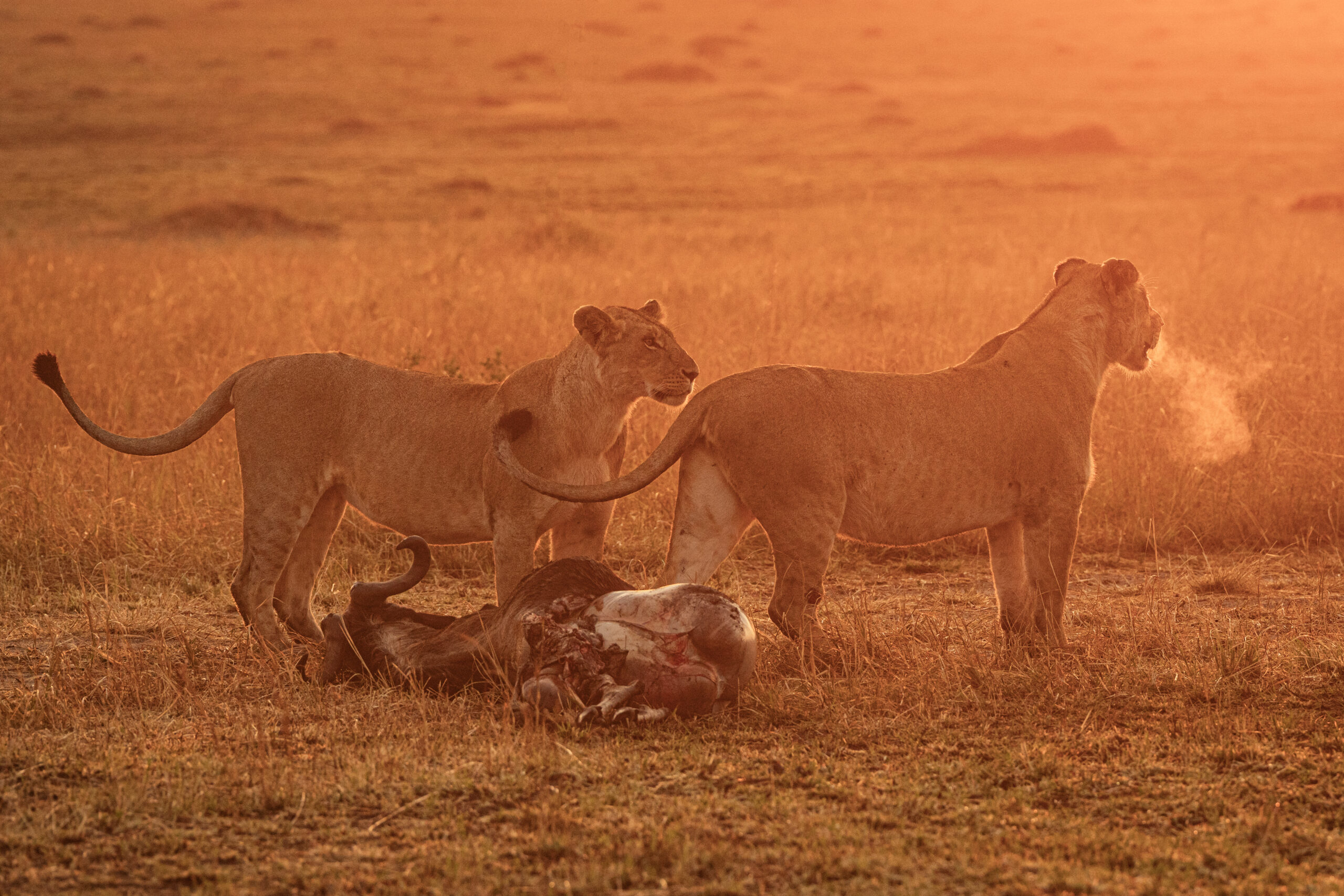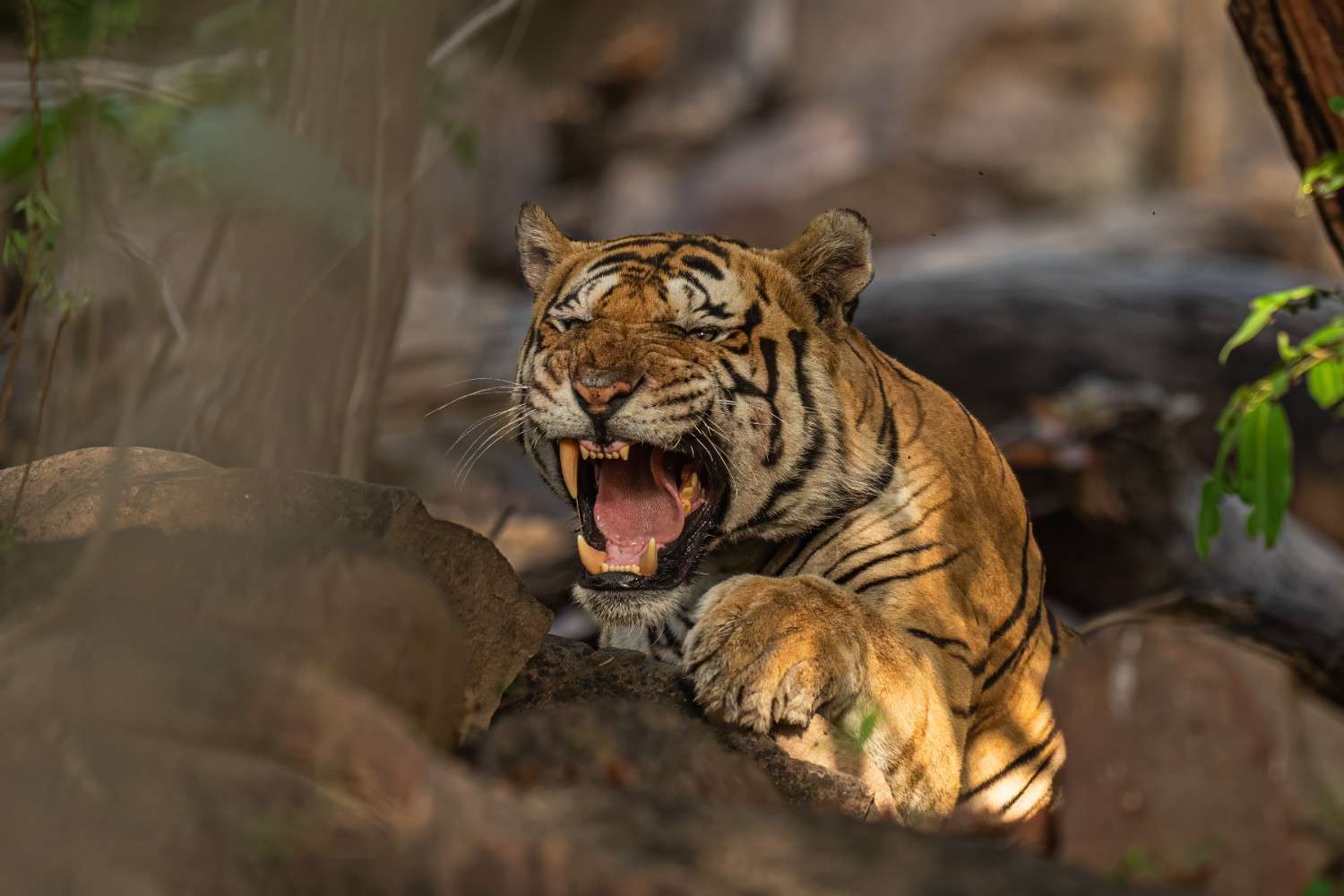
In 2009, Panna Tiger Reserve had zero tigers left. Poaching had wiped out the entire population, and conservationists faced a decision most parks never have to make: rebuild from nothing or accept the loss. What followed is one of India’s most remarkable conservation comebacks, relocated tigers, careful monitoring, and a habitat given time to heal, resulting in a thriving population today.
That comeback story is only half of why Panna deserves your attention. While Ranthambore and Bandhavgarh fill up with jeeps every winter, Panna tiger reserve photography still happens across gorges, teak forests, and river cliffs with a fraction of the crowd. Fewer vehicles means more time watching light change across the landscape instead of jostling for a viewing angle.
There’s also a practical upside to visiting a park still building its reputation: guides here have grown alongside the tiger population, tracking individual animals and their territories with the same close attention you’d expect from a more famous reserve, but without the pressure of managing dozens of competing vehicles at every sighting.
This Panna safari guide covers exactly what makes the park different, its terrain, its wildlife, its boat safaris, and the practical logistics you need to plan a trip around it.
Why Panna Is a Photographer’s Paradise
Landscape Diversity: Gorges, Teak Forests, and Open Plateaus
Panna’s terrain is unlike most central Indian reserves. The Ken River cuts through dramatic gorges, creating a backdrop of exposed sandstone cliffs that no other major tiger reserve offers. Beyond the gorge, dense teak forest gives way to open plateaus, meaning your lighting and framing options change dramatically within a single safari.
- Gorge sections: dramatic vertical rock faces and deep shadow, ideal for environmental portraits with strong negative space.
- Teak forest: filtered, dappled light through the canopy, well suited to close-range behavioural shots.
- Open plateaus: wide, uninterrupted sightlines perfect for habitat shots and golden-hour silhouettes.
Because these three terrains sit so close together, a single day’s safari can move you from misty gorge-top light in the morning to dappled forest shade by mid-morning to open, hard-edged plateau light by afternoon, a range most single-terrain reserves can’t offer in one trip.
Birding and the Famous Vulture Cliffs
Panna’s sandstone cliffs host nesting colonies of long-billed and Egyptian vultures, a sight very few Indian reserves can offer. Photographing nesting raptors against a cliff face, alongside a wide range of aquatic and woodland birds along the Ken River, gives Panna a birding dimension that pure tiger-focused reserves simply don’t have.
- Vulture canyons: dedicated cliff-nesting zones where long lenses can capture raptors in flight and at rest without disturbing the colony.
- River birdlife: kingfishers, storks, and waterfowl concentrate along the Ken’s banks, especially in early morning light.
Ken River Boat Safaris: A Different Kind of Frame
Few Indian tiger reserves offer a boat safari, and Panna’s Ken River route is genuinely distinctive. Drifting quietly along the water puts you at eye level with mugger crocodiles basking on the banks, opens up unusual low-angle compositions, and occasionally rewards photographers with tigers drinking at the river’s edge, a frame you simply cannot get from a jeep.
- Action opportunities: mugger crocodile basking and hunting behaviour, aquatic bird activity, and riverside tiger sightings during warmer months.
- Compositional advantage: the low, level perspective from a boat creates far more intimate framing than the elevated view from a jeep.
Key Species to Photograph in Panna
- Tigers: the park’s recovery story means healthy, well-monitored territories across both major zones.
- Leopards: more frequently seen in rocky, broken terrain near the gorge edges.
- Sloth bears: active around rocky outcrops and fruiting trees, particularly in the hotter months.
- Striped hyenas: a rarer sighting, but Panna is one of the more reliable central Indian parks for them.
- Gharials and mugger crocodiles: best photographed during the Ken River boat safari, basking along the banks.
Beyond these headline species, Panna’s mixed terrain supports chital, sambar, nilgai, and a strong population of langurs, whose alarm calls are often the first clue guides use to locate a moving tiger or leopard.
Photography-Focused Safari Planning & Logistics
Best Seasons and Light Conditions
- Winter (November–February): early morning mist over the gorge creates atmospheric, layered frames, though wildlife activity picks up slightly later in the morning due to the cold.
- Summer (April–June): harsh but predictable, heat concentrates wildlife around waterholes and the riverbank, giving photographers more reliable action shots despite tougher shooting conditions.
Safari Zones and Route Recommendations
- Hinouta zone: closer to the gorge and vulture cliffs, best for landscape-heavy and raptor photography.
- Madla zone: more consistent tiger movement and open plateau terrain, better suited to dedicated tiger safari photography.
Alternating between zones across a multi-day trip gives you both the dramatic gorge frames and the higher-probability tiger encounters, rather than committing to just one type of shot.
Recommended Gear
- River and open plateau: a 100–400mm zoom covers most boat safari and open-terrain situations without excessive weight.
- Dense jungle sections: a shorter, faster lens (70–200mm f/2.8) helps in the teak forest’s lower light.
- Dust protection: Panna’s plateau sections get dusty in summer, carry a rain cover or dust hood even on clear days.
- Gorge light settings: use spot metering near the cliffs, where bright sky and deep shadow sit in the same frame, and bracket exposures when possible.
For a deeper breakdown of lens and body choices across terrains like this, see this guide to the best camera and lens for wildlife photography.
At-a-Glance: Panna Tiger Reserve Quick Reference
| Parameter | Details |
| Best Months | November to March (peak light and mist); April to June (waterhole action) |
| Key Species | Tigers, leopards, sloth bears, striped hyenas, gharials, mugger crocodiles |
| Safari Type | Jeep safari (Madla/Hinouta zones) and Ken River boat safari |
| Top Photography Zone | Hinouta zone for gorge and vulture-cliff frames; Madla for consistent tiger movement |
| Nearby Hubs | Khajuraho (nearest airport, ~25 km) and Satna railway station (~75 km) |
If you’d like this entire itinerary planned for you, the Panna Tiger Reserve photography tour covers both zones, the boat safari, and vulture-cliff access across a structured multi-day trip.
Conclusion: A Reserve Worth Discovering
Panna’s comeback from zero tigers to a stable, photographable population is more than a conservation footnote, it’s proof that patient, well-managed recovery works. For photographers, that recovery has produced a reserve with dramatic gorges, rare vulture colonies, and a boat safari unlike anything else in central India, all without the overcrowding of better-known parks.
Approach it the way you would any thriving habitat: keep your distance, follow your guide’s lead near nesting cliffs and denning sites, and prioritise the animal’s comfort over any single frame. Book your zones early, pair a jeep safari with the Ken River boat route, and give Panna the multi-day trip it genuinely deserves.
A park that rebuilt itself from nothing deserves photographers who treat it with the same patience its conservationists did, slow down, watch the light change across the gorge, and let the sightings come to you rather than chasing every rumour of movement on the radio.
For broader trip options across Panna and other reserves, explore the full range of wildlife photography tours in India, or check current wildlife photography packages to compare durations and pricing before you book.
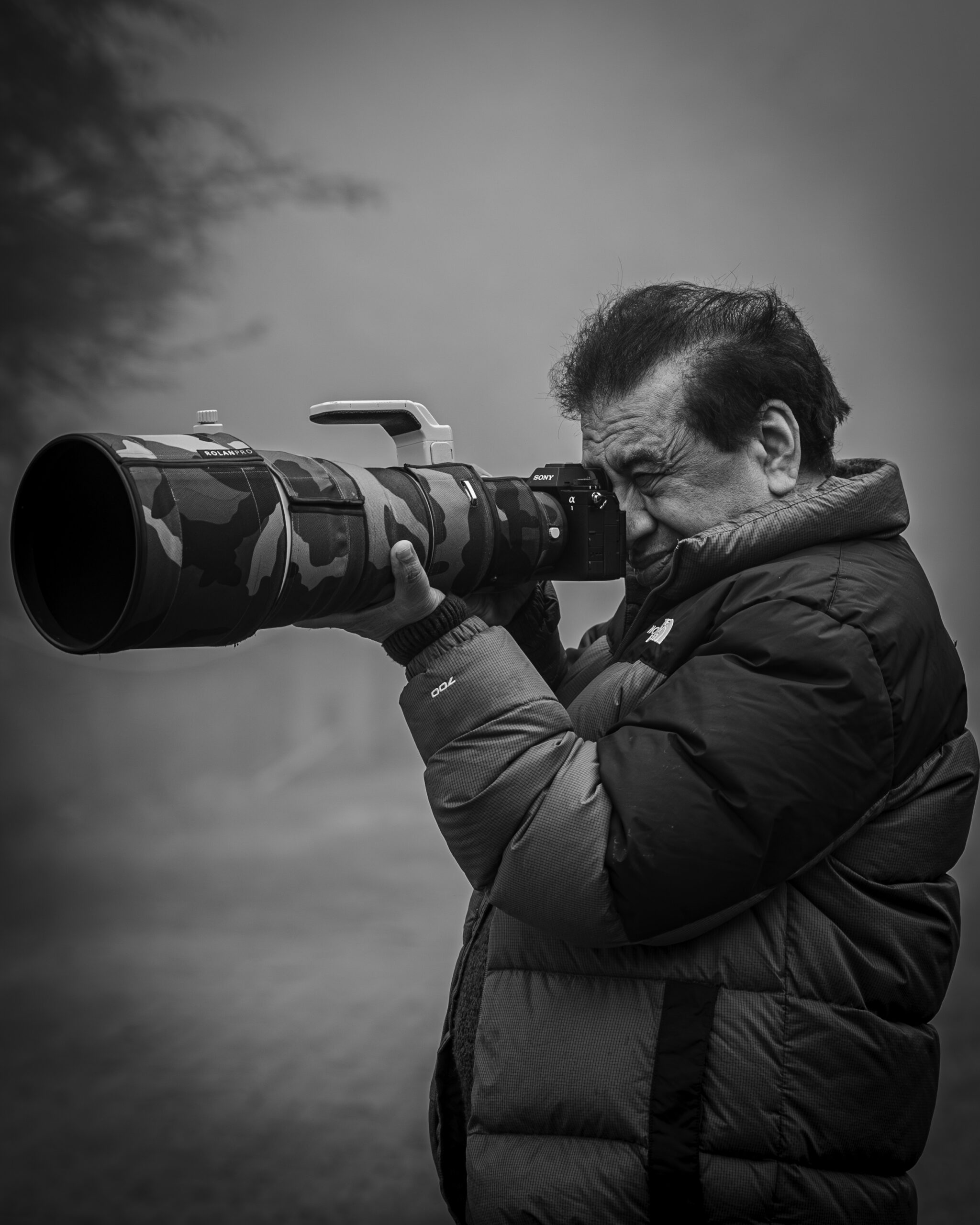
Yogesh Bhatia is a professional Wildlife photographer & mentor in India whose work reflects patience, observation, and a deep respect for nature. His journey in wildlife photography is shaped by countless hours in forests, observing animal behavior and waiting for moments that unfold naturally. Through his lens, wildlife is portrayed not just as subjects, but as living stories within their natural environment. His approach to Wildlife photography India focuses on authenticity rather than staged perfection, resulting in images that feel raw and immersive.