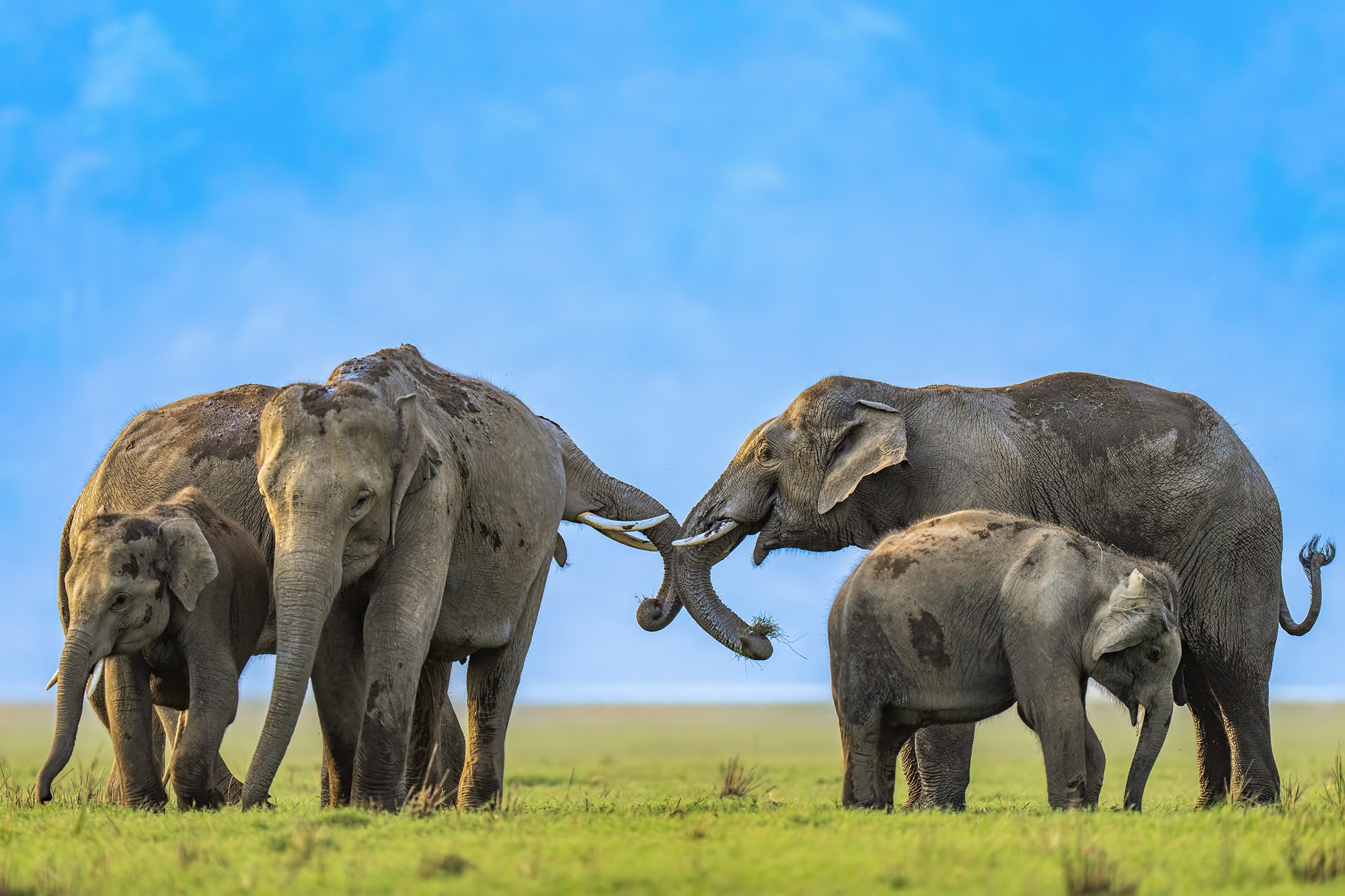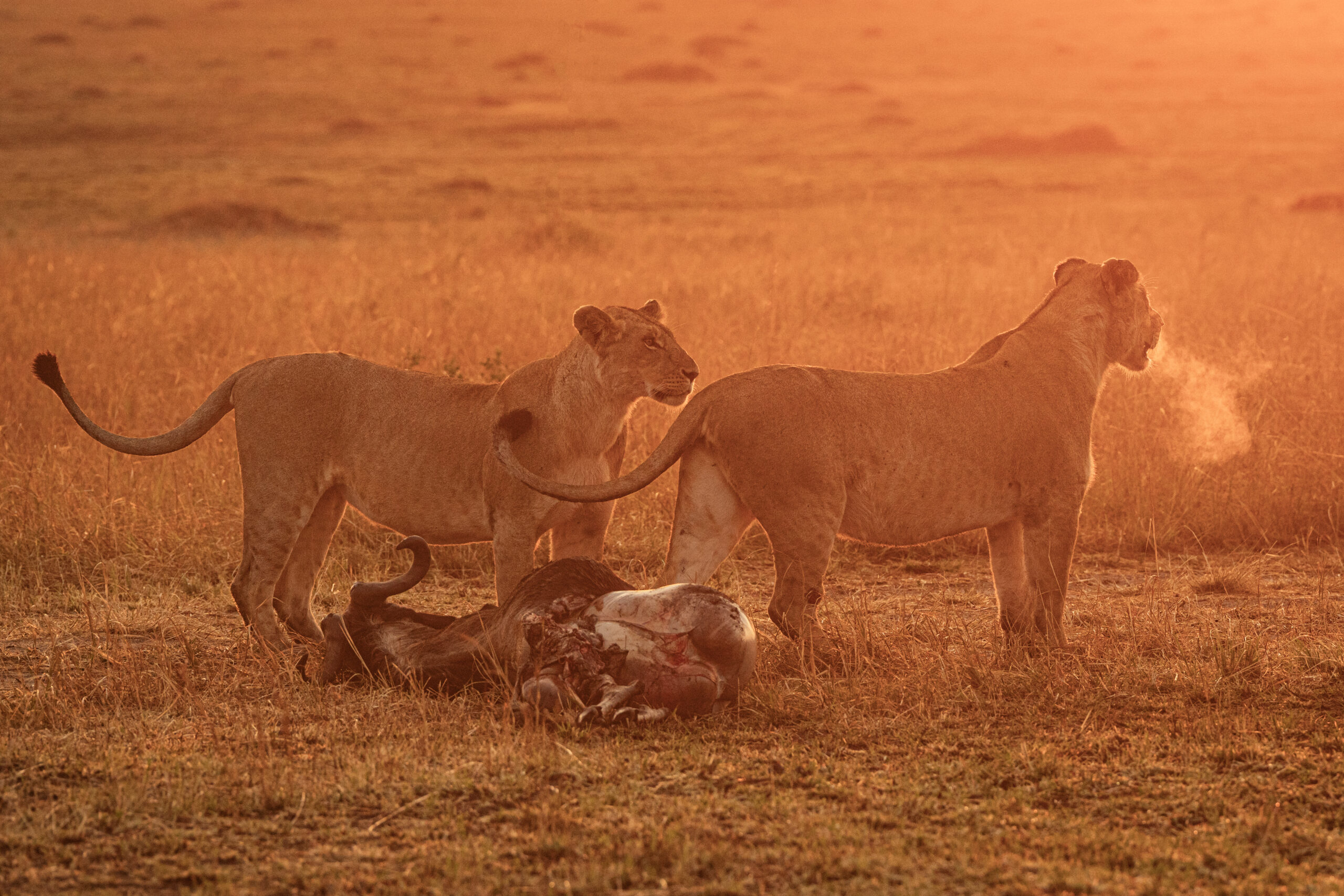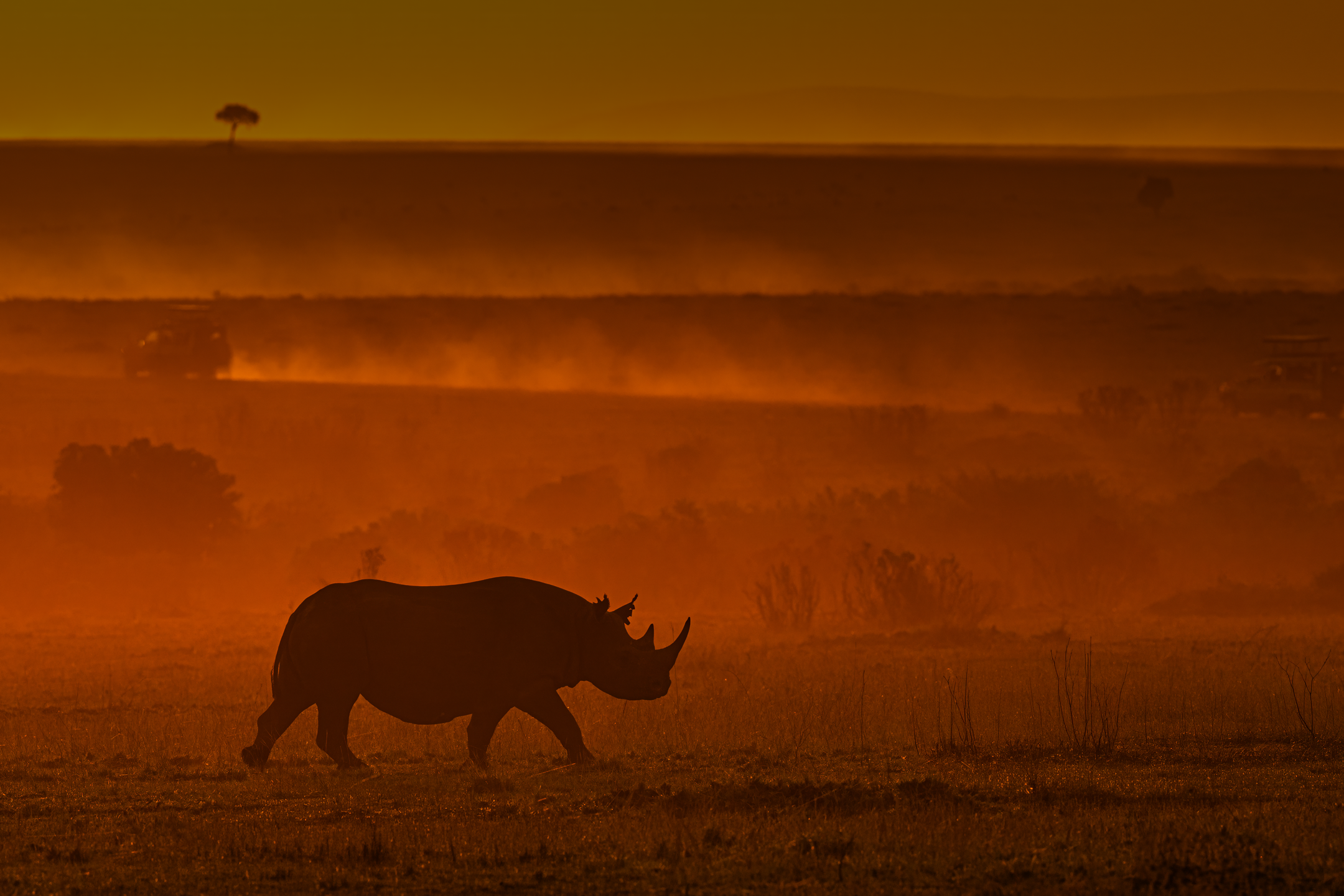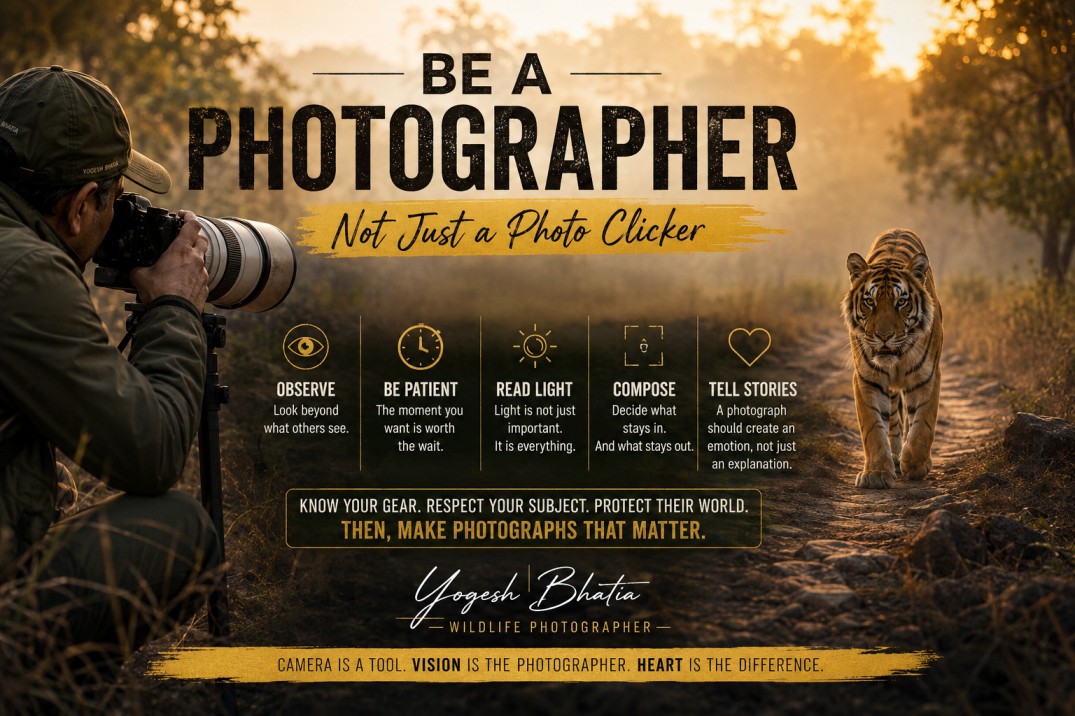
Wildlife photography is often misunderstood as luck—being in the right place at the right time. But in reality, great wildlife images are created through learning, practice, and deep understanding of techniques.
If you want to consistently capture powerful and storytelling images, mastering wildlife photography techniques is not optional—it is essential.
What is Wildlife Photography?
Wildlife photography is the art of capturing animals in their natural habitat while telling a visual story. It requires a combination of:
- Technical camera knowledge
- Understanding animal behavior
- Strong composition skills
Without learning these elements, most photographs remain simple sightings rather than impactful images.
1. Learning Animal Behavior Improves Your Photography
One of the most important wildlife photography techniques is understanding animal behavior.
When you learn how animals behave, you can:
- Predict movement and interaction
- Anticipate action before it happens
- Capture rare and emotional moments
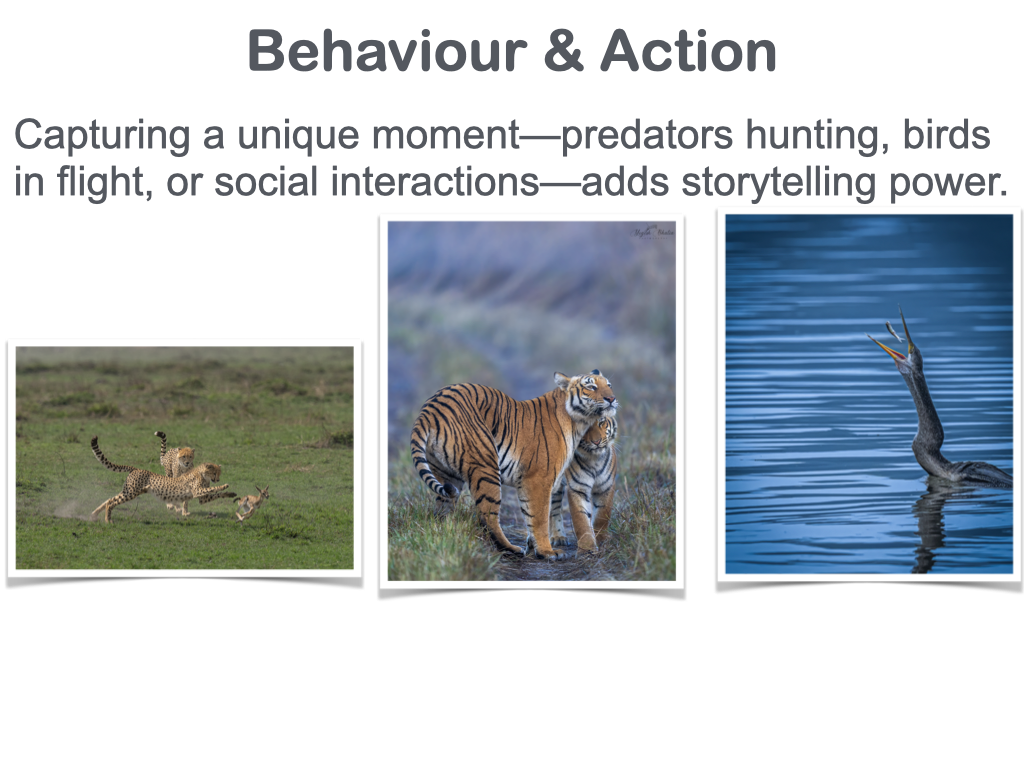
For example, knowing when a predator is about to move or when a bird is about to take flight helps you prepare your frame in advance.
This transforms your photography from reactive to proactive.
2. Mastering Camera Settings is Critical
Even the most incredible wildlife moment can be lost without the right camera settings.
Key techniques include:
- Using fast shutter speeds for action
- Controlling aperture for background blur (bokeh)
- Managing ISO in low light conditions
- Using autofocus tracking and eye detection
Modern cameras are powerful tools, but learning how to use them effectively is what creates professional results.
3. Composition Techniques Create Impactful Images
A strong wildlife photograph is not just about the subject—it’s about how the subject is presented.
Important composition techniques:
- Rule of thirds
- Leading lines
- Natural framing
- Light and shadow usage
These techniques help create visually compelling images that stand out in competitions and on social media.
4. Learning Brings Consistency in Wildlife Photography
Anyone can capture one lucky shot, but consistency defines a skilled wildlife photographer.
By continuously learning:
- You improve your success rate
- You adapt to changing environments
- You make faster and better decisions in the field
Consistency is essential if you want to build a professional wildlife photography career or brand.
5. Ethical Wildlife Photography Comes with Knowledge
Learning is not just about better images—it also builds responsibility.
A knowledgeable wildlife photographer:
- Maintains safe distance from animals
- Avoids disturbing natural behavior
- Respects habitats and ecosystems
Ethical practices are crucial for long-term success and credibility.
Benefits of Learning Wildlife Photography Techniques
- Capture sharper and more professional images
- Improve storytelling ability
- Increase chances of winning photography awards
- Grow your social media and personal brand
- Attract clients for workshops and tours
Conclusion: Learning is the Key to Exceptional Wildlife Photography
Wildlife photography is a journey of patience, observation, and continuous improvement. The more you learn, the better you become at anticipating moments, composing frames, and capturing powerful stories.
The difference between an average image and an extraordinary one is not luck—it is learning.
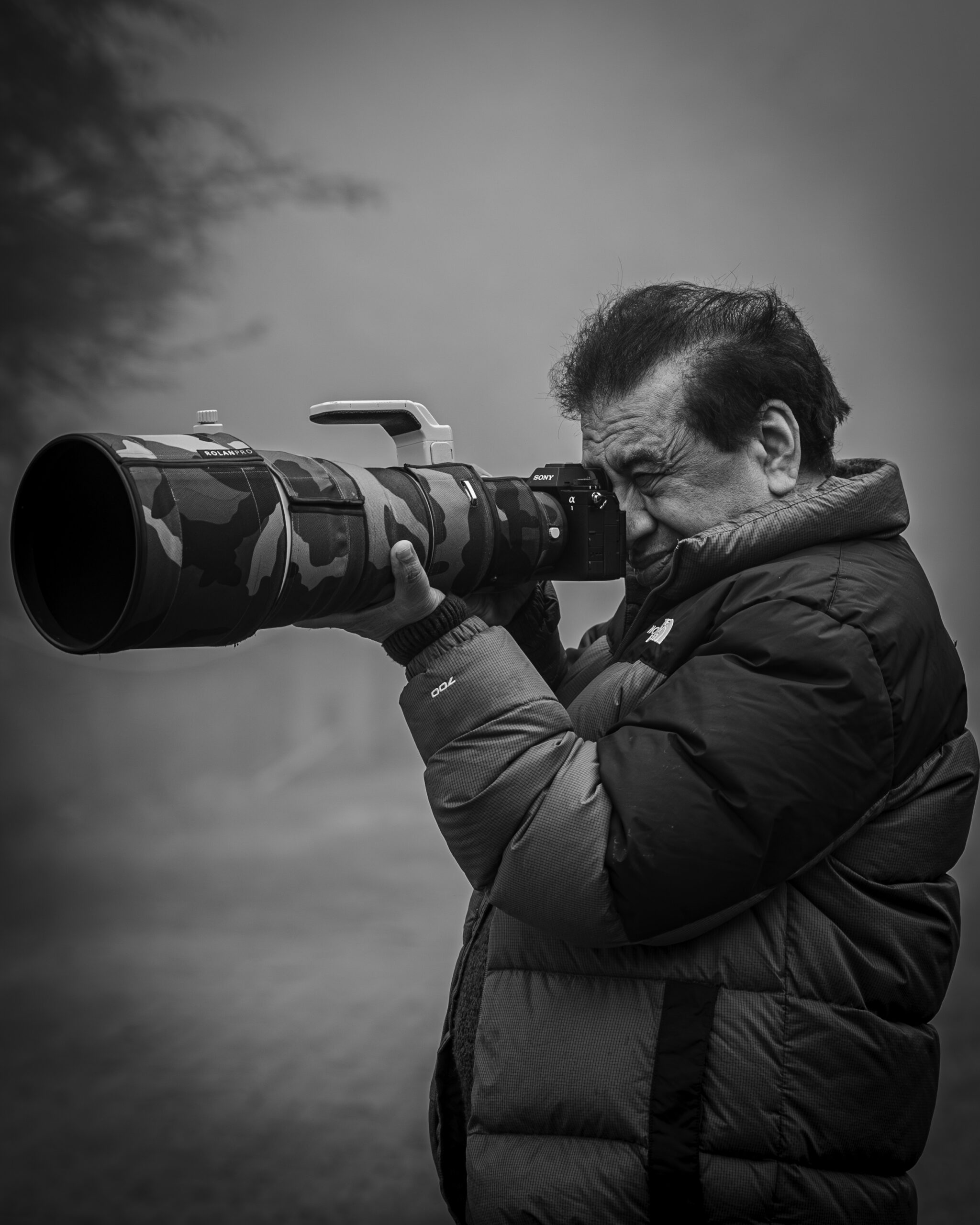
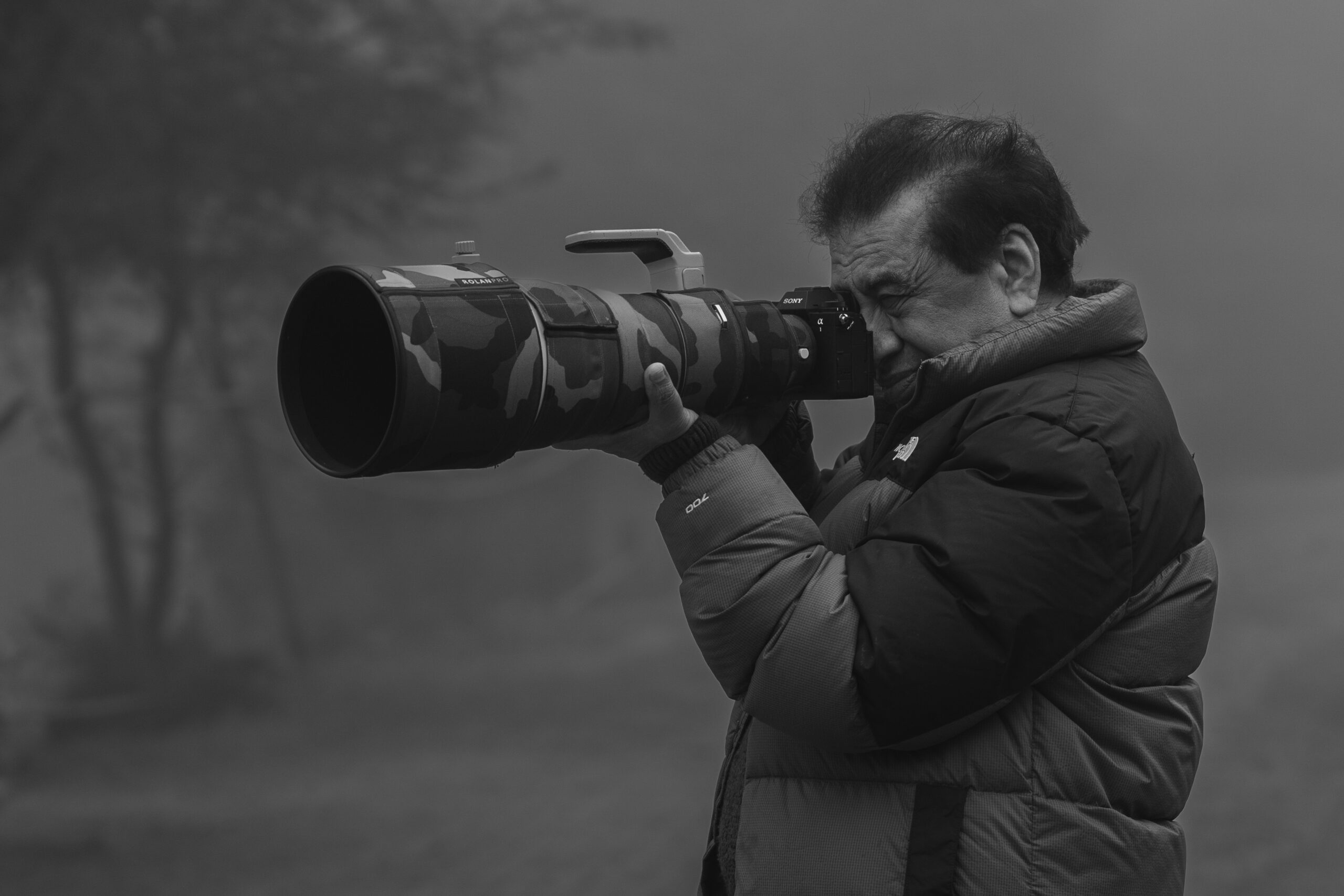
Yogesh Bhatia is a professional Wildlife photographer & mentor in India whose work reflects patience, observation, and a deep respect for nature. His journey in wildlife photography is shaped by countless hours in forests, observing animal behavior and waiting for moments that unfold naturally. Through his lens, wildlife is portrayed not just as subjects, but as living stories within their natural environment. His approach to Wildlife photography India focuses on authenticity rather than staged perfection, resulting in images that feel raw and immersive.