The Best Time Is January to March
The absolute peak window for a Spiti snow leopard expedition is January through March, with January and February offering the highest sighting probability of the entire year. During these months, heavy snowfall pushes Ibex and Blue Sheep, the snow leopard’s primary prey, down from the high ridgelines into lower, more accessible valleys, and the cats follow.
This single dynamic, the snow line dropping and prey concentrating in visible terrain, is why nearly every successful sighting in Spiti happens in deep winter rather than any other season. Outside this window, snow leopards disperse across vast, largely inaccessible high-altitude terrain, and sighting odds collapse to near zero.
Spiti Valley has earned its reputation as one of the most reliable snow leopard destinations in the Himalayas precisely because of this predictable winter pattern. Unlike more remote high-altitude ranges where access itself is a barrier, villages like Kibber and Chicham sit close enough to prime territory that a well-organised expedition can realistically plan around the peak window rather than hoping for luck.
Seasonality Summary: Month vs Temperature vs Sighting Probability
| Month | Temperature | Sighting Probability | Photography Conditions |
| December | -10°C to -20°C | Moderate, rising | Clear light, moderate snow cover, fewer crowds |
| January | -15°C to -30°C | Very High, peak | Deep snow contrast, low sun angle, best backdrops |
| February | -15°C to -25°C | Very High, peak | Strong snow-on-fur contrast, stable light |
| March | -8°C to -18°C | High, declining | Softer light, melting snow patches, more vocal activity |
| Apr–Oct | Above freezing | Very Low | Leopards disperse to higher, inaccessible terrain |
Month-by-Month Seasonal Breakdown
December: Early Season
Snowfall begins accumulating through December, and temperatures typically range from -10°C to -20°C in the Kibber and Chicham area. This is when local trackers start setting up their observation network, watching for early signs of Ibex movement into lower slopes.
- Sighting probability: moderate and rising, not yet peak, but the groundwork for tracking is already underway.
- Conditions: fewer crowds than January, cleaner light, but snow cover is still inconsistent across valley floors.
January & February: Peak Season
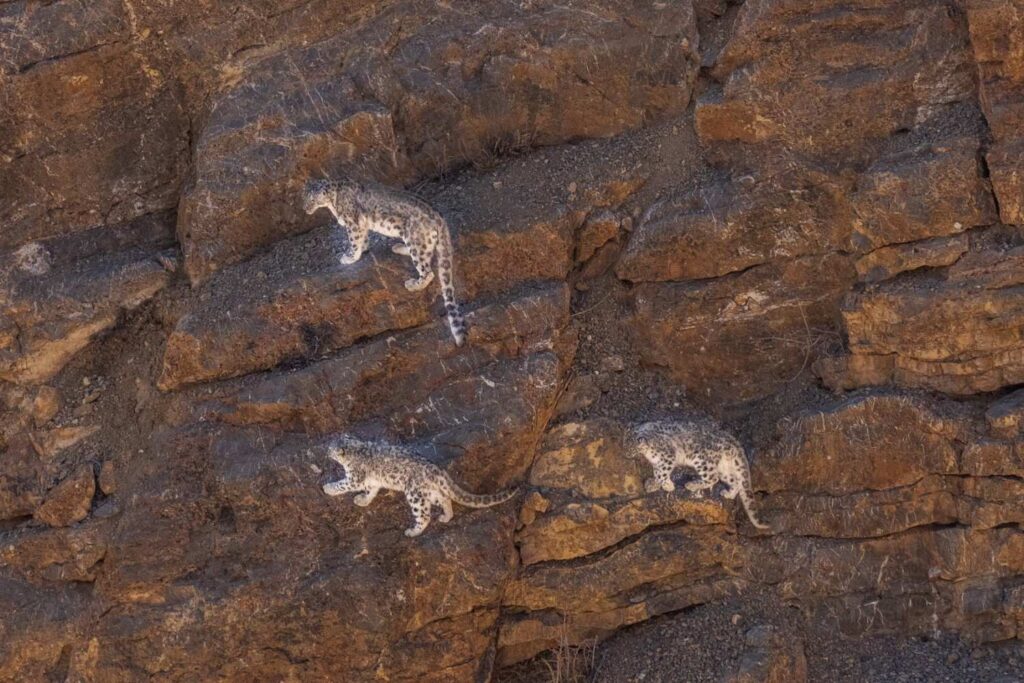
This is peak snow leopard spotting winter, and for good reason. Heavy, sustained snowfall forces Ibex and Blue Sheep into a narrower band of accessible terrain, and snow leopards follow their prey down to elevations where trackers and photographers can realistically reach them.
- Maximum sighting probability: this two-month window accounts for the vast majority of confirmed sightings each year in the Kibber Wildlife Sanctuary belt.
- Photography conditions: deep snow creates striking natural contrast against the leopard’s rosette pattern, and low winter sun angles add dramatic side-lighting.
- Temperature reality: expect -15°C to -30°C, especially before sunrise, this is genuinely extreme cold, not a mild winter chill.
March: Late Season
March marks the tail end of the reliable window. Mating season activity increases vocalization and movement, which can actually work in your favour for tracking, even as overall snow cover starts retreating and temperatures climb slightly.
- Mating calls: increased vocalization during this period helps trackers pinpoint active territory faster than visual scanning alone.
- Transition weather: expect a mix of clear days and sudden snow squalls as the season shifts.
- Light quality: softer, warmer light compared to the harsh glare of peak January, often preferred by photographers for portrait work.
Off-Season Reality: Spring, Summer, and Autumn
From April through October, sighting a snow leopard in Spiti is nearly impossible for a visiting photographer. As snow retreats, Ibex and Blue Sheep disperse back up to higher pastures, and snow leopards follow them into vast, rugged terrain well beyond the reach of vehicle-based or even foot-based tracking.
This isn’t a minor dip in probability, it’s a fundamental shift in where the animals physically are. Serious snow leopard expeditions are planned around winter for this exact reason, and any operator promising reliable summer sightings is not being realistic about the ecology involved.
Key Factors Influencing Sighting & Photography Success
- Snow depth and temperature drop: the deeper and more sustained the snowfall, the tighter prey concentration becomes, and the better your odds of a sighting.
- Mating season behaviour: late-season vocalization patterns in March give trackers an additional cue beyond visual scanning and pugmarks.
- Local tracker network: Kibber’s village-based trackers scan multiple ridgelines daily and radio confirmed sightings in real time, this network is the single biggest factor in expedition success, more than any piece of gear.
- Kibber Wildlife Sanctuary ecosystem: this sanctuary’s terrain and prey density make it one of the most consistent snow leopard zones in the entire Himalayan range.
If you want a trip built entirely around this tracker network and peak-season timing, this Spiti Valley wildlife photography expedition is planned specifically for the January–March window.
Photography-Specific Logistics & Gear Tips
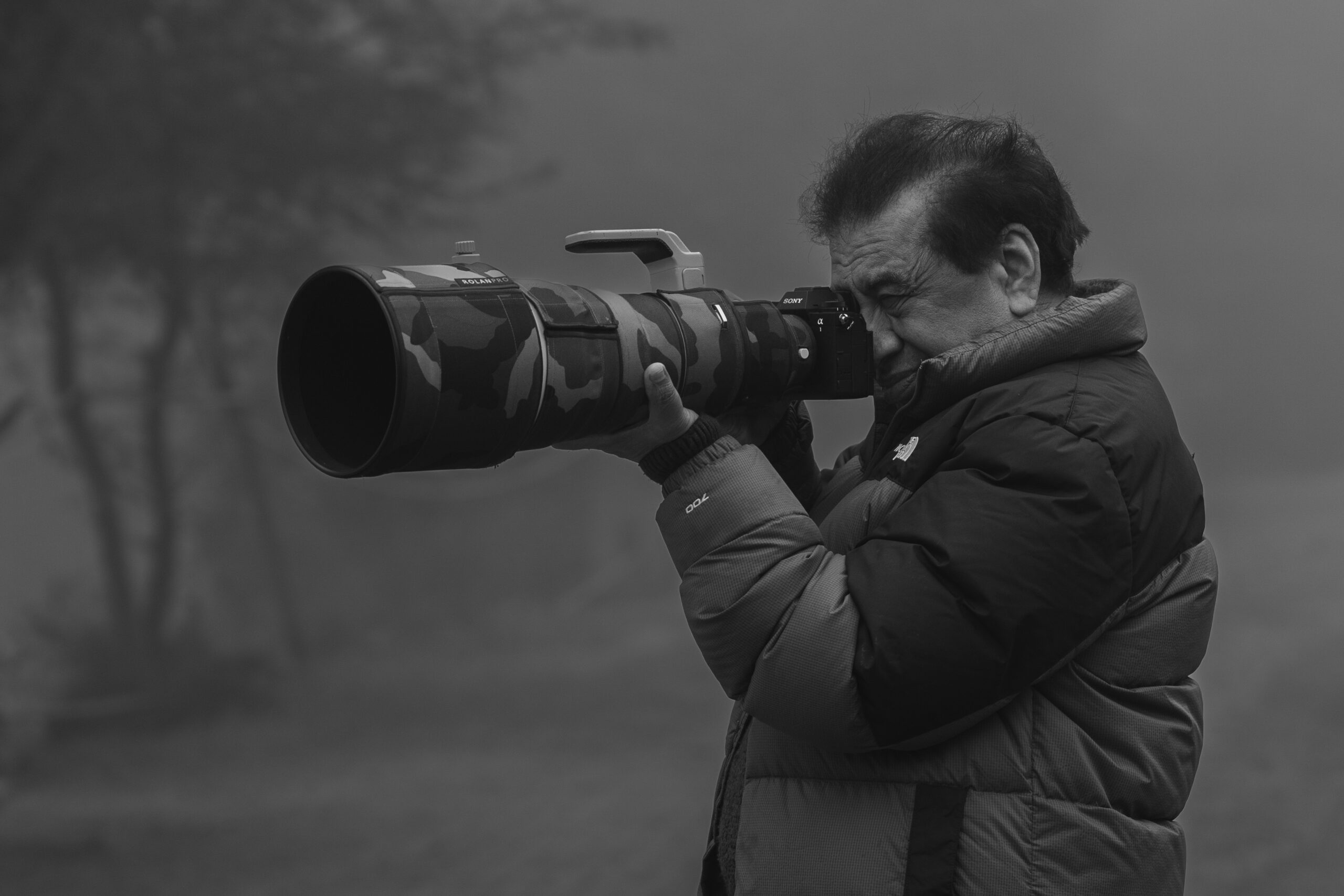
- Lens choice: a 400–600mm telephoto is essential, snow leopards are typically spotted at long distances across open ridgelines, not up close.
- Battery management: cold drains batteries fast; keep spares in an inner jacket pocket close to body heat and swap them frequently rather than waiting for a full drain.
- Tripod vs handheld: a sturdy tripod is critical for long waiting periods at extreme focal lengths, but keep a monopod or beanbag as backup for quick repositioning.
- Handling snow glare: use exposure compensation (+0.7 to +1.3 EV) to prevent underexposed snow, and carry a polarizing filter to cut harsh reflected glare off the slopes.
- Camera housing: condensation forms fast when moving a cold camera into a warm room, so let equipment acclimatise inside a sealed bag before opening it indoors.
Not sure what gear actually holds up in sub-zero conditions? This guide to the best camera and lens for wildlife photography covers cold-weather-ready combinations in more detail.
Essential Expedition Readiness
- Altitude acclimatization: Kibber sits above 4,200 metres; spend at least one full rest day in Kaza before heading up to reduce altitude sickness risk.
- Winter clothing layering: a base thermal layer, insulated mid-layer, and a windproof down outer shell are non-negotiable, wind chill at these altitudes drops the felt temperature dramatically.
- Ethical wildlife viewing: maintain safe observation distances, avoid loud movement near active dens, and always follow your tracker’s lead rather than pushing closer for a shot.
- Physical readiness: long, cold waits on exposed ridgelines demand real stamina, this is an expedition, not a casual sightseeing trip.
For photographers who want hands-on coaching through these conditions, a private 1-on-1 wildlife photography session pairs expedition logistics with direct field mentoring.
Conclusion: Tracking the Ghost of the Mountains
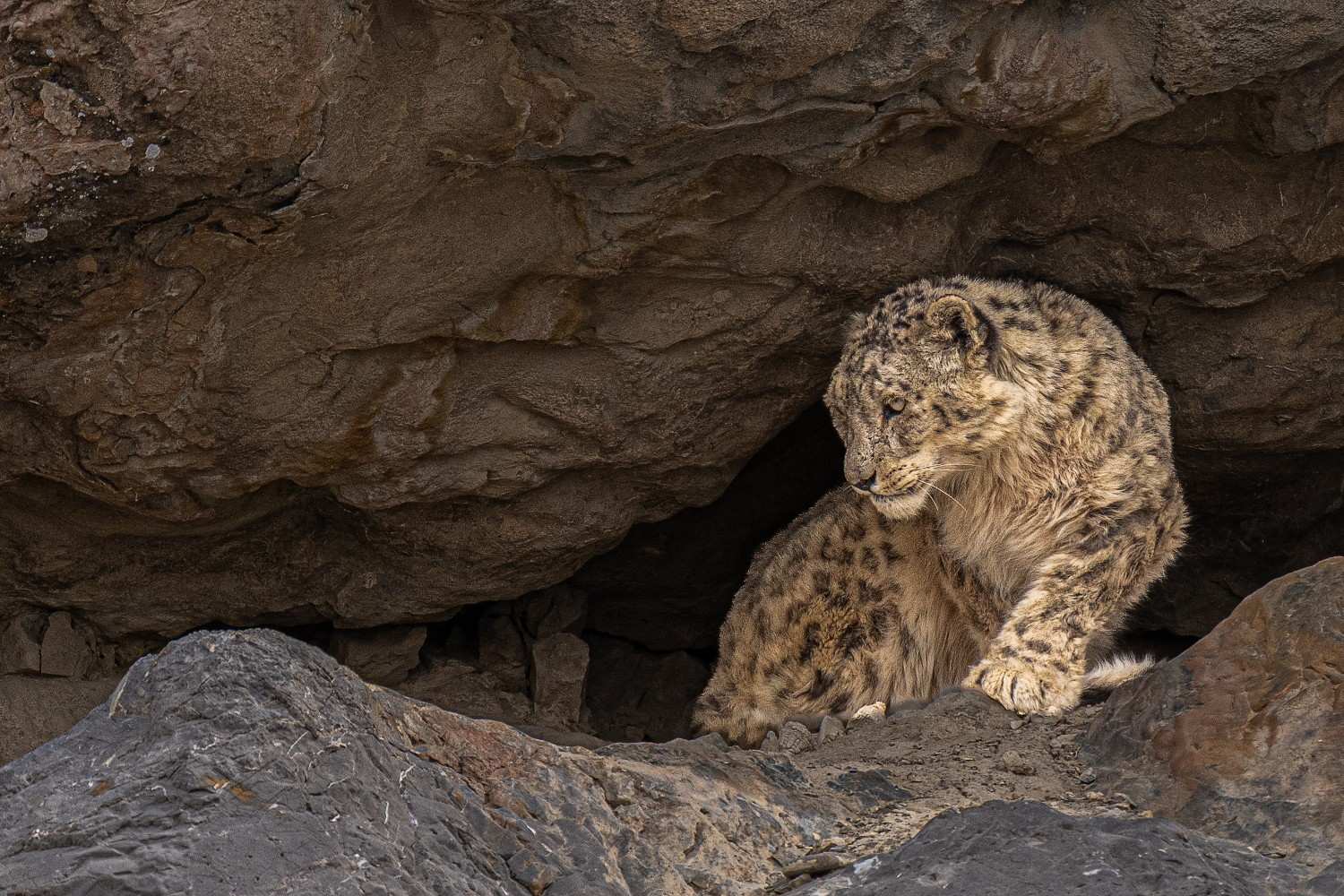
Spotting a snow leopard is never guaranteed, this is an animal that has earned its nickname, the “Ghost of the Mountains,” through genuine elusiveness. But timing your trip for January through March, when snow depth and prey movement work in your favour, gives you the realistic best chance any photographer can ask for.
Go in prepared for extreme cold, long waits, and days that may end without a sighting at all. When it does happen, though, a snow leopard against a stark white ridgeline is one of the most rewarding frames in all of wildlife photography, and worth every sub-zero hour it takes to earn it.
Choose your dates within the January–March window, trust the local tracker network over guesswork, and pack for conditions far harsher than a typical winter trip. That combination, more than any single piece of gear, is what actually separates a successful Spiti snow leopard expedition from a cold week spent staring at empty ridgelines.
Browse the full range of guided wildlife photography workshops in India if you’d like to build broader field experience before taking on a high-altitude expedition like this one.
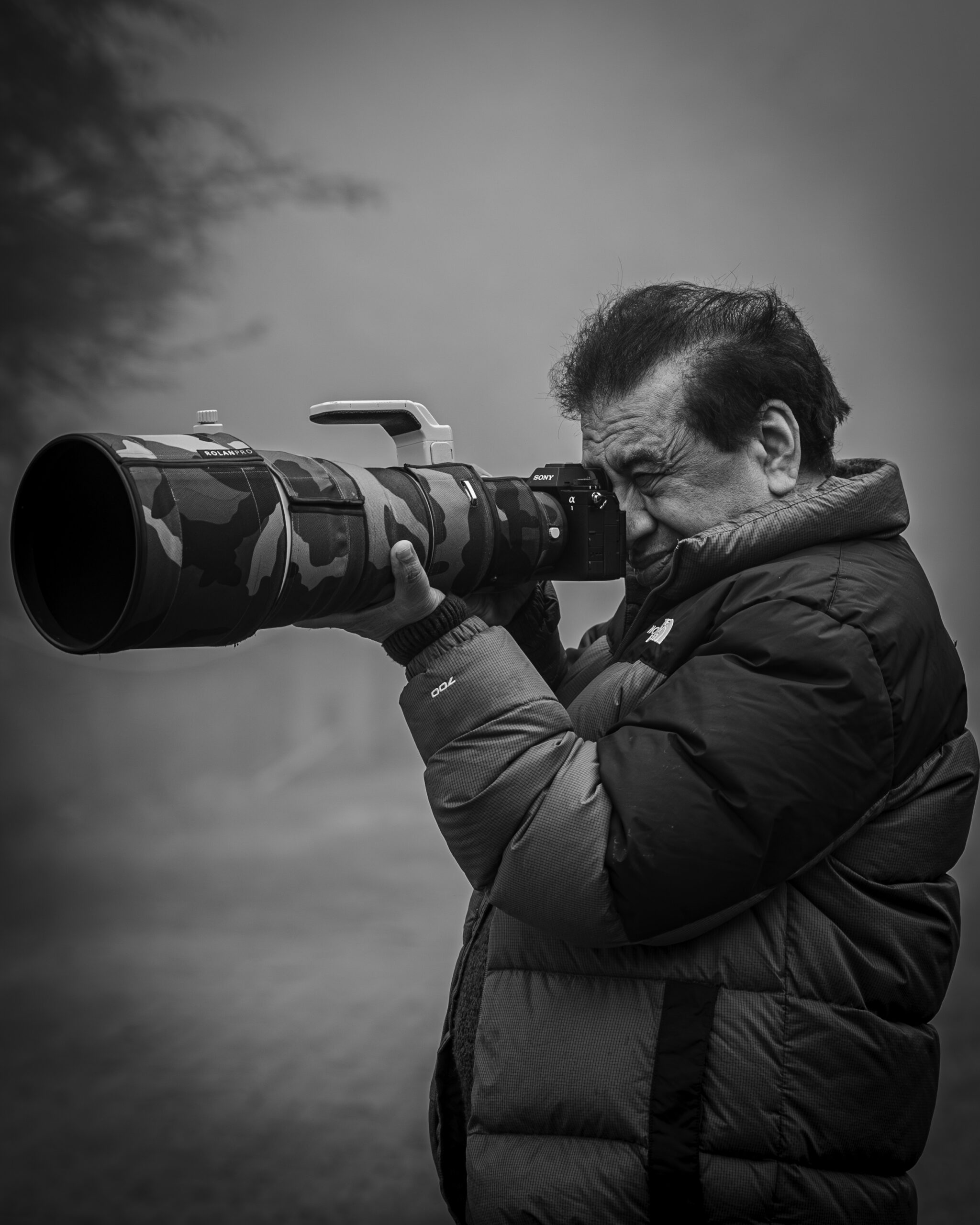
Yogesh Bhatia is a professional Wildlife photographer & mentor in India whose work reflects patience, observation, and a deep respect for nature. His journey in wildlife photography is shaped by countless hours in forests, observing animal behavior and waiting for moments that unfold naturally. Through his lens, wildlife is portrayed not just as subjects, but as living stories within their natural environment. His approach to Wildlife photography India focuses on authenticity rather than staged perfection, resulting in images that feel raw and immersive.