Planning a dedicated tiger photography journey in India often comes down to one big question , should the trip focus on Jim Corbett National Park or Ranthambore National Park? Both parks are legendary in the wildlife world, yet they offer very different photography experiences. This guide explores Corbett vs Ranthambore safari, helping photographers choose the right destination for a short yet rewarding jungle expedition. A five-day journey demands smart planning, realistic expectations, and clarity about terrain, light, tiger behaviour, and accessibility. India remains one of the few places on earth where wild tigers can still be photographed regularly, making Tiger photography India, Wildlife photography trip India, and Best tiger safari India highly searched themes among global wildlife enthusiasts.
Landscape and Habitat Differences
The first major difference between Corbett and Ranthambore lies in landscape character, which directly influences photography style and outcomes. Corbett is dense, layered, and lush. Its forests include sal trees, riverbeds, tall grasses, and misty hills. Photographs here often feel dramatic, atmospheric, and moody. Morning safaris can be magical, with fog drifting through trees and golden light filtering across riverbanks. However, the same beauty can also make photography challenging. Tigers can appear suddenly and disappear quickly into thick foliage, leaving only seconds to react.
Ranthambore, in contrast, is open and theatrical. Dry deciduous forest, ancient ruins, lakes, and rocky hills create natural frames and cleaner compositions. Photographers often describe Ranthambore as cinematic because animals are easier to spot from a distance, allowing more time to adjust camera settings and compose shots. For a five-day trip, this visibility factor becomes extremely important because it increases the probability of successful tiger sightings and well-composed images.
Tiger Sighting Probability and Behaviour
Tiger behaviour varies noticeably between the two parks. Ranthambore’s tigers are famous for their daytime activity and confidence around safari vehicles. Over decades of conservation and tourism management, these cats have grown accustomed to jeeps. Tigers walking on forest tracks, resting near lakes, or climbing rocky outcrops are relatively common sightings here.
Corbett’s tigers remain more elusive. The park is much larger and less tourist-centric in certain zones. Tigers often move deep inside forests and are rarely seen lounging in open spaces. While sightings absolutely happen, patience and persistence are required. Photographers often return from Corbett with stunning bird and elephant images even when tiger sightings remain brief or distant.
Safari Zones and Accessibility
Understanding zones is crucial for planning a short photography itinerary. The phrase Ranthambore National Park safari zones guide becomes important when researching permits and strategy. Ranthambore is divided into multiple numbered zones, each with its own tiger territories. Zones 2, 3, and 4 are historically strong for sightings, while zones 6 to 10 offer quieter experiences with fewer vehicles. For photographers, zone allocation plays a big role in the trip outcome.
Corbett is split into tourism zones like Dhikala, Bijrani, Jhirna, and Dhela. Among these, Dhikala stands out for scenic grasslands and riverbeds. Booking safaris in advance is essential because availability is limited and demand is high. Corbett logistics often require more planning, especially when targeting specific zones during a short stay.
Light Conditions and Photography Style
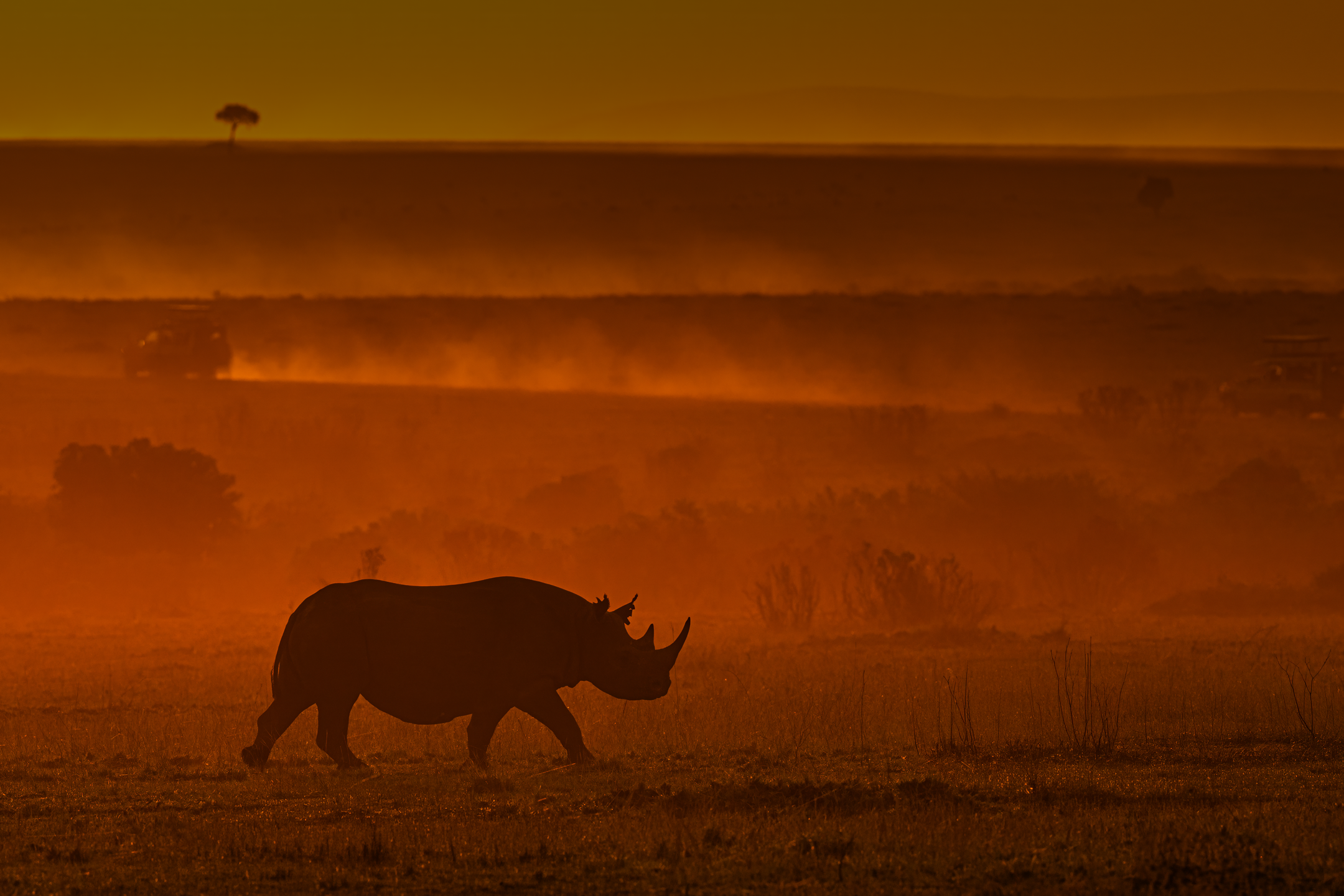
Light quality influences wildlife photography as much as animal behaviour. Ranthambore provides warmer tones, dust haze, and golden backgrounds that work beautifully for dramatic tiger portraits. Long sighting durations allow photographers to experiment with backlighting, silhouettes, and action shots.
Corbett offers softer, cooler tones. The presence of rivers and mist produces dreamy, atmospheric scenes. Photographers who enjoy storytelling imagery and environmental portraits often prefer Corbett. The keyword Jim Corbett National Park wildlife photography tips becomes relevant because preparation is essential when working in such complex lighting conditions.
Best Time to Visit for a 5-Day Trip
Timing the trip correctly can make or break a wildlife photography expedition. The phrase Best time for tiger sightings India generally points to the summer months from March to June. During this period, water sources shrink, forcing animals to gather near lakes and rivers. Ranthambore performs exceptionally well during peak summer when tigers frequently visit water bodies.
Corbett remains beautiful year-round, but post-winter months from February to April offer a balanced mix of visibility and comfortable weather. Monsoon season should be avoided because many zones close and wildlife movement becomes unpredictable.
Sample 5-Day Wildlife Photography Plan
A short safari trip requires efficient planning. A compact North India wildlife itinerary might include three days of safaris and two days for travel and rest. Ranthambore is easier to integrate into tight schedules due to its proximity to Delhi and Jaipur. Travel time is shorter, allowing more safaris within five days.
Corbett also works well from Delhi, but internal travel between zones can consume valuable time. For photographers chasing tiger images specifically, Ranthambore often feels more time-efficient. For photographers seeking variety and scenic landscapes, Corbett becomes more rewarding.
Wildlife Diversity Beyond Tigers
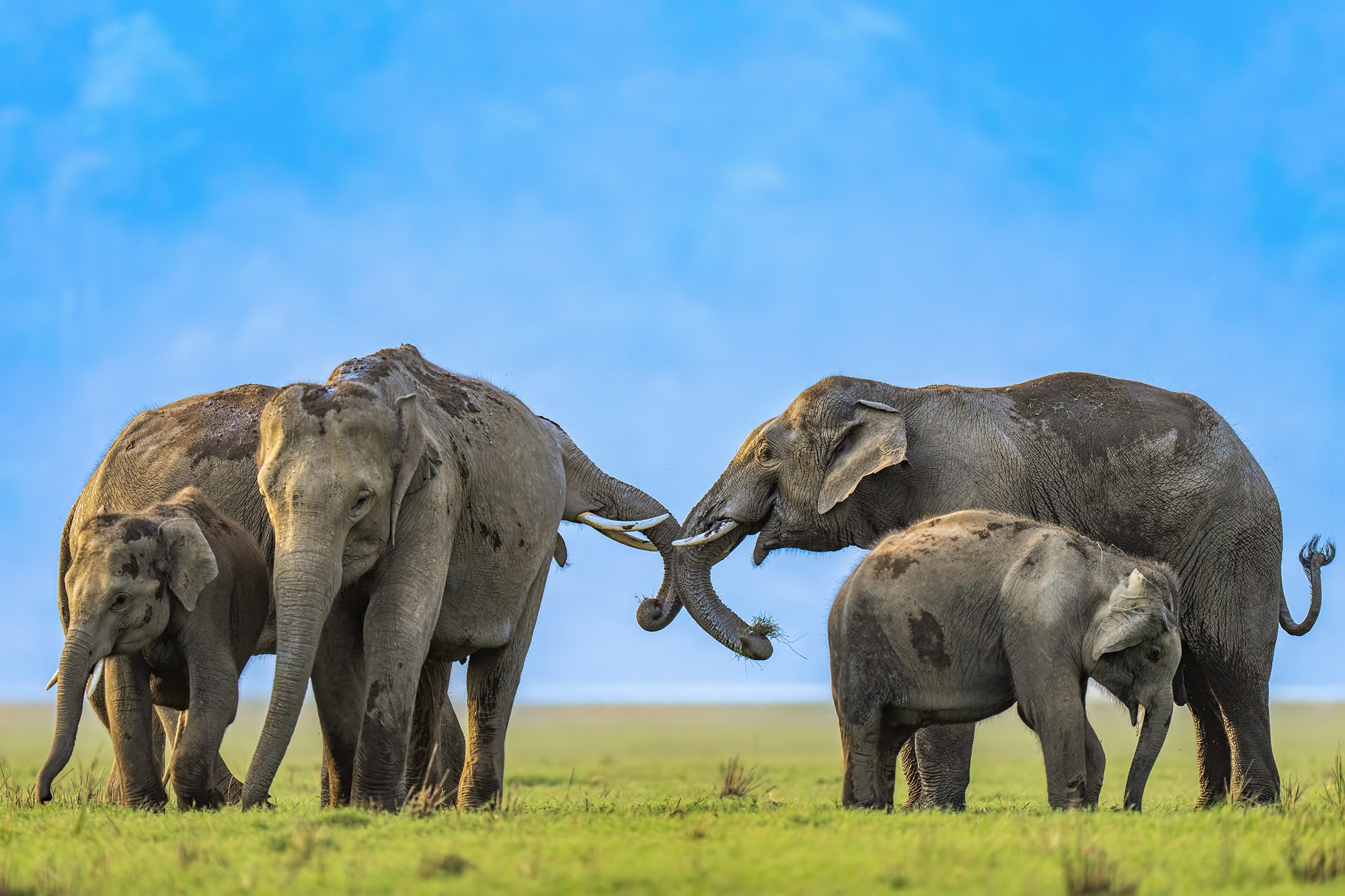
While tigers dominate the spotlight, both parks host rich biodiversity. Corbett is a paradise for bird photographers and elephant enthusiasts. Otters, crocodiles, and deer species frequently appear near riverbanks. The park’s variety ensures photographers rarely return empty-handed.
Ranthambore offers leopards, sloth bears, marsh crocodiles, and striking birdlife around lakes and ruins. The combination of wildlife and historical architecture creates unique storytelling opportunities rarely found elsewhere.
Camera Gear and Field Techniques
The keyword DSLR settings for tiger photography highlights the technical preparation required before entering the jungle. Fast shutter speeds help capture movement when tigers walk along tracks. Continuous autofocus and burst mode are essential for action sequences. Telephoto lenses in the 400–600mm range are ideal, while a secondary body with a shorter lens helps capture environmental frames.
Dust protection is especially important in Ranthambore, while moisture protection matters in Corbett. Carrying lens cloths, spare batteries, and silent shutter mode ensures readiness during sudden sightings.
Overall Experience and Atmosphere
Ranthambore feels intense and focused. Every safari carries anticipation of tiger movement, and sightings often become shared celebratory moments among vehicles. The atmosphere suits photographers chasing iconic tiger portraits.
Corbett feels immersive and meditative. The forest itself becomes part of the story. Even without frequent tiger sightings, the sensory experience of misty mornings, river sounds, and bird calls creates memorable photographic journeys.
5-Day Wildlife Photography Itinerary — Jim Corbett vs Ranthambore
Both parks work best with a minimum of 5 days — this gives you 6–8 safari slots, which is statistically sufficient for tiger sightings in both locations. November offers some of the cleanest light of the year, with mornings starting at around 15°C in Corbett and 18°C in Ranthambore.
| Day | Jim Corbett Plan | Ranthambore Plan |
| Day 1 | Arrive Ramnagar. Afternoon rest. Evening jungle briefing with your guide. | Arrive Sawai Madhopur. Hotel check-in. Evening jeep safari in Zone 3. |
| Day 2 | Early morning Dhikala zone safari (6–10 AM). Golden light on the Ramganga river. Afternoon Bijrani zone. | Full-day Zone 1 & 4 safari. Focus on Ranthambore Fort backdrop for big cat photography. |
| Day 3 | Dhikala zone again — statistically best for tiger sightings. Midday editing session. | Zone 6 — Kachida valley for leopard and sloth bear. Evening Zone 3. |
| Day 4 | Bird photography at Corbett riverside — 600+ species. Option: elephant safari. | Full-day Zone 5 — Lahpur area. Highest tiger density in the park. |
| Day 5 | Early morning final safari. Depart by noon. | Early morning final zone safari. Depart by noon. |
Both parks work best with a minimum of 5 days — this gives you 6–8 safari slots, which is statistically sufficient for tiger sightings in both locations. November offers some of the cleanest light of the year, with mornings starting at around 15°C in Corbett and 18°C in Ranthambore.
Want to photograph this route with expert guidance on zone selection and field technique? Book a private Jim Corbett photo tour with Yogesh or explore all our guided wildlife photography safari tours across India.
Complete Budget Breakdown — 5-Day Wildlife Photography Trip Under ₹50,000
A 5-day trip including accommodation, safari permits, and meals is achievable within ₹50,000 for both parks when booked in advance. Here is a realistic cost split:
| Expense | Jim Corbett (Rs.) | Ranthambore (Rs.) |
| Accommodation (4 nights mid-range) | Rs.12,000 – Rs.16,000 | Rs.10,000 – Rs.14,000 |
| Safari fees (6 slots × Rs.2,500–Rs.3,500) | Rs.15,000 – Rs.21,000 | Rs.15,000 – Rs.21,000 |
| Train/flight from Delhi (return) | Rs.2,500 – Rs.5,000 | Rs.2,000 – Rs.4,500 |
| Local transport (cab, auto) | Rs.2,000 – Rs.3,000 | Rs.1,500 – Rs.2,500 |
| Meals (5 days) | Rs.3,000 – Rs.5,000 | Rs.2,500 – Rs.4,000 |
| Guide / photography expert (optional) | Rs.5,000 – Rs.8,000 | Rs.5,000 – Rs.8,000 |
| TOTAL ESTIMATE | Rs.39,500 – Rs.58,000 | Rs.36,500 – Rs.54,000 |
Both destinations are comfortably achievable within Rs.50,000 if you book train tickets in advance and choose forest rest houses or mid-range stays near the park gates. November is peak season — book accommodation and safari permits at least 45 days in advance.
Why November is the Best Month for Wildlife Photography in Both Parks
November sits in the sweet spot between the monsoon and peak winter — the vegetation has thinned out (easier to spot big cats), the sky is clear, and temperatures are pleasant enough for full-day shooting.
| Factor | Jim Corbett in November | Ranthambore in November |
| Tiger sighting probability | Moderate–High (Dhikala zone opens post-Oct 15) | High (best months: Oct–Feb) |
| Light quality (golden hour) | Excellent — hazy mornings clear quickly | Excellent — dry air, minimal haze |
| Vegetation density | Medium — some post-monsoon green remaining | Low — very open, easy sightings |
| Bird photography | Outstanding — migratory birds arrive in Nov | Good — limited waterbirds |
| Crowd level | Moderate | High — book well in advance |
| Recommended zone | Dhikala + Bijrani | Zone 1, 3, 4, 5 |
For a deeper look at how these parks compare to other top destinations, see our complete guide to India’s largest tiger reserves and best wildlife photography locations.
Verdict — Which Park Should You Choose for a 5-Day Photography Trip?
Choose Jim Corbett if: you want diverse subjects (tigers, elephants, birds, river landscapes), you are comfortable with moderate tiger sighting probability, and you value dramatic landscape backdrops.
Choose Ranthambore if: tiger photography is your primary objective, you want a higher probability of close tiger encounters, and you prefer the iconic fort-backdrop compositions.
For a mixed itinerary (3 days Ranthambore + 2 days Corbett): the train journey between them is approximately 8–10 hours — manageable but tiring. Most photographers prefer to commit fully to one park for a 5-day trip.
Ready to plan your trip? Explore our guided wildlife photography safari tours across India — or if you want personalised field coaching, consider our 1-on-1 wildlife photography mentorship with Yogesh Bhatia.
Frequently Asked Questions
Is November a good month for wildlife photography in Corbett or Ranthambore?
Yes — November is one of the best months for both parks. The post-monsoon vegetation has thinned, making big cats easier to spot. Light quality is excellent, with clear skies and soft golden-hour light in the mornings.
Which park has better tiger sighting chances in November?
Ranthambore generally has a higher probability of tiger sightings in November due to its open, dry terrain and high tiger density — particularly in Zones 1, 3, 4, and 5. Corbett’s Dhikala zone, which re-opens after October 15, also offers good sightings but in denser forest.
Can I do both Corbett and Ranthambore in 5 days?
It is possible — 2 days in Ranthambore and 3 days in Corbett — but the travel time between them is 8–10 hours by train. Most wildlife photographers prefer committing to one park to maximise safari slots and avoid travel fatigue.
What is the realistic cost of a 5-day wildlife photography trip under Rs.50,000?
A 5-day trip including accommodation, 6 safari slots, train travel from Delhi, and meals is achievable between Rs.36,000–Rs.50,000 for both parks. Costs increase if you add a professional photography guide (recommended) or choose luxury lodges near the park gate.
How far in advance should I book safaris for November?
At least 45 days in advance. November is peak season — permits for Dhikala (Corbett) and Zone 1 (Ranthambore) sell out quickly. Safari permits are available on the official forest department portals of each state.
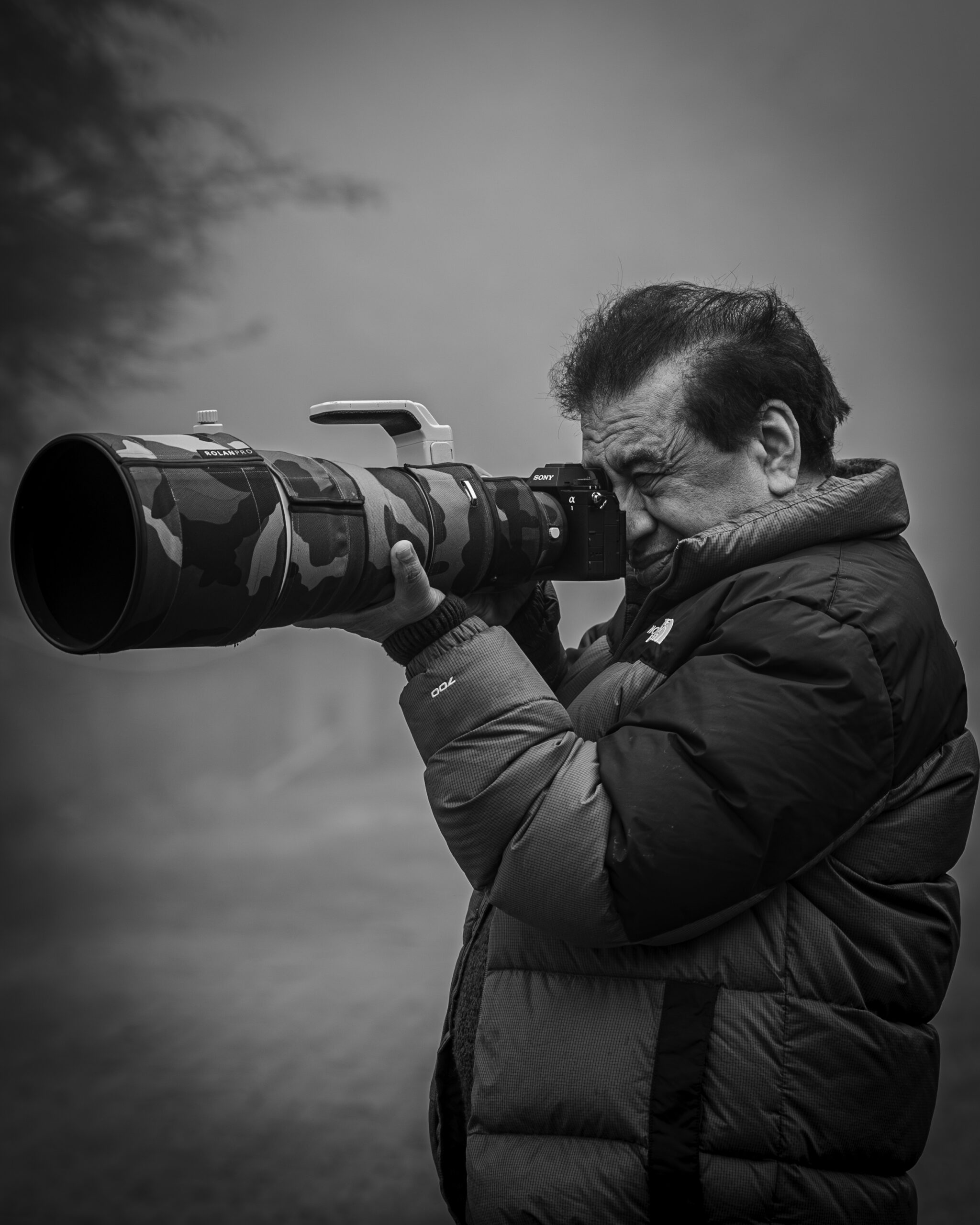
Yogesh Bhatia is a professional Wildlife photographer & mentor in India whose work reflects patience, observation, and a deep respect for nature. His journey in wildlife photography is shaped by countless hours in forests, observing animal behavior and waiting for moments that unfold naturally. Through his lens, wildlife is portrayed not just as subjects, but as living stories within their natural environment. His approach to Wildlife photography India focuses on authenticity rather than staged perfection, resulting in images that feel raw and immersive.