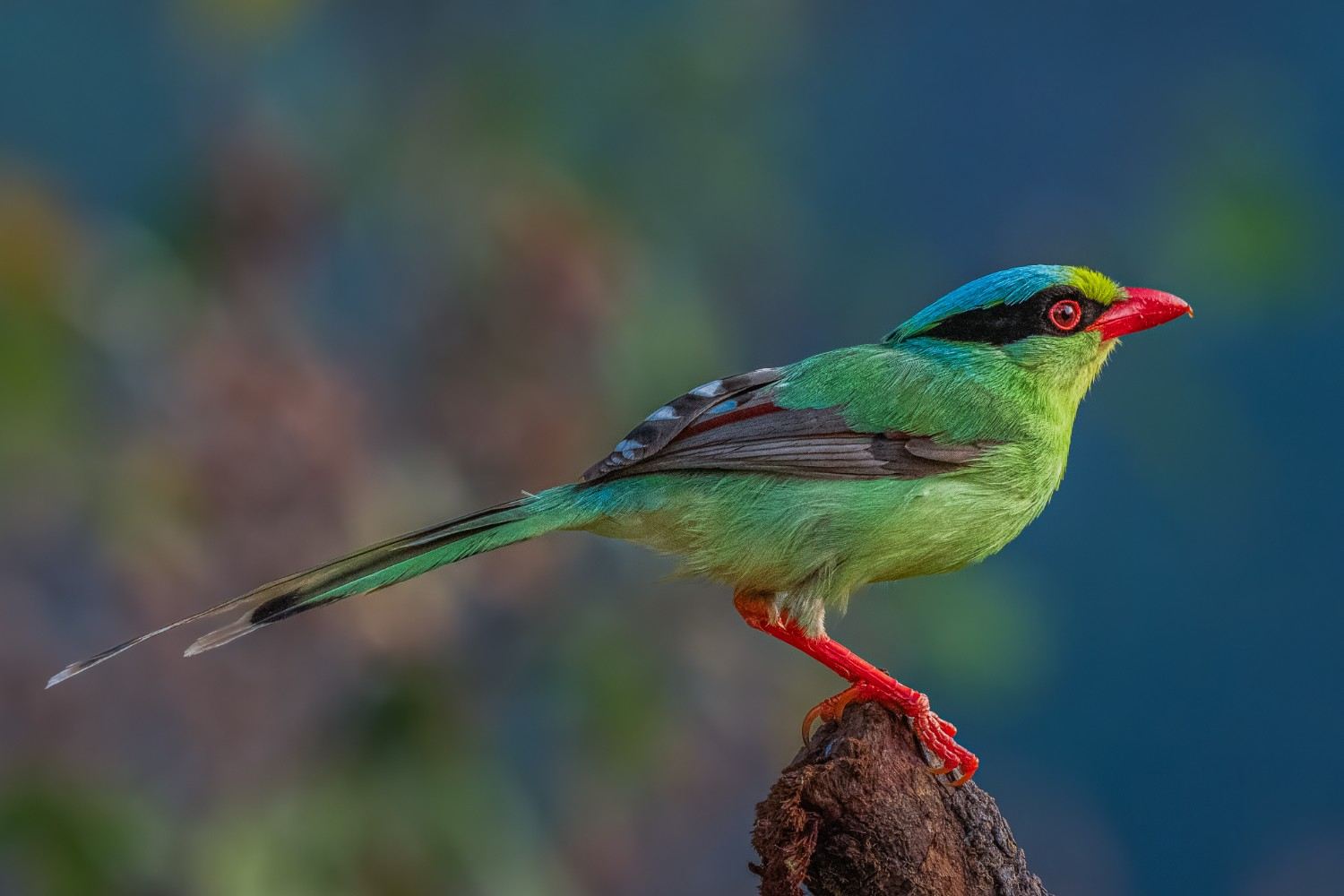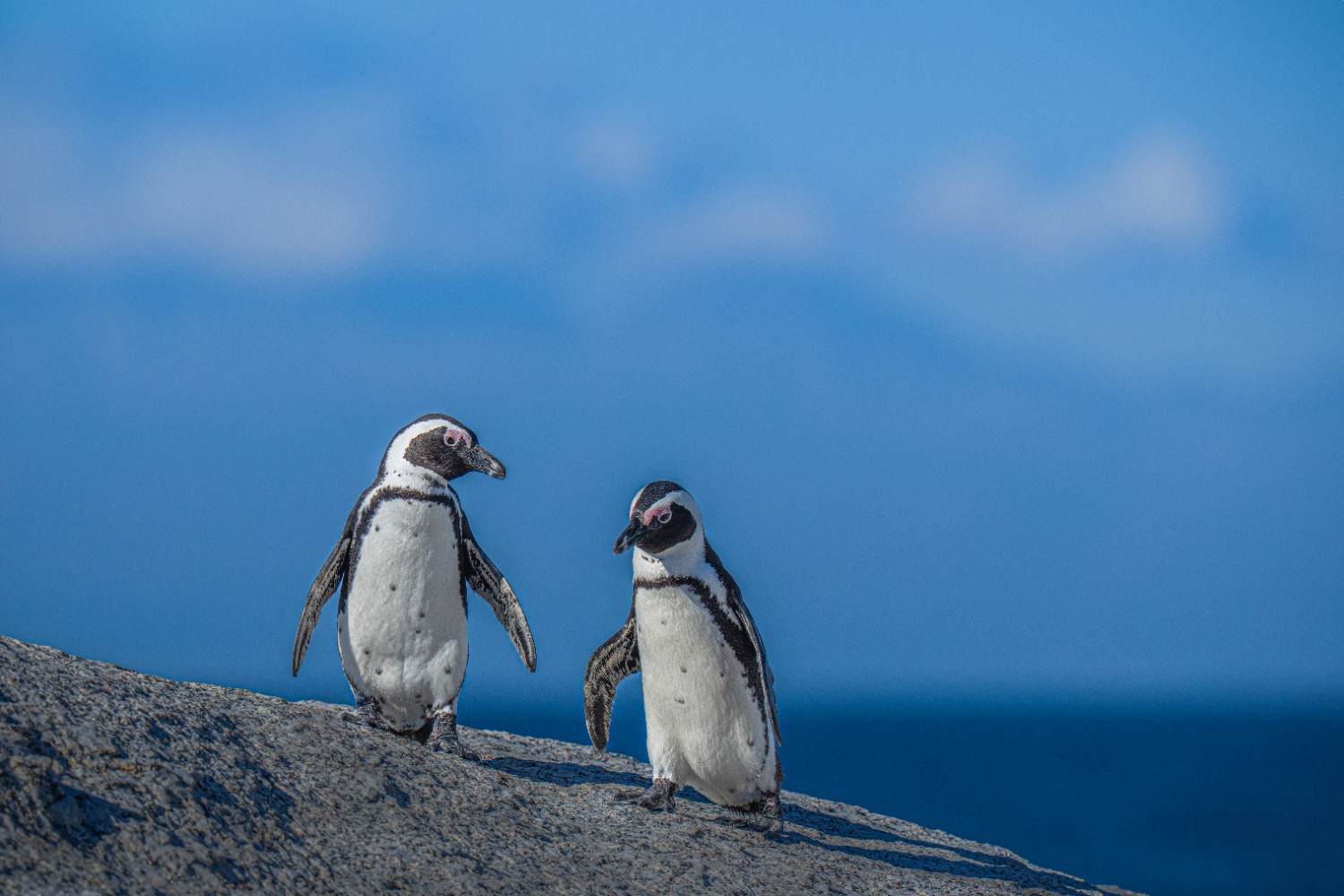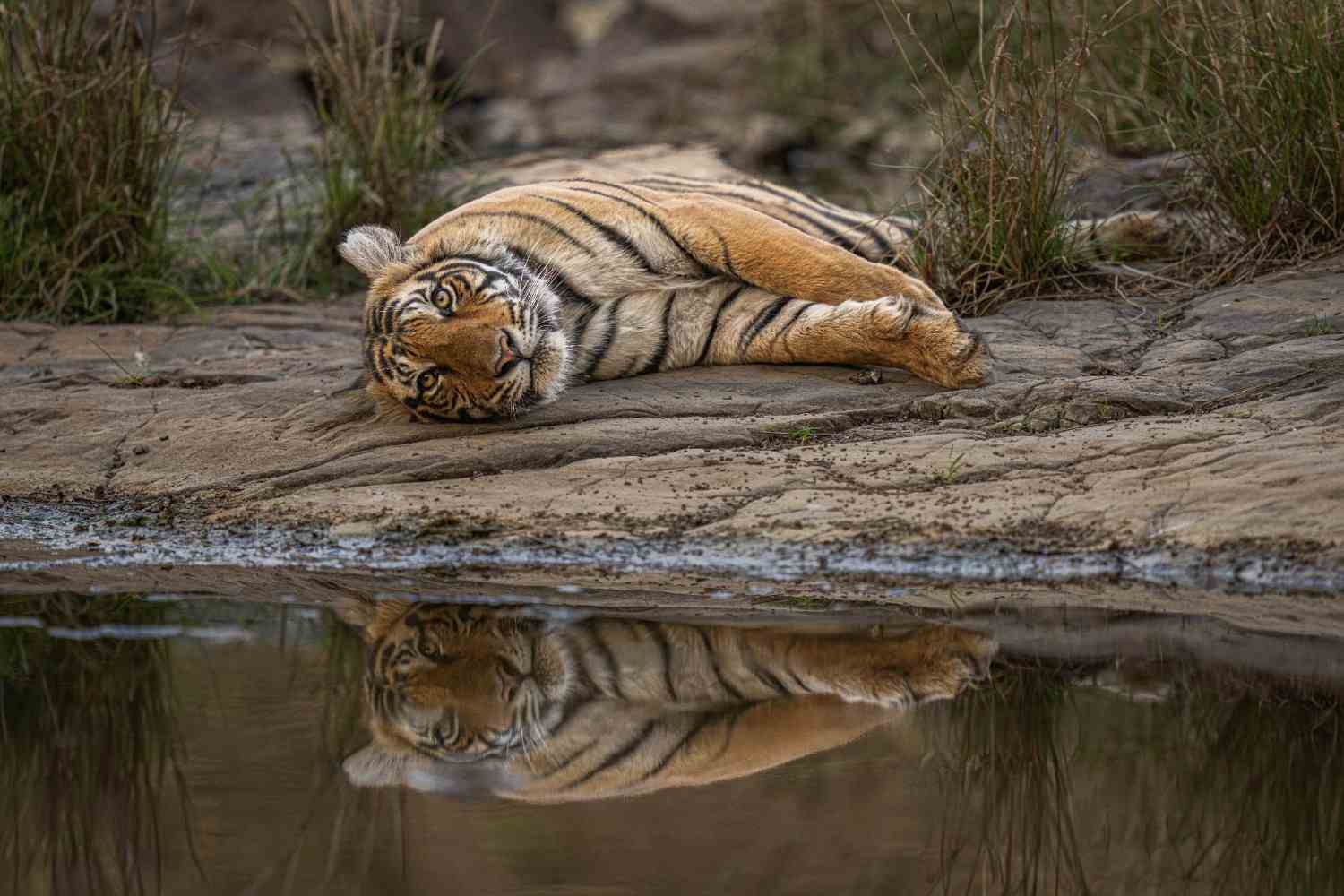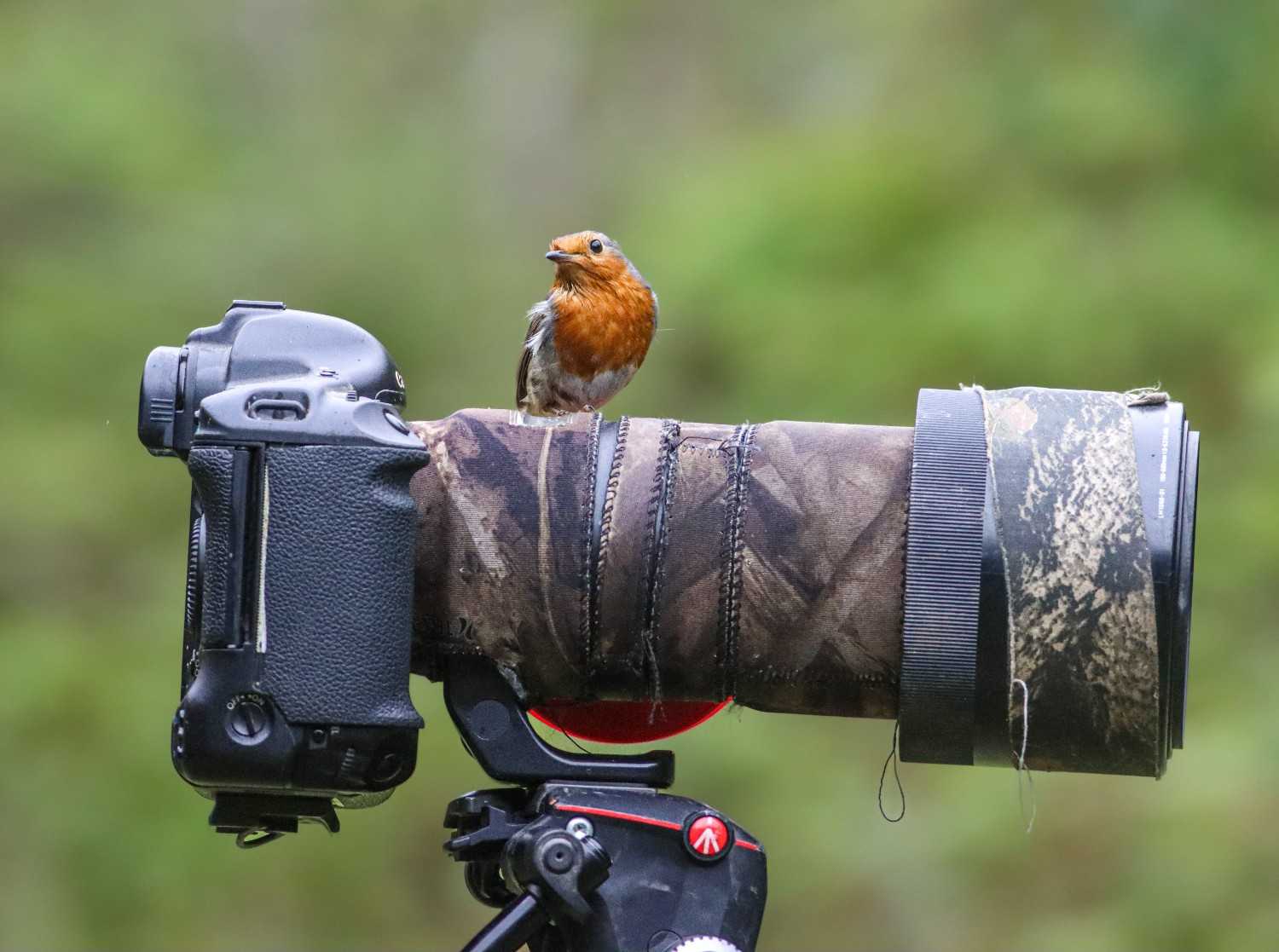
Yes, wildlife photography can be a good career in India, but it is rarely a quick or steady one. Most professionals build income from several sources: photo tours, workshops, print sales, stock licensing, brand assignments and freelance commissions. A wildlife photographer salary in India typically starts around ₹15,000 a month for beginners and can cross ₹1 lakh for established names, though freelance earnings vary widely. Success depends on fieldcraft, patience, a strong portfolio and business skills. With more than 50 tiger reserves and growing interest in nature tourism, opportunities exist for those who treat this as both an art and an enterprise.
Career Scope: Is There Real Demand?
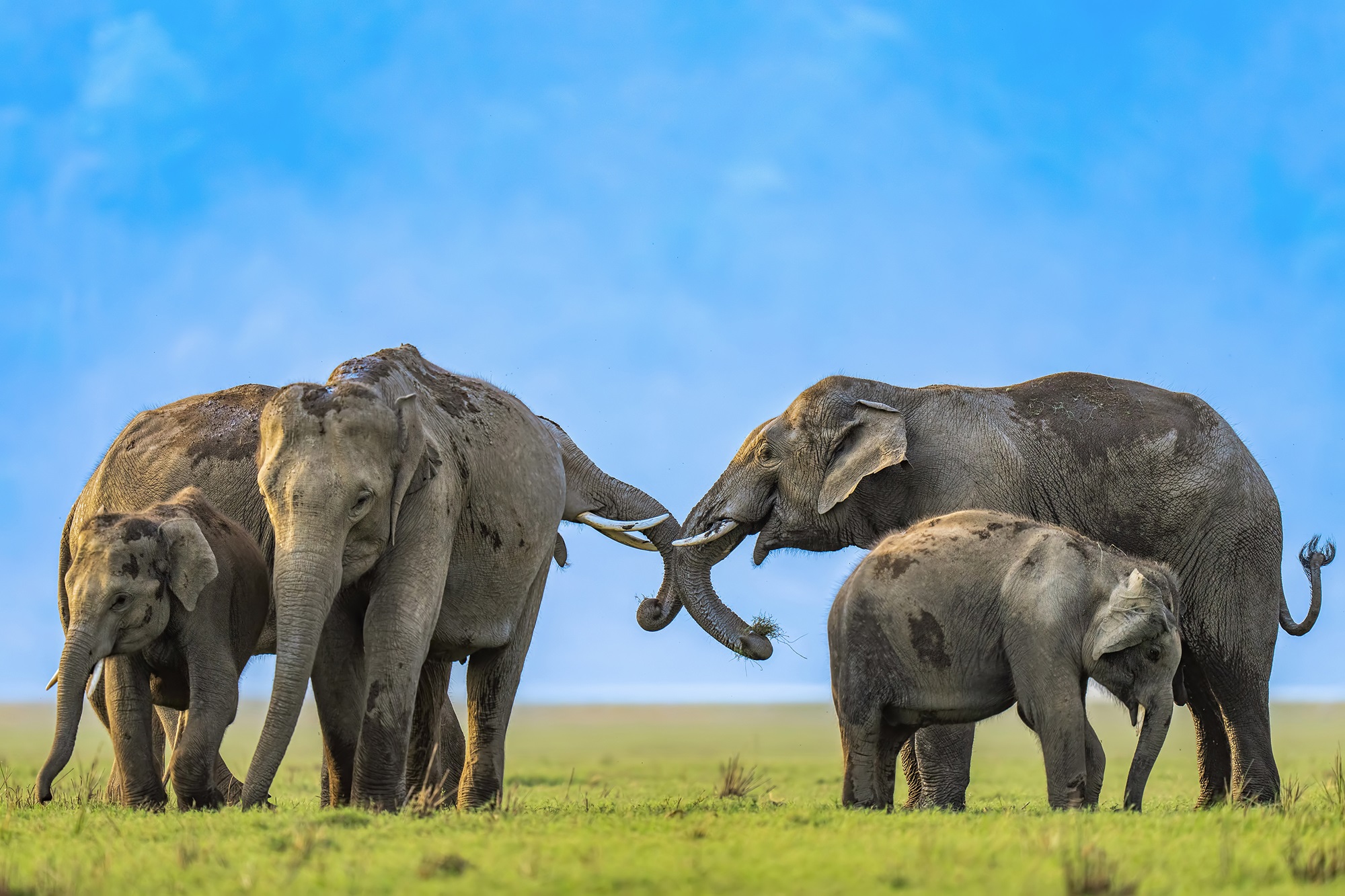
India is one of the richest wildlife destinations on earth. Tigers, leopards, elephants, one-horned rhinos, Asiatic lions and over a thousand bird species give photographers extraordinary subjects within a few hours of major cities. Domestic travellers are also spending more on safaris and nature experiences, and that interest creates demand for professional imagery.
The honest picture: demand for good photographs is rising, but so is competition. Smartphones and affordable mirrorless cameras have flooded social media with decent wildlife images. What stands out now is storytelling, ethical fieldwork and a recognisable style.
Pros and Cons at a Glance
Pros
- Work in some of the most beautiful places in the country
- Multiple income streams once you build a reputation
- Your images can support conservation awareness
- Flexible, self-directed schedule
Cons
- Income is irregular, especially in the first two to three years
- High equipment and travel costs
- Long hours in heat, rain and remote locations
- Safari permits, zone bookings and forest rules limit access
How to Become a Wildlife Photographer in India?
There is no licence or mandatory degree. Here is the path I recommend to anyone starting out.
Step 1: Master the Fundamentals
Learn exposure, shutter speed for moving animals, autofocus modes and light. Practise on birds and animals near you, such as city parks, wetlands and sanctuaries, before spending on expensive safaris.
Step 2: Learn Fieldcraft and Animal Behaviour
Great wildlife images come from understanding animals, not just cameras. Spend time with naturalists and guides, read about species behaviour and learn to anticipate action. Ethical practice matters too: never bait, disturb nesting sites or crowd an animal.
Step 3: Build Your Kit Gradually
- A camera body with fast, reliable autofocus
- A telephoto lens (300mm to 600mm range)
- A sturdy tripod or beanbag for jeep safaris
- Weather protection, spare batteries and fast memory cards
- Editing software and a calibrated monitor
You do not need the most expensive gear on day one. Skill matters more than specifications.
Step 4: Create a Professional Portfolio
Curate 25 to 40 of your strongest images and present them on a clean website. Seeing a well-organised wildlife photography portfolio is a good way to understand how selection, sequencing and consistency build credibility with clients.
Step 5: Gain Real Field Experience
Join guided expeditions, volunteer with conservation groups and attend photography workshops led by working professionals. Time in the field with an experienced mentor shortens the learning curve dramatically.
Wildlife Photographer Salary in India
Earnings depend on your experience, specialisation and how many income streams you run. The figures below are broad estimates based on industry norms and can differ by region, client and season.
Income by Experience Level
| Experience Level | Typical Monthly Income (Approx.) | Main Sources |
| Beginner (0-2 years) | ₹10,000 – ₹30,000 | Stock sales, small commissions, assisting |
| Intermediate (3-5 years) | ₹30,000 – ₹80,000 | Workshops, prints, freelance assignments |
| Established (5+ years) | ₹80,000 – ₹3,00,000+ | Tours, brand work, publications, licensing |
Income Models Compared
| Income Model | Stability | Earning Potential | Best For |
| Salaried (NGO, media, forest-linked projects) | High | Moderate | Those wanting steady income |
| Freelance assignments | Low to medium | Moderate to high | Photographers with strong networks |
| Photo tours and workshops | Medium | High | Experienced, personable mentors |
| Print and stock sales | Low | Moderate | Photographers with a large archive |
Many photographers also sell fine art through wildlife prints, which turns a strong image into a long-term revenue source rather than a one-time payment.
Wildlife Photography Jobs in India
Full-time salaried roles are limited, so most professionals combine several paths. Common wildlife photography jobs in India include:
- Freelance wildlife photographer: Supplying images to magazines, brands and tourism boards
- Conservation or NGO photographer: Documenting field projects, research and campaigns
- Documentary and film support: Working as a still photographer or camera assistant on nature productions
- Safari and resort photographer: Offering guest photography services at lodges and camps
- Workshop leader or tour guide: Teaching small groups in national parks
- Photo journalist or editor: Working with nature, travel and science publications
Where Opportunities Come From
Brands, travel companies and publications look for photographers who deliver consistently and respect ethical rules. Networking with naturalists, lodge owners and editors is as valuable as your technical skill. Prospective collaborators can easily contact a wildlife photographer directly to discuss assignments or licensing, so keep your contact details and licensing terms visible on your site.
Wildlife Photography Courses in India
Formal courses are optional, but they provide structure, feedback and networking. Content, fees and availability change often, so check each institute’s official website before enrolling.
| Course Type | Examples | Best For |
| Degree or diploma in photography | Design and media institutes such as NID Ahmedabad (photography design) or private media colleges | Building a formal creative foundation |
| Short-term photography programmes | Established academies such as Light & Life Academy, Ooty | Technical and visual skill-building |
| Wildlife and naturalist training | Short programmes by wildlife conservation institutes and nature organisations | Understanding ecology and animal behaviour |
| Field workshops and expeditions | Run by working wildlife photographers | Practical fieldcraft and critique |
| Online courses | Editing, composition and business-of-photography classes | Flexible, budget-friendly learning |
For most people, a hybrid works best: learn core technique through a structured course, then sharpen your eye through hands-on field time. If you want to see what practical, field-first learning looks like, explore the wildlife photography courses and field sessions available through working professionals.
Skills That Separate Professionals from Hobbyists
- Patience and the ability to wait hours for a single frame
- Understanding of light, composition and animal behaviour
- Post-processing that stays honest and natural
- Basic business skills: pricing, contracts, copyright and marketing
- Physical fitness and respect for forest rules
Final Verdict: Is It Worth It?
Wildlife photography is a good career in India for those who are passionate, persistent and business-minded. It will not make you rich quickly, and the first few years demand patience, investment and constant learning. But photographers who diversify income, build trust and shoot ethically can create a rewarding long-term career.
If you are serious about starting, begin small, learn in the field and keep improving your craft. To see what a working career looks like in practice, browse the wildlife photography stories and gallery for inspiration, and then take your first step this season.
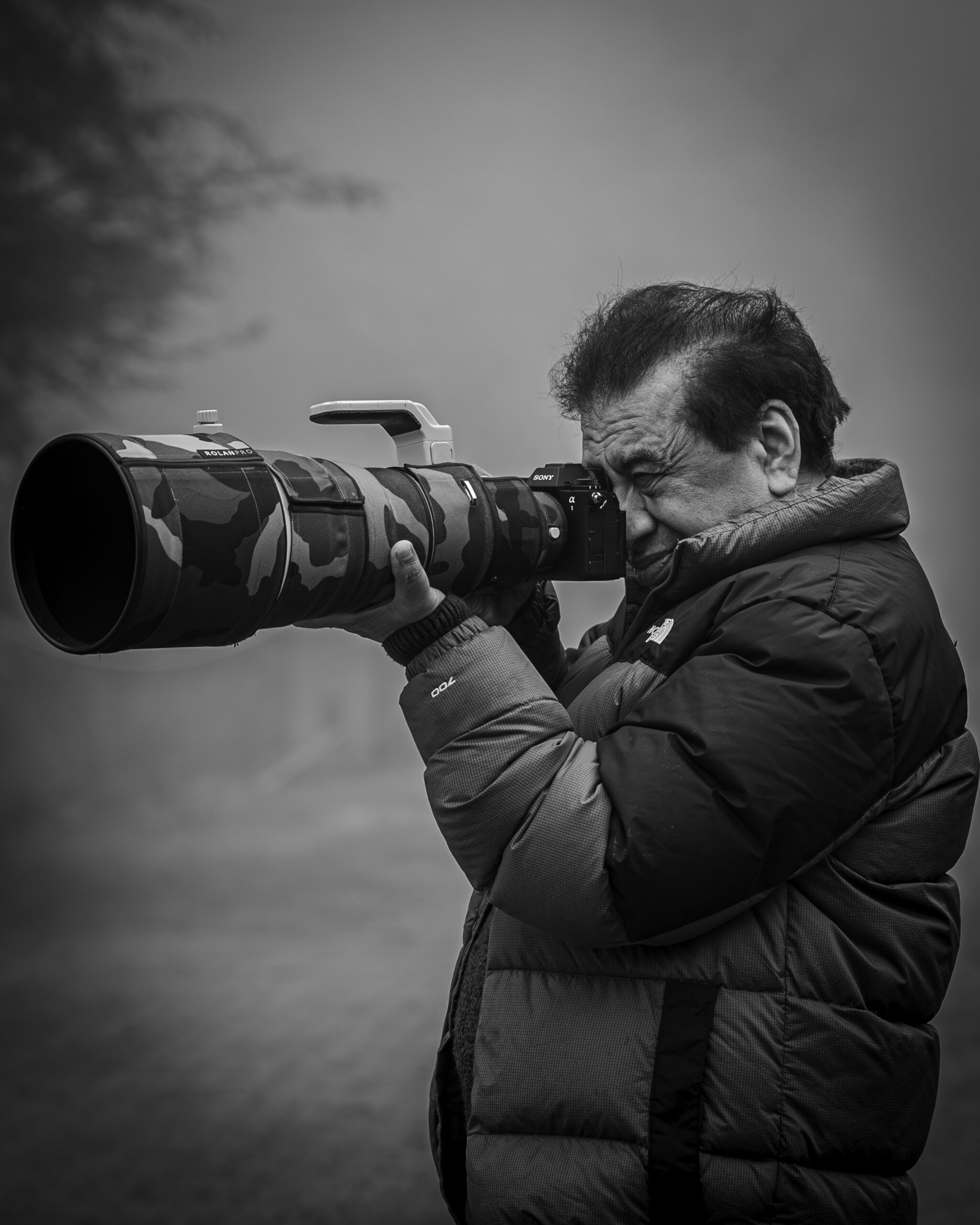
Yogesh Bhatia is a professional Wildlife photographer & mentor in India whose work reflects patience, observation, and a deep respect for nature. His journey in wildlife photography is shaped by countless hours in forests, observing animal behavior and waiting for moments that unfold naturally. Through his lens, wildlife is portrayed not just as subjects, but as living stories within their natural environment. His approach to Wildlife photography India focuses on authenticity rather than staged perfection, resulting in images that feel raw and immersive.