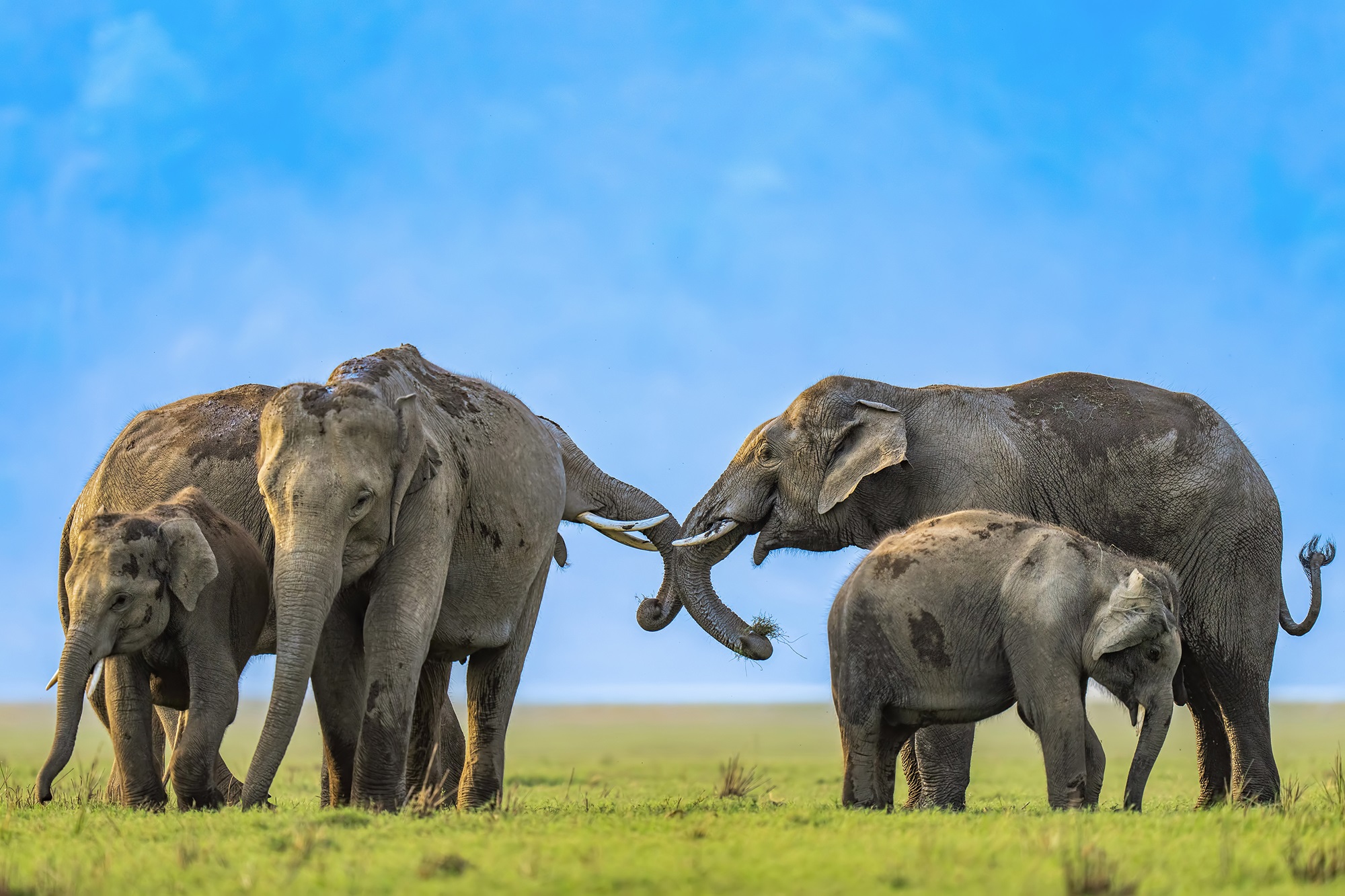
Quick Answer
To become a wildlife photographer in India, master camera fundamentals, buy a telephoto-capable kit, and practise on birds and mammals near home. Then join guided workshops in reserves like Corbett, Kanha and Ranthambore, build a portfolio, and publish it online. Study animal behaviour, follow forest rules ethically, and learn clean editing. Income comes from several streams: prints, tours, workshops, stock licensing and assignments. Expect three to five years of consistent fieldwork before earning steadily. A structured wildlife photography course India or mentor-led field training shortens that curve significantly.
Why India Is a Rewarding Place to Start?
India offers Bengal tigers, Asiatic lions, one-horned rhinos, snow leopards and over 1,300 bird species. Few countries pack this much variety into one region. You can shoot grassland predators in Madhya Pradesh, rhinos in Assam and snow leopards in Spiti, all within one country.
The challenge is that wildlife photography is not a quick-win profession. Success depends on patience, fieldcraft and ethics as much as on equipment.
Step-by-Step: How to Become a Wildlife Photographer in India
1. Master the Fundamentals First
Before chasing tigers, get comfortable with the exposure triangle: aperture, shutter speed and ISO. Practise on garden birds, street dogs, monkeys and urban lakes. Learn these essentials:
- Shooting in manual or aperture-priority mode
- Back-button autofocus and tracking moving subjects
- Using fast shutter speeds (1/1000s or higher) for action
- Reading light, especially the golden hours
2. Choose the Right Gear
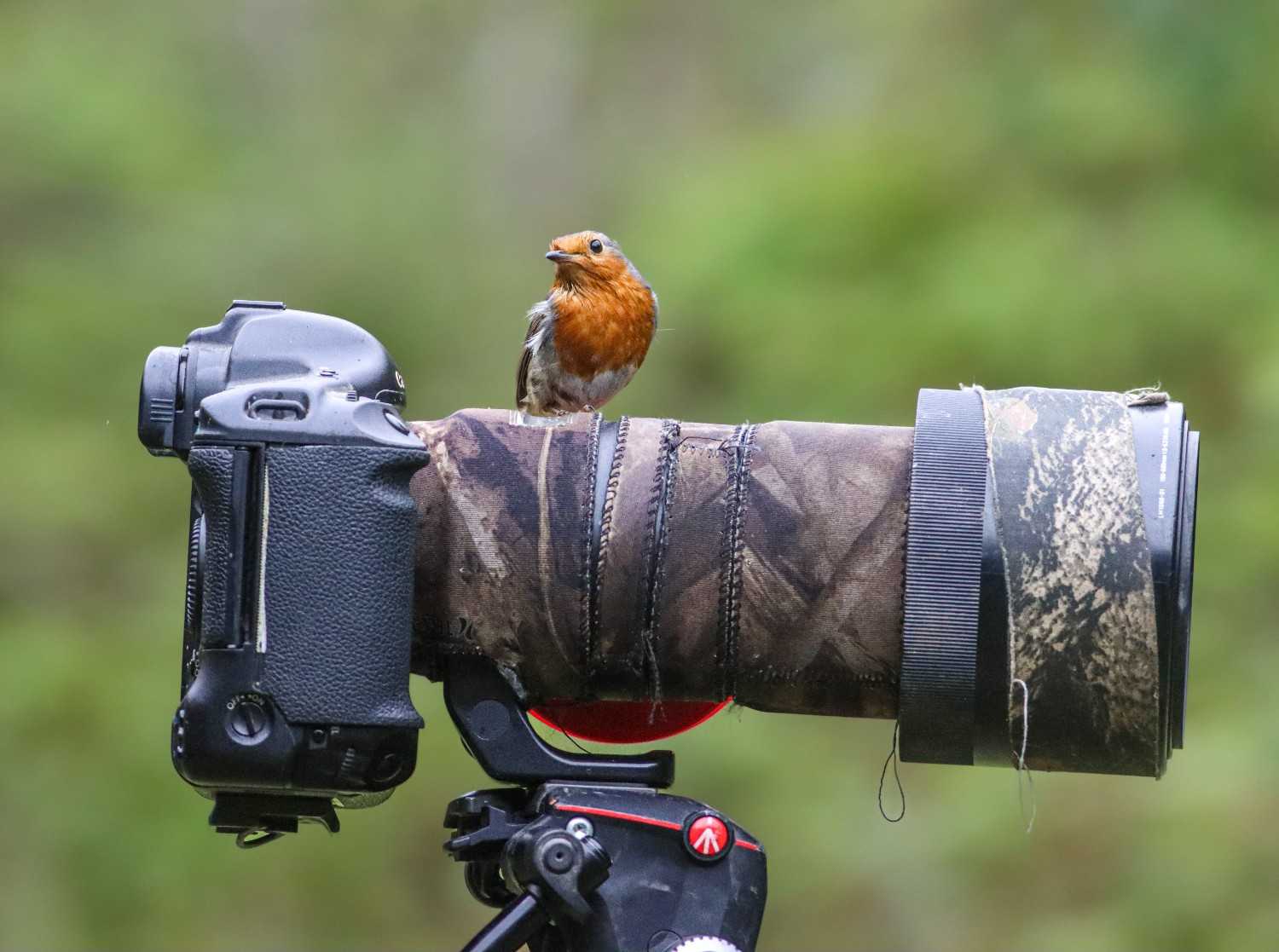
You do not need the most expensive kit, but you do need reach and fast autofocus. Most beginners start with a mirrorless or DSLR body and a 100–400mm or 150–600mm lens. Our guide to the best camera and lens for wildlife photography breaks down options for different budgets.
| Gear | Beginner Choice | Why It Matters |
| Camera body | Entry or mid-range mirrorless | Fast autofocus, low-light performance |
| Lens | 100–400mm or 150–600mm | Reach without disturbing animals |
| Support | Bean bag or monopod | Stable shots from safari vehicles |
| Storage | Multiple memory cards, SSD backup | Safeguards your work in remote areas |
| Accessories | Rain cover, extra batteries | Forests are unpredictable |
3. Learn Through a Course or Mentor
Self-teaching works up to a point, but field mentorship compresses years of trial and error. A well-designed wildlife photography course India should cover camera craft, animal behaviour, composition, ethics and post-processing. One-to-one learning is especially useful because feedback is tailored to your gear and skill level. Yogesh Bhatia offers this through private 1–1 wildlife photography mentoring.
4. Join Field Workshops
Classroom theory cannot replace time in the jungle. Wildlife photography workshops India let you practise with expert guidance, learn vehicle positioning and understand how to anticipate behaviour. Look for small groups, experienced leaders and itineraries timed to the best season. You can explore current wildlife photography workshops in India to see how a structured programme is organised.
5. Specialise in a Subject
Generalists struggle to stand out. Pick a niche and go deep:
- Big cats: tigers, leopards, snow leopards
- Birds: raptors, waders, Himalayan species
- Behaviour and storytelling: hunts, mating rituals, parenting
- Landscape with wildlife: animals within their habitat
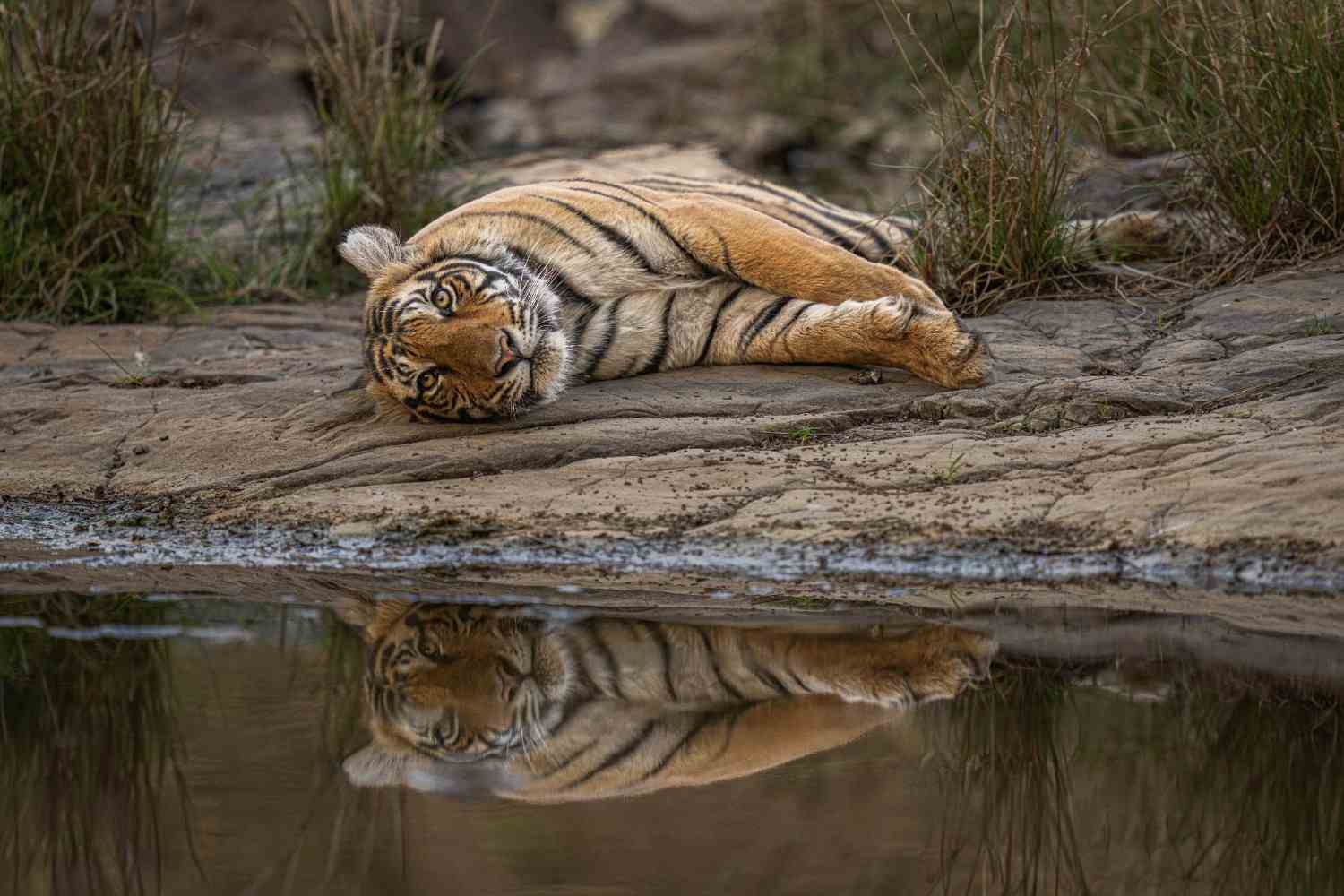
If tigers fascinate you, a dedicated tiger photography tour in India is one of the most effective ways to build specialist skills.
6. Build a Strong Portfolio
Quality beats quantity. Curate 20 to 30 of your best images that show technical skill, variety and storytelling. Publish them on a personal website and Instagram, and enter reputable competitions. Visual consistency matters more than volume.
7. Practise Ethical Photography
Ethics protect wildlife and your reputation. Never bait animals, never crowd a sighting, and follow all forest department rules. Authentic, undisturbed behaviour is also what photo editors and competition judges value most.
Wildlife Photography Career India: What Paths Exist?
A wildlife photography career India rarely means one job. Most professionals combine several income sources:
- Prints and fine-art sales: selling framed work to collectors and corporates
- Guiding tours and workshops: teaching others in the field
- Stock licensing: selling images to publishers and agencies
- Editorial and brand assignments: magazines, conservation groups, tourism boards
- Content creation: YouTube, social media, sponsored partnerships
- Mentoring and training: one-to-one and group instruction
Each stream grows with reputation. This is why building credibility early, through a strong portfolio, genuine fieldwork and a recognisable style, pays off later.
Wildlife Photographer Salary India: Realistic Expectations
There is no fixed pay scale. Income depends on your niche, network, consistency and how many revenue streams you build. The ranges below are indicative estimates based on general industry patterns, not guaranteed figures.
| Career Stage | Typical Experience | Indicative Annual Income (₹) |
| Beginner | 0–2 years | Often under ₹2–3 lakh, mostly from small sales or side income |
| Intermediate | 3–5 years | Roughly ₹3–8 lakh, combining assignments and workshops |
| Established | 6+ years | Roughly ₹8–25 lakh or more, with tours, prints and brand work |
Treat wildlife photographer salary India figures as variable. Many photographers keep a stable day job or complementary income during the first few years. Expenses such as safari fees, travel and gear are significant, so plan your finances carefully.
Where to Practise: Top Reserves for Aspiring Photographers
| Destination | Best For | Typical Season |
| Jim Corbett | Tigers, elephants, birds | Nov–June |
| Kanha | Tigers, barasingha, forest light | Oct–June |
| Ranthambore | Tigers near ancient ruins | Oct–June |
| Kaziranga | One-horned rhinos, elephants | Nov–April |
| Spiti Valley | Snow leopards, Himalayan wildlife | Jan–March |
Seasons and park rules change, so verify dates and permit requirements before booking. Guided wildlife photography tours across India take care of logistics, so you can focus on your craft.
Common Mistakes to Avoid
- Buying gear before learning skills: technique matters more than the brand
- Rushing to go professional: build skills and a portfolio first
- Ignoring post-processing: subtle, natural editing makes images polished
- Chasing only tigers: common species teach patience and composition
- Skipping safety and ethics: rules exist to protect both you and the animals
Final Thoughts
To become a wildlife photographer in India, treat it as a long-term craft. Learn the basics, get mentorship, spend serious time in the field, specialise, and build a portfolio that reflects your vision. Income follows credibility, and credibility follows consistent, ethical work.
Start small, stay patient, and let every safari teach you something new.
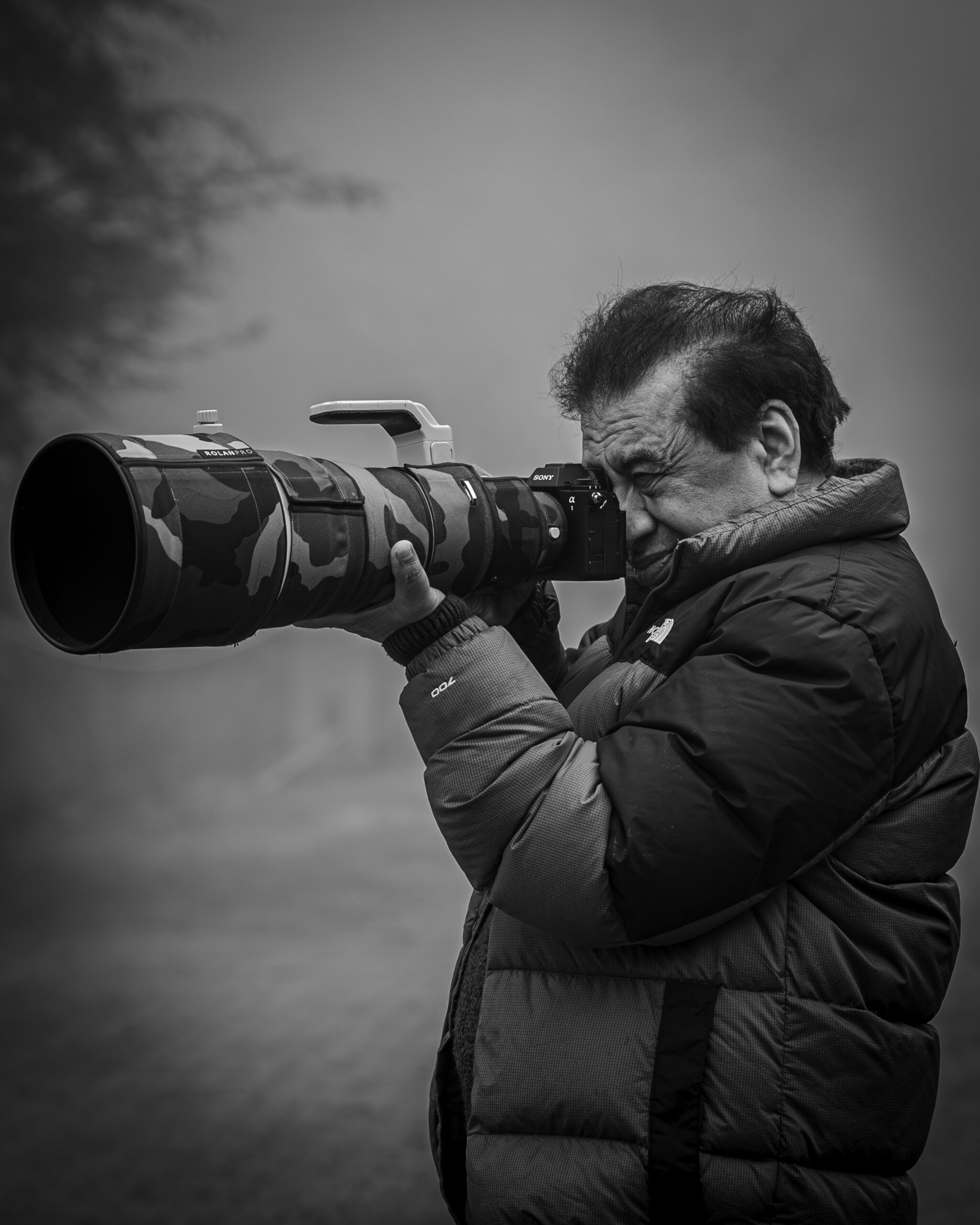
Yogesh Bhatia is a professional Wildlife photographer & mentor in India whose work reflects patience, observation, and a deep respect for nature. His journey in wildlife photography is shaped by countless hours in forests, observing animal behavior and waiting for moments that unfold naturally. Through his lens, wildlife is portrayed not just as subjects, but as living stories within their natural environment. His approach to Wildlife photography India focuses on authenticity rather than staged perfection, resulting in images that feel raw and immersive.