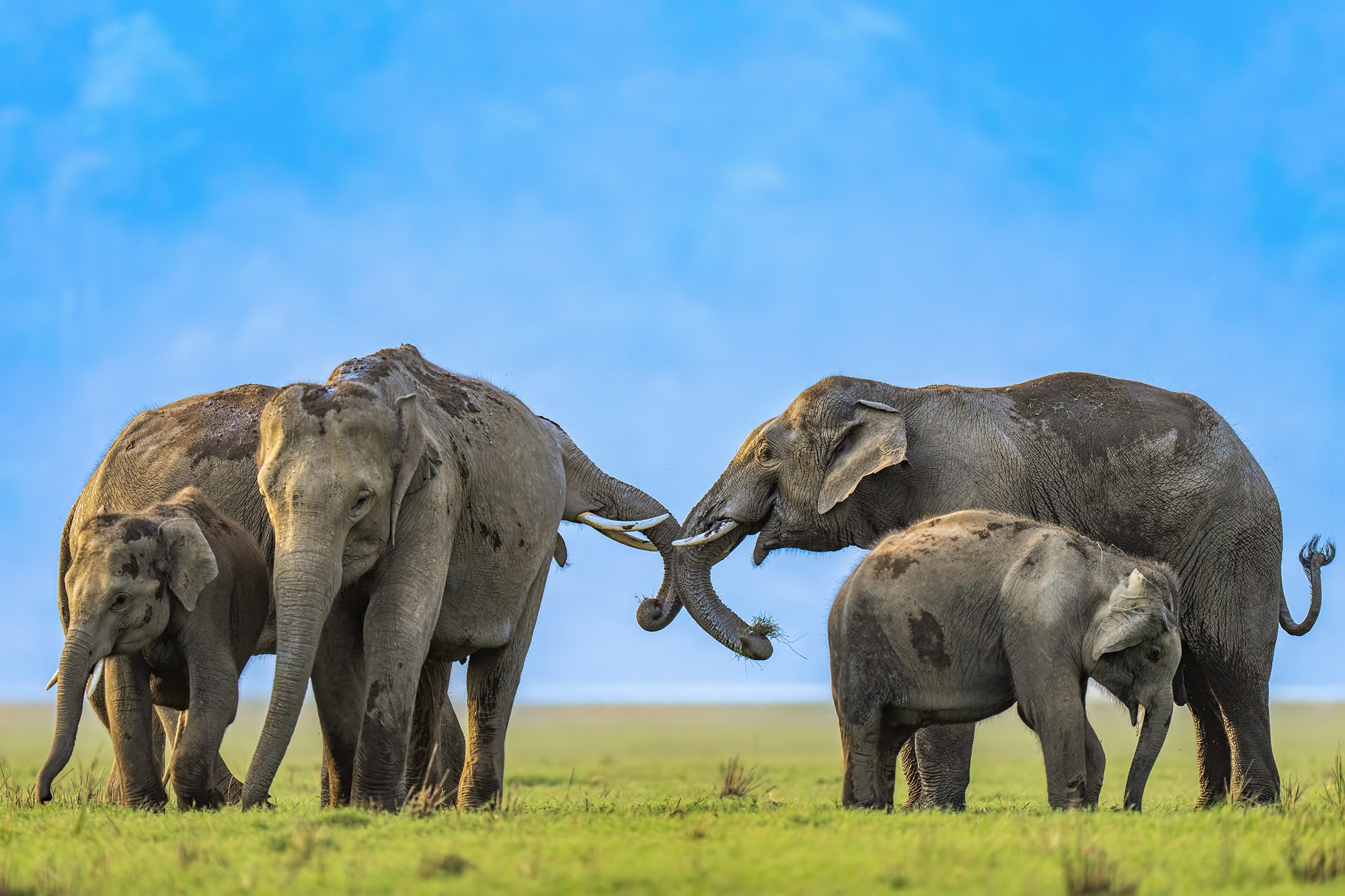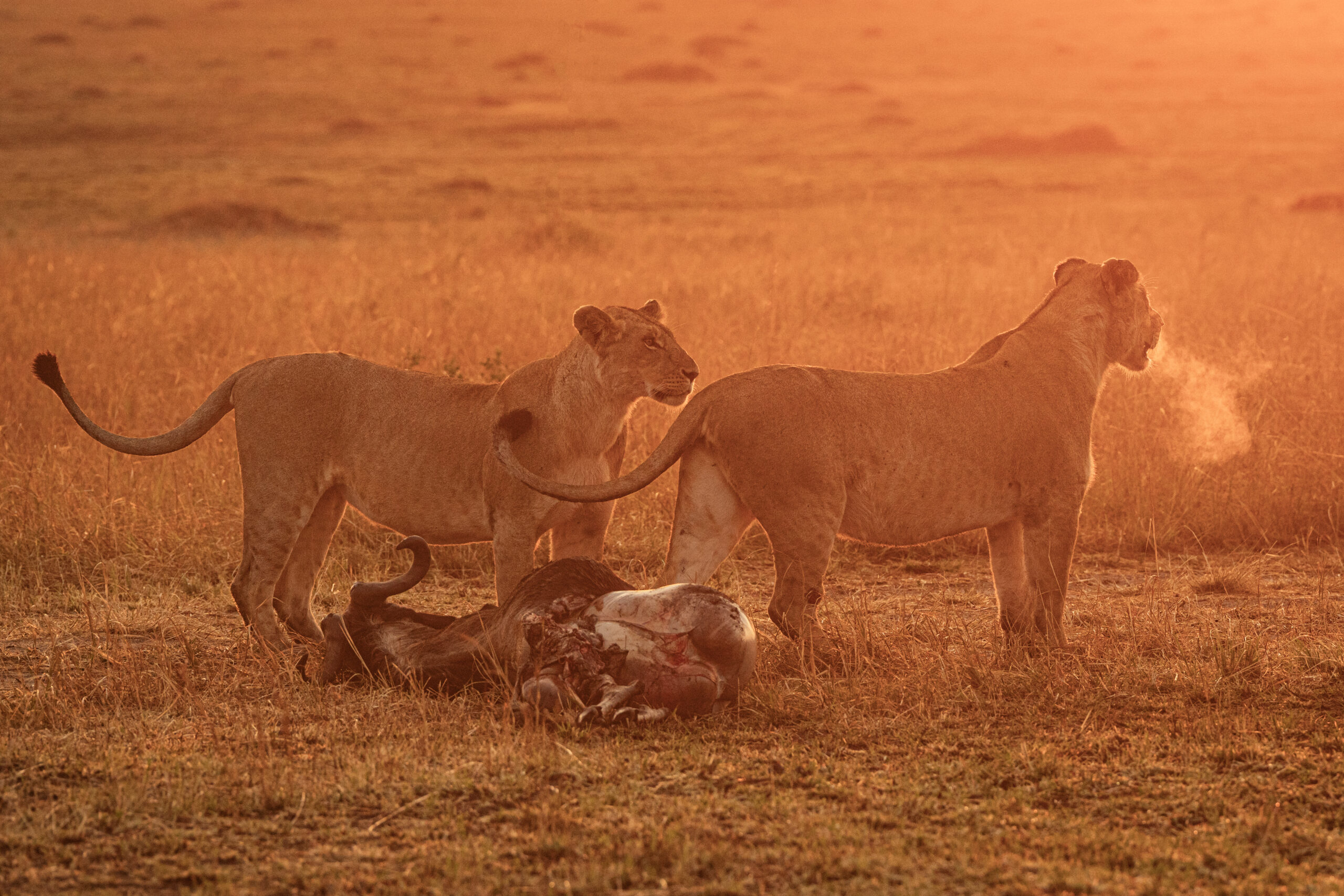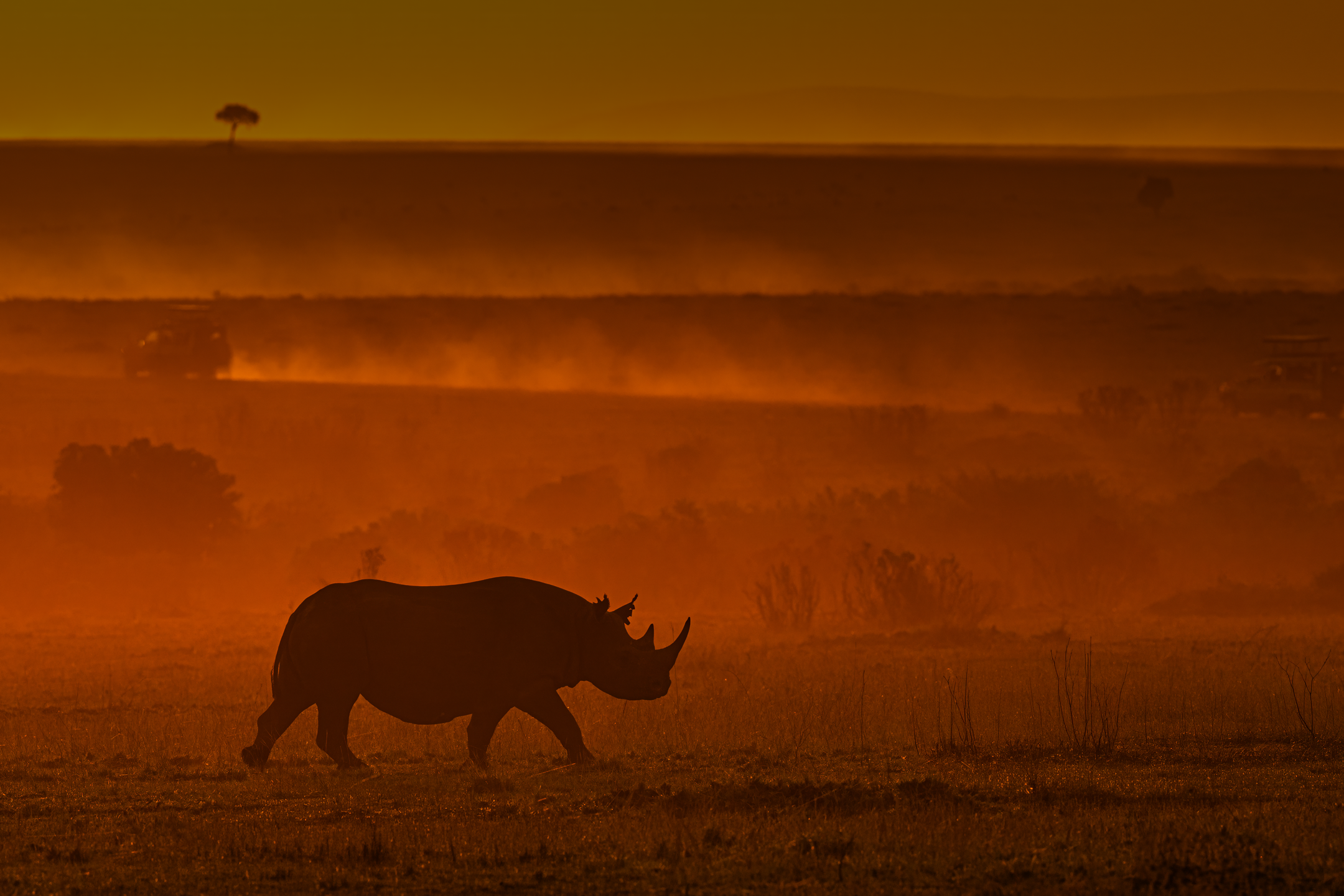
India is not simply a destination, it is a living, breathing theatre of the wild. Nowhere else on Earth can you photograph a Bengal tiger at dawn in a sal forest, watch a one-horned rhinoceros wade through Assamese mist, and track a snow leopard across Himalayan granite, all within the same country, across a single winter season.
For anyone serious about wildlife photography in India, 2026 offers an exceptional convergence: improved forest management, growing specialist tourism infrastructure, and photographic access to some of the world’s most biodiverse habitats, before they are overwhelmed by mass tourism.
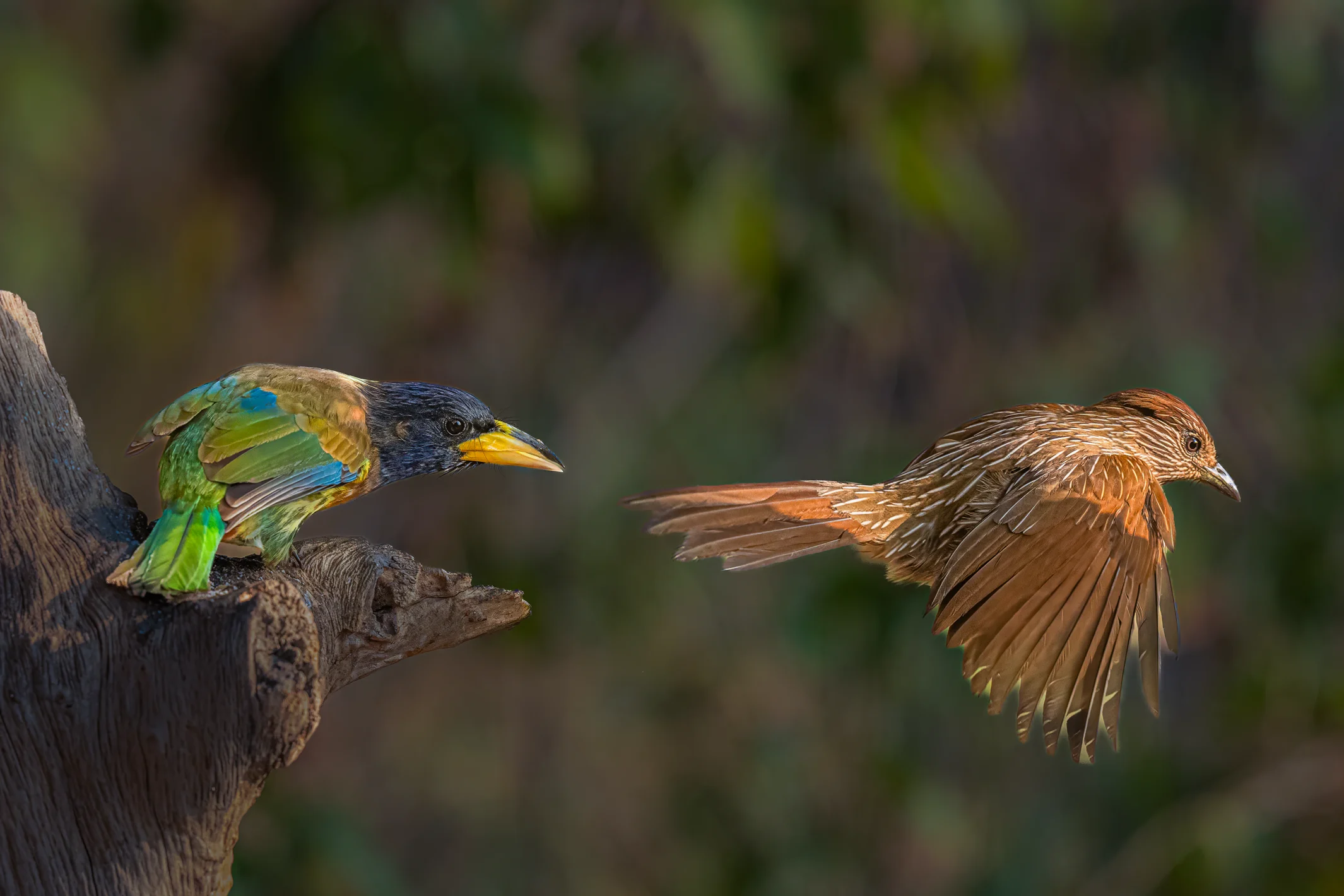
India hosts over 70 national parks and 500+ wildlife sanctuaries. It accounts for more than 70% of the global wild tiger population, protects the world’s largest Asian elephant herds, shelters Asiatic lions found nowhere else on the planet, and records close to 1,300 bird species. Yet the country remains significantly underexplored by the global wildlife photography community, which means less competition at prime sighting zones and a rawness to encounters that more heavily touristed destinations have long since lost.
This guide is written from years of on-ground field experience across India’s most celebrated and lesser-known wildlife habitats. It is structured to help photographers at every level, first-time visitors and seasoned practitioners alike, make smarter decisions about where to go, when to go, what to carry, and how to bring back images that genuinely stand apart from the crowd.
“India’s forests reward the patient. The photographers who plan with precision, understand animal behaviour, and respect the wild, they are the ones who return with extraordinary frames.”, Yogesh Bhatia, Wildlife Photographer & Mentor, New Delhi
Best Wildlife Parks in India for Photographers
Not all national parks are created equal, at least not from a photographer’s perspective. Zone layout, vehicle access, morning light direction, vegetation density, and the predictability of sightings all vary dramatically between reserves. The following parks are selected specifically for their photographic potential, not just their wildlife census numbers. They form the backbone of India Wildlife Tours run by experienced mentors who plan zone entry around sighting intelligence rather than tourist defaults.
1. Ranthambore National Park, Rajasthan
Ranthambore remains India’s single most dramatic setting for tiger safari photography. The park’s defining feature, a 10th-century Rajput fort rising above a lake system, creates a backdrop no other tiger reserve can match. Tigers around Raj Bagh, Padam Talao, and Malik Talao are extraordinarily habituated to vehicles, making prolonged, undisturbed observation possible in a way that is rare even across India.
From a photographer’s standpoint:
- Best light: Early morning on eastern zones (1, 2, 3); afternoon golden hour near zones 6 and 7 on the water bodies
- Key challenge: Dense vegetation in post-monsoon months (Oct–Nov); sightlines improve dramatically by February as scrub thins
- Signature frame: Tiger reflected in the still surface of Padam Talao at first light, one of the most iconic compositions in Indian wildlife photography
- Peak season: October to April; March is arguably the finest month for habituated, close-range tiger sightings
The upcoming Ranthambore Photography Workshop (Nov 2026), led personally by Yogesh Bhatia, is designed around zone-selection intelligence and light optimisation, not a standard tourist circuit. Few seats remain.
2. Jim Corbett National Park, Uttarakhand
India’s oldest national park and the birthplace of Project Tiger, Jim Corbett is a vast, complex ecosystem that rewards photographers who invest time in understanding its zones. The Dhikala zone, accessible only with forest rest house bookings, offers open grassland sightings with the Ramganga River as a backdrop, producing wide-angle wildlife compositions that are simply impossible in denser parks.
- Best zones for photography: Dhikala (open grassland, river frontage), Bijrani (dense forest, leopard territory), Durga Devi (birding, river gorges, excellent for fishing owl)
- Star subjects: Bengal tiger, Asian elephant, mugger crocodile, gharial, 600+ bird species including the Indian roller and rare brown fish owl
- Lighting note: The Dhikala chaur (grassland) is east-facing, arriving at the gate before first light positions you for golden-hour frames as animals emerge from the tree line
- Season: November to June; park closes during monsoon (July–October)
View Jim Corbett Photography Tour details including zone selection strategy and gypsy arrangement specifics.
3. Kanha National Park, Madhya Pradesh
Kanha is the park that inspired Rudyard Kipling’s The Jungle Book, and standing in its sweeping meadows at dawn, that fiction feels entirely real. Kanha’s barasingha (hard-ground swamp deer) are endemic to this reserve, alongside one of India’s most stable tiger populations. The park’s open meadow-to-forest transition zones are uniquely photographer-friendly: you get action shots in clean sightlines, then intimate forest frames within the same morning.
- Photographic advantage: Wide meadow corridors allow long-lens work with clean, uncluttered backgrounds, 500mm or 600mm glass performs exceptionally well here
- Signature species: Bengal tiger, barasingha, gaur (Indian bison), leopard, dhole (Indian wild dog), sloth bear
- Best zones: Kanha and Kisli zones for tigers; Mukki zone for barasingha herds and elephant sightings
- Season: November to June; March to May as water sources consolidate and sightings become more predictable
Browse the Kanha Photo Safari itinerary to understand how zone access is planned around seasonal sighting patterns.
4. Bandhavgarh National Park, Madhya Pradesh
If a single metric defines photographic success on a safari, it is time on subject. By that measure, Bandhavgarh is India’s most productive park. It holds one of the highest tiger densities of any reserve in the world, and its tigers move through rocky hillsides, open grasslands, and dense bamboo, creating a visual diversity that keeps a photographer engaged across multiple safari drives. This is the premier destination for structured wildlife photography tours centred on tiger encounters.
- Tala zone: Consistently produces the highest sighting frequency; rocky terrain creates dramatic natural foregrounds around resident tigers
- Magadhi zone: More forest-heavy; superior for leopard, jungle cat, and dhole encounters with a distinctive atmospheric quality
- Photographer’s tip: Bandhavgarh’s Sheshsaiya ridge allows the rare chance to photograph a tiger against an ancient stone sculpture, a compositional element found nowhere else in Indian wildlife photography
- Season: October to May; February and March for the clearest sightlines and highest confidence on daily sightings
See tour dates for the Bandhavgarh Tiger Photography Tour.
5. Kaziranga National Park, Assam
A UNESCO World Heritage Site and one of the great conservation success stories of the 20th century, Kaziranga is the definitive destination for photographing the Indian one-horned rhinoceros, with 2,600+ animals across its flood plains. But Kaziranga delivers far more: it hosts the highest tiger density of any reserve in the world by area, alongside enormous herds of wild elephants and water buffalo. The park’s early-morning mist photography possibilities, unique elephant-back access, and range-specific terrain produce image types simply not replicable anywhere else in India.
- Central range: Elephant-back safari (unique to Kaziranga) provides ground-level rhino access for intimate 70-200mm work, an extraordinary experience
- Western range: Open grassland with rhinos, elephants, and exceptional mist photography in the hour after dawn
- Eastern range: Dense forest; higher probability for tigers and fishing cats, lower frequency but dramatically higher drama
- Season: November to April; park closes May–October due to annual Brahmaputra flooding
The Kaziranga Rhinos-Tigers Photography Tour covers Central and Western ranges with range-specific timing designed to maximise both rhino and tiger photographic opportunities.
6. Panna Tiger Reserve, Madhya Pradesh
Panna occupies a special place in conservation history, declared locally tiger-extinct in 2009, its population now stands at over 80 tigers following a landmark translocation programme. The Ken River gorge creates extraordinary riverine landscape photography, and the combination of tigers, one of India’s last significant vulture colonies, and mugger crocodiles makes Panna one of the most photogenically layered destinations in central India. It is also considerably less crowded than Ranthambore or Bandhavgarh, meaning more vehicle time at productive locations.
- Unique angle: The Ken River gorge delivers dramatic backlighting opportunities at sunrise unavailable in any other Madhya Pradesh reserve
- Emerging destination: Fewer photographers per zone means extended, uninterrupted time at tiger sightings, a significant practical advantage for serious photographers
- Season: October to May
Book the Panna Tiger Reserve Photography Tour (Oct 2026), one of the few remaining bookings for the 2026–27 season.
7. Spiti Valley, Himachal Pradesh, Snow Leopard Territory
For photographers willing to embrace genuine physical challenge, Spiti operates in a category entirely its own. At 3,800–4,600 metres, the cold desert of the Spiti Valley hosts the snow leopard, one of the most elusive large cats on the planet. Sightings require days of patient observation from high ridges using spotting scopes, and the rewards, a ghost cat moving across grey granite or descending toward prey against a frozen river valley, are among the rarest frames any wildlife photographer can obtain.
- Key locations: Kibber Wildlife Sanctuary, Langza, Chicham, local naturalist guides are essential and non-negotiable
- Best months: January to March; bharal (blue sheep) movement drives snow leopard activity downslope to photogenic altitudes
- Gear note: Lithium batteries are essential (cold destroys standard batteries rapidly); mirror-lock-up and cable release critical to eliminate camera shake in extreme cold
Explore the Spiti Valley Photo Tour, Yogesh Bhatia’s snow leopard expeditions include local naturalist guide coordination, high-altitude logistics, and dedicated spotting scope setups for pre-dawn observation.
Best Wildlife Parks in India, Quick Reference for Photographers
| Park | State | Signature Species | Best Months | Photographic Strength |
| Ranthambore | Rajasthan | Bengal Tiger | Oct – Apr | Fort backdrop, water body reflections |
| Jim Corbett | Uttarakhand | Tiger, Elephant, 600+ Birds | Nov – Jun | Dhikala grasslands, river frontage |
| Kanha | Madhya Pradesh | Tiger, Barasingha, Dhole | Nov – Jun | Open meadows, clean backgrounds |
| Bandhavgarh | Madhya Pradesh | Bengal Tiger, Leopard | Oct – May | Highest tiger density, rocky terrain |
| Kaziranga | Assam | One-Horned Rhino, Tiger | Nov – Apr | Herd behaviour, mist photography |
| Panna | Madhya Pradesh | Tiger, Vulture, Crocodile | Oct – May | Ken River gorge, backlighting, low crowds |
| Spiti Valley | Himachal Pradesh | Snow Leopard, Wolf, Bharal | Jan – Mar | High altitude drama, ultra-rare subjects |
Mastering Tiger Safari Photography
The Bengal tiger is India’s greatest photographic subject, and also its most demanding. Tigers operate within large territories, move unpredictably, and exist in habitats ranging from open grasslands to near-impenetrable bamboo. Bringing home a sharp, well-lit, behaviourally meaningful tiger frame requires preparation that goes far beyond selecting the right zone. The following technical framework is drawn directly from field practice across India’s best wildlife parks over many seasons.
Camera Settings for Indian Forest Conditions
Indian forest canopies are deceptive. Under a sal or teak canopy at 6:30 AM, light levels can be 5–10 lux, requiring settings that would surprise photographers accustomed to open savannah work.
Shutter Speed
- Stationary tiger: Minimum 1/500s
- Walking or alert animal: 1/1000s or above, never compromise
- Action (charge, pounce, cub interaction): 1/2000s to 1/4000s
- Critical field tip: Gypsy engines create micro-vibration transmitted through the chassis, switch off the engine immediately when a sighting develops; even 1/800s will show engine-blur at 600mm if the engine is running
ISO Management
- Sony Alpha 1, Canon R5 MkII, Nikon Z9: ISO 6400–12800 in deep forest conditions is fully acceptable with modern noise-reduction workflows; never under-expose in pursuit of clean ISO
- Core principle: A sharp, correctly-exposed image at ISO 8000 is infinitely preferable to a clean but motion-blurred frame at ISO 800
- Recommended configuration: Auto-ISO capped at 12800, Shutter Priority at 1/1600s for all movement situations; drop floor to 1/800s only for confirmed stationary observations in good light
Autofocus Settings
- Animal Eye AF: Enable on all modern mirrorless systems; even a partially obscured tiger in dappled vegetation will be tracked if one eye is visible
- Zone AF: Use a wide zone rather than spot AF; tigers move unpredictably and a spot AF point will miss frames that a wide zone would have caught
- Tracking: Pre-enable tracking before the subject enters your frame; switching mid-encounter costs critical seconds that frequently determine whether you capture the behaviour or miss it entirely
Lens Selection for Tiger Safari Photography
| Scenario | Recommended Lens | Rationale |
| Open grassland (Kanha, Dhikala) | 500mm f/4 or 600mm f/4 prime | Maximum reach for distant subjects; superior light gathering in canopy shadow |
| Forest roads (Bandhavgarh, Corbett) | 200-600mm f/5.6 or 100-500mm zoom | Flexibility for sudden close encounters where a prime may not focus |
| Water body / bathing tiger | 400mm f/2.8 + 1.4x TC | Subject fills frame; shallow DOF isolates against complex water reflections |
| Wide context / habitat storytelling | 70-200mm f/2.8 | Environmental framing, tiger within its landscape, not extracted from it |
| Birding (secondary subject) | 150-600mm or 200-600mm | Versatile reach for perched and in-flight subjects across varying distances |
Reading Tiger Behaviour in the Field
Technical settings matter far less than behavioural anticipation. The photographers who return with extraordinary tiger frames are those who invest in field knowledge before they ever raise a camera:
- Master alarm calls: Spotted deer, langur monkeys, and jungle fowl produce distinct alarm vocalisations when a predator is nearby; understanding the sequence tells you whether the tiger is approaching, stationary, or retreating, giving you 60–90 seconds of positioning advantage
- Study territory patterns: Dominant male territories are stable over years; studying park range maps and sighting archives before arriving is as important as lens selection
- Position for behaviour, not proximity: A tiger approaching a water body or a female calling cubs creates a predictable, repeatable scene, positioning 15 minutes in advance on the downwind side of the predicted path consistently outperforms reactive vehicle chasing
- Read ears and tail: Flattened ears and a low-carried tail signal hunting focus; raised tail and loose gait indicate a patrolling tiger, your shooting mode and anticipation changes completely depending on the state you are observing
Field insight from 15+ years in Indian reserves: the single most common cause of missed frames is engine-on vibration at the moment of action. Develop the immediate habit of switching the engine off at every sighting, always, before you raise the camera.
Choosing the Right India Wildlife Tours and Wildlife Photography Tours
The India wildlife tours market has expanded significantly over the past decade, but the distance between a generic jungle safari and a dedicated wildlife photography tour is vast. Most standard operators optimise for number of species identified, not for photographic output. Understanding this distinction before booking determines whether you return with transformational images or mediocre snapshots that don’t reflect your actual skill level.
What Makes a Photography-Specific Tour Different
| Factor | Generic Wildlife Tour | Dedicated Photography Tour |
| Group size | 6–10 per vehicle | 2–4 photographers maximum |
| Zone selection | Tourist allocation, random | Intelligence-based; recent sighting data and naturalist networks |
| Time per location | Fixed rotation with quick exits | Extended time at productive spots, no rushed departures |
| In-vehicle guidance | Species commentary only | Composition, light-reading, and AF coaching in real time |
| Evening session | None | Image review + camera setting optimisation for the following morning |
| Permit logistics | Standard tourist permit | Custom timing for high-productivity zones and first-entry access |
| Accommodation | Any hotel near park | Gate-proximity positioning for earliest possible safari entry |
Key Criteria When Evaluating a Wildlife Photography Tour Operator
1. The guide’s own photographic credential
A naturalist who can identify 500 bird species is invaluable for spotting, but if they cannot explain why 1/1600s will be sharper than 1/800s in a specific light condition, or help you interpret a live histogram in the field, they are not a photography guide. Verify the operator’s own published portfolio before paying any deposit.
2. Group size per vehicle
Four is the functional maximum for productive photography; six destroys the experience. When multiple cameras swing toward the same subject, photographers block sightlines and the vehicle cannot reposition cleanly. Insist on written confirmation of maximum vehicle occupancy.
3. Zone access strategy
Ask directly: ‘Which zones do you book, and on what basis?’ An operator who gives a vague answer about ‘best zones’ is following tourist-default allocation. A serious operator references specific intelligence from naturalist field networks and adjusts zone selection based on current-season data. This is standard practice on Yogesh Bhatia’s wildlife photography tours.
4. Post-safari image review
Evening image review sessions, where shots are assessed with specific, technical feedback against field conditions, are the difference between a tour that feels good in the moment and one that genuinely elevates your photography. Non-negotiable on any serious programme.
5. Private vs small-group options
For photographers with specific goals, a particular species, a focused technique, or a first experience requiring more intensive coaching, a 1-on-1 private wildlife photography mentorship offers a depth of personalisation that no group tour can replicate.
2026 Tour Calendar Highlights
| Tour | Duration | Dates | Price (per person) | Status |
| Panna Tiger Reserve Photography Tour | 4 Days / 3 Nights | 08–11 Oct 2026 | ₹45,500 | Booking Open |
| Ranthambore Photography Workshop | 4 Days / 3 Nights | 20–23 Nov 2026 | ₹63,000 | Few Seats Left |
| Northeast India Wildlife Expedition | 10 Days / 9 Nights | 15–24 Jan 2027 | ₹2,75,000 | Booking Open |
| Masai Mara Great Migration (Kenya) | 6 Days / 5 Nights | 27 Jul – 1 Aug 2026 | $2,700 | Few Seats Left |
For the complete schedule and current availability, visit the Wildlife Photography Tours page.
2026 Wildlife Photography Checklist & Ethical Guidelines
Essential Gear Checklist for Indian Safari Conditions
Camera Bodies
- Primary body: Sony Alpha 1, Canon EOS R5 Mark II, or Nikon Z9, any body with Animal Eye AF, blackout-free shooting, and minimum 20fps burst
- Backup body: Non-negotiable; forest conditions, dust, humidity, 5:30 AM starts over 5-day tours, test equipment reliability severely
- Weather sealing: Essential; morning dew, rain showers, and red laterite dust (particularly in Rajasthan and Madhya Pradesh parks) will compromise unsealed bodies within a single season
Lenses
- Core telephoto: 400mm f/2.8 or 500mm f/4 prime (maximum sharpness and light gathering) OR 200-600mm f/5.6 zoom (flexibility for variable-distance forest encounters)
- Mid-range: 70-200mm f/2.8 for environmental shots, habitat context framing, and bird photography where reach is secondary to gathering light
- Wide: 24-70mm for landscape context, habitat storytelling, and behind-the-scenes documentation
- Teleconverters: 1.4x is the practical limit on primes without significant AF degradation; 2x only for well-lit, stationary subjects where AF demands are low
Support & Field Accessories
- Beanbag: The single most important support item for safari photography; rigid tripods are impractical in gypsies
- CFexpress cards: Minimum 512GB each; carry at least 3 cards for a 5-day tour; burst photography fills cards faster than photographers expect
- Batteries: Minimum 4 per body; cold early mornings and sustained burst shooting drain batteries rapidly, particularly in Spiti and Corbett winter conditions
- Laptop + dual portable drives: Nightly backup is non-negotiable; losing a week of images to card failure in the field is an avoidable catastrophe
- Lens cleaning kit: Rajasthan and Madhya Pradesh red dust coats front elements within the first morning; clean between every safari drive
- ND filters: For slow-shutter water body and landscape frames during the golden hour window after primary wildlife activity
For a curated, Sony-specific gear guide with Indian safari-context recommendations, visit the Best Camera and Lens for Photography resource page.
Ethical Guidelines for Wildlife Photography in India
India’s forests are not a set. The animals you photograph are wild subjects operating within complex ecological systems. The following principles are absolute and non-negotiable, they do not get suspended when the light is perfect or the subject is close.
The Non-Negotiables in the Field
- Never leave the vehicle: Forest department regulations prohibit this categorically; any driver or operator who suggests otherwise is both acting illegally and endangering participants, report them to the range officer immediately
- No baiting or calling: Artificially attracting wildlife, including using recorded bird calls to draw species in, disrupts natural behaviour, habituates animals to human contact, and is indefensible regardless of the photographic result
- Maintain non-disruptive distance: If a tiger, elephant, or any large mammal changes behaviour in response to your vehicle’s presence, you are too close; retreat immediately, the shot is not worth the disturbance to the animal
- Silence is a tool: Switch off engines at sighting locations; keep voices low; a silent vehicle not only avoids disturbing wildlife but frequently results in the animal approaching out of curiosity, producing frames that a disruptive approach never would
- No flash photography: Prohibited in all Indian national parks and actively harmful, particularly for crepuscular and nocturnal species at the low-light hours when they are most visible
- Respect queue protocols: At active sightings, multiple vehicles will arrive; honour the positioning rotation managed by forest guards, aggressive manoeuvring destroys both sighting quality and the experience for fellow photographers
- Limit time at nesting or denning sites: A tigress with small cubs, a raptor at a cliff nest, a sloth bear at a den, these require strictly time-limited, silent, minimum-disturbance observation; your photographic access to these sites is a privilege, not a right
The Ethics of Post-Processing
- No digital wildlife additions: Compositing animals into scenes, removing competing vehicles, or adding artificial backgrounds misrepresents reality and damages the credibility of honest wildlife photography
- Natural colour and contrast: Heavy over-saturation, artificial skin-texture manipulation, or sharpening to the point of haloing are forms of dishonesty in wildlife documentation
- Caption with accuracy: If you photograph a captive animal, say so; misrepresenting captive wildlife photography as wild is one of the most damaging ethical failures in the genre, and increasingly, experienced editors and curators can identify it
“We are guests in these forests. Every photograph we take must be earned through patience and respect, never at the cost of the animal’s comfort, safety, or natural behaviour.”, Yogesh Bhatia
Conclusion: Why 2026 Is the Year for Wildlife Photography in India
India’s wild spaces are, against considerable odds, in better condition in 2026 than they were a decade ago. Tiger populations have recovered. Rhinoceros numbers continue to grow. Snow leopard research has opened new corridors for responsible photographic access. Forest departments have simultaneously strengthened anti-poaching measures and professionalised photography tourism in a way that serves both conservation and visitor experience, a model other countries are beginning to study.
For the wildlife photographer, this creates a rare convergence: authentic, wild, ecologically functioning habitats that are increasingly accessible, but not yet overwhelmed by the mass tourism volumes that have transformed parts of East Africa and Southeast Asia.
The photographers who return from India in 2026 with genuinely exceptional images will be those who plan with precision, invest in the right expertise, respect the ethics of the craft, and, most importantly, allow themselves to sit patiently in a gypsy at 5:30 AM, watching a sal forest come alive, letting the forest dictate the frame.
India will not hurry for you. But if you wait, and if you know what to look for, it will show you something extraordinary.
Ready to plan your 2026 India wildlife photography experience? View all open tours and workshops or contact Yogesh Bhatia directly to discuss custom itineraries, private mentorship, and 1-on-1 programme options.
Frequently Asked Questions
What is the best month for tiger photography in India?
March to May is the peak period for tiger photography across central Indian reserves, Ranthambore, Bandhavgarh, Kanha, and Panna. As temperatures rise, vegetation thins and water sources consolidate, drawing tigers to predictable locations during daylight hours. March combines clear sightlines with manageable temperatures. October to November (post-monsoon park reopenings) is excellent for Bandhavgarh and Ranthambore, where tigers are highly active and the landscape is freshly lush.
What camera gear is best for Indian wildlife safaris?
The essential combination for Indian safaris: a mirrorless camera body with Animal Eye AF and minimum 20fps burst (Sony Alpha 1, Canon EOS R5 Mark II, and Nikon Z9 are the 2026 benchmarks), a telephoto lens in the 400–600mm range, a beanbag for vehicle-based support, and CFexpress memory cards. Weather sealing is critical. A backup body is strongly recommended for any multi-day tour. Full details on the Best Camera and Lens for Photography page.
Which is the best national park for wildlife photography in India?
There is no single answer, the best park depends on your primary photographic objective. Bandhavgarh offers the highest probability of close tiger encounters. Kaziranga is unmatched for one-horned rhinoceros. Ranthambore offers the most compositionally dramatic backdrop. Kanha provides the cleanest backgrounds and widest meadow sightlines. For first-time visitors to India focused on tiger safari photography, Ranthambore or Bandhavgarh are the most consistently productive starting points.
How much does a wildlife photography tour in India cost?
Dedicated wildlife photography tour costs in India range from ₹40,000 to ₹75,000 per person for a 4-day domestic programme (excluding flights), depending on destination, group size, and the operator’s expertise. Premium multi-destination expeditions such as the Northeast India Wildlife Expedition or international programmes range significantly higher. Budget safaris without dedicated photographic guidance are available at lower price points but deliver substantially different outcomes.
Are wildlife photography tours in India suitable for beginners?
Yes, with the right structure. Tours led by professional wildlife photographers calibrate instruction to each participant’s skill level. For complete beginners, a 1-on-1 private wildlife photography programme is particularly effective, as technical coaching and field guidance are entirely personalised to the individual’s pace and current knowledge.
What ethical rules must wildlife photographers follow in Indian national parks?
All national parks in India prohibit: exiting the safari vehicle, flash photography, feeding or baiting animals, using recorded animal calls, and off-road driving. Beyond regulations, professional ethical standards require maintaining a distance that does not alter animal behaviour, strictly limiting time at denning or nesting sites, and ensuring that photographic pursuit never compromises animal safety. Responsible wildlife photography in India is built on a single principle: the animal’s welfare always takes precedence over any single image.
Can I photograph snow leopards in India?
Yes. Spiti Valley in Himachal Pradesh, specifically the Kibber Wildlife Sanctuary, is one of the most reliable global destinations for snow leopard photography. January to March is the prime window, when bharal movement draws snow leopards to lower, more photogenic altitudes. Sightings require multiple days of high-altitude observation, extreme cold management, and expert local naturalist guidance. The Spiti Valley Photo Tour by Yogesh Bhatia handles all logistics and guide coordination.
How do I choose between India wildlife tours and self-organised safaris?
Self-organised safaris allow flexibility but require considerable advance planning: permit booking (often 30–45 days ahead), zone selection without sighting intelligence, accommodation coordination, and individual gypsy arrangement. For photographers prioritising photographic output over logistical control, particularly on a short trip, a guided photography tour provides zone selection intelligence, equipment-appropriate vehicle positioning, and real-time in-field coaching that self-organised visits cannot replicate.
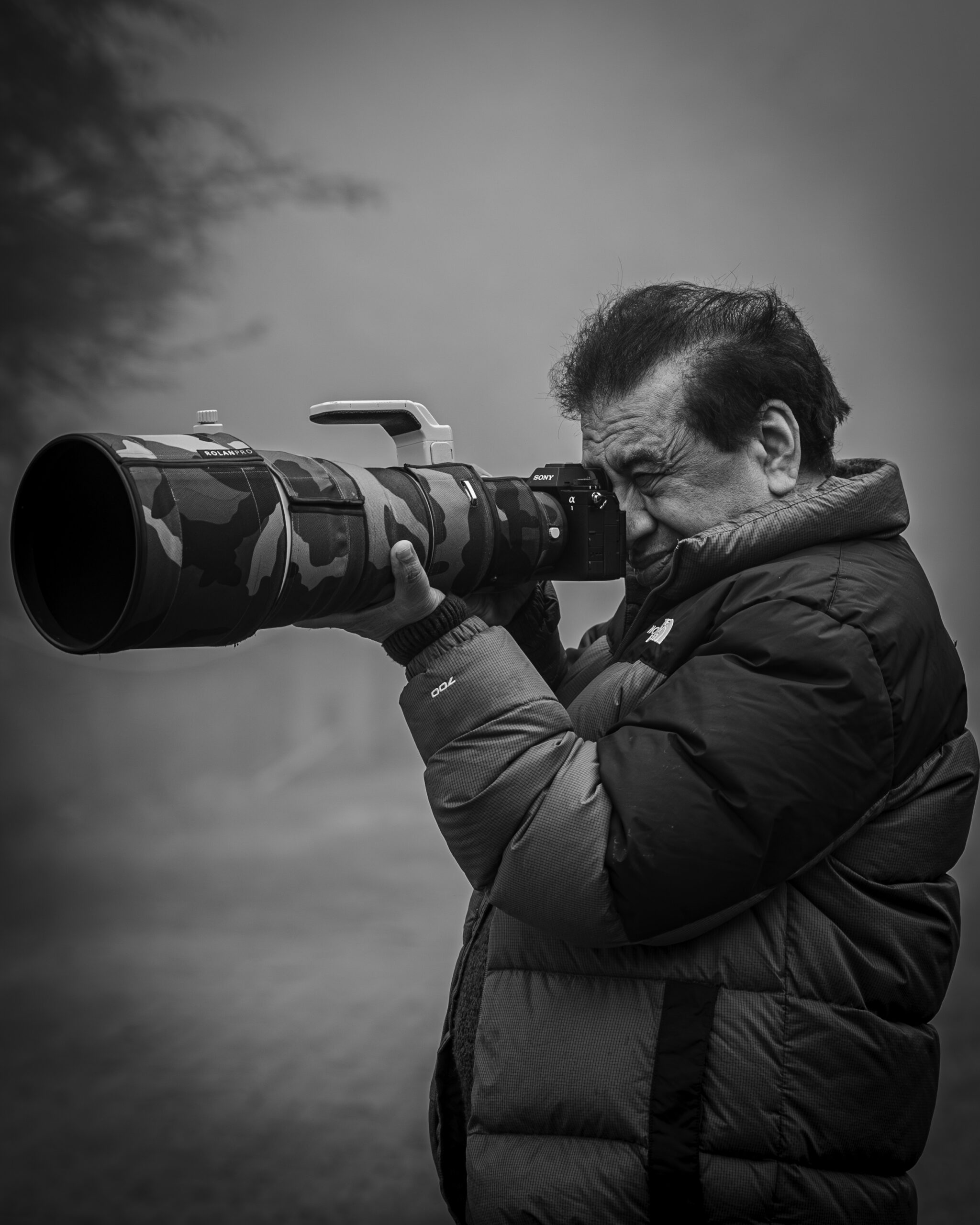
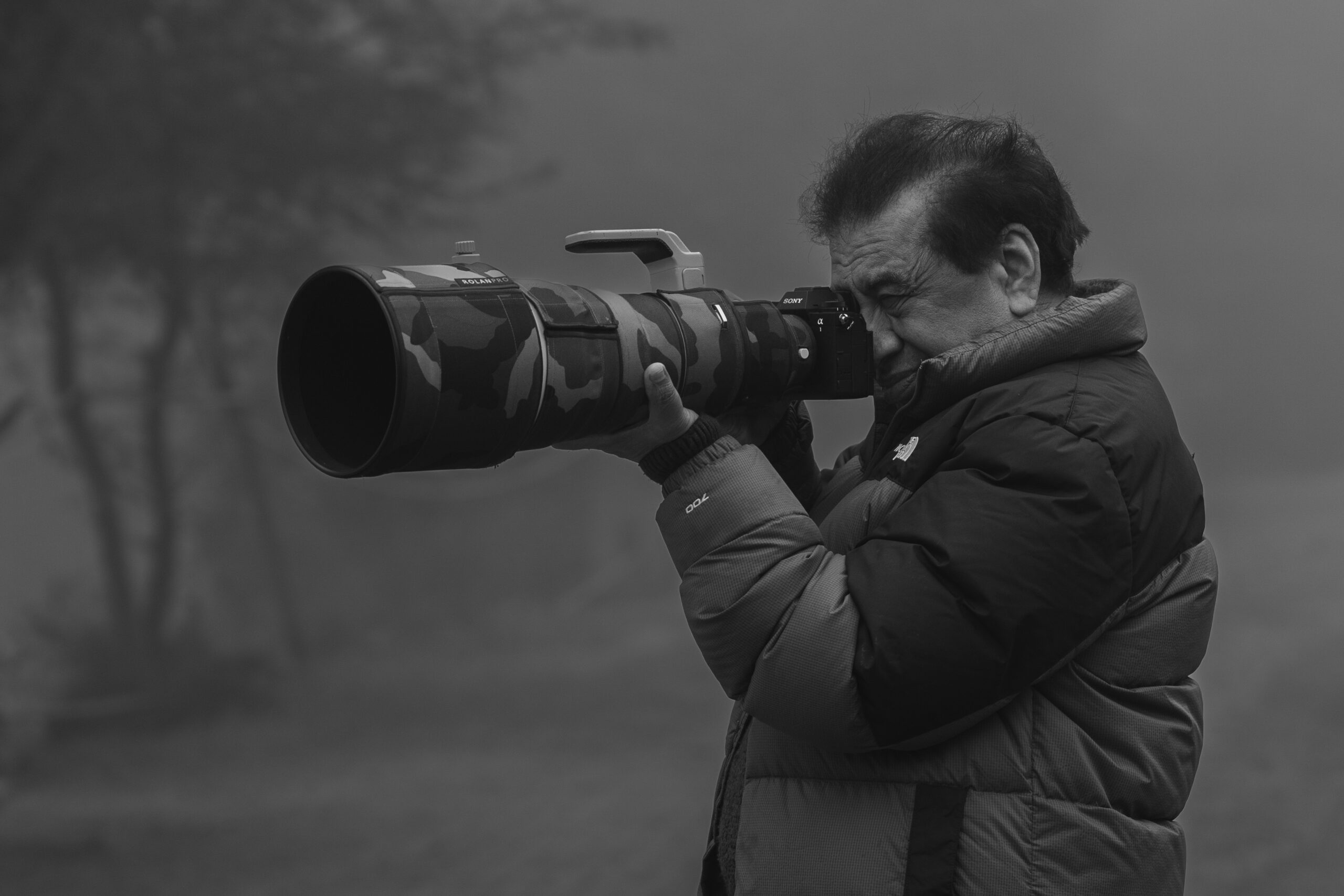
Yogesh Bhatia is a professional Wildlife photographer & mentor in India whose work reflects patience, observation, and a deep respect for nature. His journey in wildlife photography is shaped by countless hours in forests, observing animal behavior and waiting for moments that unfold naturally. Through his lens, wildlife is portrayed not just as subjects, but as living stories within their natural environment. His approach to Wildlife photography India focuses on authenticity rather than staged perfection, resulting in images that feel raw and immersive.