Introduction: The Mysterious World of Tigers
Deep within the forests of Asia, where sunlight filters through thick green canopies and rivers flow quietly between ancient trees, one of nature’s most magnificent predators moves almost silently. Powerful, graceful and mysterious, the tiger is an animal that has fascinated humans for centuries.
Yet, beyond its striking orange coat and distinctive black stripes lies a world that few people ever witness.
The secret life of tigers is filled with fascinating behaviours, remarkable survival skills and extraordinary adaptations. From the way they communicate through scent to their patient hunting techniques, these big cats have developed ingenious ways to survive in the wild.
But how much do we really know about tigers? What do they do when nobody is watching, and how do they survive in some of the most challenging environments on Earth?
Let’s step into their hidden world and discover the remarkable life of one of the planet’s most iconic wild animals.
1. Tigers Prefer a Life of Solitude
Unlike lions, which often live in social groups called prides, tigers are generally solitary animals. They prefer to roam their territories alone, hunting, resting and exploring without the company of other adult tigers.
This solitary lifestyle helps them avoid unnecessary competition for food and territory.
A tiger’s territory can vary considerably in size, depending on the availability of prey, the quality of its habitat and the presence of other tigers. In areas where food is plentiful, territories may be relatively small. Where prey is scarce, tigers may need to cover much larger areas.
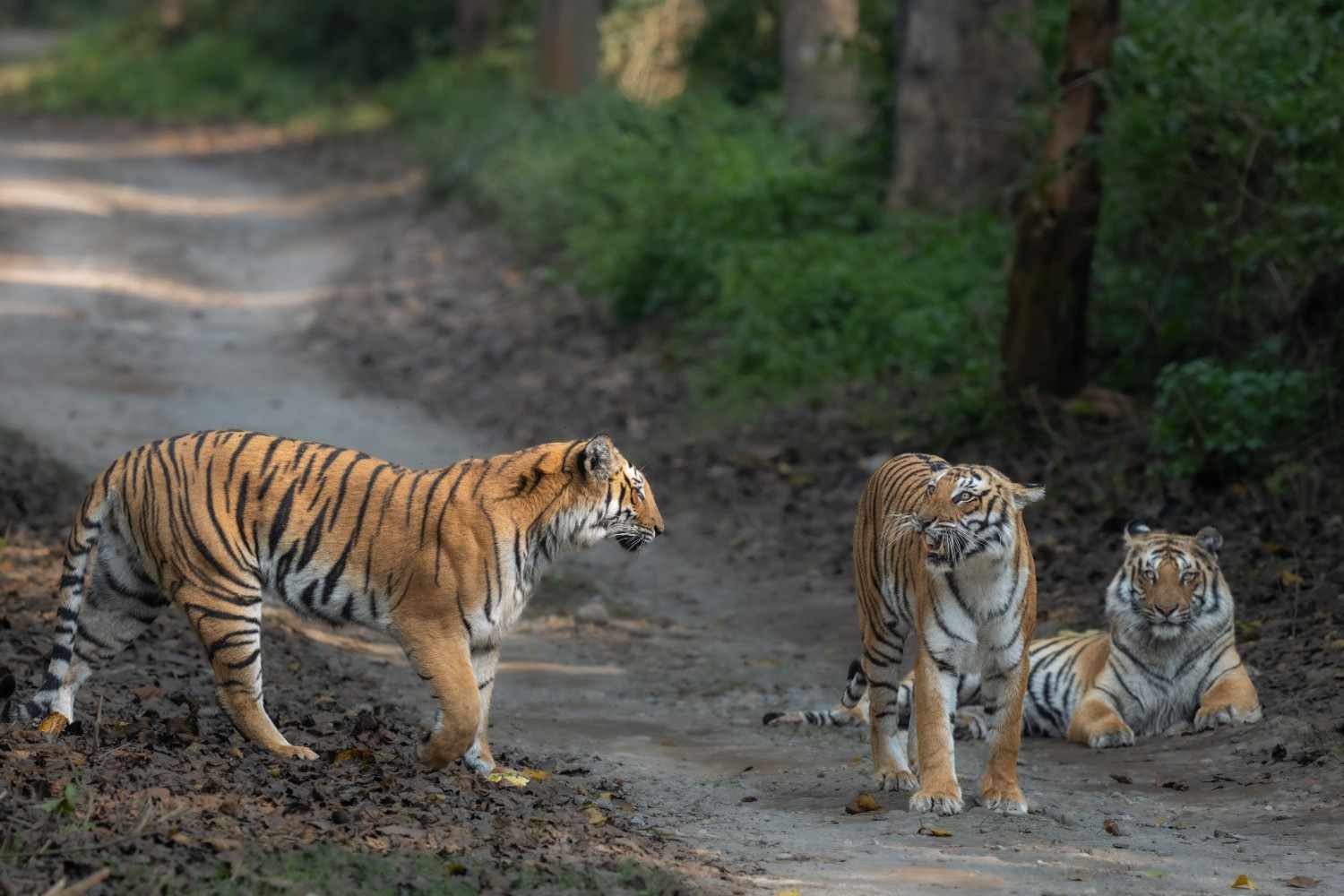
Although tigers usually live alone, they are not entirely antisocial. Mothers form strong bonds with their cubs, and adult tigers may tolerate one another in certain circumstances, particularly around mating opportunities or abundant food sources.
Their independence is one of the most important features of tiger behaviour, allowing these powerful predators to survive without relying on a permanent social group.
2. The Art of Disappearing into the Forest
One of the most extraordinary secrets of tigers is their ability to remain hidden despite their impressive size.
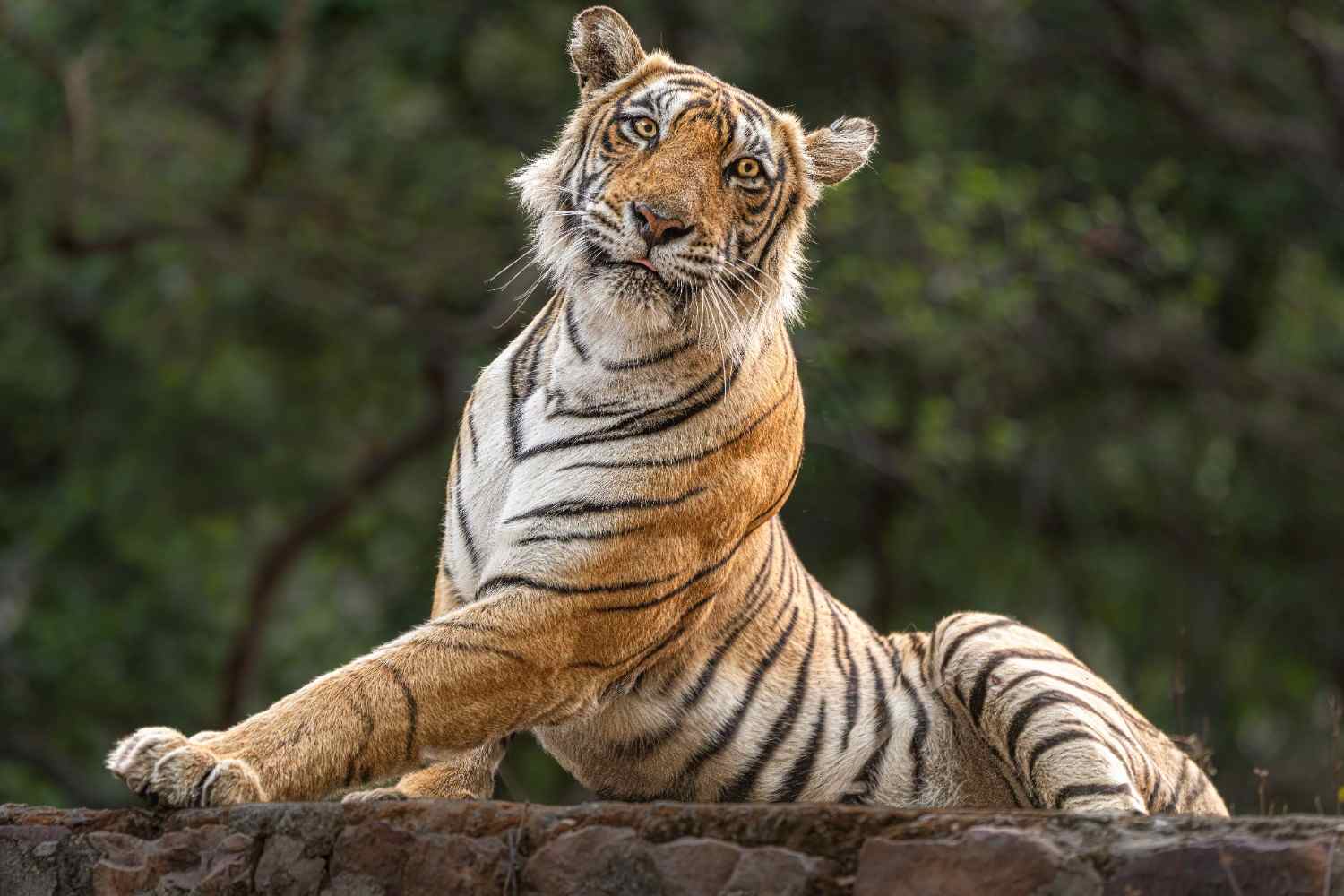
Their orange coats and black stripes provide effective camouflage in many natural habitats. In forests, tall grasses and areas of dappled sunlight, these patterns break up the outline of their bodies, making them difficult to distinguish from their surroundings.
A tiger can be standing surprisingly close to an observer and still remain almost invisible.
This camouflage is especially important during hunting. Rather than chasing prey over long distances, tigers generally rely on stealth, patience and the element of surprise.
They move carefully through vegetation, using available cover to approach their target before launching a short, powerful attack.
Their ability to disappear into the landscape is not simply a fascinating feature. It is an essential survival advantage that helps them hunt successfully and avoid unnecessary encounters with potential threats.
3. Tigers Are Masters of Patience
Imagine watching a tiger hunt in the wild.
It moves slowly through the grass, pauses to listen and studies every movement around it. A branch shifts in the breeze. A deer lifts its head. The tiger remains still.
This is the remarkable patience of a skilled predator.
Tigers typically hunt by stalking their prey and approaching as closely as possible before making a sudden attack. Their powerful hind legs, sharp claws and strong jaws help them bring down animals that may be much larger than themselves.
Their prey can include deer, wild pigs and other suitable animals, depending on the region and what is available.
However, not every hunt is successful. Tigers expend considerable energy when hunting, so they must balance their efforts with periods of rest.
Their success depends on several factors, including the availability of prey, environmental conditions and the tiger’s ability to approach without being detected.
This combination of patience, strength and precision makes the tiger one of the most impressive hunters in the natural world.
4. The Hidden Language of Tigers
Tigers may not communicate in the same way humans do, but they have a surprisingly sophisticated system of signals.
They use vocalisations, body language, scent marking and scratches on trees to communicate information to other tigers.
Roaring is perhaps their most recognisable vocalisation, but tigers also produce other sounds, including growls, snarls, chuffs and calls associated with different social situations.
Scent marking is particularly important.
Tigers may spray urine, deposit scent from specialised glands and leave scratches on trees to communicate their presence. These signals can provide information about territorial boundaries, identity and reproductive condition.
By leaving these messages throughout their territories, tigers can gather information about other individuals without necessarily meeting them face to face.
This invisible network of signals helps solitary animals navigate their social world while reducing the need for direct confrontation.
In the dense forests where they live, communication is not always about making noise. Sometimes, a scent or a scratch on a tree tells another tiger everything it needs to know.
5. A Tiger’s Day Is Full of Rest
Although tigers are powerful predators, they spend a considerable amount of time resting.
Like many large carnivores, they conserve energy between periods of activity. Depending on conditions, a tiger may rest for much of the day, often choosing shaded areas, dense vegetation or locations near water.
Activity patterns vary according to temperature, prey availability, human disturbance and individual behaviour. Tigers are often more active during cooler hours, including at night, although they can also be active during daylight.
Resting is not a sign of laziness. It is an important part of their survival strategy.
Hunting requires strength, coordination and considerable energy. By resting when conditions are less favourable, tigers can preserve their energy for activities that matter most.
Their daily routines may appear quiet and uneventful, but every movement is part of a larger pattern shaped by the need to survive.
6. Tiger Cubs: A Tender Side of a Fierce Predator
Behind the tiger’s fearsome reputation lies another side of its life: the care and protection of its young.
Tiger cubs are born vulnerable and depend heavily on their mother for warmth, nourishment and protection. During their early weeks, they remain in a sheltered den while their mother provides for them.
As they grow, the cubs begin exploring their surroundings, playing with their siblings and learning to coordinate their movements.
Play is more than simple entertainment. It helps young tigers develop the physical abilities and behavioural skills they will eventually need as independent hunters.
Their mother also provides opportunities to learn about the environment, prey and potential dangers.
Raising cubs requires considerable effort. A mother must balance the demands of finding food with the need to protect her young from threats.
As the cubs mature, they gradually become more independent. Eventually, they leave their mother and establish lives of their own.
The journey from a helpless cub to a powerful adult tiger is one of the most remarkable transformations in the animal kingdom.
7. Tigers Love Water More Than You Might Expect
Many people associate big cats with dry grasslands or dense forests, but tigers are particularly comfortable around water.
Unlike many domestic cats, tigers are capable swimmers and often enter rivers, streams and pools to cool themselves down.
Water can also provide opportunities for hunting, travelling and resting in hot conditions.
Their relationship with water is closely connected to the environments they inhabit. In the humid forests of South and South-east Asia, as well as the mangrove landscapes of the Sundarbans, water is an important part of everyday life.
Some tiger populations inhabit regions with extreme seasonal temperature changes, while others live in hot, humid environments throughout the year.
Their ability to swim and move through different types of terrain contributes to their adaptability.
However, not all tigers behave in exactly the same way. Their habits depend on their individual circumstances, the landscape and the resources available to them.
8. Every Tiger Has a Unique Pattern
A tiger’s stripes are more than a beautiful feature. They are an important part of its natural identity.
No two tigers have exactly the same stripe pattern, making these markings useful for identifying individuals through photographs and camera-trap images.
Interestingly, the stripes are not limited to the fur. The skin beneath a tiger’s coat is also patterned.
These markings help break up the tiger’s outline in its natural surroundings, particularly where vegetation and sunlight create alternating patterns of light and shadow.
Tigers also have remarkable physical adaptations that support their hunting lifestyle, including powerful limbs, retractable claws and highly developed senses.
Their eyesight and hearing help them detect movement and sound, while their sense of smell plays an important role in communication.
Together, these features make the tiger exceptionally well suited to its role as a large predator.
Its beauty is not merely decorative. Every part of its appearance serves a purpose in the struggle to survive.
9. Where Do Tigers Live?
Tigers once occupied a much wider geographical range across Asia than they do today. Their surviving wild populations are now found in parts of South and South-east Asia, East Asia and the Russian Far East.
Different populations inhabit a variety of landscapes, including tropical forests, grasslands, temperate forests and mangrove ecosystems.
India is home to the world’s largest wild tiger population, while other wild populations survive in countries including Nepal, Bhutan, Bangladesh, Thailand, Malaysia, Indonesia, Russia and China.
The exact distribution of tigers varies by subspecies and region, and their populations are unevenly distributed across their remaining habitats.
Despite their ability to adapt to different environments, tigers need extensive areas with sufficient prey, access to water and suitable places to shelter and raise their young.
Healthy forests and connected habitats are particularly important because isolated populations can become more vulnerable to genetic problems and local extinction.
Protecting tiger habitat is therefore essential not only for the survival of tigers but also for the wider ecosystems in which they live.
10. The Dangerous Reality Behind Their Secret Lives
Although tigers are powerful predators, their future remains uncertain.
Habitat loss and fragmentation, poaching, illegal wildlife trade and conflicts with people continue to threaten wild tiger populations.
As forests are cleared for agriculture, roads and development, tigers can lose the space they need to hunt, breed and move between territories.
The decline of natural prey can make survival even more difficult.
In some areas, tigers may come into conflict with local communities when they move near farms or settlements. Effective conservation therefore requires solutions that protect both wildlife and the people who share the landscape.
Fortunately, conservation programmes have helped some tiger populations recover. Protected areas, anti-poaching measures, scientific monitoring and community-led initiatives can all contribute to their survival.
However, progress is not uniform, and many populations remain threatened.
The future of the tiger depends on sustained conservation efforts, international cooperation and a commitment to protecting the natural environments on which these animals depend.
11. Why Tigers Matter to the Natural World
Tigers play an important role in maintaining the balance of their ecosystems.
As apex predators, they help regulate populations of herbivores and other prey species. This influence can affect vegetation, habitat structure and the relationships between different animals.
Their presence can also serve as an indicator of the health of a wider landscape.
A habitat capable of supporting tigers generally needs substantial prey populations, suitable vegetation, access to water and enough space for large carnivores to survive.
Protecting such landscapes can benefit many other species, including birds, reptiles, smaller mammals and countless organisms that depend on healthy forests.
For this reason, tiger conservation is about more than saving a single species.
It is also about preserving complex ecosystems and the natural processes that support life.
When we protect tigers, we help protect the wider web of life around them.
Conclusion: Protecting the Secret Life of Tigers
The secret life of tigers reveals a world of remarkable adaptation, quiet intelligence and extraordinary strength.
From their solitary movements through dense forests to their patient hunting techniques, complex communication and devoted care for their cubs, tigers demonstrate just how fascinating life in the wild can be.
Yet their story is not only one of beauty and survival. It is also a reminder of how vulnerable even the most powerful animals can become when their habitats disappear.
Protecting wild tigers requires more than admiration. It demands practical action, responsible conservation and the preservation of the landscapes they call home.
Every protected forest, successful anti-poaching initiative and thriving prey population can help create a safer future for these magnificent animals.
The next time you see a tiger, remember that there is far more to this extraordinary creature than its striking stripes. Behind that powerful appearance lies a secret world shaped by patience, instinct, family and survival.
And ensuring that this world continues to exist is a responsibility we all share.

Yogesh Bhatia is a professional Wildlife photographer & mentor in India whose work reflects patience, observation, and a deep respect for nature. His journey in wildlife photography is shaped by countless hours in forests, observing animal behavior and waiting for moments that unfold naturally. Through his lens, wildlife is portrayed not just as subjects, but as living stories within their natural environment. His approach to Wildlife photography India focuses on authenticity rather than staged perfection, resulting in images that feel raw and immersive.