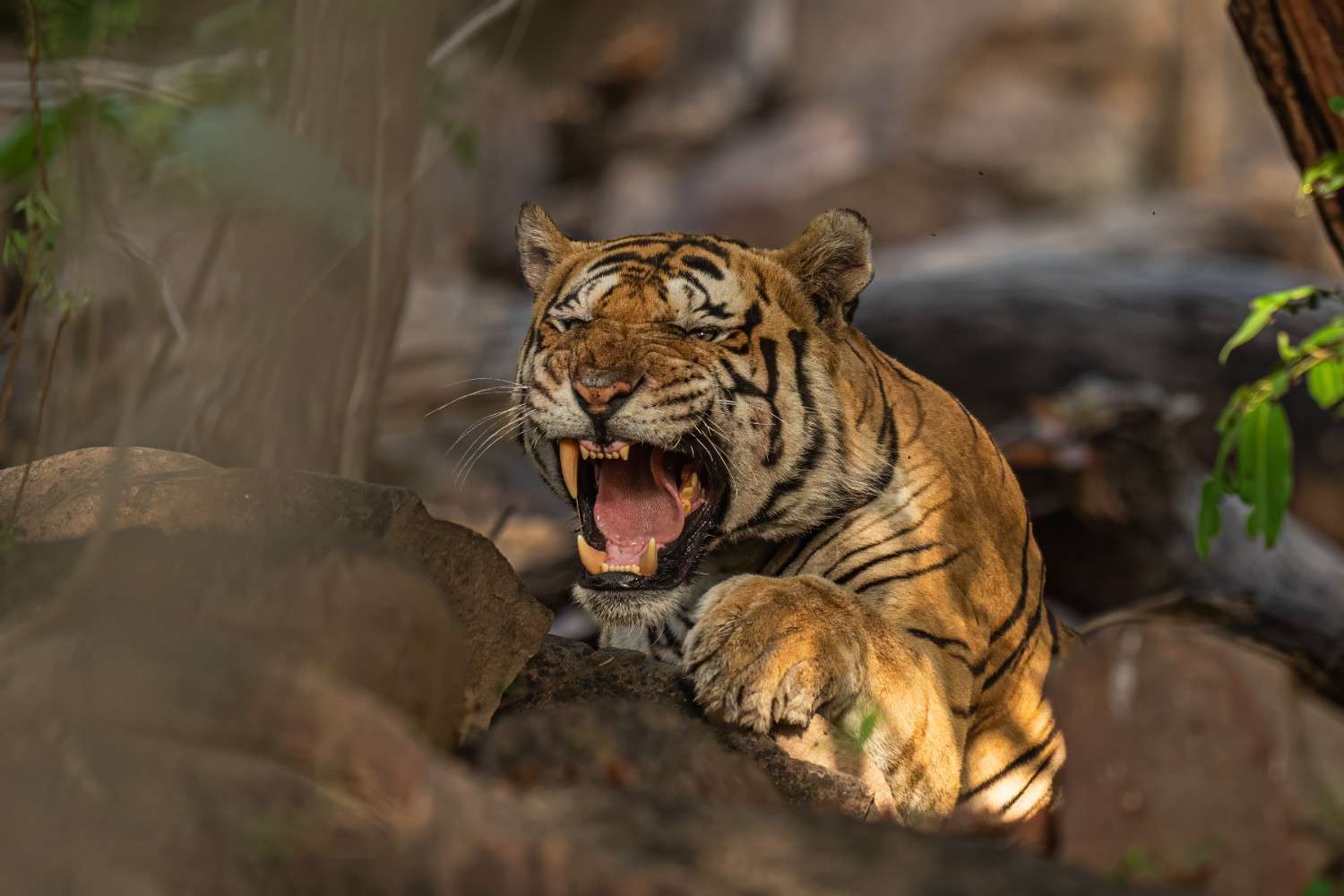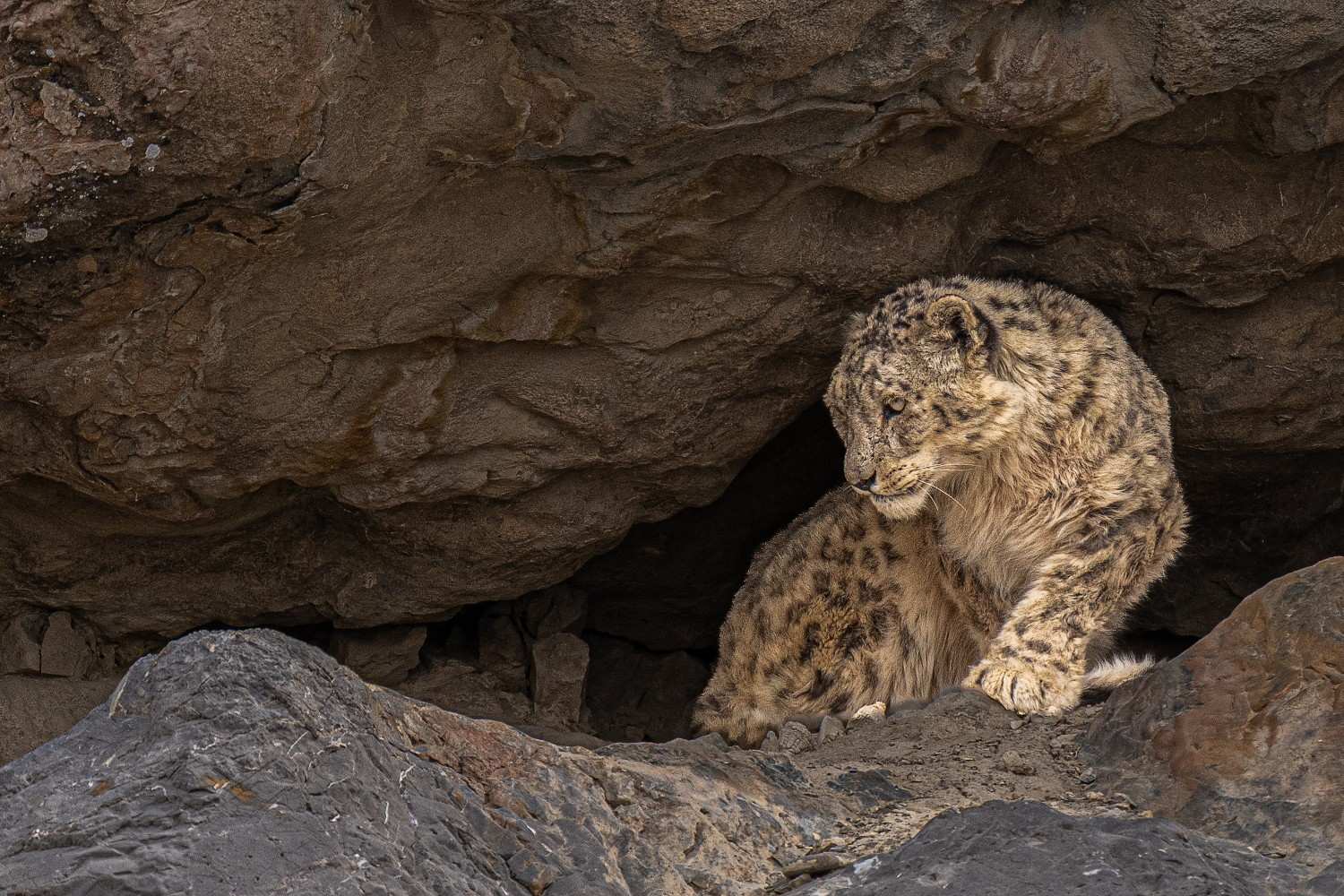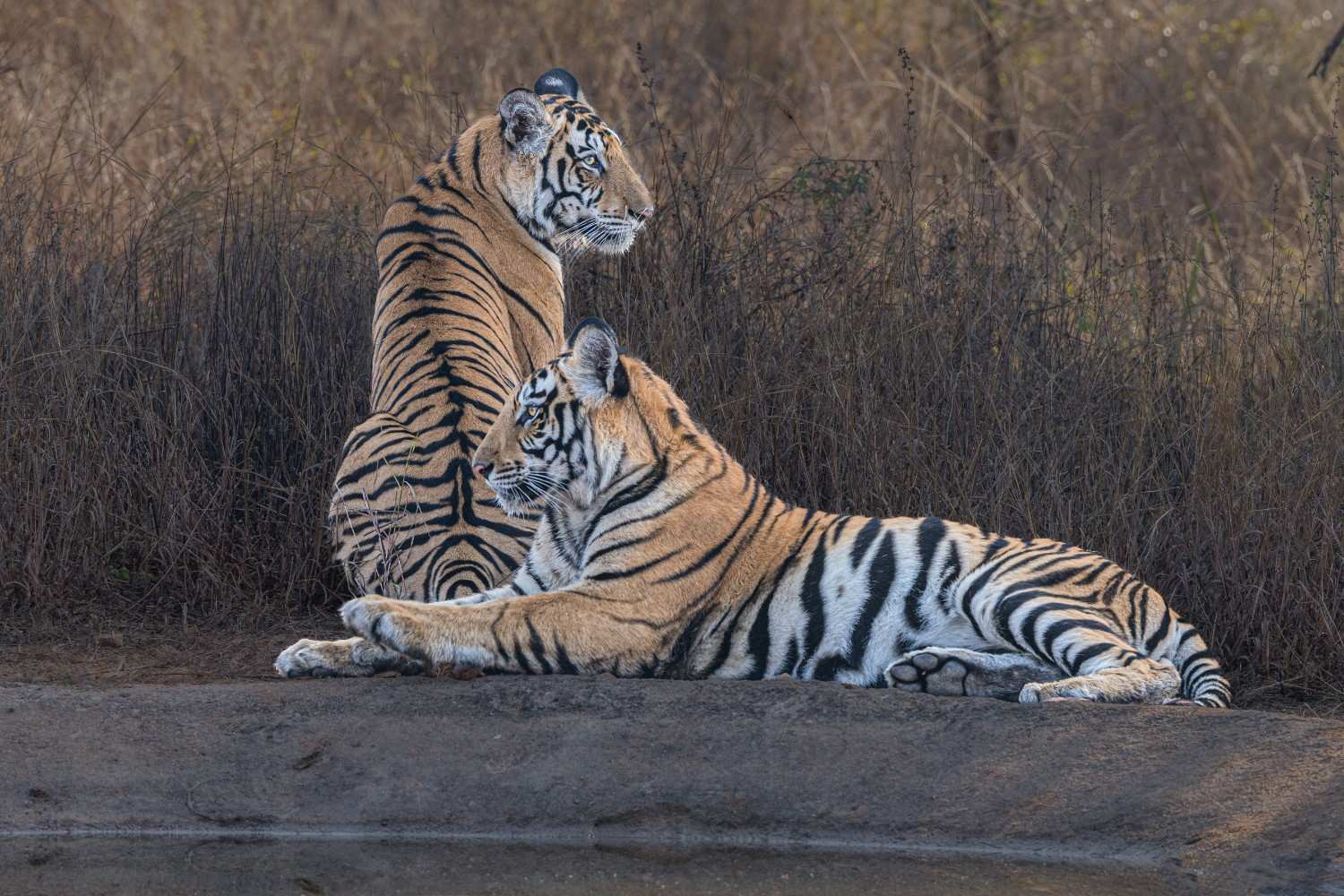
Every first-time safari planner hits the same wall eventually: three of India’s most famous tiger reserves, three completely different experiences, and only one trip on the calendar. Ranthambore, Kanha, and Bandhavgarh all promise tigers, but they deliver that promise in very different ways, and picking the wrong one for your priorities is the easiest way to leave disappointed.
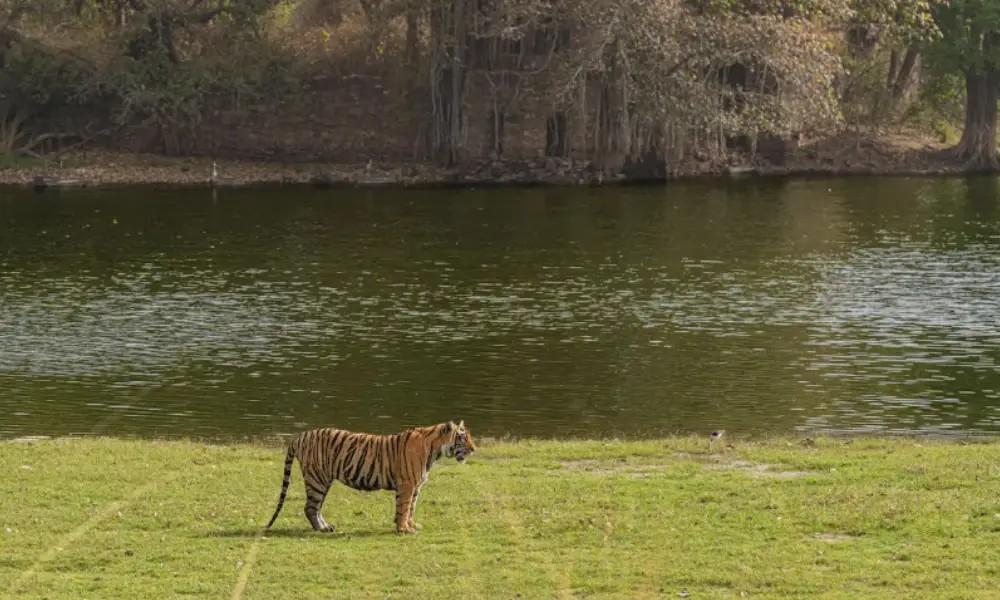
Ranthambore pairs its tigers with a crumbling 10th-century fort and open lakes that make for dramatic frames. Kanha offers sprawling sal forests and meadows, the kind of quiet, layered wilderness that rewards patience over speed. Bandhavgarh, meanwhile, holds one of the highest tiger densities on the planet, packed into rocky hills and forest studded with ancient ruins.
This guide breaks down the best tiger safari India has to offer among these three parks, covering sighting probability, terrain, logistics, and who each park actually suits, so you’re choosing based on your travel goals, not guesswork.
Ranthambore vs Kanha vs Bandhavgarh: Quick Comparison Table
| Parameter | Ranthambore | Kanha | Bandhavgarh |
| Landscape / Vibe | Dry deciduous forest, lakes, a hilltop fort backdrop | Sprawling sal forests and open meadows, classic Kipling wilderness | Rocky hills, dense forest and open grassland, dramatic ruins |
| Tiger Sighting Probability | High, very consistent, especially in top zones | Moderate, rewards patience, less crowded encounters | Very high, among the best in India |
| Best Time to Visit | October to April | October to June | November to June |
| Ideal Trip Duration | 2–3 nights | 3–4 nights | 2–3 nights |
| Accessibility / Closest Hub | Sawai Madhopur (rail + road, well connected) | Jabalpur or Nagpur (slightly longer transfer) | Jabalpur or Umaria (moderate connectivity) |
Detailed Park Breakdown
Ranthambore National Park: Rajasthan’s Fort-Backed Wilderness
Ranthambore’s biggest visual signature is its 10th-century hilltop fort, which overlooks much of the park and appears in the background of countless tiger photographs. This historical layer gives Ranthambore a character no other Indian reserve quite matches, you’re not just photographing wildlife, you’re photographing wildlife inside a living monument.
- Zone dynamics: the park is divided into ten zones; zones 1–5 sit closest to the fort and lake system and tend to have the most consistent tiger activity.
- Safari logistics: Sawai Madhopur, the closest town, has strong rail and road connectivity, making Ranthambore the easiest of the three to reach on a short trip.
- Terrain: dry deciduous forest opening into lakes and grassland, giving clear sightlines compared to denser central Indian forests.
- Photography: open terrain plus the fort backdrop create some of India’s most recognisable tiger safari photography frames.
If Ranthambore is the park you’re leaning toward, this Ranthambore photography workshop is built specifically around its highest-probability zones and light conditions.
Kanha National Park: Sal Forests and the Meadows of Kanha
Kanha is the park that inspired Rudyard Kipling’s The Jungle Book, and it still feels that way, tall sal forests opening onto wide, grassy meadows that stretch further than most other reserves allow. It’s a slower, more atmospheric kind of safari, built around biodiversity rather than guaranteed close-range tiger encounters.
- Sal forests and meadows: the famous “Meadows of Kanha” offer some of the most cinematic open landscapes of any Indian tiger reserve.
- Barasingha conservation: Kanha is the last stronghold of the hard-ground barasingha (swamp deer), a conservation success story worth photographing on its own.
- Atmosphere: larger buffer zones and lower crowd density give Kanha a genuinely serene, unhurried feel compared to more visited parks.
- Sighting consistency: moderate compared to Ranthambore or Bandhavgarh, tigers here move through denser cover, so patience pays off more than speed.
A dedicated Kanha photo tour is worth considering if wide-landscape and biodiversity photography matters more to you than guaranteed close tiger frames.
Bandhavgarh National Park: India’s Tiger Density Capital
Bandhavgarh consistently records one of the highest tiger densities in India, and its compact core zones mean guides can track individual tigers with real precision. Add steep rocky hills, ancient cave shrines, and a hilltop fort of its own, and you get a reserve that photographs as dramatically as it performs.
- High tiger density: smaller core area combined with strong tiger numbers gives Bandhavgarh some of the best sighting odds anywhere in the country.
- Terrain: steep, rocky ridgelines and forest give way to open meadows in the valleys, more dramatic and varied than Ranthambore’s terrain.
- Historical ruins: ancient caves and a hilltop fort within the park add texture and context to wildlife frames, similar in spirit to Ranthambore.
- Photography vantage points: elevated rocky outcrops give photographers unusually strong compositional options for environmental portraits.
For travellers prioritising sighting odds above everything else, this Bandhavgarh photo tour is planned around the park’s highest-density zones.
Feature-by-Feature Verdicts
Best for First-Time Visitors & Fast Connectivity: Ranthambore
If this is your first tiger safari and you’re short on travel days, Ranthambore wins on pure convenience. Strong rail and road links to Sawai Madhopur mean less time in transit and more time in the park, and the fort backdrop gives beginners a forgiving, photogenic setting to learn on.
Best for High Tiger Density & Sighting Odds: Bandhavgarh
When the priority is simply seeing a tiger, not just visiting a park, Bandhavgarh’s tiger sighting probability India-wide is hard to beat. Its compact zones and high density mean fewer blank drives, which matters most if you only have one or two safaris on your itinerary.
Best for Diverse Landscape, Birding & Wilderness Feel: Kanha
Kanha suits travellers who want the full forest experience, layered habitats, strong birdlife, and a quieter, less commercial atmosphere. It’s the park for photographers and naturalists who value the overall wilderness experience as much as the tiger itself.
Practical Planning & Booking Tips
- Booking windows: advance booking (60–120 days out) secures the best zones; Tatkal booking, released a day before, is a backup option but offers far less zone control and no guarantee of availability.
- Zone selection: always check recent sighting trends for specific zones before booking, tiger territories shift seasonally, and a zone that performed well last year may not this year.
- Gypsy vs Canter: a 6-seater Gypsy gives you far more control over positioning and photography angles than a 20-seater Canter, which is better suited to casual sightseeing than serious photography.
- Permits: all three parks require advance forest permits tied to specific zones and time slots, so lock in dates early during peak season (December–March).
If you’d rather have someone else manage zone selection, permits, and vehicle bookings, browse the full range of wildlife photography tours in India for guided options across all three reserves.
Conclusion: Which Tiger Reserve Should You Choose?
There’s no single “best” answer here, only the best fit for your trip. Choose Ranthambore if you want easy access, a historical backdrop, and a beginner-friendly safari. Choose Bandhavgarh if tiger sighting odds are your top priority and you’re not travelling with much flexibility. Choose Kanha if you want a fuller wilderness experience, layered forest scenery, and are willing to trade some certainty for atmosphere.
Whichever reserve you pick, the decision matters less than the preparation, the right zone, the right season, and the right vehicle will do more for your sightings than the reserve’s reputation alone. Book early, choose your zones deliberately, and go in with realistic expectations rather than guaranteed outcomes.
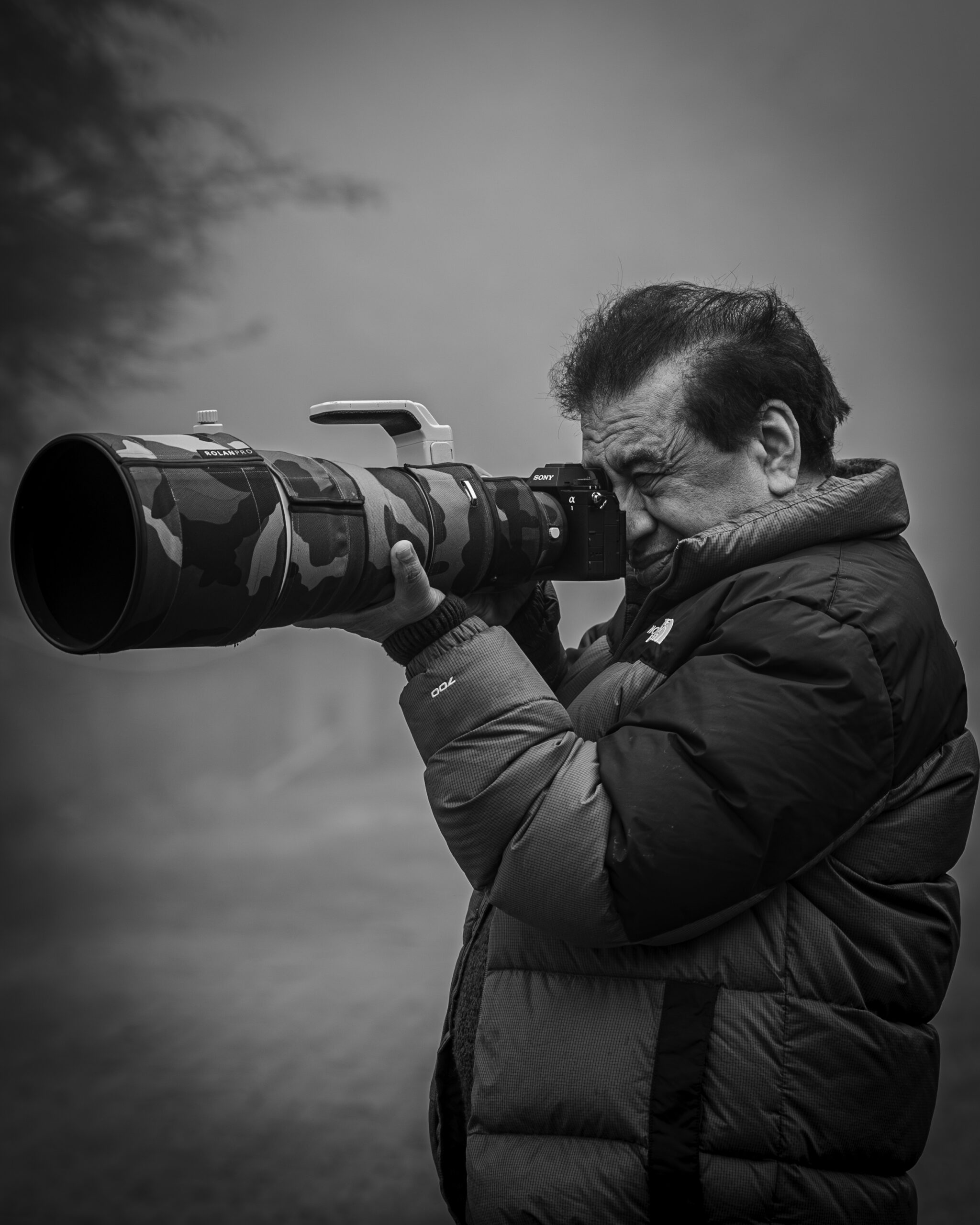
Yogesh Bhatia is a professional Wildlife photographer & mentor in India whose work reflects patience, observation, and a deep respect for nature. His journey in wildlife photography is shaped by countless hours in forests, observing animal behavior and waiting for moments that unfold naturally. Through his lens, wildlife is portrayed not just as subjects, but as living stories within their natural environment. His approach to Wildlife photography India focuses on authenticity rather than staged perfection, resulting in images that feel raw and immersive.