There is a moment, somewhere between the creak of a cooling gypsy engine and the distant alarm call of a sambar, when Ranthambore reveals itself. The 10th-century fort rises behind the Padam Talao like a stage set no art director could design. A tiger moves through the frame of a crumbling archway. This is what Ranthambore tiger photography is about: not just the animal, but the complete, unrepeatable picture of a Bengal tiger within one of the most cinematically extraordinary landscapes on the planet.
Ranthambore is not India’s densest forest. It is not its wildest. But it is, without question, the most photogenic, a dry deciduous ecosystem of open scrub, still lakes, bleached grasslands, and ancient stonework that functions as a natural studio for tiger portraiture. The park’s tigers, descendants of legendary individuals like Machali, Arrowhead, and Riddhi, are among the most habituated to vehicles in any Indian reserve, making sustained, close-range observation possible in conditions that reward serious photographers over casual tourists.
This field guide is the distillation of hundreds of hours tracking tigers across Ranthambore’s ten safari zones, built for photographers who intend to return with images that could anchor a gallery wall, not just fill a hard drive. For photographers planning dedicated wildlife photography tours in India, Ranthambore deserves a position at or near the top of any serious shortlist.
Understanding Ranthambore’s Zones Through a Photographer’s Lens
Ranthambore’s ten zones are not interchangeable. Each has a distinct topography, a different relationship with morning and evening light, and a specific set of photographic strengths and weaknesses. Booking the right zone, not the most popular one, is the first decision that separates serious Ranthambore wildlife photography from tourist safaris.
Zones 1–5: The Core Photographic Territory
Zone 1, Kachida Valley. A long, open valley with excellent early-morning side-light falling east-to-west across the forest floor. Best for leopard, sloth bear, and the rare striped hyena, but tigers do move through, particularly during dry months when water pressure pushes them downslope. Minimum effective focal length here: 200mm; the valley is wide enough that distant subjects are common. Carry a 200-600mm zoom for quick transitions between landscape and close-encounter frames.
Zone 2, Singhda Gate. Dense, mixed forest with limited sightlines. Challenging for photographers but rewarding for those who master the zone’s rhythm. Tigers here are encountered suddenly, at ranges between 15 and 40 metres. A 70-200mm f/2.8 earns its place as a second body in Zone 2, the standard 500mm telephoto is simply too long for sudden close encounters in tight vegetation. Light penetration is thin; maintain ISO 3200 minimum until 8:00 AM and trust your camera’s Animal Eye AF to find the eye in dappled shadow.
Zone 3, Rajbagh to Padam Talao. The heart of Ranthambore tiger photography, and rightly so. The Padam Talao is the park’s largest lake, a still, reflective body of water where tigers drink predictably between May and June. At 6:15 AM, with the fort silhouetted against a pale pink sky and a tiger crouched at the lake’s edge, this zone delivers frames that define India’s wildlife photography reputation. The east-facing water surface catches first light before the forest canopy does, arrive early, position facing the lake’s northern edge, and allow the light to develop before your subject moves.
Zone 4, Lakarda and Anantpura. Rocky, undulating terrain in the park’s western section. This zone rewards patience, sightings are less frequent than Zone 3 but the quality of light is exceptional in the late afternoon, when low sun angles create golden side-lighting across the pale sandstone outcrops. A tiger on a rocky outcrop at 5:00 PM in Zone 4 is one of the cleanest, most graphically powerful compositions available in Indian wildlife photography. Use a 400mm f/2.8 or 500mm f/4 to isolate the subject against the warm tonal gradient of the rock face.
Zone 5, Ranthambore Fort Approach. The zone most associated with Ranthambore’s signature compositions. The historic fort, UNESCO-listed, provides a vertical architectural element that no other Indian wildlife reserve can offer. Tigers photographed against the fort’s sandstone walls, or within its crumbling gateways, produce images with genuine editorial power. The challenge: backlight from the east in the morning and harsh directional sun by 9:00 AM. Zone 5 requires precise timing: 6:30–8:00 AM for workable light before the contrast becomes unmanageable.
Zones 6–10: Quieter, Longer, and Underrated
Zones 6 through 10 are accessed via the Sherpur-Kali Pahari buffer, adding a longer drive to the first sighting location but rewarding photographers with dramatically smaller vehicle concentrations. In practice: fewer gypsies at a sighting means longer time at location, better positioning, and more compositional freedom, the three variables that matter most when a tiger is performing.
Zone 6, Khandar Range. Open grassland corridors and seasonal nullahs (dry riverbeds) that become active tiger pathways in summer. The grass height from November to February provides foreground texture that transforms a standard tiger-in-scrub image into an environmental portrait with depth. Shoot at f/4–f/5.6 to keep the grass rendering as soft bokeh while the tiger’s face holds sharp focus.
Zones 7 and 8, Sultanpur and Lakarda Buffer. Leopard territory with consistently underrated photographic potential. These zones follow long, straight forest tracks ideal for panning technique, a tiger or sambar moving at walking pace along a straight section is the perfect scenario for a 1/80s to 1/160s panning shot at f/8, creating motion blur in the background while the animal’s head holds sharp. Few photographers attempt this; the results are unlike anything produced in standard safari photography.
| Zone | Primary Subject | Best Light Window | Focal Length Recommendation |
| Zone 1 | Leopard, Hyena, Bear | 6:30 – 8:30 AM | 200–600mm zoom |
| Zone 2 | Tiger (close encounter) | 6:00 – 7:30 AM | 70–200mm + 400mm |
| Zone 3 (Padam Talao) | Tiger, water body | 6:00 – 8:00 AM | 4:30 – 6:00 PM | 500mm f/4 prime |
| Zone 4 | Tiger, rocky terrain | 4:00 – 6:00 PM | 400mm or 500mm prime |
| Zone 5 (Fort) | Tiger, architectural backdrop | 6:30 – 8:00 AM | 200-600mm zoom |
| Zones 6–8 | Tiger, Leopard, Birds | Both sessions, less crowded | 100-500mm or 200-600mm |
Field Techniques for Capturing the Perfect Shot
The gypsy is your photography platform, and it is an imperfect one. Understanding its limitations, and building a technique around them, is what tiger safari photography India demands from any photographer serious about consistent results.
Working From the Vehicle
Beanbag discipline. A partially filled beanbag draped over the door frame is not optional equipment, it is the foundation of every sharp long-lens frame from a gypsy. Never rest a 500mm or 600mm lens on the metal door frame directly; the vibration transmission makes 1/1000s feel like 1/250s. Fill the beanbag approximately 70%, enough to conform to the lens barrel, not so full that it sits rigid and transmits road bumps rather than absorbing them.
Engine-off protocol. The moment wildlife is sighted, before you raise the camera, the engine comes off. This is non-negotiable. At 500mm, a running gypsy engine introduces micro-vibration that is photographically indistinguishable from subject motion, both produce soft images. Brief your driver before the first gate. On professionally guided Ranthambore photography workshops, drivers internalise this protocol as standard practice.
Low-angle technique. The floor-level mounting position of a standard gypsy seat places your lens axis at approximately 80–90cm above ground, lower than most photographers expect, and lower than any tripod-based field setup. This is a significant compositional advantage: a lens at 90cm produces eye-level frames with tigers and sambar, eliminating the ‘shooting down’ perspective that makes wildlife images look like zoo photographs. Lean slightly over the door frame rather than sitting back, and position the beanbag at the outer edge for maximum downward angle freedom.
Managing Ranthambore’s Extreme Light Conditions
The dust problem. Ranthambore’s laterite tracks generate fine red-orange dust that coats front elements, infiltrates zoom barrels, and settles inside non-weather-sealed bodies between the first and second safari drives of the same morning. Clean the front element before every drive, not after. Keep a LensPen and microfibre cloth accessible on your person, not in a bag, and cap the lens between active sightings.
The morning light challenge: 6:00–8:30 AM. Zone 3’s water bodies are east-facing; the light at 6:15–7:00 AM is warm, directional, and angled low, ideal. By 8:30 AM, the sun has risen high enough to produce flat, overhead light that bleaches the tiger’s orange coat and kills the tonal separation between subject and dry grass background. Your productive photography window is 90–100 minutes, maximum. Use them fully; stop shooting when the light goes flat and use the remaining time to reposition for the afternoon drive’s opportunities.
Exposing for orange coat on dry grass. This is Ranthambore’s specific metering challenge: a Bengal tiger’s orange-and-black striped coat against dry yellow-brown grass in November–April creates a scene where both subject and background occupy similar tonal zones. Matrix metering reads this as a medium-exposure scene and frequently underexposes the tiger’s shadow-side stripes.
- Apply -0.3 to -0.7 EV exposure compensation to avoid blowing the orange highlights on direct sunlit portions
- Use Spot metering on the tiger’s flank in Zone 5’s high-contrast fort-backdrop frames
- Recover shadow detail in RAW post-processing; the histogram’s right-side bias for tiger photography is always preferable to blocked shadows
Prime vs. Zoom: The Honest Assessment
The 400mm f/2.8 prime is Ranthambore’s finest single lens, its light-gathering capability at Zone 2’s close encounters, its tonal rendering of fur detail, and its background separation at wide apertures are simply superior to any zoom in the same focal range. In Zone 3’s water body frames, nothing produces the transition from sharp eye to dissolved background quite like a fast prime at f/2.8.
The 150-600mm or 200-600mm zoom is the practical working lens for photographers covering multiple zones in a single day, which most tour itineraries require. The flexibility to swing between Zone 1’s wide valley distances and Zone 2’s sudden close encounters without changing lenses is a real-world operational advantage that outweighs the prime’s optical superiority across a full 4-day safari.
PRACTICAL RECOMMENDATION: Carry both if possible, prime on the primary body, zoom on the backup. If budget or logistics allow only one lens for Ranthambore, the 200-600mm or 100-500mm zoom is the more versatile choice across the park’s varied zone conditions.
Planning the Ultimate Ranthambore Photography Expedition
Seasons and Timing
October to November (shoulder season), Park reopens post-monsoon. Vegetation is lush, reducing visibility but creating rich green backgrounds. Tiger activity is high as females with cubs begin moving more freely. The first two weeks after reopening frequently produce extraordinary family-group sightings.
December to February (peak photography season), The dry season progressively thins vegetation, improving sightlines dramatically. Morning temperatures require a light layer at gate entry but are comfortable by 9:00 AM. Tiger movement is predictable along established tracks. This is the finest period for the fort-backdrop compositions of Zone 5, with clear, haze-free skies providing maximum tonal contrast.
March to May (summer, waterhole photography), Ranthambore’s most dramatic and most demanding photography season. As water sources dry, tigers concentrate at Padam Talao, Raj Bagh, and Malik Talao in predictable patterns. A tiger bathing at a lake edge in 42°C afternoon heat creates images of raw, visceral intensity unavailable in any other month. The trade-off: daytime temperatures are extreme for photographers and gear. May is technically the finest month for waterhole action photography if the heat can be managed.
Booking Best Tiger Photography Tours, What to Insist On
The most important booking decision for Ranthambore wildlife photography is not the accommodation, it is the safari arrangement. Full-day safari permits (a canter or gypsy for the full morning + afternoon session without returning to the gate between drives) are available in Ranthambore and worth every additional cost they carry: they allow extended time at productive sightings without the artificial pressure of a fixed exit time.
- Maximum 4 photographers per gypsy, the non-negotiable standard on dedicated photography tours; 6-person gypsies compromise positioning for every participant simultaneously
- Zone selection based on current intelligence, a skilled naturalist with park-network connections will know which tigress moved where the previous evening; this information changes which zone you book; tourist-default allocations ignore it entirely
- Skilled local driver briefed on photography protocol, engine-off, slow approach angles, patience at location; the driver is a co-photographer in practical terms
- Post-safari image review, the evening session that separates learning tours from sightseeing tours; where you understand why the frame worked or failed
Yogesh Bhatia’s dedicated Ranthambore photography workshop (Nov 2026), 3 nights, 4 days, 6 safaris with maximum 4 photographers per vehicle, is structured precisely around these principles. For photographers who prefer a fully private experience, the 1-on-1 wildlife photography mentorship programme includes Ranthambore as a destination option with fully customised zone selection and pace.
For a broader view of how Ranthambore compares against other major tiger reserves across India, the complete wildlife photography guide for India covers zone-specific photography across six national parks in comparable depth.
Ethics and Composure in the Field
Every frame you take at Ranthambore is a product of a system, the forest department’s conservation investment, the naturalist’s accumulated knowledge, and the animal’s tolerance of human presence built over years of ethical interaction. That tolerance is not a right. It is borrowed, and it can be withdrawn by poor practice faster than it was built.
The absolute rules are simple: Engine off at all sightings. No noise, no movement, no flash. Do not approach closer than the forest department permits. Do not pressure your driver to hold position when a tigress is visibly stressed.
Beyond rules: when a tiger moves, let it move. The instinct to follow every sighting to its conclusion, to be present for the pounce, the kill, the drinking, runs directly against the animal’s need for space. The photographers who earn Ranthambore’s finest images consistently are those who choose one excellent location and wait, rather than pursuing every movement report.
“Patience in a stationary vehicle, positioned on the right water body at the right time, will outperform aggressive sighting-chasing every single time. I have seen this proven in Ranthambore more times than I can count.”, Yogesh Bhatia
Photographers interested in understanding the broader ethical framework that governs responsible wildlife photography in India can find the full ethical guidelines, including post-processing standards and captive wildlife documentation, in the complete India wildlife photography field guide.
The Shot Waits for Those Who Prepare
Ranthambore does not give its finest images to the lucky. It gives them to the prepared, the photographer who studied the zones before arrival, configured the camera the night before, briefed the driver at the gate, and chose patience over pursuit when the tiger appeared.
The fort will still be there behind the Padam Talao at 6:20 AM next November. The tiger will still drink. What determines whether that moment becomes a gallery image or a missed opportunity is entirely within your control, and it begins with decisions made long before the gypsy engine starts.
Yogesh Bhatia’s Ranthambore Photography Workshop (November 2026), 3 nights, 6 safaris, maximum 4 photographers, has few seats remaining. View full details and secure your place, or contact us directly to discuss a custom private itinerary.
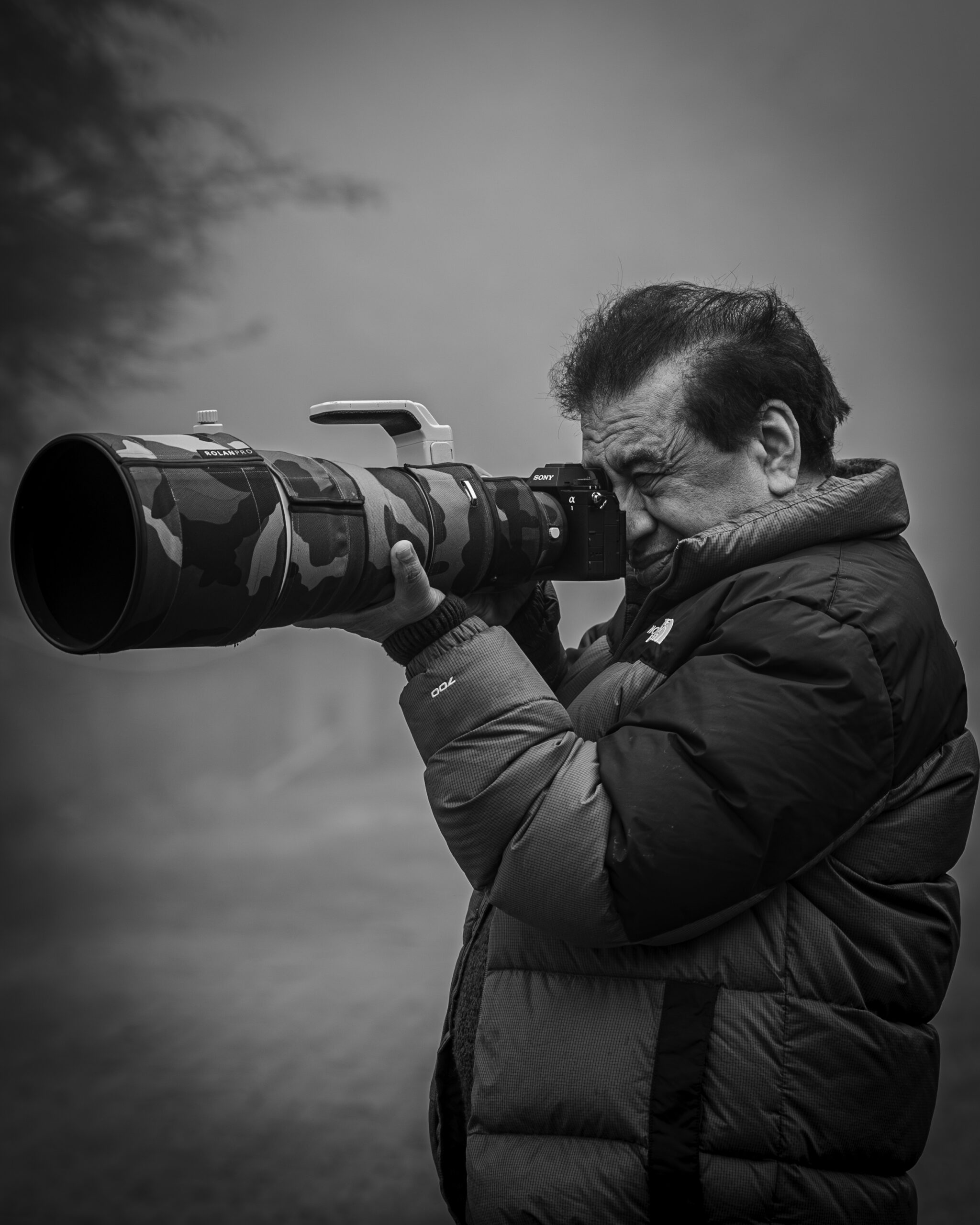
Yogesh Bhatia is a professional Wildlife photographer & mentor in India whose work reflects patience, observation, and a deep respect for nature. His journey in wildlife photography is shaped by countless hours in forests, observing animal behavior and waiting for moments that unfold naturally. Through his lens, wildlife is portrayed not just as subjects, but as living stories within their natural environment. His approach to Wildlife photography India focuses on authenticity rather than staged perfection, resulting in images that feel raw and immersive.