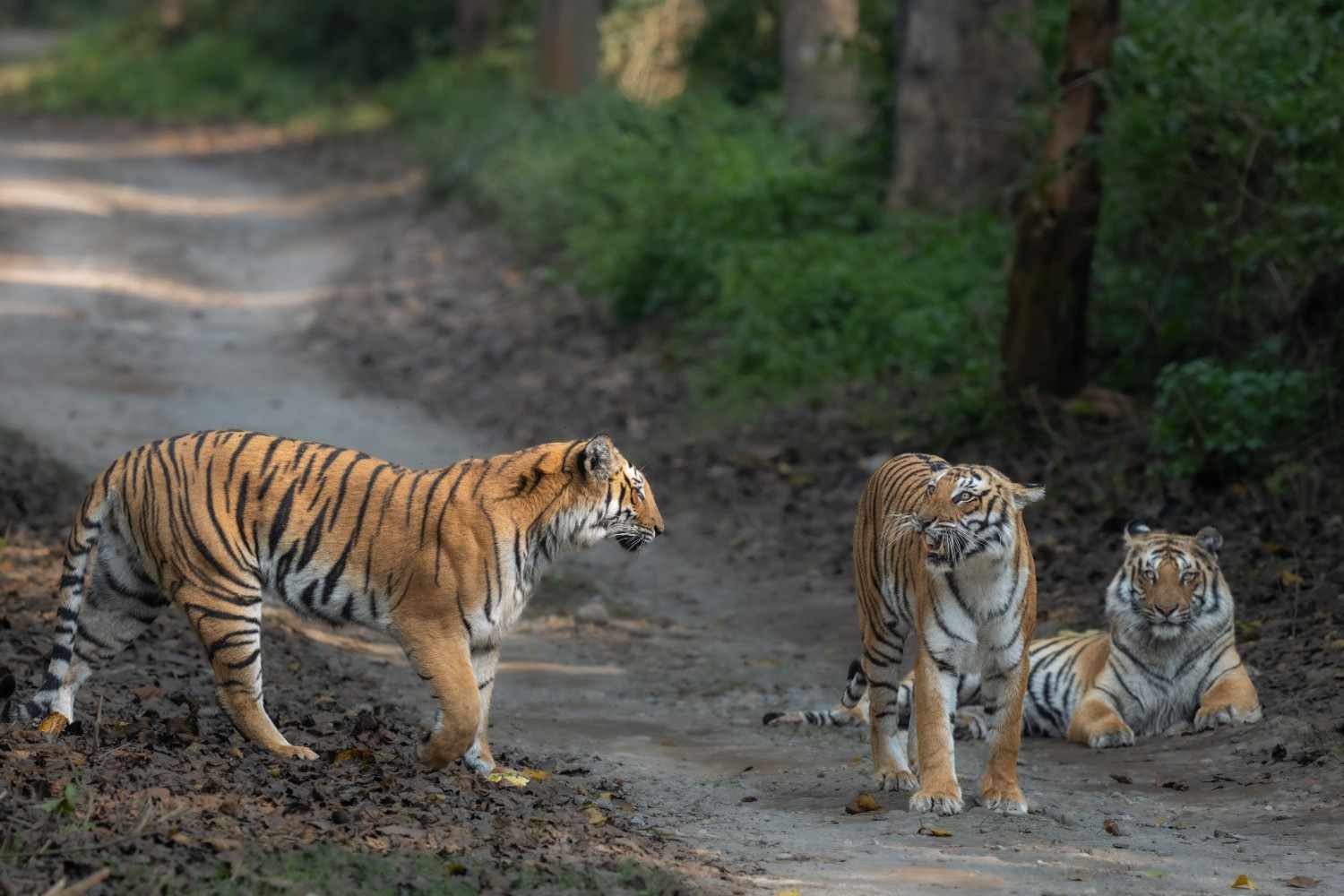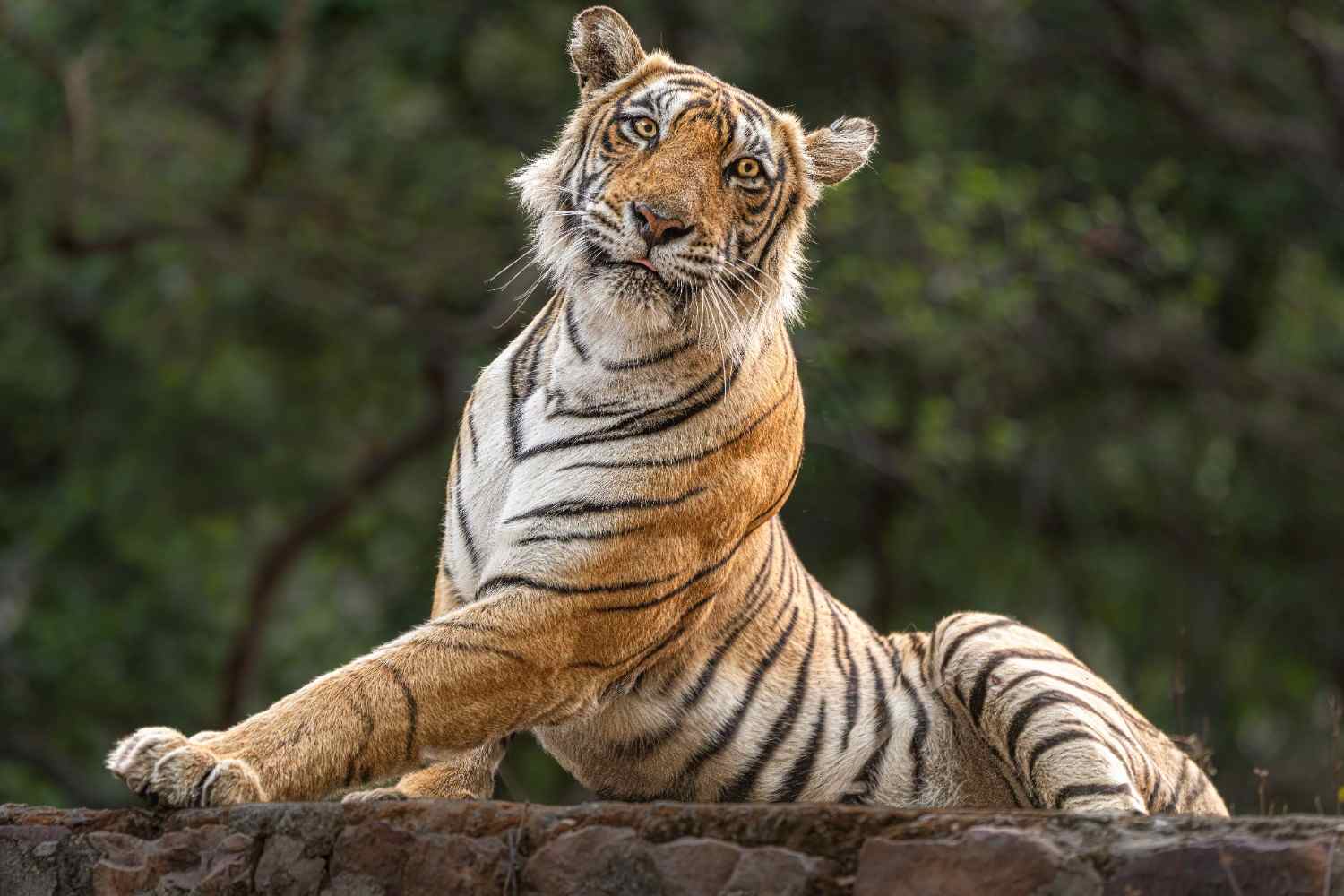
Human–wildlife conflict is becoming an increasing concern as human activities continue to affect the natural environment. The expansion of towns, roads and agricultural land, along with the destruction of forests, has brought people and wild animals into closer contact. As a result, animals may enter human settlements in search of food and shelter, sometimes leading to dangerous encounters and damage to property.
Finding ways to reduce human–wildlife conflict is essential for protecting both local communities and wildlife.
What Is Human–Wildlife Conflict?
Human–wildlife conflict occurs when interactions between people and wild animals cause harm to either side. These situations may involve crop damage, livestock losses, property destruction or threats to human safety. Wild animals can also be injured or killed when conflicts arise.
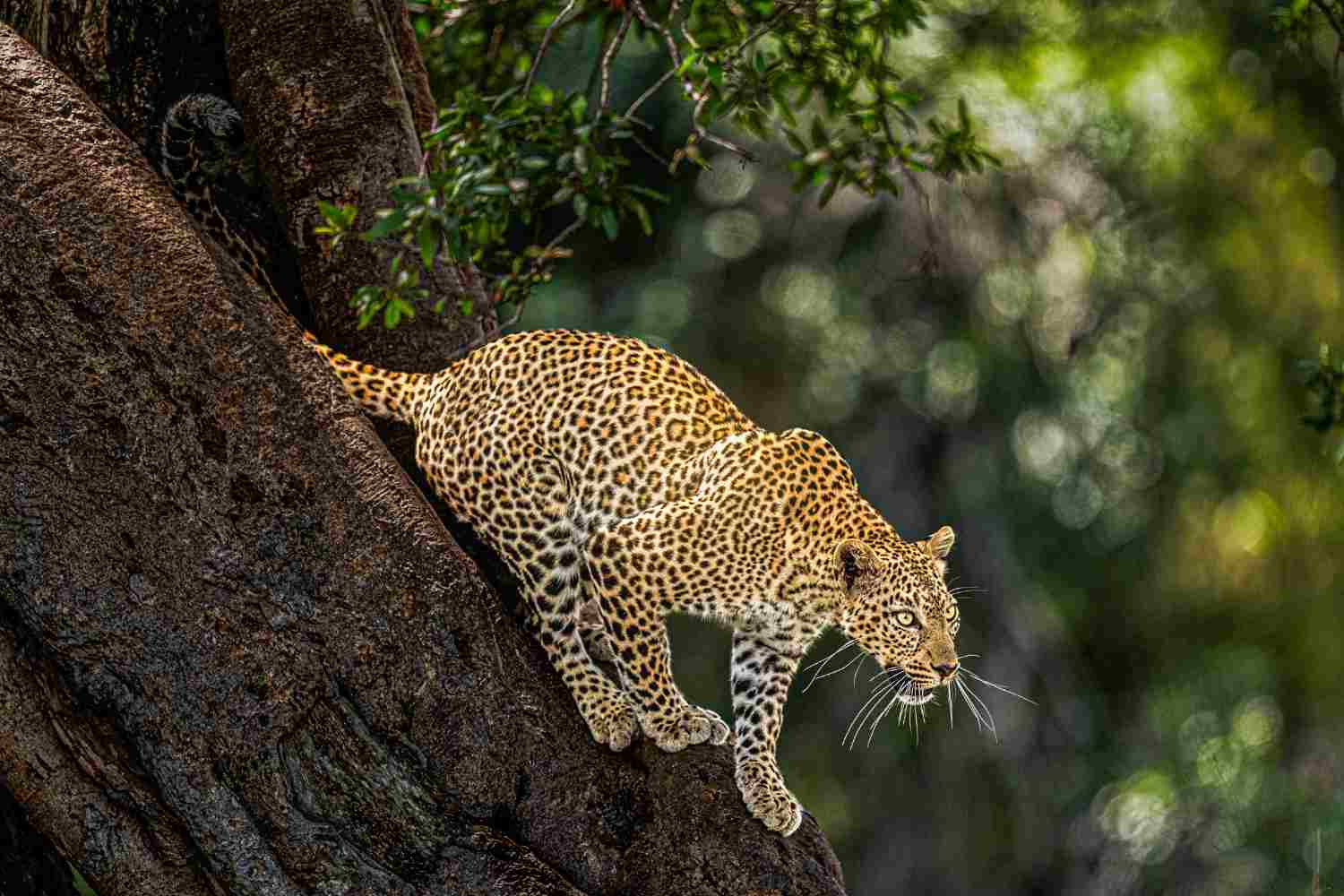
For example, elephants may damage farmland, leopards may enter villages, and monkeys may search for food in residential areas. Such incidents can create difficulties for local communities and pose challenges for wildlife conservation.
Causes of Human–Wildlife Conflict
Several factors contribute to human–wildlife conflict, many of which are linked to changes in land use and human activities.
Habitat Loss: Deforestation and land development reduce the natural habitats available to wild animals. When their habitats are disturbed, animals may move closer to human settlements in search of food and shelter.
Urbanisation: The expansion of towns, cities and transport networks can disrupt wildlife habitats and movement routes, increasing the chances of encounters between people and animals.
Agricultural Expansion: Farms located near forests may attract wild animals looking for food. Animals entering agricultural fields can damage crops and affect farmers’ livelihoods.
Climate Change: Changes in rainfall, temperature and seasonal patterns can affect the availability of food and water, influencing wildlife movement and behaviour.
Improper Waste Disposal: Food waste and unsecured rubbish can attract wild animals to residential areas, encouraging them to return in search of easy food sources.
Effects of Human–Wildlife Conflict
Human–wildlife conflict can have significant environmental, economic and social consequences.
For local communities, encounters with wild animals can result in injuries, loss of life, damaged crops and livestock losses. These incidents can create financial difficulties, particularly for people who depend on farming for their income.
Wildlife is also affected. Animals may be injured or killed in retaliation, while roads, fences and expanding settlements can restrict their movement and access to natural habitats.
Repeated conflicts can create fear and frustration among communities, making wildlife conservation more difficult. Addressing these challenges requires solutions that consider both human safety and the protection of wild animals.
Ways to Reduce Human–Wildlife Conflict
Reducing human–wildlife conflict requires cooperation between local communities, conservation organisations and government authorities.
Protect Natural Habitats: Conserving forests and restoring degraded ecosystems can help wildlife find food, water and shelter within their natural habitats. Wildlife corridors can also provide safe routes between fragmented areas.
Improve Waste Management: Secure rubbish bins and responsible food-waste disposal can reduce the likelihood of wild animals entering residential areas.
Use Suitable Protective Measures: Wildlife-friendly fencing and other non-lethal deterrents can help protect crops, livestock and property when properly designed and maintained.
Raise Public Awareness: Educating communities about wildlife behaviour and safe practices can help prevent dangerous encounters and encourage responsible responses.
Provide Financial Support: Fair compensation for crop damage and livestock losses can help affected families recover financially and reduce tensions between communities and conservation authorities.
Strengthen Conservation Efforts: Governments, researchers and local communities should work together to develop practical strategies based on local wildlife populations and environmental conditions.
Conclusion
Human–wildlife conflict is a growing challenge that affects people, animals and the natural environment. Habitat loss, urbanisation, agricultural expansion and improper waste disposal are among the factors that contribute to these encounters.
Although eliminating every conflict may not be possible, effective planning, habitat protection, public awareness and community involvement can help reduce the risks. By adopting sustainable practices and promoting coexistence, we can protect human livelihoods while ensuring that wildlife continues to thrive in its natural environment.
Protecting wildlife and supporting local communities must go hand in hand to create a safer and more sustainable future.
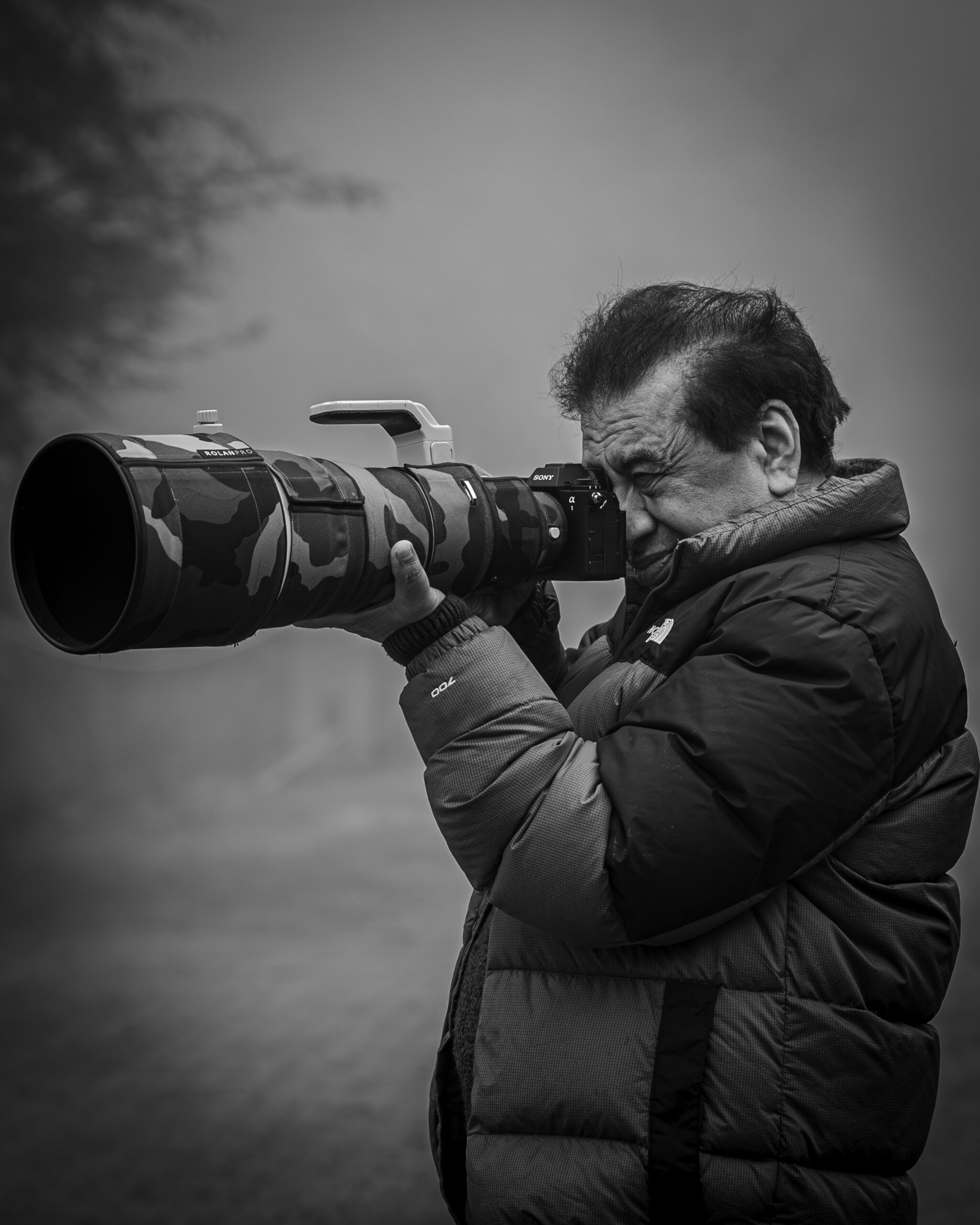
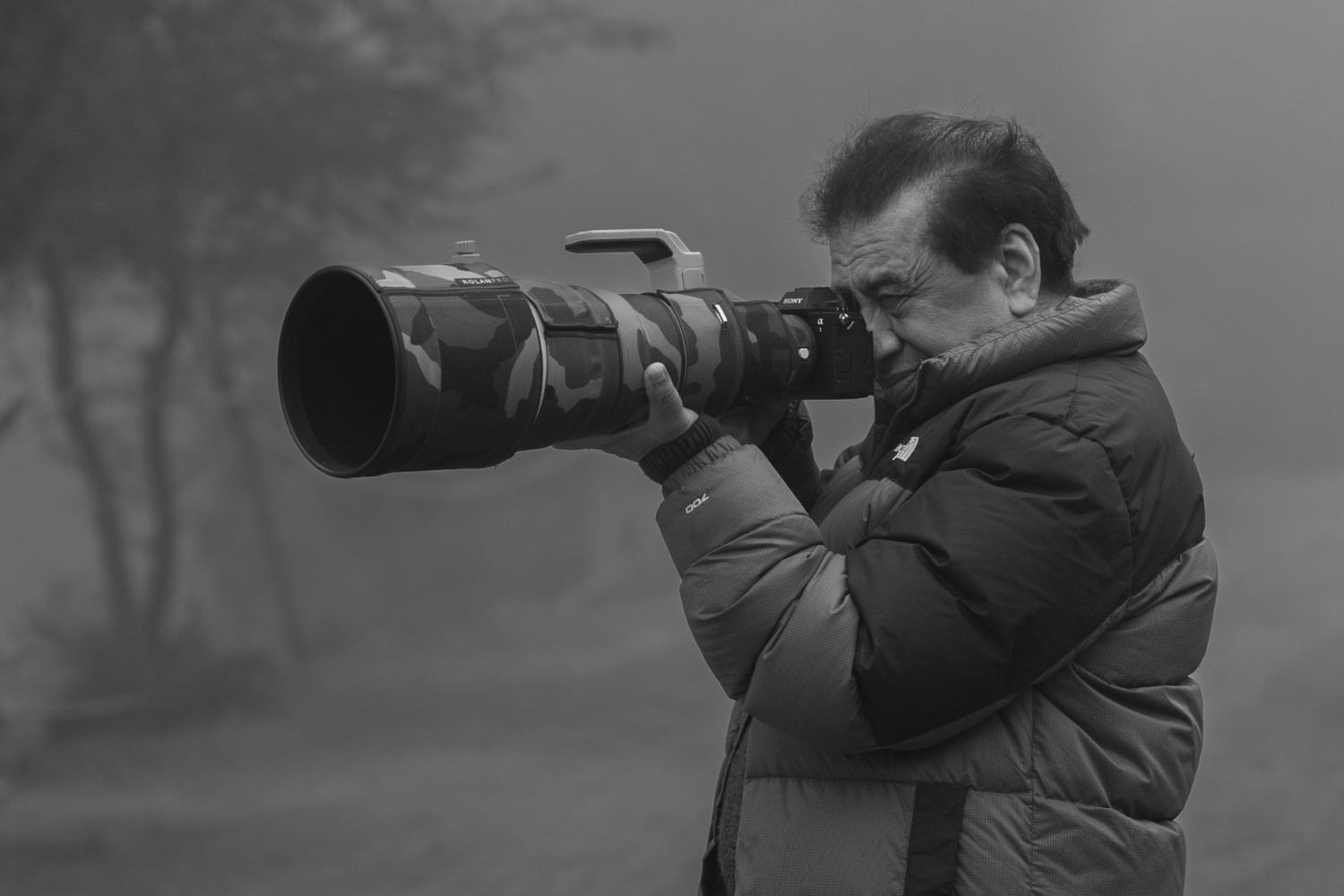
Yogesh Bhatia is a professional Wildlife photographer & mentor in India whose work reflects patience, observation, and a deep respect for nature. His journey in wildlife photography is shaped by countless hours in forests, observing animal behavior and waiting for moments that unfold naturally. Through his lens, wildlife is portrayed not just as subjects, but as living stories within their natural environment. His approach to Wildlife photography India focuses on authenticity rather than staged perfection, resulting in images that feel raw and immersive.