Have you ever wondered how a tiger keeps its claws razor-sharp, how an elephant uses its trunk with incredible precision, or how a dolphin manages to sleep while continuing to swim and breathe?
The world of mammals is full of extraordinary biological adaptations. From the dense fur of snow leopards to the remarkable communication abilities of elephants, every species has evolved specialised features that help it survive in its natural habitat.
As wildlife photographers, we often observe animals through our camera lenses, capturing their expressions, movements, hunting techniques and social interactions. But there is much more to wildlife than what appears in a photograph.
Behind every animal is a fascinating story of evolution, anatomy and survival.
In this article, let’s explore 20 amazing hidden secrets of mammals and understand the science behind some of nature’s most extraordinary adaptations.
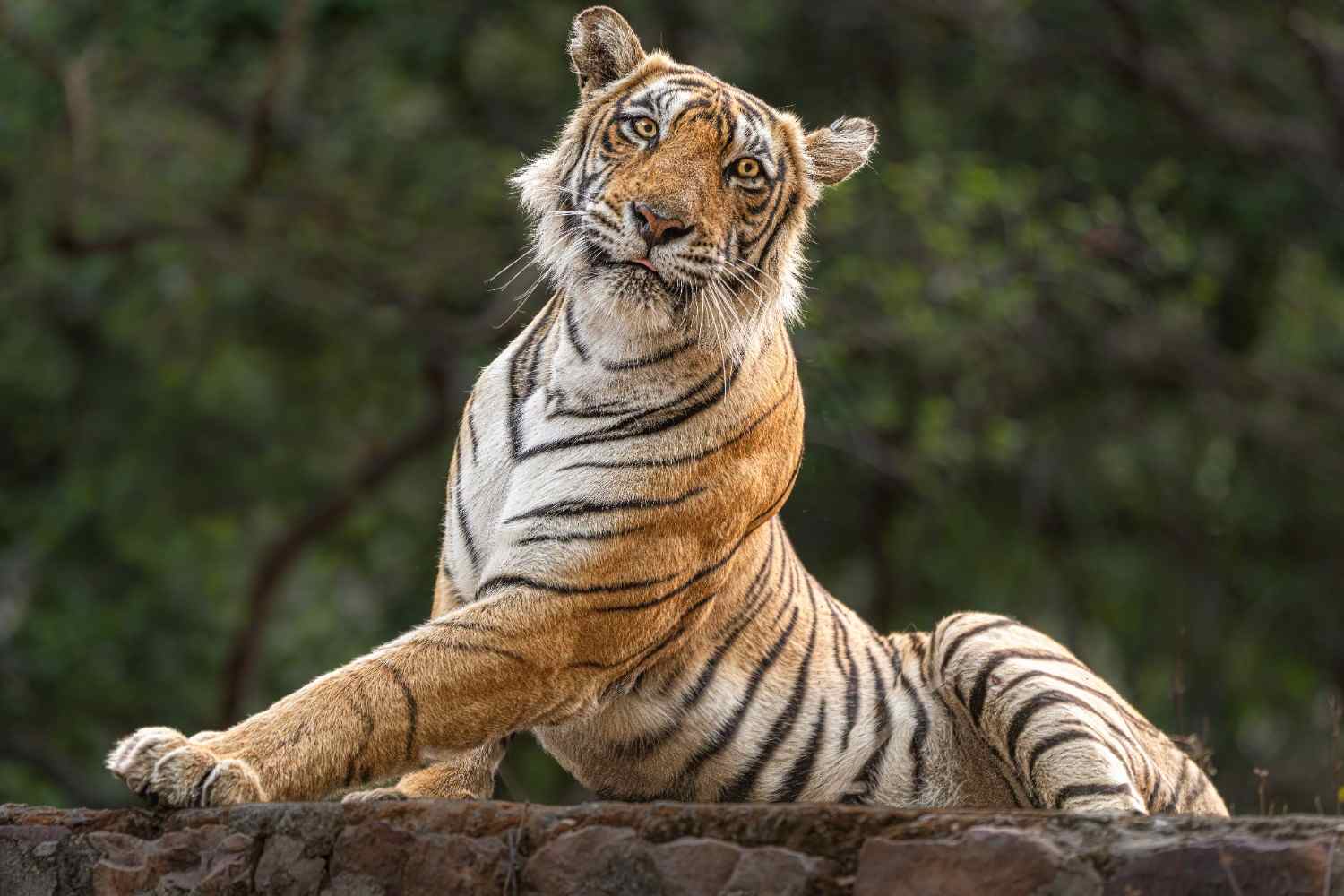
1. Tigers: The secret mechanism behind retractable claws
A tiger’s claws are specialised hunting tools. Unlike human fingernails, tiger claws can be extended and retracted.
When relaxed, elastic ligaments help hold the claws in protective sheaths. When the tiger needs to hunt, climb or grip something, specialised muscles extend them.
This mechanism helps protect the sharp tips from unnecessary wear.
Wildlife fact: Tigers also use their powerful forelimbs and curved claws to hold and control struggling prey.
2. Cheetahs: Built-in running traction
Cheetahs are among the fastest land mammals, and their feet are specially adapted for high-speed running.
Unlike most other cats, cheetahs have semi-retractable claws. These provide additional traction when accelerating and changing direction.
Their flexible spine, powerful hind legs and long tail work together to provide speed, stability and balance during a chase.
Wildlife fact: A cheetah’s claws function somewhat like the spikes on an athlete’s running shoes.
3. Elephants: The extraordinary engineering of the trunk
An elephant’s trunk is one of the most remarkable structures in the animal kingdom.
It combines the functions of a nose, hand, breathing passage, drinking tool and communication instrument.
An anatomical study of an Asian elephant trunk identified approximately 90,000 muscle fascicles. These are bundles of muscle fibres, not 90,000 individual muscles.
This complex muscular arrangement allows an elephant to lift heavy objects, pull branches and pick up surprisingly small items.
Wildlife fact: An elephant can use its trunk to suck up water and then transfer it into its mouth.
4. Lions: Specialised eyes for low-light hunting
Lions are adapted to function in low-light conditions, particularly during dawn, dusk and nighttime activity.
Behind the retina is a reflective layer called the tapetum lucidum. It reflects light back through the retina, increasing the opportunity for light-sensitive cells to detect it.
This is also why a lion’s eyes may appear to glow when illuminated at night.
Wildlife fact: This reflective structure is found in several other nocturnal and crepuscular mammals too.
5. Giraffes: How blood reaches such a tall head
A giraffe’s head can be approximately two metres above its heart.
To supply blood to its brain, a giraffe has a powerful cardiovascular system capable of generating high blood pressure.
Specialised blood vessels and valves help regulate circulation, particularly when the giraffe raises or lowers its head.
Wildlife fact: Giraffes have several adaptations that help manage the pressure changes associated with their unusual body structure.
6. Dolphins: Sleeping with half the brain awake
Dolphins have one of the most fascinating sleeping mechanisms among mammals.
They practise a form of sleep called unihemispheric slow-wave sleep. During this process, one half of the brain rests while the other remains relatively alert.
This allows dolphins to surface for breathing and maintain awareness of their surroundings.
Wildlife fact: A dolphin may keep one eye open while the opposite brain hemisphere remains active.
7. Polar bears: Black skin beneath white fur
Polar bears may appear completely white, but their skin is black.
Their individual hairs are translucent and scatter light, giving the coat its familiar white appearance.
Their thick fur, combined with a substantial layer of body fat, provides insulation in the extremely cold Arctic environment.
Wildlife fact: Polar bears are excellent swimmers and can travel considerable distances through Arctic waters.
8. Snow leopards: The multifunctional tail
The snow leopard has an exceptionally long and thick tail.
It uses this tail for balance while moving across steep, rocky mountain slopes.
During cold weather, the snow leopard can wrap its thick tail around its body and face, helping conserve warmth.
Wildlife fact: The tail is an important adaptation for life in the high-altitude mountains of Central Asia.
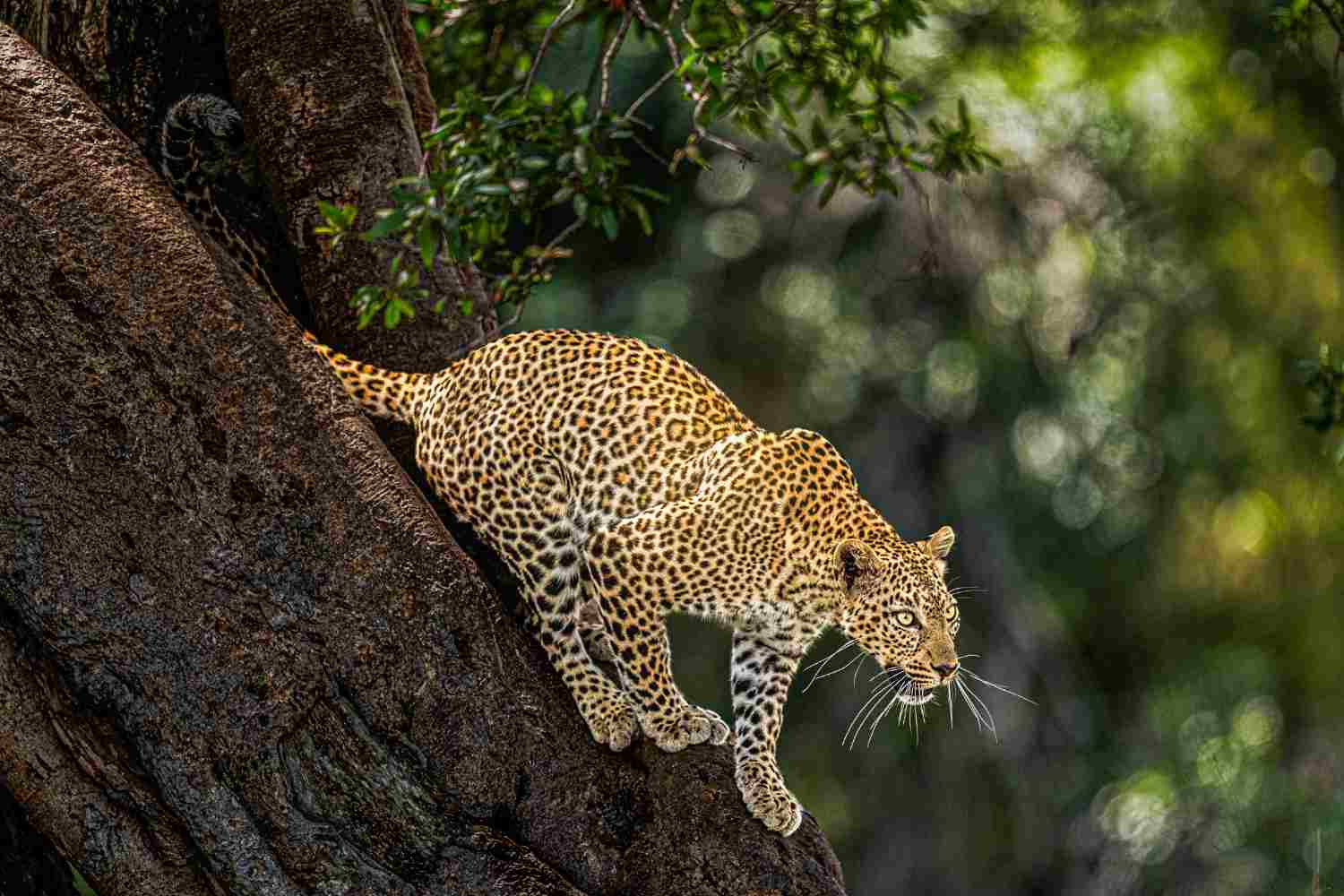
9. Leopards: Powerful climbers of the big-cat family
Leopards possess exceptionally strong shoulders, forelimbs and jaws.
They are capable climbers and can drag substantial prey into trees, helping protect their food from competing predators and scavengers.
Their muscular bodies and powerful limbs allow them to climb with prey that can be remarkably heavy relative to their own body size.
Wildlife fact: A leopard’s climbing ability is one of the reasons it can exploit a wide variety of habitats.
10. Spotted hyenas: Nature’s bone-crushing specialists
Spotted hyenas have extremely powerful jaws and specialised teeth.
Their premolars are adapted to crush bones, allowing them to access nutrients from parts of prey that many other carnivores cannot efficiently consume.
Hyenas are also intelligent social animals that live in complex groups called clans.
Wildlife fact: Spotted hyenas have sophisticated vocal communication, including their familiar laughing calls.
11. Bats: Nature’s biological sonar
Many bats navigate and hunt using echolocation.
They produce high-frequency sounds and interpret the returning echoes to identify obstacles, insects and other objects.
This remarkable ability allows them to navigate and find food even in very dark environments.
Wildlife fact: Not all bats rely on echolocation in the same way; some species also depend heavily on vision and smell.
12. Camels: Remarkable adaptations to dehydration
Camels are perfectly suited to life in dry environments.
One unusual adaptation is their oval-shaped red blood cells, which help maintain blood circulation during dehydration and allow them to tolerate rapid rehydration.
Their ability to conserve water, regulate body temperature and tolerate substantial water loss makes them exceptional desert survivors.
Wildlife fact: A camel’s hump stores fat, not water.
13. Kangaroos: Energy-efficient hopping
Kangaroos have powerful hind legs and specialised tendons that help them hop.
During movement, their tendons store and release elastic energy, reducing the muscular effort required for repeated hopping.
Their long, muscular tails also play an important role in balance and movement.
Wildlife fact: Kangaroos use their tails as an additional support when moving slowly on the ground.
14. Rhinoceroses: A powerful sense of smell
Rhinoceroses have relatively poor eyesight, but their sense of smell and hearing are well developed.
They rely heavily on scent to identify other animals, detect potential threats and communicate through chemical signals.
Wildlife fact: Rhinoceroses use dung and urine deposits as part of their territorial and social communication.
15. Pangolins: Living armour made of keratin
Pangolins are unique mammals covered in protective scales made of keratin.
Keratin is the same structural protein found in human hair and fingernails.
When threatened, a pangolin curls into a tight ball, protecting its softer and more vulnerable body parts.
Wildlife fact: Pangolins have no teeth. They use their long, sticky tongues to collect ants and termites.
16. Wombats: Why are their droppings cube-shaped?
One of the strangest facts about mammals is that wombats produce cube-shaped droppings.
Scientific research has shown that the unusual shape develops because different regions of their intestines have different levels of elasticity and contract differently.
These cube-shaped droppings are useful for territorial marking because they are less likely to roll away.
Wildlife fact: Wombats use these droppings to communicate information about their presence to other wombats.
17. Sloths: Masters of energy conservation
Sloths have an exceptionally slow metabolism and a specialised digestive system.
Their leaf-based diet provides relatively little energy, so their bodies are adapted to conserve energy through slow movement and low metabolic activity.
They spend much of their lives hanging from tree branches and feeding on leaves.
Wildlife fact: Their slow lifestyle is an evolutionary adaptation, not simply laziness.
18. Sea otters: The insulating power of fur
Sea otters have some of the densest fur found in mammals.
Their fur traps a layer of air close to the skin, providing insulation in cold water.
Unlike many other marine mammals, sea otters depend heavily on their fur rather than a thick layer of blubber to maintain body temperature.
Wildlife fact: Sea otters spend considerable time grooming to maintain the insulating properties of their fur.
19. Musk deer: Deer with unusual canine teeth
Male musk deer have elongated upper canine teeth that extend downwards like small tusks.
Unlike most familiar deer species, musk deer do not grow antlers.
These elongated canines are used during competition between males.
Elephants communicate through a variety of sounds, including low-frequency calls known as infrasound.
Wildlife fact: Musk deer are found in parts of the Himalayan region and other mountainous areas of Asia.
20. Elephants: Communicating through sounds we cannot hear
Some of these calls fall below the range of human hearing and can travel considerable distances.
Elephants also detect ground vibrations through specialised sensory structures in their feet and trunks.
Wildlife fact: Elephant communication involves vocalisations, body language, touch, scent and environmental vibrations.
What wildlife photography teaches us about animal behaviour?
Wildlife photography is much more than capturing a beautiful portrait or a dramatic hunting sequence.
Every photograph offers an opportunity to understand the animal behind the image.
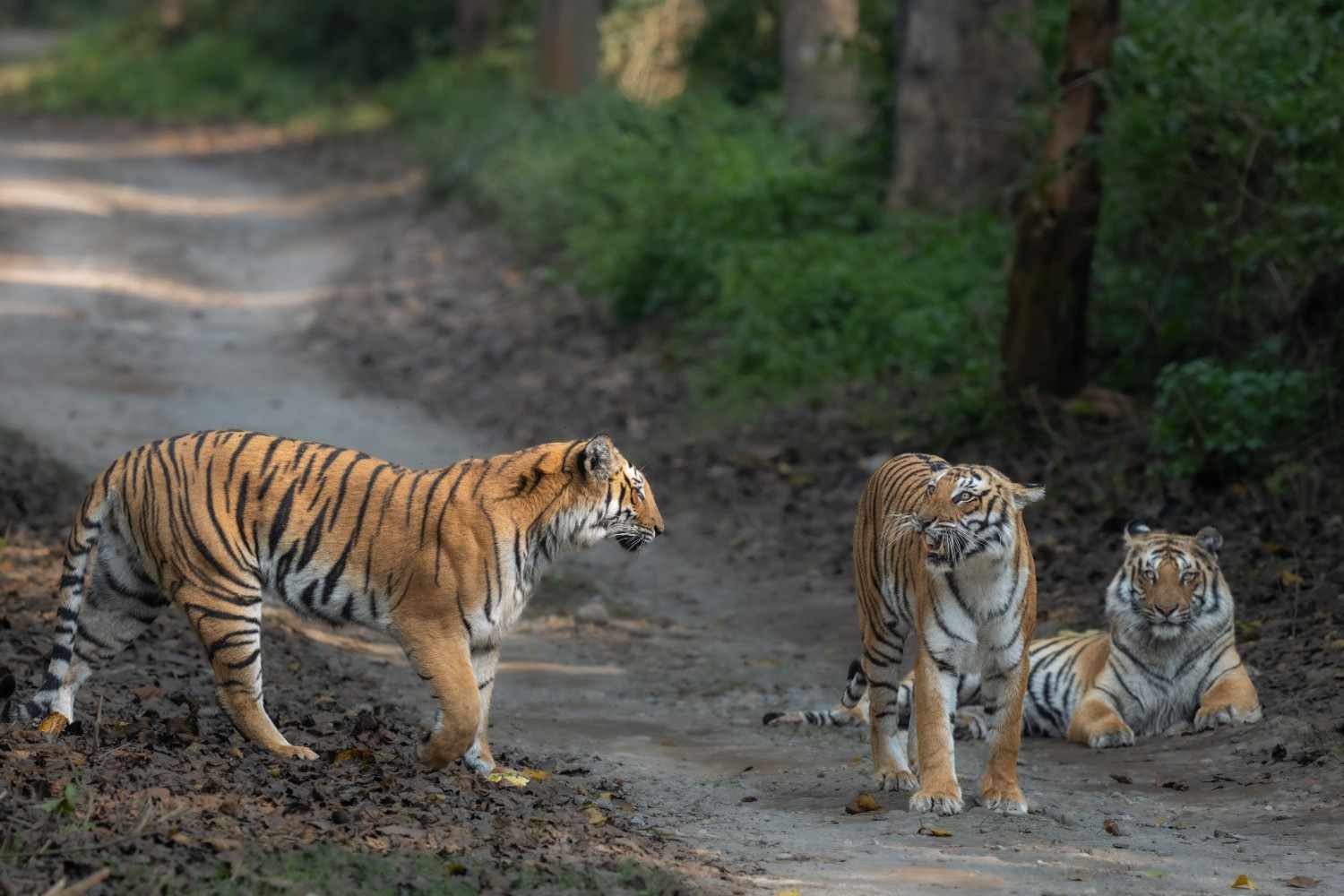
When we photograph a tiger, we can observe its powerful paws and retractable claws. When we photograph an elephant, we can appreciate the extraordinary versatility of its trunk. When we encounter a snow leopard, we can observe how its thick tail helps it survive in the cold mountain environment.
Understanding animal anatomy and behaviour makes wildlife photography more meaningful.
It also encourages us to respect the natural world and recognise the importance of protecting wildlife habitats.
Final thoughts: The real magic of wildlife lies beyond the photograph
Nature is an extraordinary scientist. Over millions of years, mammals have developed specialised adaptations that allow them to survive in forests, grasslands, deserts, mountains and oceans.
As wildlife photographers, we have the privilege of observing these remarkable creatures in their natural environments.
But our responsibility goes beyond taking photographs. It is equally important to learn about their behaviour, understand their survival mechanisms and share that knowledge with others.
The more we understand wildlife, the more deeply we appreciate and respect the natural world.
Keep observing. Keep learning. Keep photographing. And above all, respect the wild.
Yogesh Bhatia
Wildlife Photographer & Mentor
Yogesh Bhatia Photography
Frequently Asked Questions About Mammals
1. What are the most interesting adaptations found in mammals?
Some remarkable mammalian adaptations include retractable claws in tigers, echolocation in bats, unihemispheric sleep in dolphins, specialised blood circulation in giraffes and insulating fur in sea otters.
2. Why do tigers have retractable claws?
Tigers retract their claws to protect their sharp tips from unnecessary wear. They extend them when hunting, climbing or gripping prey.
3. How many muscles does an elephant’s trunk have?
An anatomical study identified approximately 90,000 muscle fascicles in an Asian elephant’s trunk. These are bundles of muscle fibres rather than individual muscles.
4. How do dolphins sleep without drowning?
Dolphins use unihemispheric sleep, in which one half of the brain rests while the other remains active enough to help them surface for breathing.
5. Why do snow leopards have long tails?
Their thick tails help with balance on rocky mountain terrain and can be wrapped around the body for additional warmth.
6. Which mammals use echolocation?
Many bat species and toothed whales, including dolphins, use echolocation to navigate and locate prey.
7. Why do polar bears have black skin?
Black skin helps absorb solar radiation, while their thick fur and body fat provide insulation against Arctic temperatures.
8. Are all mammals warm-blooded?
Yes. Mammals are endothermic animals, meaning they regulate their internal body temperature through metabolic processes.
About the Author
Yogesh Bhatia is an Indian wildlife photographer, mentor and founder of Yogesh Bhatia Photography. Through wildlife photography expeditions, workshops and educational initiatives, he shares his passion for wildlife, nature conservation and photography.
His work focuses on observing animals in their natural habitats and encouraging photographers to understand the behaviour, anatomy and fascinating adaptations of wildlife.

Yogesh Bhatia is a professional Wildlife photographer & mentor in India whose work reflects patience, observation, and a deep respect for nature. His journey in wildlife photography is shaped by countless hours in forests, observing animal behavior and waiting for moments that unfold naturally. Through his lens, wildlife is portrayed not just as subjects, but as living stories within their natural environment. His approach to Wildlife photography India focuses on authenticity rather than staged perfection, resulting in images that feel raw and immersive.