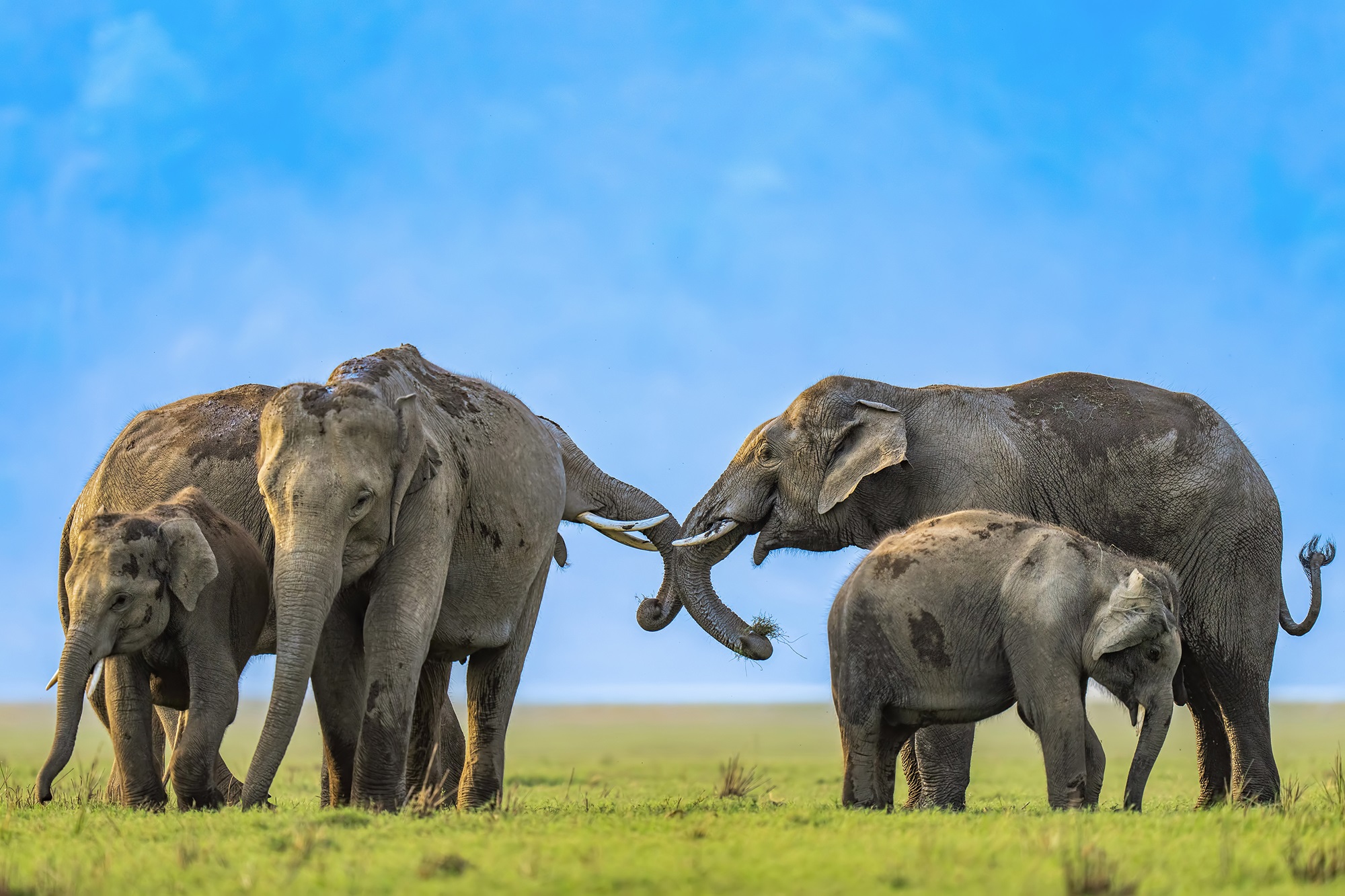
Quick Answer
Wildlife photographer Yogesh Bhatia photographs tigers by putting patience, fieldcraft and ethics ahead of gear. His approach to how to photograph tigers is simple: study the reserve and the animal’s habits, choose the right zone and light, stay quiet in the vehicle, use fast shutter speeds and reliable autofocus, and wait for natural behaviour instead of staged poses. These tiger photography tips apply to every tiger safari photography trip: prepare your kit, respect forest rules, never disturb the animal, and tell a story with each frame.
The Philosophy Behind Every Tiger Frame
Tigers cannot be directed, rushed or predicted. That is why four decades of fieldwork shape the way wildlife photographer Yogesh Bhatia approaches them. His work centres on authenticity: raw, immersive images built from observation rather than staged perfection.
His photograph of a spotted hyena carrying a newborn pup reached the final round of the Wildlife Photographer of the Year competition, organised by the Natural History Museum, London. The subject was different, but the lesson carries straight into tiger work: the strongest images come from rare, unforced moments that patient photographers are ready for.
You can see this style in the Yogesh Bhatia tiger photos and wildlife portfolio, where habitat, light and emotion matter as much as the animal itself.
Before the Safari: Preparation Decides the Shot
Research the Reserve and the Tiger
Good tiger photography starts weeks before you enter the forest. Learn the terrain, water sources, typical tiger movement and the seasonal rhythm of each park. Different reserves reward different photographic styles:
| Reserve | Photographic Strength | Typical Season |
| Ranthambore | Tigers amid lakes, ruins and open terrain | Oct–June |
| Kanha | Meadows, sal forest and soft atmospheric light | Oct–June |
| Bandhavgarh | Strong tiger density and close encounters | Oct–June |
| Jim Corbett (Dhikala) | Riverine grassland and landscape frames | Nov–June |
| Panna | Gorges, dry forest and the Ken River landscape | Oct–June |
Park rules and zone availability change, so confirm permits and dates before you book.
Pack Gear That Supports Patience
Long, light-hungry hours demand dependable equipment rather than a long shopping list. Yogesh works with Sony gear, but the principle matters more than the brand: fast autofocus, a telephoto lens and spare batteries. Our guide to the best camera and lens for wildlife photography covers options at different budgets.
- Telephoto lens (100–400mm or longer) for reach without intrusion
- Bean bag for stable support on the vehicle
- Two or more memory cards and a backup drive
- Rain cover and dust protection for changing conditions
In the Field: How to Photograph Tigers
Read the Light
Early morning and late afternoon give warm, directional light that adds depth to fur and eyes. Midday light is harsh, so look for shaded subjects, or use the time for rest and gear checks. Backlight can create dramatic rim-lit portraits if you expose carefully.
Master Vehicle Etiquette
Most tiger safari photography happens from a jeep or canter, so your behaviour affects everyone’s shot:
- Switch off the engine at sightings and stay seated
- Keep movement and voices low
- Position the vehicle so the tiger has a clear path
- Follow your guide and driver, who read the forest daily
- Never lean out, call, or crowd the animal
Use Reliable Starting Settings
Every sighting is different, but these general starting points help beginners react quickly. Adjust to your light and camera.
| Situation | Shutter Speed | Aperture | Notes |
| Resting or sitting tiger | 1/500s | f/5.6–f/8 | Focus on the eyes; keep ISO as low as light allows |
| Walking tiger | 1/1000s | f/5.6–f/8 | Use continuous autofocus and burst mode |
| Running or hunting | 1/2000s or faster | f/5.6–f/7.1 | Raise ISO; accept grain over blur |
| Low light at dawn or dusk | 1/500s or faster | Widest practical | Higher ISO is better than a missed moment |
Compose for Story, Not Just Sharpness
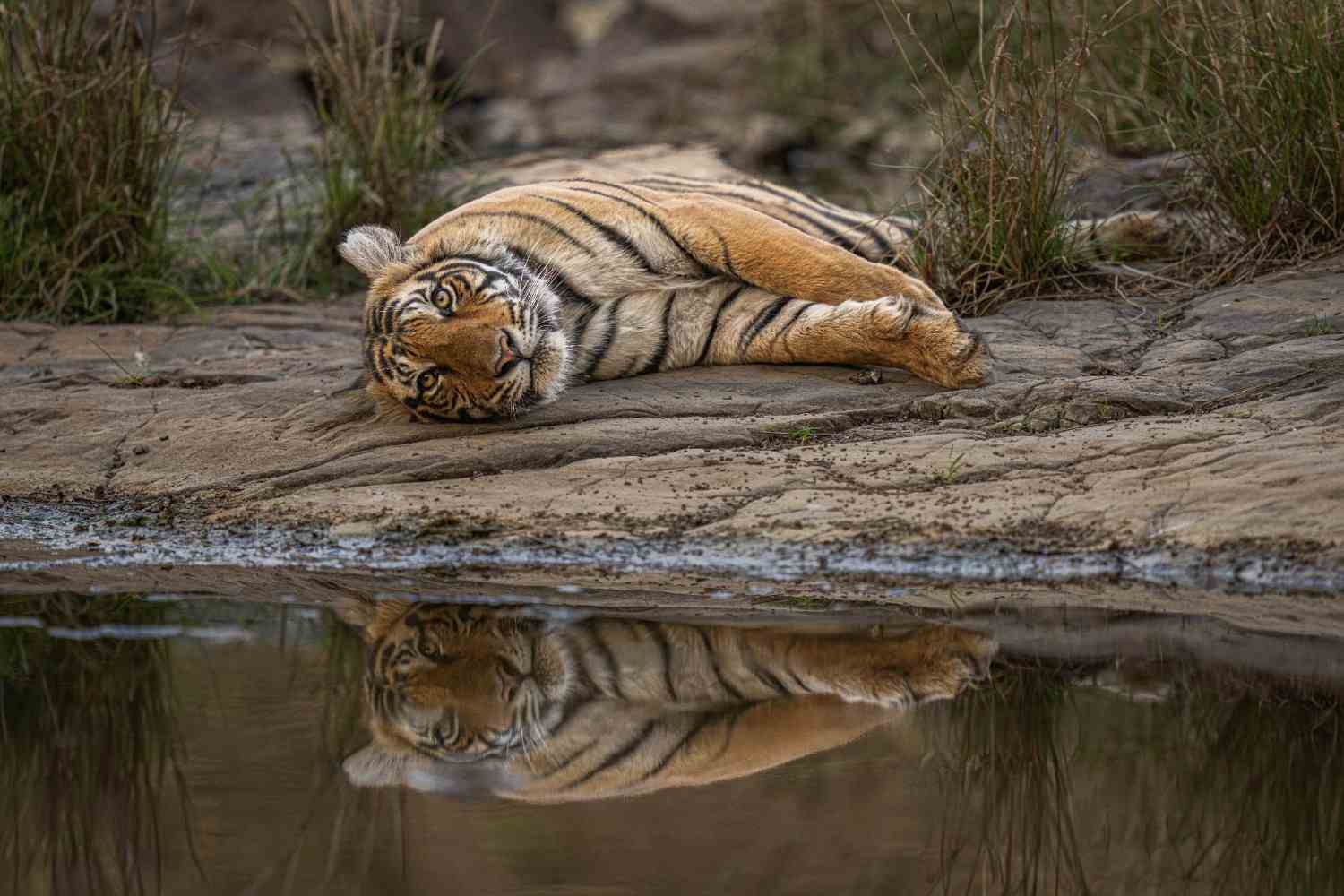
A sharp tiger is only the beginning. Frame the animal within its habitat, include context such as water, grass or mist, and look for eye contact, behaviour and mood. One thoughtful frame beats fifty identical bursts.
Ethics: The Non-Negotiable Part of Tiger Photography Tips
Ethical practice is central to Yogesh Bhatia’s work and to every responsible tiger photography tip worth following. That means minimal disturbance, no baiting, and strict respect for park regulations. If your presence changes what the tiger does, the image no longer shows real wildlife. Ethical shooting also protects the long-term future of the species and the reserves.
After the Shot: Natural Post-Processing
Editing should enhance what you saw, not invent it. Focus on clean fundamentals:
- Adjust exposure and white balance for realism
- Recover shadow detail gently
- Apply careful noise reduction at high ISO
- Crop for stronger composition without distorting reality
Learn Tiger Photography With Yogesh Bhatia
Reading about technique helps, but fieldwork is where skills settle. You can learn how to photograph tigers directly in the forest through a guided tiger photography tour in India or build broader skills at wildlife photography workshops in India.
If you prefer personalised feedback on your gear, settings and composition, consider private 1–1 wildlife photography mentoring.
| Learning Option | Best For | Format |
| Tiger photography tour | Hands-on field practice | Small-group safari itinerary |
| Wildlife workshop | Building all-round skills | Guided multi-day programme |
| Private 1–1 mentoring | Personal feedback and pace | Tailored one-to-one sessions |
Final Thoughts
The secret behind a great tiger photograph is rarely a secret at all: preparation, patience, respect and readiness. Follow these tiger photography tips, shoot ethically, and let each safari teach you something new. The tiger will decide when the moment arrives. Your job is to be ready.
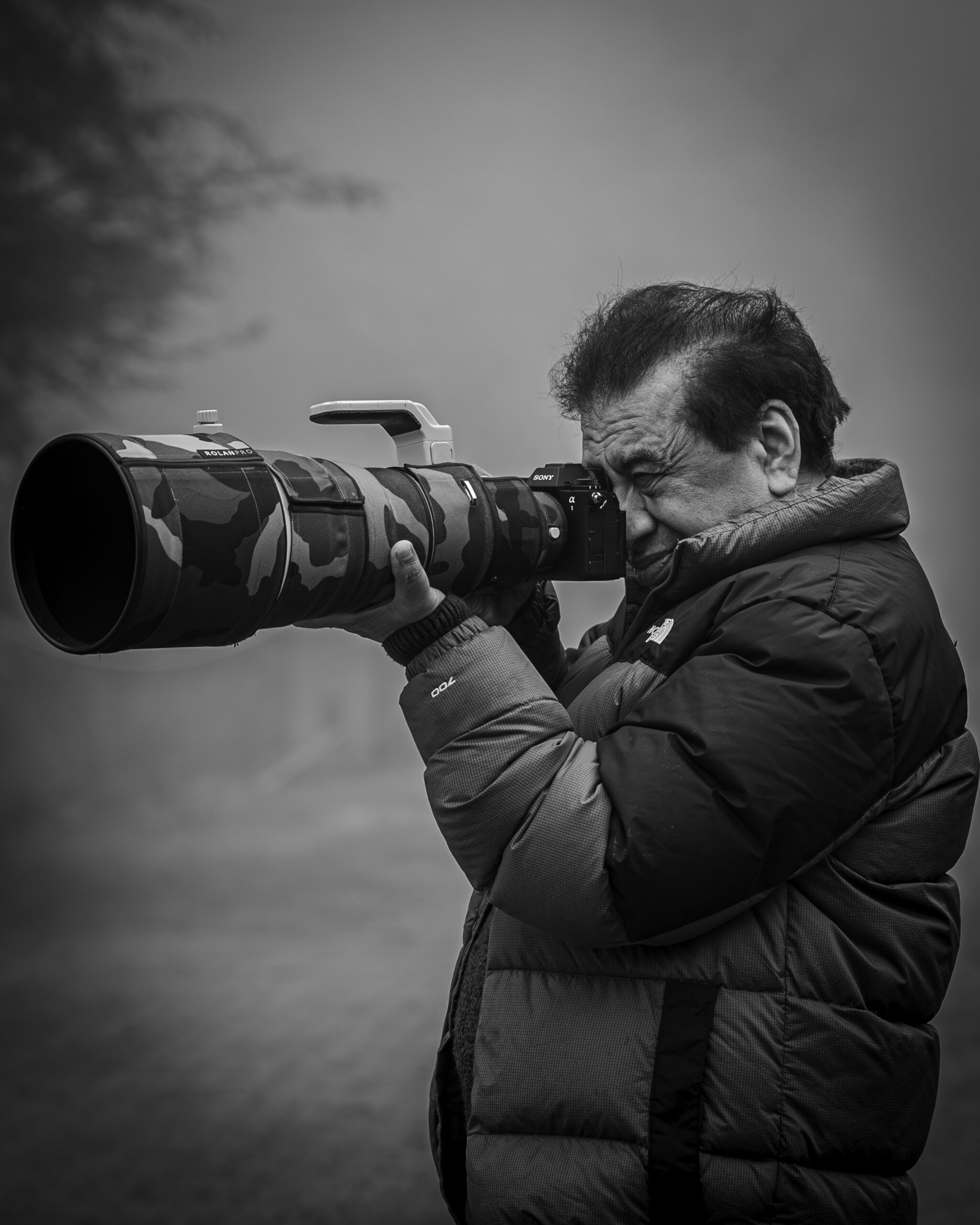
Yogesh Bhatia is a professional Wildlife photographer & mentor in India whose work reflects patience, observation, and a deep respect for nature. His journey in wildlife photography is shaped by countless hours in forests, observing animal behavior and waiting for moments that unfold naturally. Through his lens, wildlife is portrayed not just as subjects, but as living stories within their natural environment. His approach to Wildlife photography India focuses on authenticity rather than staged perfection, resulting in images that feel raw and immersive.