Top 5 National Parks in India for Big Cat Photography: A Definitive Guide (2026)

Introduction: The Land of the Big Cats

Few wildlife experiences match the intensity of locking focus on a tiger emerging from the forest shadows or a leopard stepping across granite cliffs at dawn. India holds nearly 75% of the world’s wild tiger population and remains one of the most dynamic destinations for Wildlife Photography India. For photographers, the country’s diverse ecosystems—from dry deciduous forests to rocky plateaus—create dramatically different shooting environments.

But not every national park delivers the same photographic opportunity. Some reserves have dense vegetation that makes sightings rare, while others offer open landscapes where big cats frequently appear near waterholes or open trails. The five parks in this guide are selected specifically for their sightings success rates, terrain visibility, and consistency for photographers pursuing serious Tiger Safari India or Big Cat Safari experiences.

Many enthusiasts plan entire expeditions around these locations, often joining specialized Wildlife photography tours india that maximize time in high-activity zones. A seasoned Wildlife photographer India will confirm that choosing the right park and season can dramatically increase both encounter probability and photographic quality.

Best Big Cat Photography Parks in India

RankNational ParkPrimary TargetBest Time for Photos
1Bandhavgarh National ParkTigerApril–June (Low Water Season)
2Ranthambore National ParkTigerOctober–March (Cool Light)
3Tadoba-Andhari Tiger ReserveTigerMarch–May (Dry Season Sightings)
4Gir National ParkAsiatic LionDecember–March
5Jawai Leopard HillsLeopardYear-Round


These locations consistently rank among the Best Tiger Reserves and big cat landscapes for serious photographers due to reliable sightings and distinctive terrain that allows clear compositions.

1. Bandhavgarh – The Tiger Capital of India

Bandhavgarh

Bandhavgarh is widely regarded as the highest probability tiger photography location in India. Located in Madhya Pradesh, this compact reserve has one of the highest tiger densities in the country, making it a flagship destination for a serious Tiger Safari India.

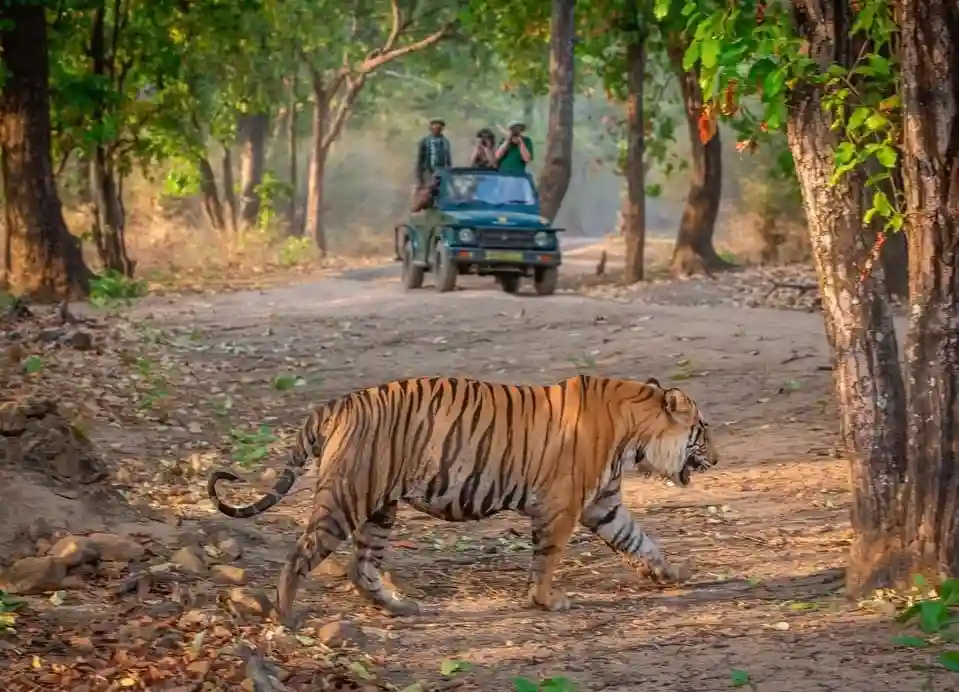
Unlike dense reserves where visibility is limited, Bandhavgarh’s combination of sal forests, grasslands, and rocky hills creates open sightlines that allow photographers to capture tigers moving naturally through their habitat. The Tala zone in particular is famous for dramatic landscape-integrated images where tigers walk across forest tracks framed by ancient trees.

Photographer’s Specs

Factor Details
Best Months April – June
Sightings Density Very High
Terrain Type Sal forest, grasslands, rocky plateaus
Ideal Lens 200–600mm

Photographic Challenge

The dense sal forest can create high-contrast lighting, especially in midday sun. Photographers often encounter dappled light patches filtering through leaves.

Field Tip:
Expose slightly for highlights and shoot in burst mode when a tiger crosses a sunlit path. The contrast between shadow and sunlight can create dramatic cinematic compositions.

Another advantage here is that experienced trackers often anticipate tiger movement. Many professional Wildlife photography tours india schedule multiple drives in Tala zone precisely because it consistently delivers activity.

2. Ranthambore – Tigers Among Ancient Ruins
Ranthambore

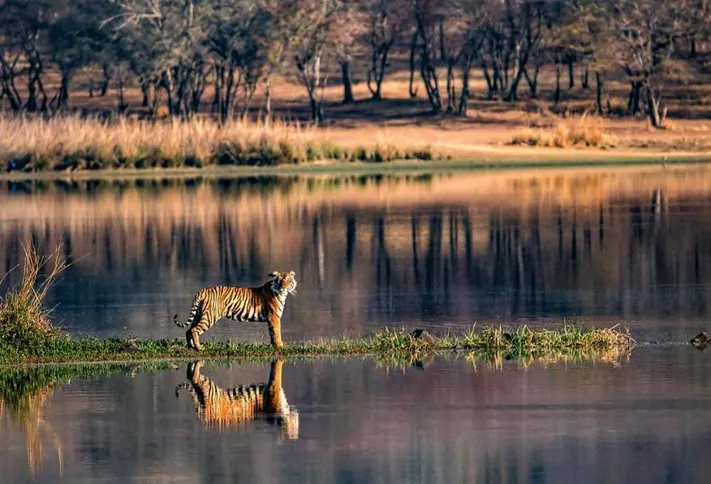
Ranthambore offers one of the most visually distinctive settings for Wildlife Photography India. Located in Rajasthan, the reserve is famous for its ancient fort, historic ruins, and scenic lakes where tigers frequently patrol the shoreline.

Unlike dense forests, Ranthambore features dry deciduous woodland and open scrub, making it easier to track movement across valleys and lake edges. This setting allows photographers to capture some of India’s most iconic wildlife compositions—tigers walking past centuries-old ruins or reflections in calm water bodies.

Photographer’s Specs

FactorDetails
Best MonthsOctober – March
Sightings DensityModerate to High
Terrain TypeDry deciduous forest, rocky ridges, lakes
Ideal Lens100–400mm or 200–600mm

Photographic Challenge

Dust is the biggest obstacle in Ranthambore. Safari vehicles often travel in convoys, and dry soil can create airborne dust clouds that reduce clarity.

Field Tip:
Use faster shutter speeds and keep lens cloths ready. Shooting backlit dust trails behind a walking tiger can produce dramatic atmospheric images.

The famous “tiger by the lake” scene is one of the most sought-after shots in the Best Tiger Reserves of India.

3. Tadoba-Andhari – The Dry Season Powerhouse
Tadoba-Andhari

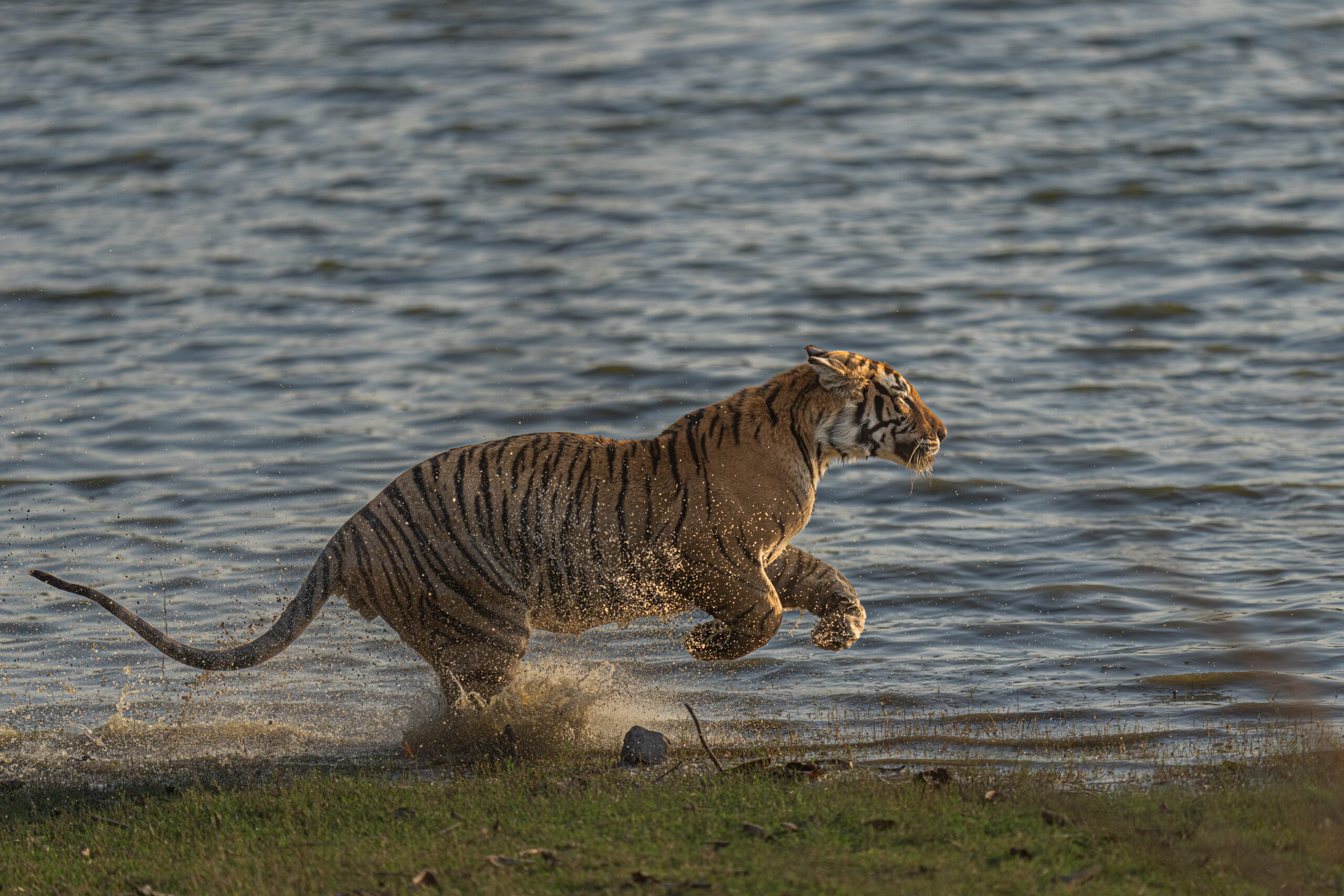
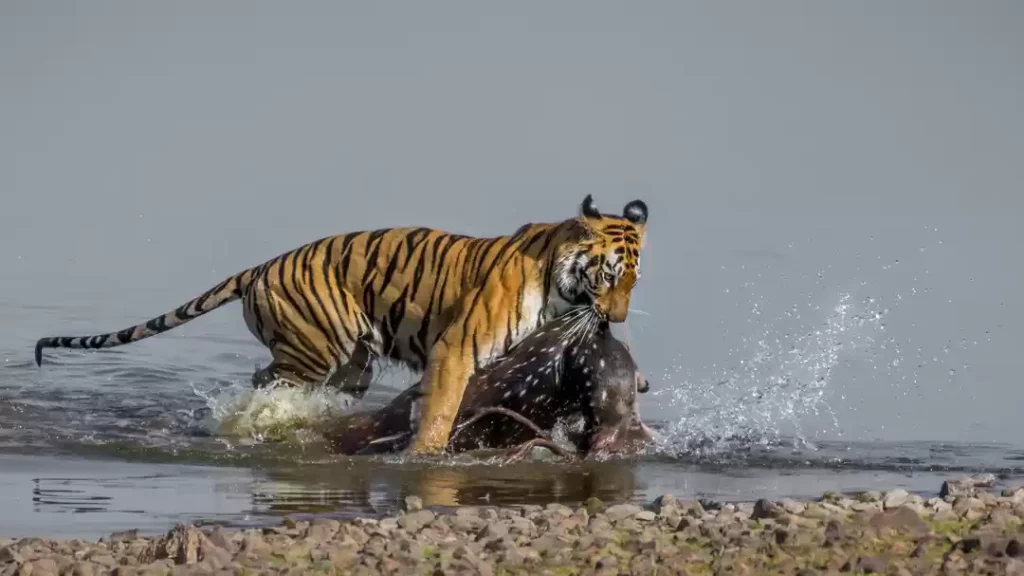
Tadoba-Andhari Tiger Reserve in Maharashtra has become one of the most reliable locations for tiger sightings in recent years. The reserve is famous for consistent daytime tiger movement, especially during the dry summer months when animals gather around shrinking water sources.

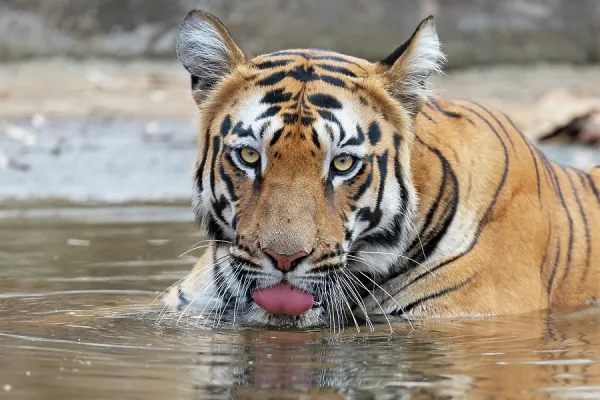
For photographers, Tadoba offers excellent opportunities to capture behavioral shots such as drinking, bathing, and territorial movement.

Photographer’s Specs

FactorDetails
Best MonthsMarch – May
Sightings DensityHigh
Terrain TypeDry teak forest, grassland patches
Ideal Lens300–600mm

Photographic Challenge

Summer heat in Tadoba can exceed 45°C, creating intense light conditions and heat haze.

Field Tip:
Plan early morning drives and position the vehicle with the sun behind you. Waterholes offer some of the best opportunities for symmetrical reflections and relaxed tiger behavior.

Because of these predictable patterns, Tadoba has become a favorite location for dedicated Big Cat Safari photography workshops.

4. Gir – The Last Home of Asiatic Lions
Gir

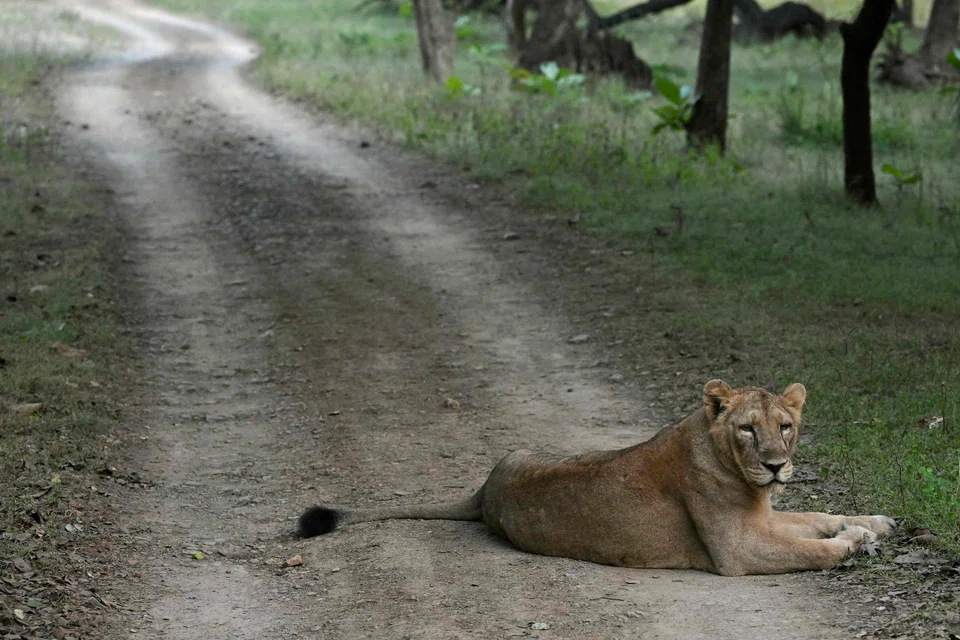
Gir National Park in Gujarat holds a unique place in global wildlife photography. It is the only location in the world where Asiatic lions exist in the wild, making it a must-visit destination for big cat photographers.

Unlike tiger habitats, Gir features open scrub forest and savanna-like terrain, which allows longer visual tracking distances. Lions often move in small prides or family groups, offering opportunities to capture social interactions rarely seen in solitary tiger species.

Photographer’s Specs
FactorDetails
Best MonthsDecember – March
Sightings DensityHigh for Lions
Terrain TypeDry teak forest, grassland, scrub
Ideal Lens100–400mm

Photographic Challenge

Lions typically move during early morning and late afternoon, creating low-angle lighting situations.

Field Tip:
Use side lighting to emphasize mane textures and facial features. The golden light of winter mornings in Gir produces exceptionally dramatic lion portraits.

Because the species exists nowhere else in the wild, Gir remains a cornerstone destination for any serious Wildlife Photography India expedition.

5. Jawai – The Leopard Landscape
Jawai

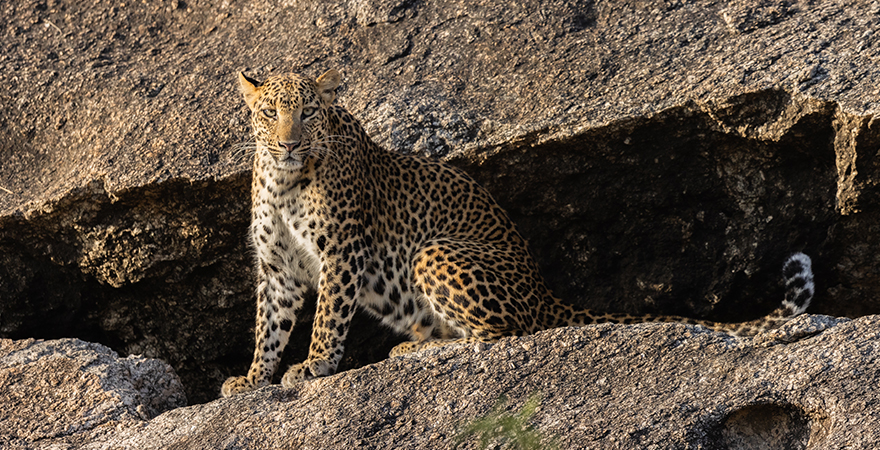
Jawai in Rajasthan is unlike any traditional national park. Instead of forests, the landscape consists of massive granite hills dotted with caves, which serve as natural shelters for leopards.

These leopards have adapted to coexist with local villages and shepherd communities, resulting in a surprisingly high sighting frequency. Photographers often track them across dramatic rocky formations during sunrise or sunset.

Photographer’s Specs

FactorDetails
Best MonthsYear-Round
Sightings DensityModerate to High
Terrain TypeGranite hills, caves, open scrub
Ideal Lens200–500mm

Photographic Challenge

Leopards in Jawai are most active during low-light periods, especially dawn and dusk.

Field Tip:
Use fast lenses and higher ISO settings to maintain sharpness. Silhouettes of leopards walking across ridge lines against sunset skies create striking compositions rarely possible in dense forests.

Jawai has quickly become a favorite destination for specialized Big Cat Safari experiences focused on leopard behavior.

Mastering Wildlife Photography in India

Photographing big cats in India involves more than simply visiting a famous park. Environmental conditions and safari regulations require careful preparation.

Some of the most common challenges include:

1. Dust and Dry Terrain

Most Best Tiger Reserves experience heavy dust during the summer months. Protective covers for cameras and frequent lens cleaning are essential.

2. Heat and Lighting

Temperatures during peak Tiger Safari India season can exceed 40°C. Heat haze can affect long-distance shots, so positioning closer to action zones is important.

3. Vehicle Positioning Rules

National parks regulate jeep movement strictly. Guides often determine vehicle placement during sightings, making local expertise critical.

This is where experienced professionals make a difference. A seasoned Wildlife photographer India often anticipates animal movement based on alarm calls, track marks, and waterhole activity.

Similarly, many photographers join structured Wildlife photography tours india to access expert trackers and maximize opportunities in high-activity zones.

In big cat photography, anticipation matters as much as equipment.

Conclusion: Choosing the Right Big Cat Destination

Each of these five locations offers a distinct photographic identity:

  • Bandhavgarh – unmatched tiger density

  • Ranthambore – historic landscapes with iconic lake scenes

  • Tadoba – reliable summer tiger sightings

  • Gir – the world’s only wild Asiatic lions

  • Jawai – dramatic leopard landscapes

Together, they represent the most rewarding environments for serious Wildlife Photography India expeditions.

The key is aligning the destination with the subject and landscape style you want to capture. Whether pursuing tigers in dense sal forests or leopards on granite cliffs, each park provides unique creative opportunities.

For photographers aiming to maximize sightings and capture portfolio-quality images, planning a dedicated Wildlife photography tours india can dramatically improve success rates—placing you in the right location, at the right time, when the forest reveals its most elusive predators.
Top National Parks in India for Big Cat Photography

Top 5 National Parks in India for Big Cat Photography: A Definitive Guide (2026)

Introduction: The Land of the Big Cats

Few wildlife experiences match the intensity of locking focus on a tiger emerging from the forest shadows or a leopard stepping across granite cliffs at dawn. India holds nearly 75% of the world’s wild tiger population and remains one of the most dynamic destinations for Wildlife Photography India. For photographers, the country’s diverse ecosystems—from dry deciduous forests to rocky plateaus—create dramatically different shooting environments.

But not every national park delivers the same photographic opportunity. Some reserves have dense vegetation that makes sightings rare, while others offer open landscapes where big cats frequently appear near waterholes or open trails. The five parks in this guide are selected specifically for their sightings success rates, terrain visibility, and consistency for photographers pursuing serious Tiger Safari India or Big Cat Safari experiences.

Many enthusiasts plan entire expeditions around these locations, often joining specialized Wildlife photography tours india that maximize time in high-activity zones. A seasoned Wildlife photographer India will confirm that choosing the right park and season can dramatically increase both encounter probability and photographic quality.

Best Big Cat Photography Parks in India

RankNational ParkPrimary TargetBest Time for Photos
1Bandhavgarh National ParkTigerApril–June (Low Water Season)
2Ranthambore National ParkTigerOctober–March (Cool Light)
3Tadoba-Andhari Tiger ReserveTigerMarch–May (Dry Season Sightings)
4Gir National ParkAsiatic LionDecember–March
5Jawai Leopard HillsLeopardYear-Round


These locations consistently rank among the Best Tiger Reserves and big cat landscapes for serious photographers due to reliable sightings and distinctive terrain that allows clear compositions.

1. Bandhavgarh – The Tiger Capital of India

Bandhavgarh

Bandhavgarh is widely regarded as the highest probability tiger photography location in India. Located in Madhya Pradesh, this compact reserve has one of the highest tiger densities in the country, making it a flagship destination for a serious Tiger Safari India.

Unlike dense reserves where visibility is limited, Bandhavgarh’s combination of sal forests, grasslands, and rocky hills creates open sightlines that allow photographers to capture tigers moving naturally through their habitat. The Tala zone in particular is famous for dramatic landscape-integrated images where tigers walk across forest tracks framed by ancient trees.

Photographer’s Specs

Factor Details
Best Months April – June
Sightings Density Very High
Terrain Type Sal forest, grasslands, rocky plateaus
Ideal Lens 200–600mm

Photographic Challenge

The dense sal forest can create high-contrast lighting, especially in midday sun. Photographers often encounter dappled light patches filtering through leaves.

Field Tip:
Expose slightly for highlights and shoot in burst mode when a tiger crosses a sunlit path. The contrast between shadow and sunlight can create dramatic cinematic compositions.

Another advantage here is that experienced trackers often anticipate tiger movement. Many professional Wildlife photography tours india schedule multiple drives in Tala zone precisely because it consistently delivers activity.

2. Ranthambore – Tigers Among Ancient Ruins

Ranthambore

Ranthambore offers one of the most visually distinctive settings for Wildlife Photography India. Located in Rajasthan, the reserve is famous for its ancient fort, historic ruins, and scenic lakes where tigers frequently patrol the shoreline.

Unlike dense forests, Ranthambore features dry deciduous woodland and open scrub, making it easier to track movement across valleys and lake edges. This setting allows photographers to capture some of India’s most iconic wildlife compositions—tigers walking past centuries-old ruins or reflections in calm water bodies.

Photographer’s Specs

FactorDetails
Best MonthsOctober – March
Sightings DensityModerate to High
Terrain TypeDry deciduous forest, rocky ridges, lakes
Ideal Lens100–400mm or 200–600mm

Photographic Challenge

Dust is the biggest obstacle in Ranthambore. Safari vehicles often travel in convoys, and dry soil can create airborne dust clouds that reduce clarity.

Field Tip:
Use faster shutter speeds and keep lens cloths ready. Shooting backlit dust trails behind a walking tiger can produce dramatic atmospheric images.

The famous “tiger by the lake” scene is one of the most sought-after shots in the Best Tiger Reserves of India.

3. Tadoba-Andhari – The Dry Season Powerhouse

Tadoba-Andhari

Tadoba-Andhari Tiger Reserve in Maharashtra has become one of the most reliable locations for tiger sightings in recent years. The reserve is famous for consistent daytime tiger movement, especially during the dry summer months when animals gather around shrinking water sources.

For photographers, Tadoba offers excellent opportunities to capture behavioral shots such as drinking, bathing, and territorial movement.

Photographer’s Specs

FactorDetails
Best MonthsMarch – May
Sightings DensityHigh
Terrain TypeDry teak forest, grassland patches
Ideal Lens300–600mm

Photographic Challenge

Summer heat in Tadoba can exceed 45°C, creating intense light conditions and heat haze.

Field Tip:
Plan early morning drives and position the vehicle with the sun behind you. Waterholes offer some of the best opportunities for symmetrical reflections and relaxed tiger behavior.

Because of these predictable patterns, Tadoba has become a favorite location for dedicated Big Cat Safari photography workshops.

4. Gir – The Last Home of Asiatic Lions

Gir

Gir National Park in Gujarat holds a unique place in global wildlife photography. It is the only location in the world where Asiatic lions exist in the wild, making it a must-visit destination for big cat photographers.

Unlike tiger habitats, Gir features open scrub forest and savanna-like terrain, which allows longer visual tracking distances. Lions often move in small prides or family groups, offering opportunities to capture social interactions rarely seen in solitary tiger species.

Photographer’s Specs
FactorDetails
Best MonthsDecember – March
Sightings DensityHigh for Lions
Terrain TypeDry teak forest, grassland, scrub
Ideal Lens100–400mm

Photographic Challenge

Lions typically move during early morning and late afternoon, creating low-angle lighting situations.

Field Tip:
Use side lighting to emphasize mane textures and facial features. The golden light of winter mornings in Gir produces exceptionally dramatic lion portraits.

Because the species exists nowhere else in the wild, Gir remains a cornerstone destination for any serious Wildlife Photography India expedition.

5. Jawai – The Leopard Landscape

Jawai

Jawai in Rajasthan is unlike any traditional national park. Instead of forests, the landscape consists of massive granite hills dotted with caves, which serve as natural shelters for leopards.

These leopards have adapted to coexist with local villages and shepherd communities, resulting in a surprisingly high sighting frequency. Photographers often track them across dramatic rocky formations during sunrise or sunset.

Photographer’s Specs

FactorDetails
Best MonthsYear-Round
Sightings DensityModerate to High
Terrain TypeGranite hills, caves, open scrub
Ideal Lens200–500mm

Photographic Challenge

Leopards in Jawai are most active during low-light periods, especially dawn and dusk.

Field Tip:
Use fast lenses and higher ISO settings to maintain sharpness. Silhouettes of leopards walking across ridge lines against sunset skies create striking compositions rarely possible in dense forests.

Jawai has quickly become a favorite destination for specialized Big Cat Safari experiences focused on leopard behavior.

Mastering Wildlife Photography in India

Photographing big cats in India involves more than simply visiting a famous park. Environmental conditions and safari regulations require careful preparation.

Some of the most common challenges include:

1. Dust and Dry Terrain

Most Best Tiger Reserves experience heavy dust during the summer months. Protective covers for cameras and frequent lens cleaning are essential.

2. Heat and Lighting

Temperatures during peak Tiger Safari India season can exceed 40°C. Heat haze can affect long-distance shots, so positioning closer to action zones is important.

3. Vehicle Positioning Rules

National parks regulate jeep movement strictly. Guides often determine vehicle placement during sightings, making local expertise critical.

This is where experienced professionals make a difference. A seasoned Wildlife photographer India often anticipates animal movement based on alarm calls, track marks, and waterhole activity.

Similarly, many photographers join structured Wildlife photography tours india to access expert trackers and maximize opportunities in high-activity zones.

In big cat photography, anticipation matters as much as equipment.

Conclusion: Choosing the Right Big Cat Destination

Each of these five locations offers a distinct photographic identity:

  • Bandhavgarh – unmatched tiger density

  • Ranthambore – historic landscapes with iconic lake scenes

  • Tadoba – reliable summer tiger sightings

  • Gir – the world’s only wild Asiatic lions

  • Jawai – dramatic leopard landscapes

Together, they represent the most rewarding environments for serious Wildlife Photography India expeditions.

The key is aligning the destination with the subject and landscape style you want to capture. Whether pursuing tigers in dense sal forests or leopards on granite cliffs, each park provides unique creative opportunities.

For photographers aiming to maximize sightings and capture portfolio-quality images, planning a dedicated Wildlife photography tours india can dramatically improve success rates—placing you in the right location, at the right time, when the forest reveals its most elusive predators.

Share the Post:

Related Posts