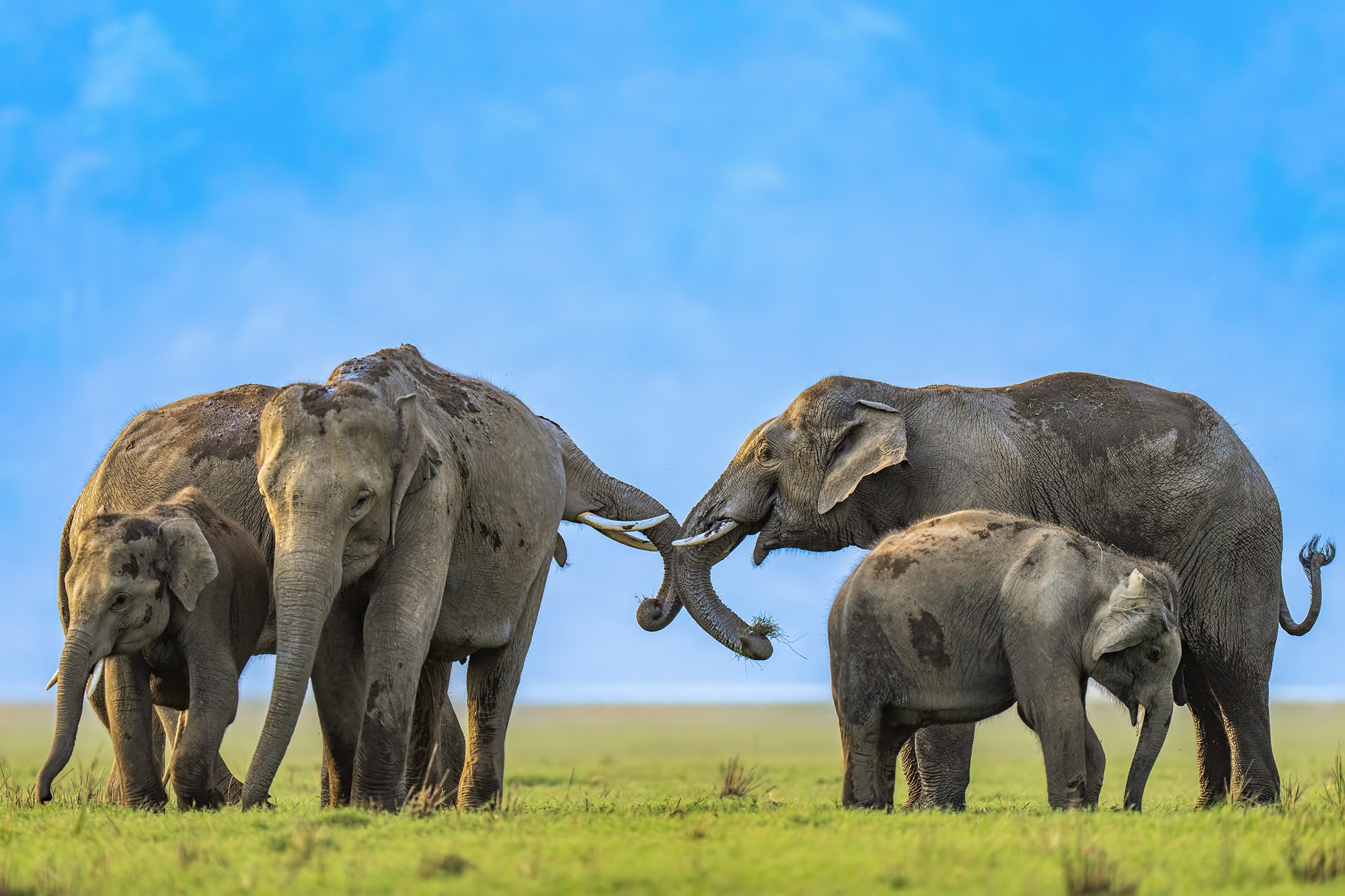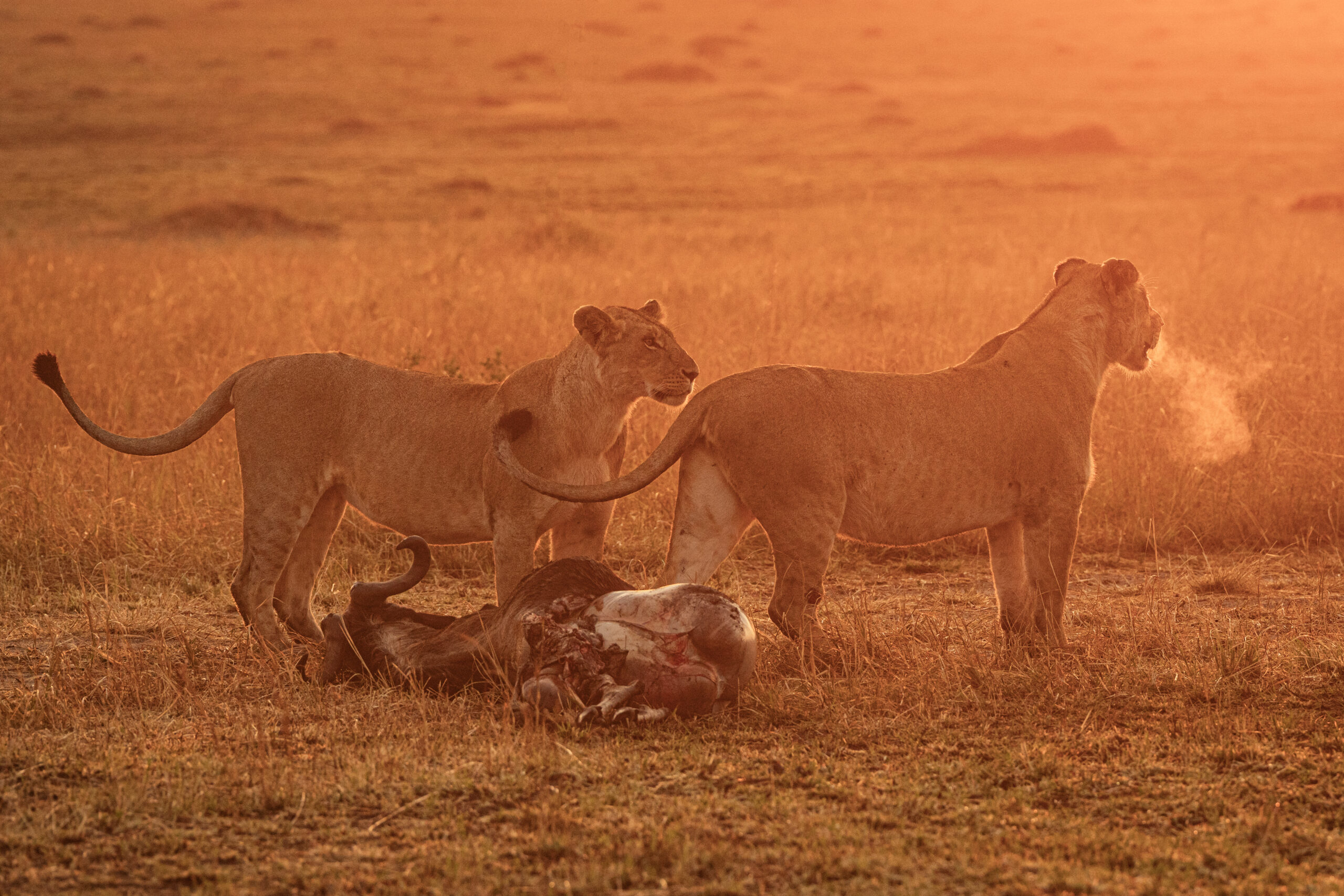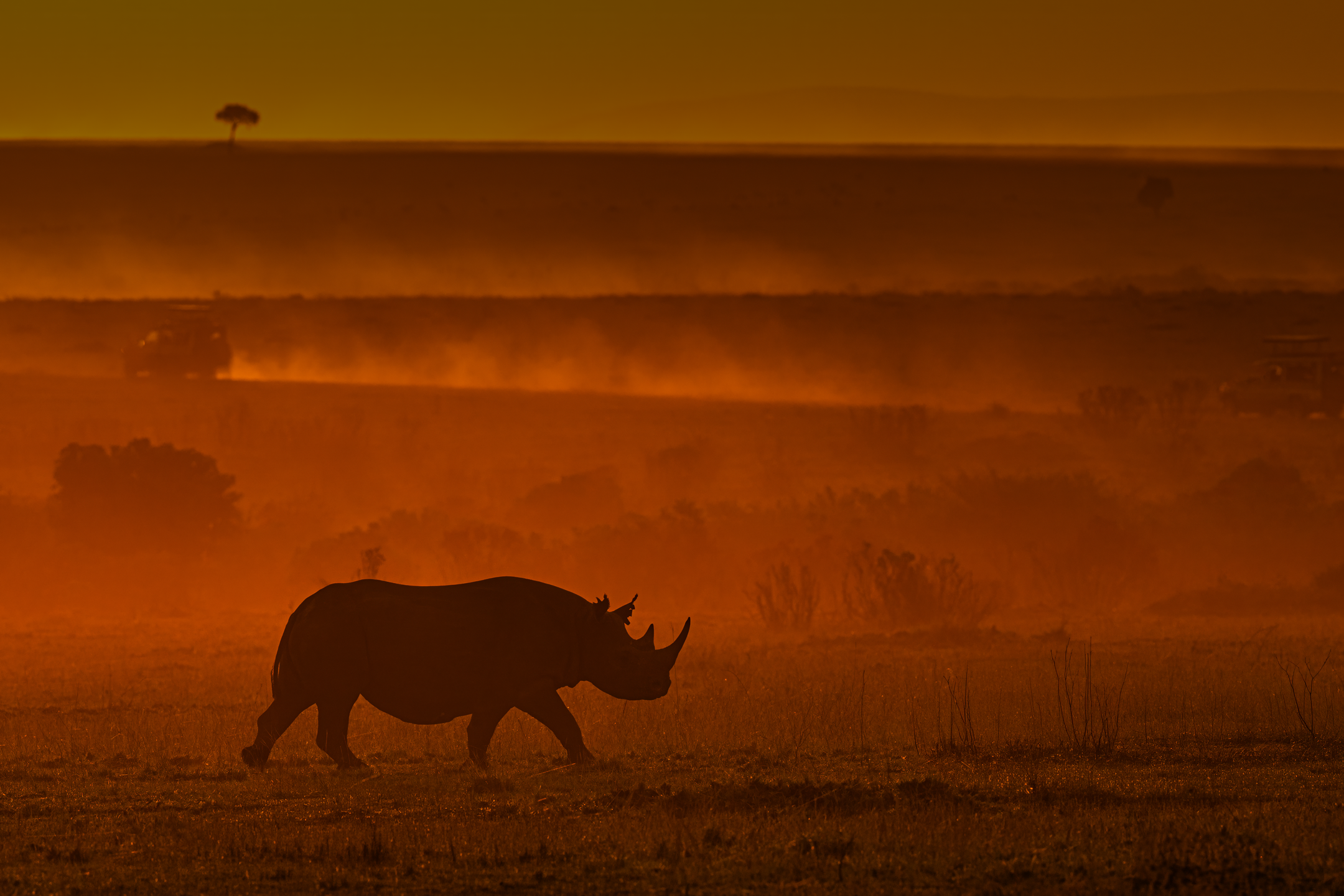
You are sitting in a safari jeep at Ranthambore at 6 in the morning. The light is low, the mist is still sitting on the grassland, and suddenly a Bengal tiger steps out of the tree line. You have maybe three seconds. Your camera either keeps up — or it does not.
This is the reality of wildlife photography in India. And this is exactly why choosing between Sony Alpha and Canon R Series is not just a gear decision. It is a field decision.
Both systems are exceptional. But which one is genuinely better suited for Indian wildlife conditions — the forests of Jim Corbett, the grasslands of Ranthambore, the wetlands of Bharatpur, or the high-altitude terrain of Spiti Valley? Let us break it down properly. If you are still figuring out the basics of camera and lens selection, you may first want to read this guide on best camera and lens for photography before diving into a brand comparison.
What Indian Wildlife Photographers Actually Need
Before comparing brands, it is important to understand what the Indian field actually demands from your camera system. Wildlife photography in India is unique in several ways:
- Extreme lighting — from harsh midday sun in Madhya Pradesh to dense forest shade in the Western Ghats
- Fast-moving subjects — tigers sprinting, leopards vanishing, birds in flight
- Long shooting sessions — 4-6 hours in a safari jeep with limited access to charge batteries
- Dust, heat, and humidity — your gear must handle Rajasthan summers and Northeast monsoons
- Distance shooting — most animals do not allow close approach, so autofocus at range matters enormously
If you want a technical breakdown of what camera specifications actually matter in the field, this article on camera features essential for capturing wildlife covers it in detail.
Sony Alpha Series for Wildlife Photography — Strengths and Limitations
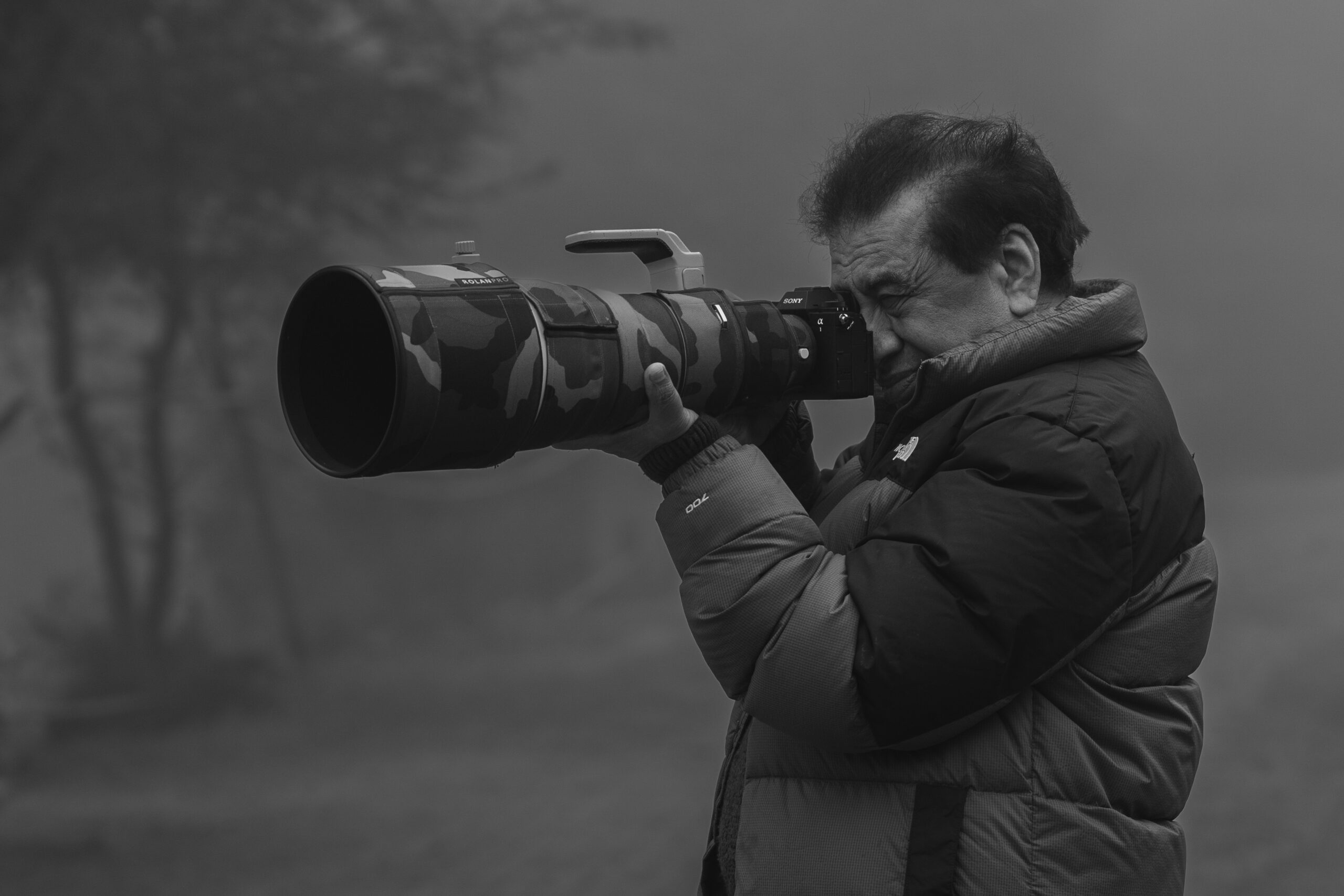
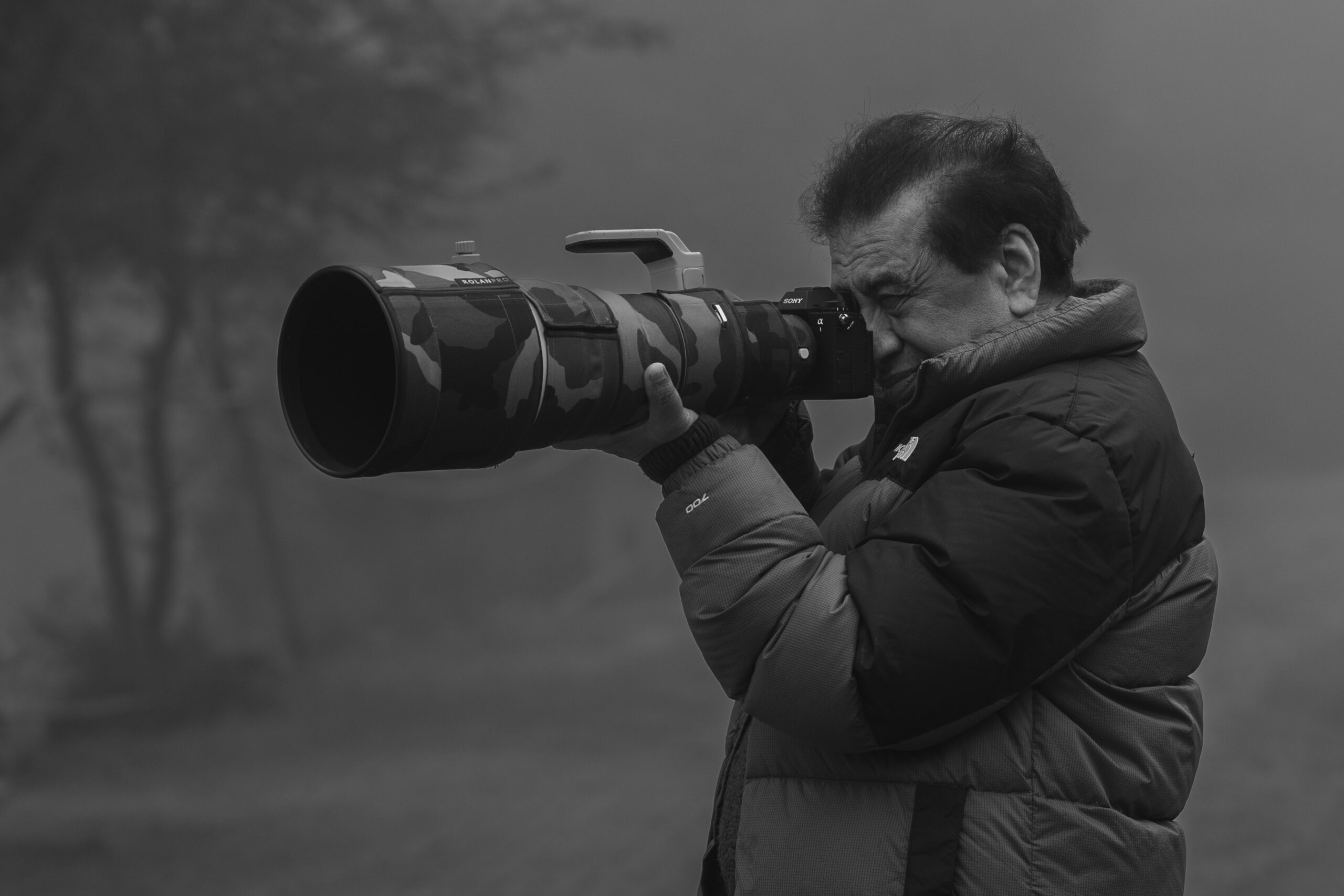
Sony entered the mirrorless camera world early and has never looked back. For wildlife photographers, the Alpha series — particularly the A1 II, A9 III, and A7 IV — has become a serious professional choice worldwide. Yogesh Bhatia himself shoots with Sony gear in the field, which gives a real-world perspective on what the system delivers.
Where Sony Leads
- Real-Time Animal Eye AF — Sony’s subject tracking is arguably the best in the industry right now. It locks on to bird eyes, big cat eyes, even partially hidden animals through foliage.
- Burst Speed — The Sony A9 III shoots at 120fps with a global shutter, which is extraordinary for birds in flight and big cat action sequences.
- Lightweight Super-Telephoto Lenses — The Sony 200-600mm G OSS is lighter and more affordable compared to Canon and Nikon equivalents, making it very popular among Indian wildlife photographers.
- Third-Party Lens Support — Sigma and Tamron manufacture excellent E-mount lenses at significantly lower price points, which matters a great deal in the Indian market.
- Video Capabilities — If you also want to create wildlife reels or short films, Sony’s video performance at this level is unmatched.
Where Sony Has Limitations
- Menu System Complexity — Sony menus are not intuitive, especially for photographers coming from Canon DSLRs. There is a learning curve.
- Service Network in India — Sony’s authorised service centres are concentrated in metros. In tier-2 cities, getting Sony professional gear serviced can be a challenge.
- Battery Life — Earlier models had weak battery performance. The A9 III and A1 II have improved significantly, but Canon still has an edge here.
- Price — Flagship Sony bodies are priced at a premium in India, and import-heavy pricing makes them expensive compared to similarly specced Canon bodies.
Key Sony Alpha Models for Wildlife Photography (India 2026 Pricing)
| Camera Model | Resolution | Burst Speed | Approx. India Price |
| Sony A1 II | 50MP | 30fps | ₹5.5–6.0 Lakh |
| Sony A9 III | 24MP | 120fps (Global Shutter) | ₹5.0–5.5 Lakh |
| Sony A7 IV | 33MP | 10fps | ₹2.2–2.5 Lakh |
| Sony A6700 (APS-C) | 26MP | 11fps | ₹1.2–1.4 Lakh |
Canon EOS R Series for Wildlife Photography — Strengths and Limitations
Canon has been the most trusted name in Indian wildlife photography for decades. From the days of the 7D Mark II to the present EOS R5 Mark II and R1, Canon has consistently delivered cameras that feel intuitive and reliable in the field. For photographers who have grown up with Canon DSLRs, transitioning to the RF mirrorless system is a natural step.
Where Canon Leads
- Dual Pixel Autofocus II — Canon’s DPAF2 in the R5 Mark II is considered by many professionals to be the most reliable animal tracking system available, especially in complex backgrounds like dense forest.
- Ergonomics and Build — Canon cameras feel instantly familiar. Button layout is logical, menus are clean, and the body balance with heavy telephoto lenses is excellent.
- Service Network in India — Canon has authorised service centres in more than 40 cities across India. This is a significant practical advantage for working photographers.
- RF Lens Quality — Canon’s RF L-series lenses are optically outstanding. The RF 100-500mm and RF 600mm f/4 are considered benchmarks for wildlife glass.
- Battery Life — Canon R series cameras consistently outperform Sony in battery endurance, which matters during full-day safaris.
Where Canon Has Limitations
- Burst Speed at Flagship Level — Canon R5 Mark II tops out at 30fps, which is exceptional but falls short of Sony A9 III’s 120fps for extreme action scenarios.
- RF Lens Pricing — Canon’s own RF L-series lenses are expensive, and third-party alternatives like Sigma are only beginning to build out the RF ecosystem.
- Mirrorless Maturity — Canon came to full-frame mirrorless later than Sony. The RF system is excellent now, but the E-mount ecosystem still has more lens variety.
Key Canon EOS R Models for Wildlife Photography (India 2026 Pricing)
| Camera Model | Resolution | Burst Speed | Approx. India Price |
| Canon EOS R1 | 24MP (Stacked) | 40fps | ₹6.0–7.0 Lakh |
| Canon EOS R5 Mark II | 45MP | 30fps | ₹3.5–3.8 Lakh |
| Canon EOS R6 Mark II | 24MP | 40fps | ₹2.2–2.5 Lakh |
| Canon EOS R7 (APS-C) | 32.5MP | 30fps | ₹1.1–1.3 Lakh |
Sony Alpha vs Canon R Series — Head-to-Head Comparison for Indian Wildlife
| Feature | Sony Alpha | Canon EOS R Series |
| Autofocus System | Real-Time Animal Eye AF (Industry-leading tracking) | Dual Pixel AF II (Most reliable in complex backgrounds) |
| Burst Speed | Up to 120fps (A9 III) | Up to 40fps (R1, R6 Mark II) |
| Low-Light Performance | Excellent (especially A7 IV) | Excellent (R5 II, R6 II) |
| Lens Ecosystem | Mature E-mount + Sigma/Tamron | Growing RF mount + adapter for EF |
| India Service Network | Limited (metro-focused) | Strong (40+ cities) |
| Battery Life | Good (improved in newer models) | Very Good (class-leading) |
| Ergonomics | Compact, some learning curve | Intuitive, familiar layout |
| India Price Range | ₹1.2L – ₹6.0L+ | ₹1.1L – ₹7.0L+ |
| Best For | Birds, fast action, video hybrid | All-round wildlife, tiger safaris |
Autofocus — The Most Critical Factor for Wildlife Photography in India
If there is one specification that separates good wildlife images from great ones, it is autofocus. In the Indian jungle, animals appear and disappear in seconds. A camera that hunts for focus or drops tracking mid-sequence will cost you your best shot.
Sony’s Real-Time Animal Eye AF has a slight edge in tracking speed and maintaining lock on birds in flight, particularly against cluttered backgrounds like tree canopies. The A9 III’s global shutter also eliminates rolling shutter distortion on fast subjects — a genuine breakthrough for bird photography.
Canon’s DPAF2 on the R5 Mark II, however, is extraordinarily reliable and intuitive to use. It does not require the photographer to deep-dive into complex menus to set it up correctly. For wildlife generalists shooting tigers, elephants, and birds on the same trip, Canon’s system feels more effortless in the field.
For tips on optimising your camera settings regardless of which system you use, read: camera settings for photographing fast-moving animals.
Low-Light Performance — Early Mornings and Dense Forests
Wildlife photography in India almost always begins before sunrise. The golden hour is the most productive hour — and your sensor’s low-light capability determines how much of that light you can use.
Both Sony and Canon perform exceptionally well in low light at this price level. The Sony A7 IV’s 33MP BSI sensor handles ISO 6400 and above with impressive noise control. The Canon R5 Mark II’s 45MP stacked sensor is equally capable, with the added advantage of in-body image stabilisation that works seamlessly with RF lenses.
For forest photography specifically — dense canopy light in Jim Corbett or Bandhavgarh — both systems deliver at a professional level. The lens you pair with the body matters far more than the body itself at this point.
For a deeper look at low-light technique: how to capture sharp wildlife photos in low light.
Lens Ecosystem — What Is Available in India and at What Price?
A camera body is only half the system. For serious wildlife photography in India, you need a telephoto lens of at least 400mm, ideally 500-600mm. Here is how the two ecosystems compare in the Indian market:
Sony E-Mount Telephoto Lenses
- Sony FE 200-600mm f/5.6-6.3 G OSS — ₹1.7–1.9 Lakh (Most popular wildlife zoom in India)
- Sony FE 600mm f/4 GM OSS — ₹12–13 Lakh (Professional prime)
- Sigma 150-600mm Contemporary (E-mount) — ₹1.1–1.3 Lakh (Best budget option)
- Tamron 150-500mm f/5-6.7 (E-mount) — ₹1.2–1.4 Lakh
Canon RF Mount Telephoto Lenses
- Canon RF 100-500mm f/4.5-7.1 L IS USM — ₹2.6–2.9 Lakh
- Canon RF 600mm f/4 L IS USM — ₹11–12 Lakh
- Canon RF 800mm f/11 IS STM — ₹65,000–75,000 (Budget entry, limited aperture)
- Sigma 100-400mm f/5-6.3 (RF-mount via adapter) — ₹80,000–95,000
For a detailed lens comparison with India-specific pricing, read: best telephoto lenses for bird photography in India.
Which Camera System Should You Choose? A Practical Decision Guide
There is no universal answer. The right choice depends on your budget, the kind of wildlife you photograph most, and your comfort with technology. Here is a practical framework:
Choose Sony Alpha If:
- Bird photography is your primary focus — Sony’s animal eye AF and high burst speeds are unmatched for birds in flight
- You want the lightest telephoto lenses possible — Sony 200-600mm is significantly lighter than Canon’s RF equivalent
- You also create wildlife video content — Sony’s video capabilities at this price point are superior
- You live in a metro city with access to Sony service centres
Choose Canon EOS R Series If:
- You are upgrading from a Canon DSLR and want a familiar, intuitive system
- You photograph a mix of subjects — tigers, elephants, birds, and landscapes — and want one reliable system for everything
- You travel to remote locations where service support matters
- Battery life across long safari days is a priority
- You want cleaner menus and easier field operation without spending time in settings
Budget-Based Recommendation for Indian Photographers
| Budget | Sony Recommendation | Canon Recommendation |
| Under ₹1.5 Lakh | Sony A6700 + Sigma 150-600mm | Canon R7 + Sigma 100-400mm |
| ₹1.5L – ₹3L | Sony A7 IV + Sony 200-600mm | Canon R6 Mark II + RF 100-500mm |
| ₹3L – ₹5L | Sony A9 III + Sony 200-600mm | Canon R5 Mark II + RF 100-500mm |
| Above ₹5L | Sony A1 II + Sony 600mm GM | Canon R1 + RF 600mm f/4 L |
Indian Market Context — Service, Resale, and Practical Considerations
Price sensitivity is real in India. Both systems are expensive, and the decision often comes down to practical factors beyond pure performance:
- Canon’s service network is significantly stronger across India, with centres in cities like Lucknow, Jaipur, Bhopal, and Kochi. Sony is improving but still lags outside major metros.
- Second-hand market: Canon DSLR lenses (EF mount) can be used on Canon R bodies with an adapter, giving budget photographers access to affordable used glass. This is a meaningful advantage in India.
- Resale value: Both brands hold reasonable resale value in India. Sony mirrorless bodies tend to depreciate slightly faster due to rapid model releases.
- EMI availability: Both Canon and Sony are available on EMI through major retailers like Amazon India, Vijay Sales, and Croma, making higher-end bodies more accessible.
For a complete checklist of what gear to carry on a safari, visit: essential gear for a jungle safari: a photographer’s checklist.
A Wildlife Photographer’s Perspective from the Field
Yogesh Bhatia, who has photographed wildlife across India and Africa using Sony gear, offers this perspective: both systems will deliver professional-quality results when used by a skilled photographer. The camera does not make the image — light, timing, patience, and knowledge of animal behaviour do.
What Sony’s system offers is a slight technical edge in autofocus consistency and burst speed, which becomes relevant in genuinely fast scenarios — a cheetah mid-sprint, a raptor diving, a tiger charging. Canon’s system offers a more intuitive and reliable field experience that allows you to focus on the moment rather than the settings.
For photographers joining a wildlife photography workshop or going on a guided tour, either system will work beautifully. What matters more is learning to read light, position yourself correctly, and anticipate animal behaviour — skills that no camera can substitute.
Conclusion — Sony Alpha or Canon R Series?
If you push for a single recommendation: for bird photography and extreme action, go with Sony. For all-round wildlife photography in India — especially if you are field-based across multiple destinations — Canon EOS R Series offers a more complete, reliable experience.
But the honest truth is this: both systems are so capable at this point that your images will be limited far more by field craft than by camera choice. The best camera for wildlife photography in India is ultimately the one you can use intuitively, carry comfortably, and trust completely when the tiger steps out of the trees.
If you want to test your gear in the field with expert mentorship from Yogesh Bhatia, explore our wildlife photography tours in India and upcoming workshops including the Ranthambore Photography Workshop. For a personalised one-on-one learning experience tailored to your gear and skill level, consider our Private 1-on-1 Wildlife Photography Programme.
Frequently Asked Questions
Is Sony better than Canon for wildlife photography in India?
Sony has an edge in autofocus speed and burst rate, particularly for birds in flight. Canon has stronger service support in India and more intuitive operation. For most Indian wildlife photographers, the choice depends on budget, subject preference, and location.
Which Canon R series camera is best for wildlife?
The Canon EOS R5 Mark II is the best all-round wildlife camera in Canon’s R series. It offers 45MP resolution, 30fps burst, excellent DPAF2 autofocus, and strong weather sealing. The Canon R7 is an excellent APS-C option for photographers on a tighter budget.
Which Sony Alpha camera is best for wildlife photography?
The Sony A9 III is the best Sony camera for pure wildlife action, thanks to its 120fps global shutter. The Sony A1 II is the best all-round professional choice. For enthusiasts, the Sony A7 IV offers excellent performance at a more reasonable price point.
Can I use Canon EF lenses on Canon R series cameras?
Yes. Canon’s EF-to-RF mount adaptor allows full compatibility with Canon DSLR lenses on all EOS R cameras. This is a significant advantage for photographers who already own Canon telephoto glass.
What is the best camera for tiger photography in India?
For tiger photography specifically, both Canon R5 Mark II and Sony A9 III perform at a professional level. Canon is often preferred for its reliable tracking in dense forest backgrounds. Sony is preferred for fast-action sequences at open grassland locations like Ranthambore.
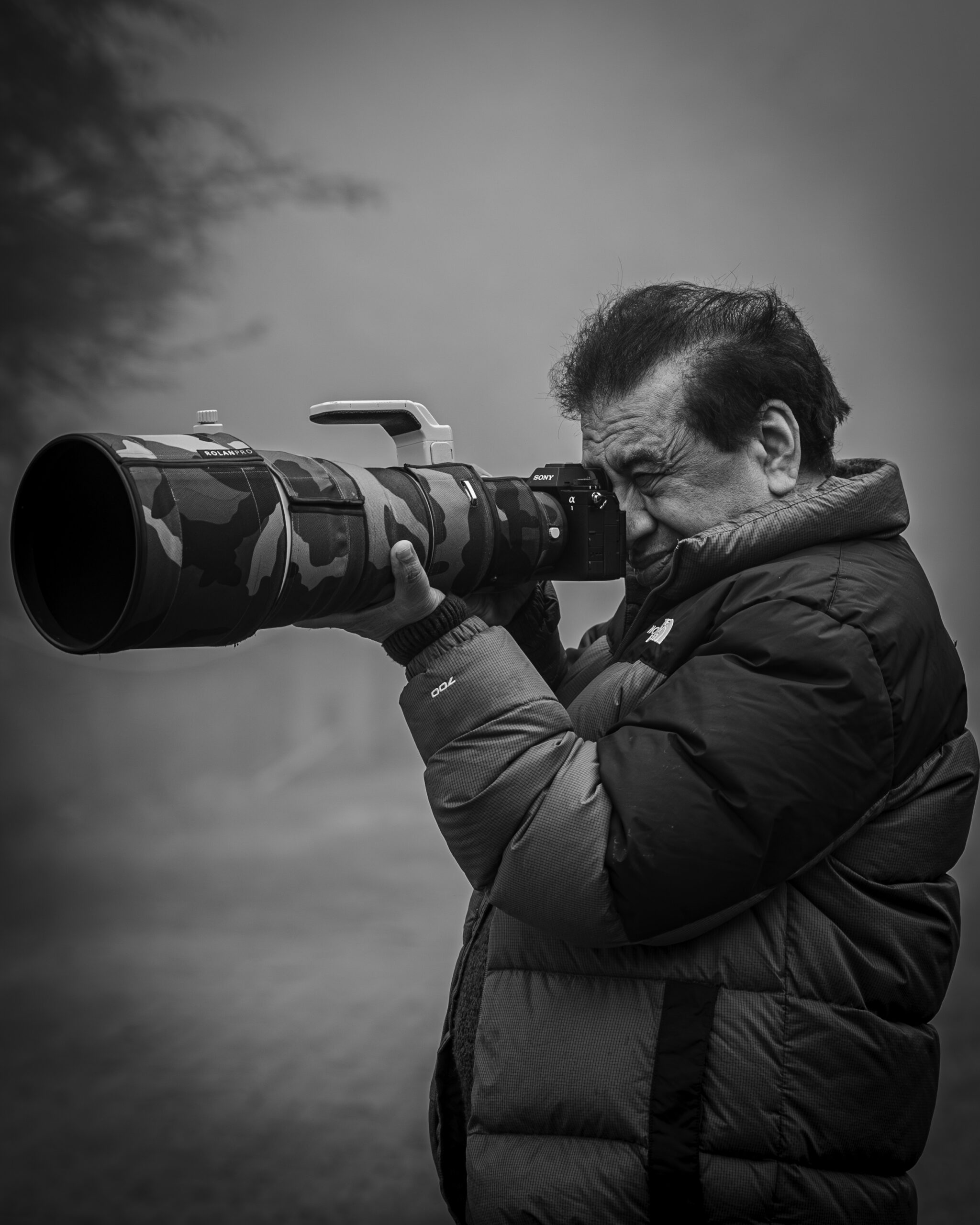
Yogesh Bhatia is a professional Wildlife photographer & mentor in India whose work reflects patience, observation, and a deep respect for nature. His journey in wildlife photography is shaped by countless hours in forests, observing animal behavior and waiting for moments that unfold naturally. Through his lens, wildlife is portrayed not just as subjects, but as living stories within their natural environment. His approach to Wildlife photography India focuses on authenticity rather than staged perfection, resulting in images that feel raw and immersive.