6 Nights / 7 Days | Arusha, Central Serengeti, Northern Serengeti, Ngorongoro Crater, Tarangire
6 Nights / 7 Days
This is not simply a safari.
It is an opportunity to spend time in some of Tanzania’s richest wildlife landscapes, following the rhythm of the African wilderness and looking for exceptional opportunities to observe and photograph wildlife in its natural environment.
From the endless plains of the Serengeti to the wildlife-rich floor of the Ngorongoro Crater, the expedition focuses on some of Africa’s most iconic subjects:
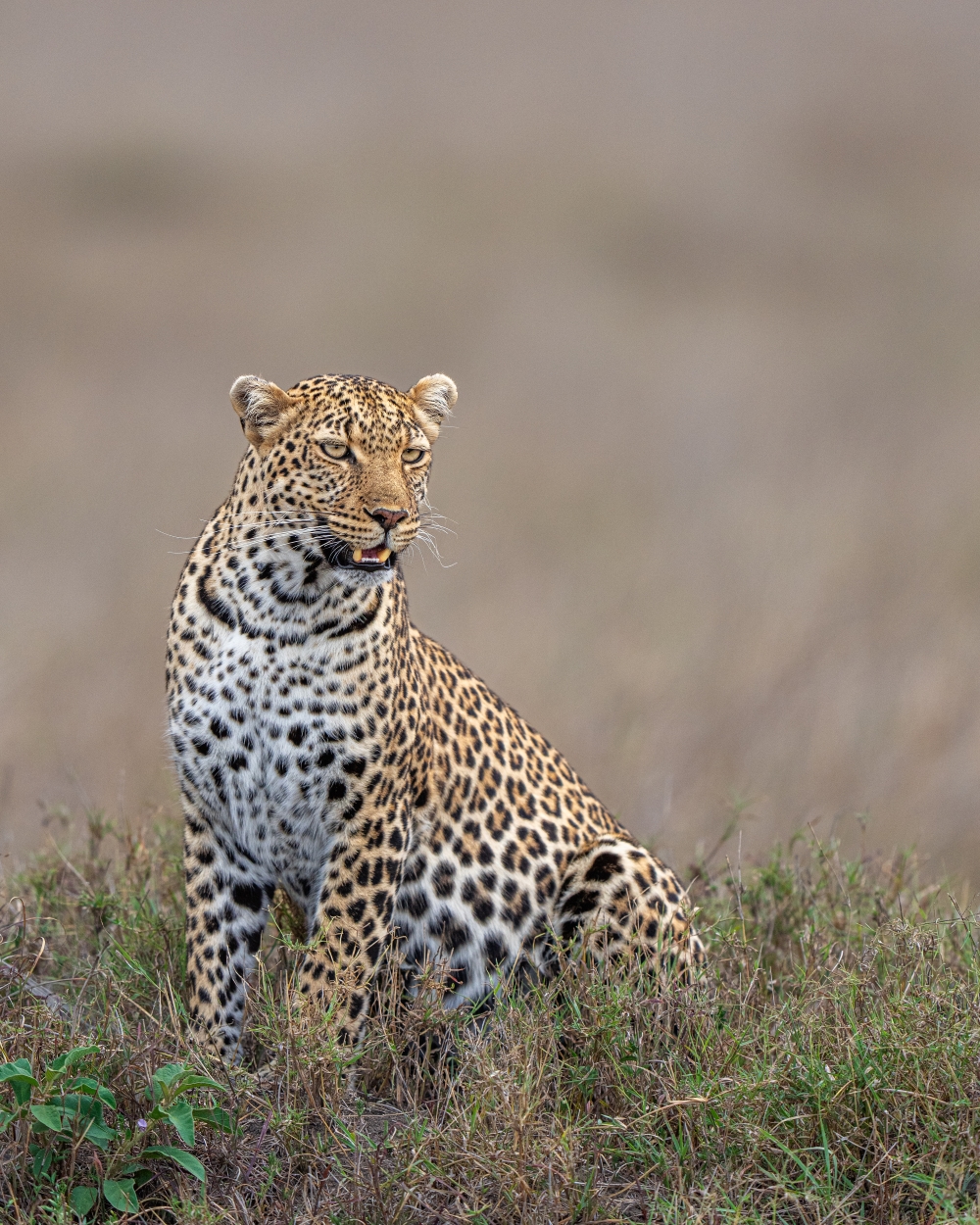
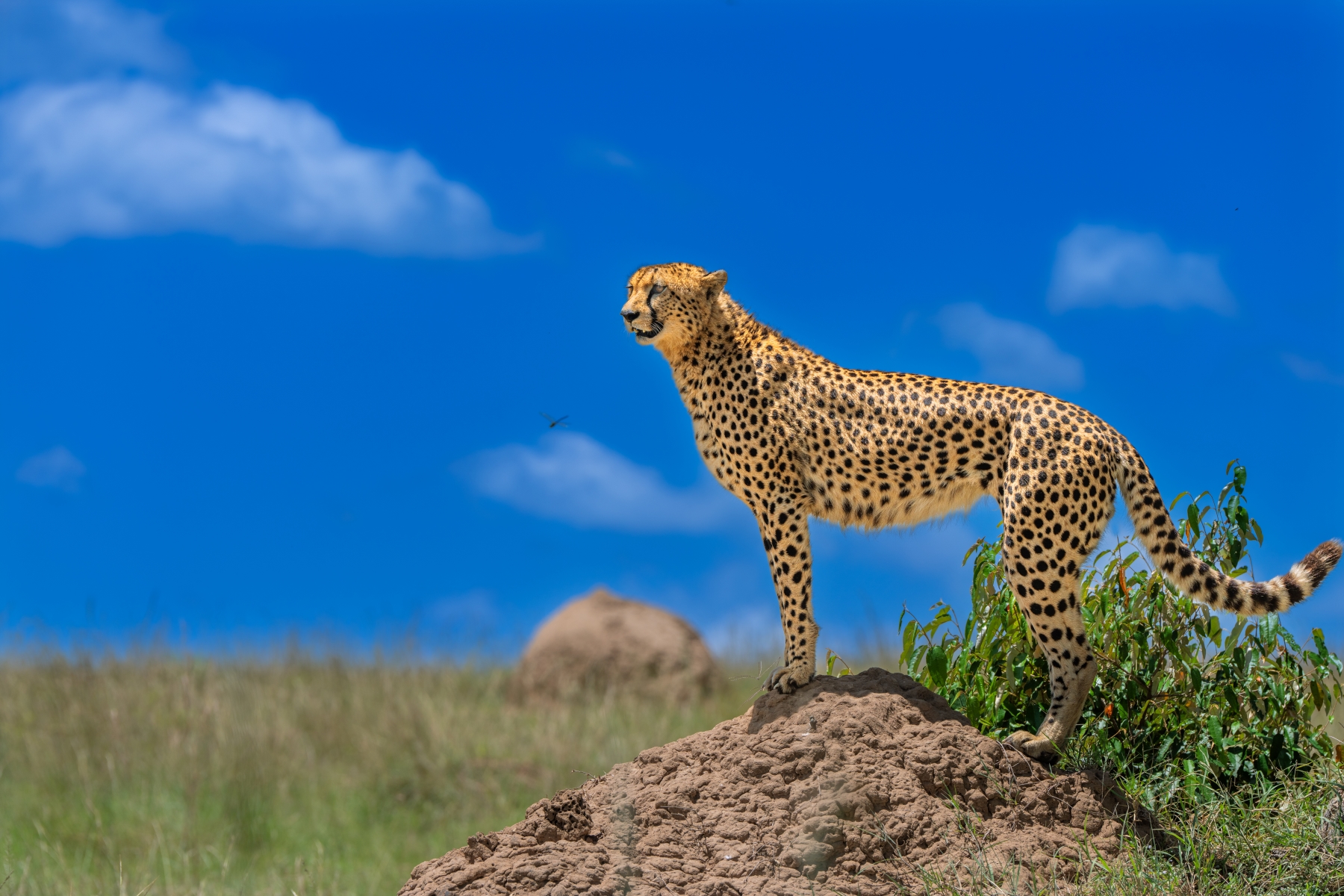
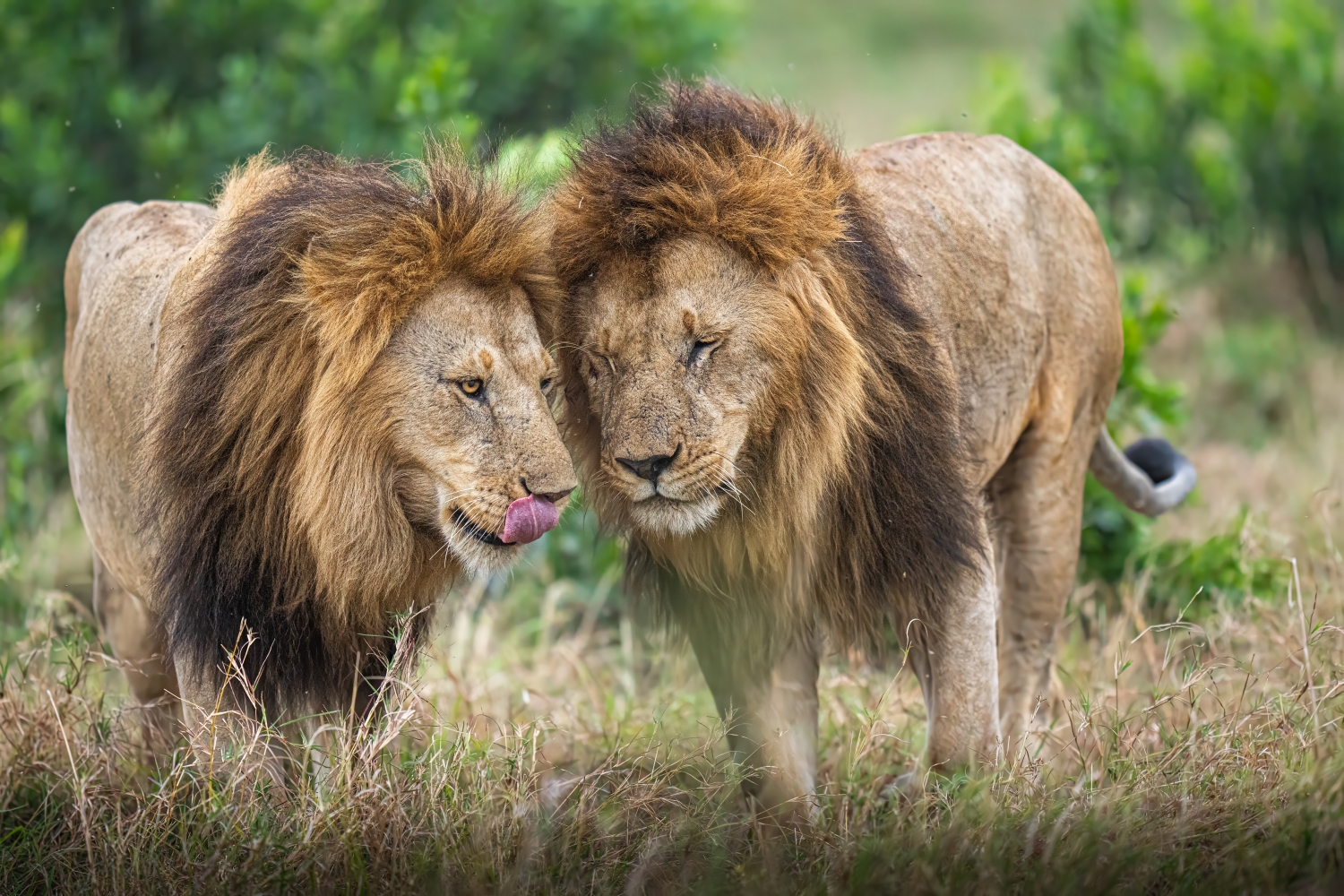
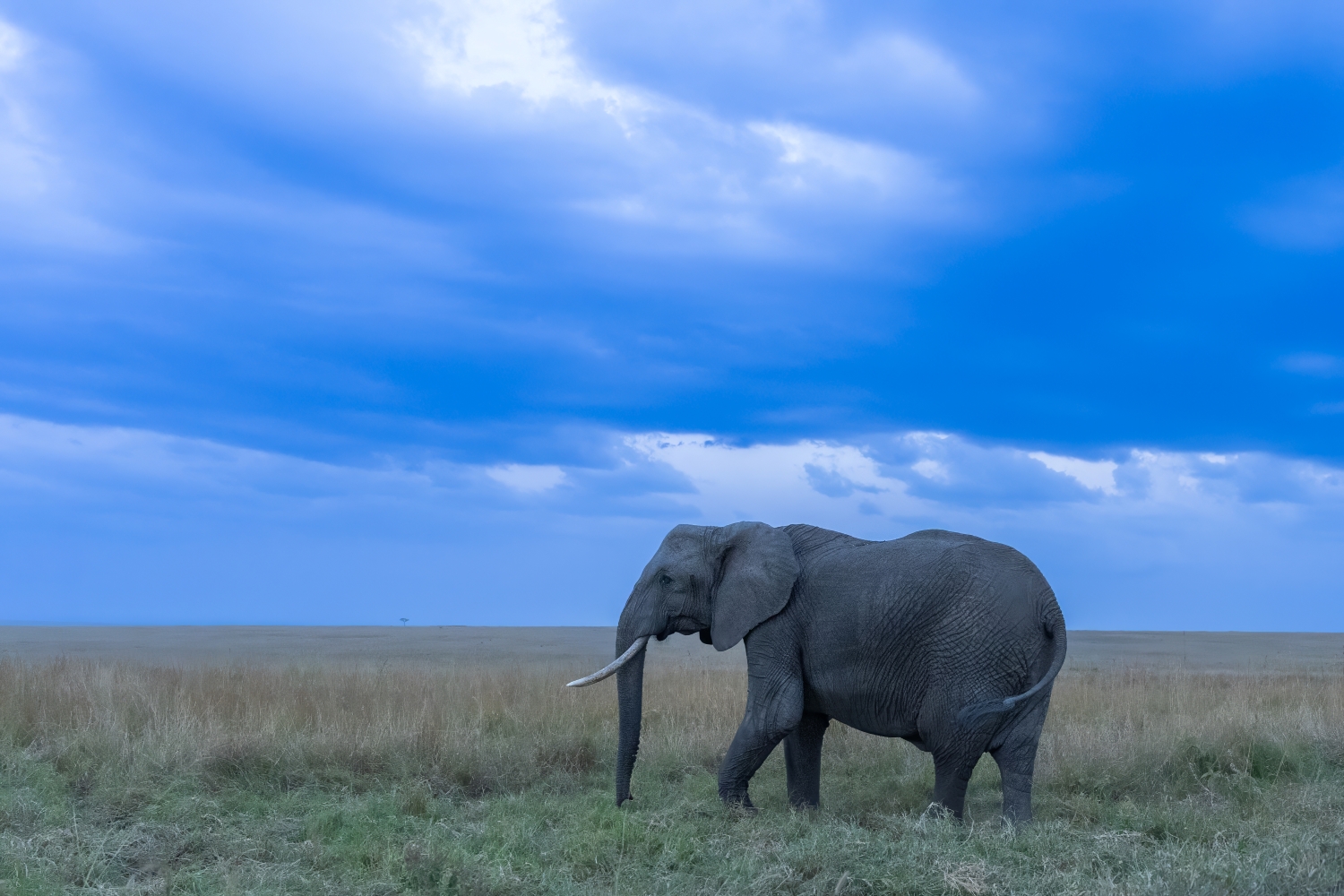
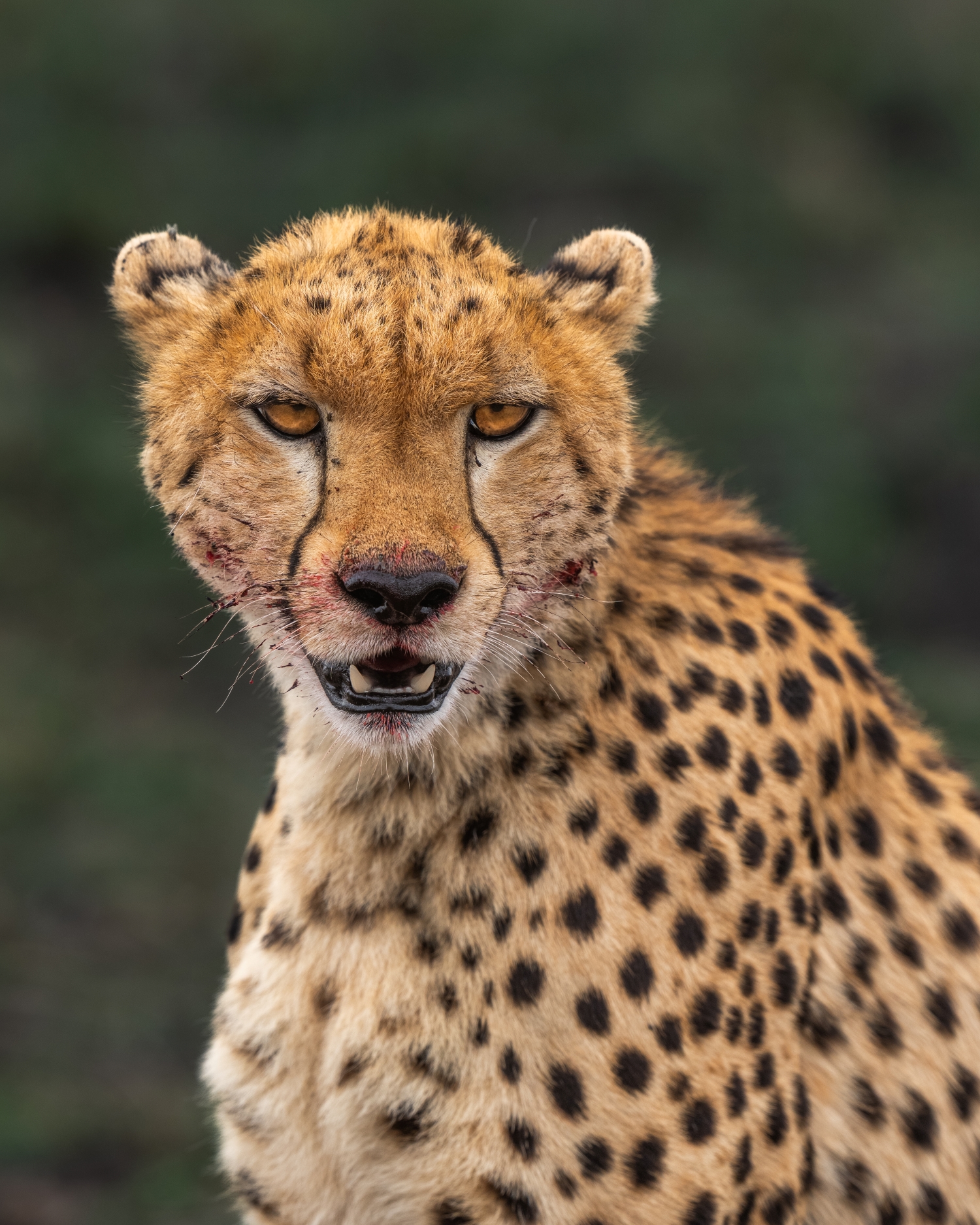
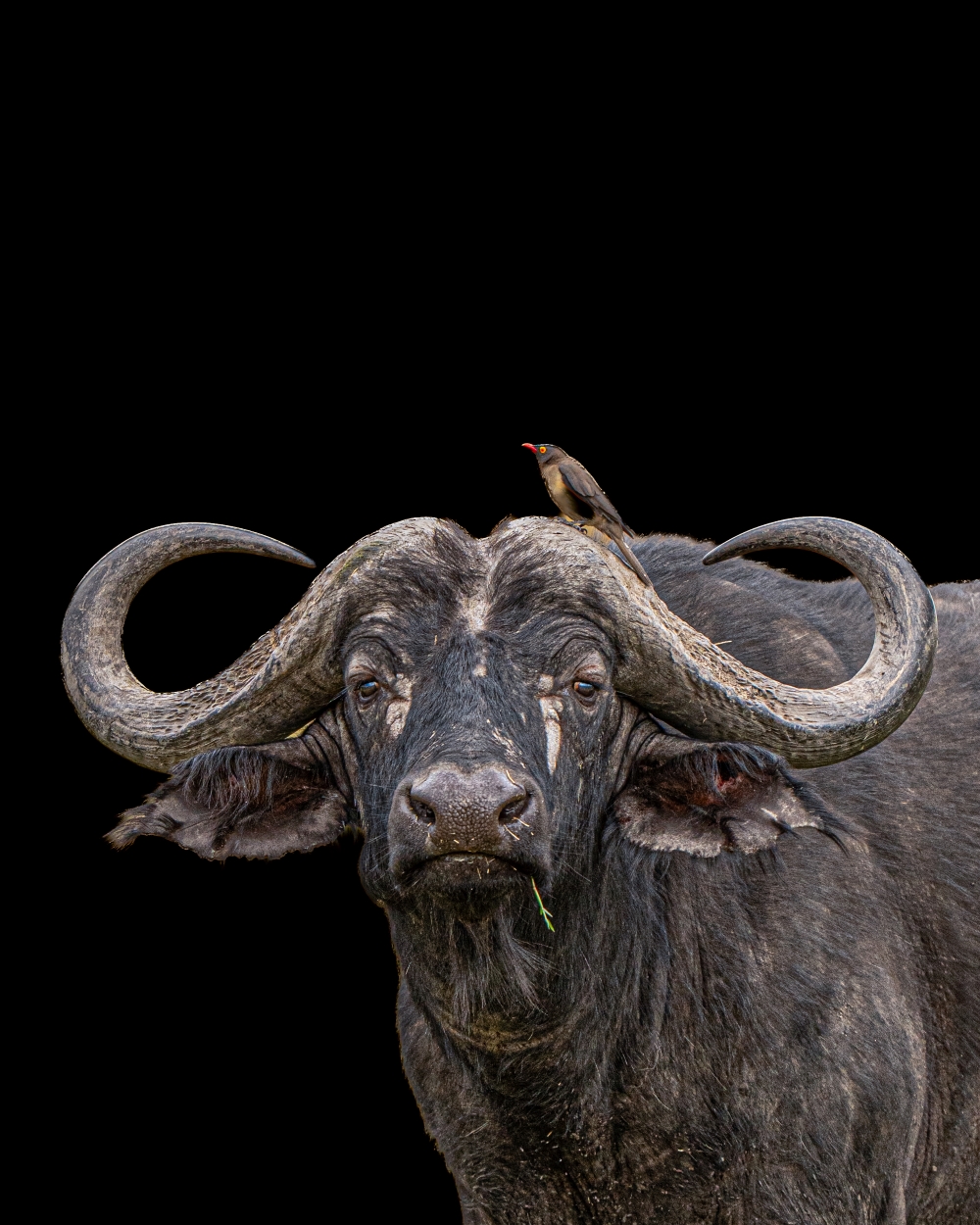
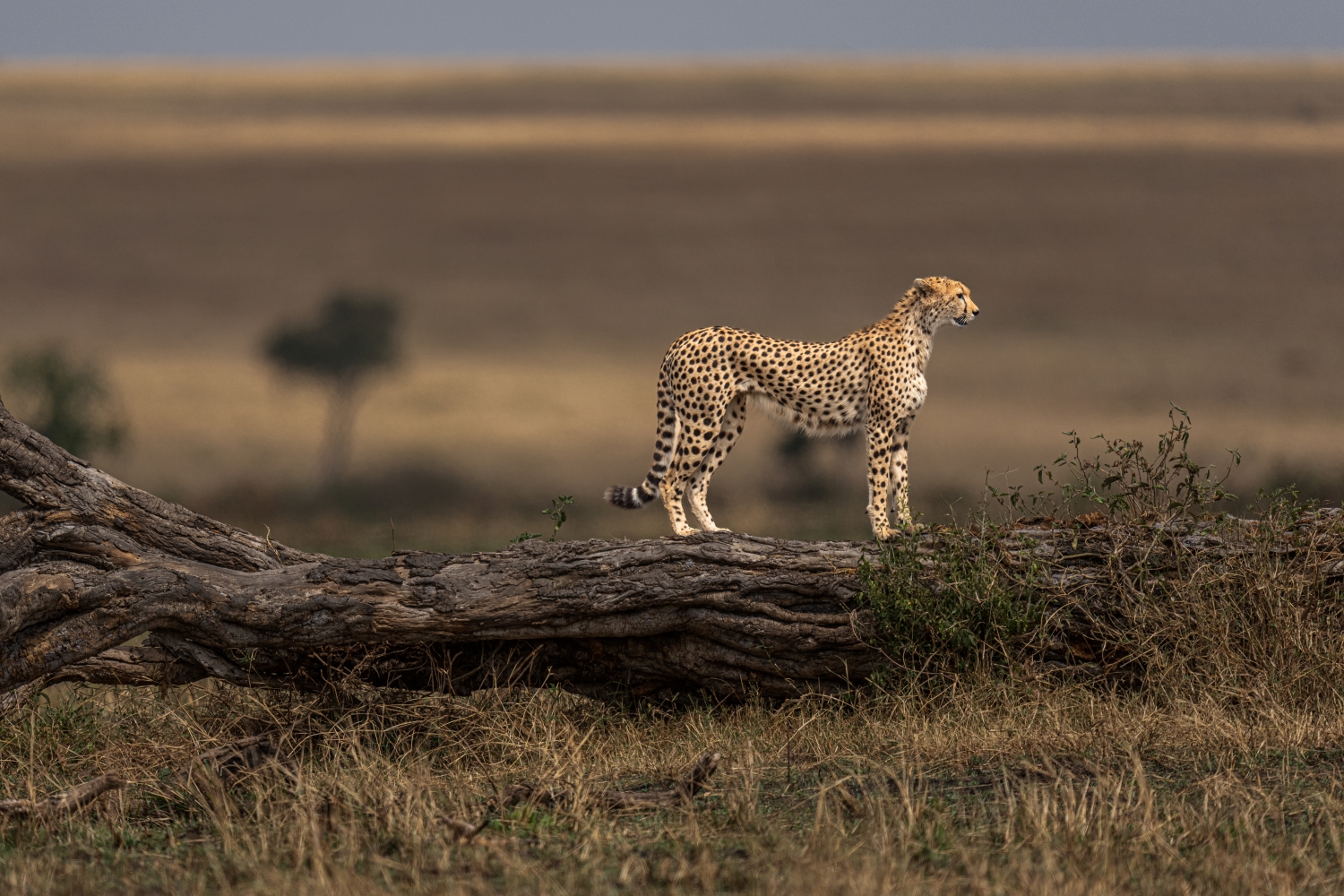
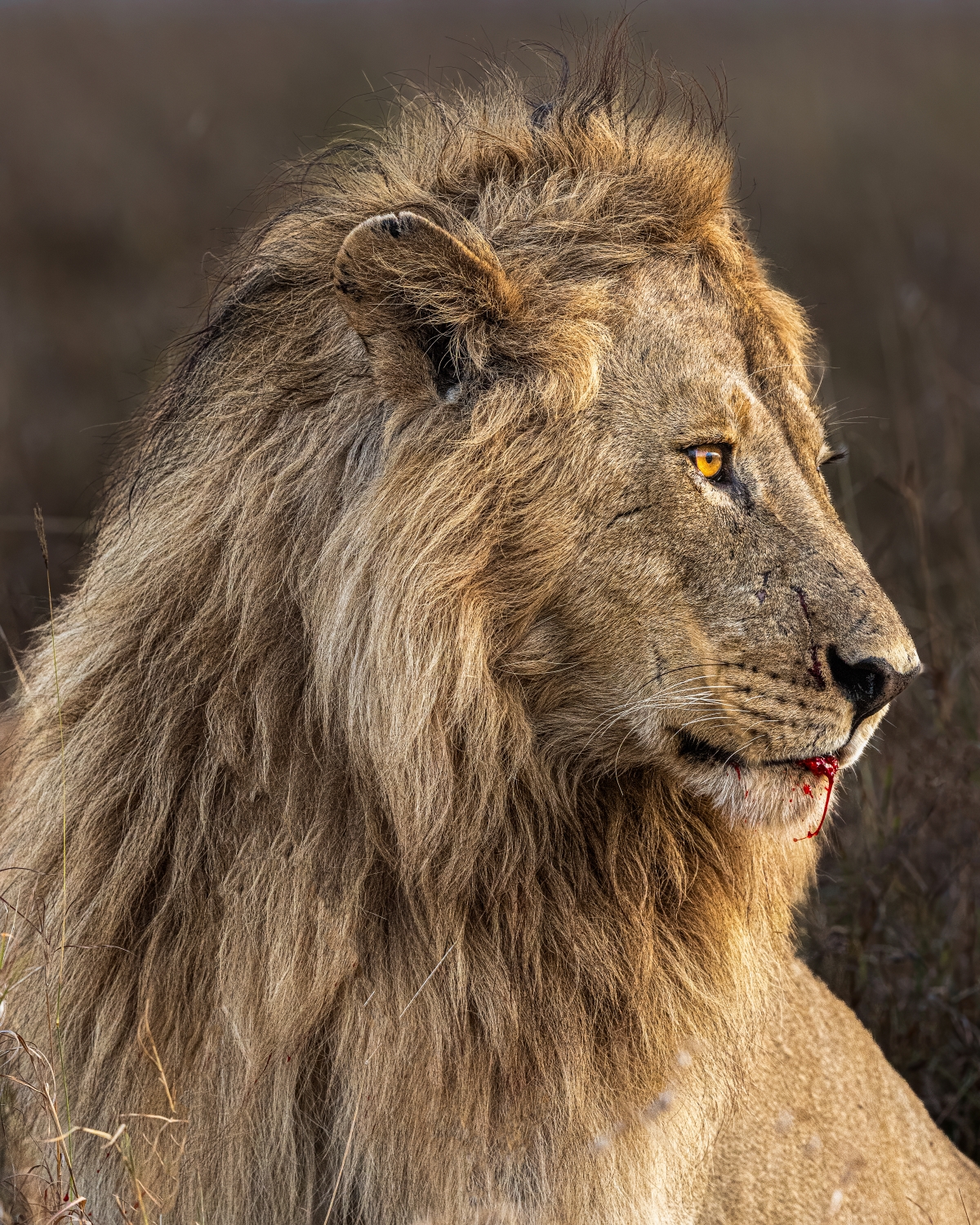
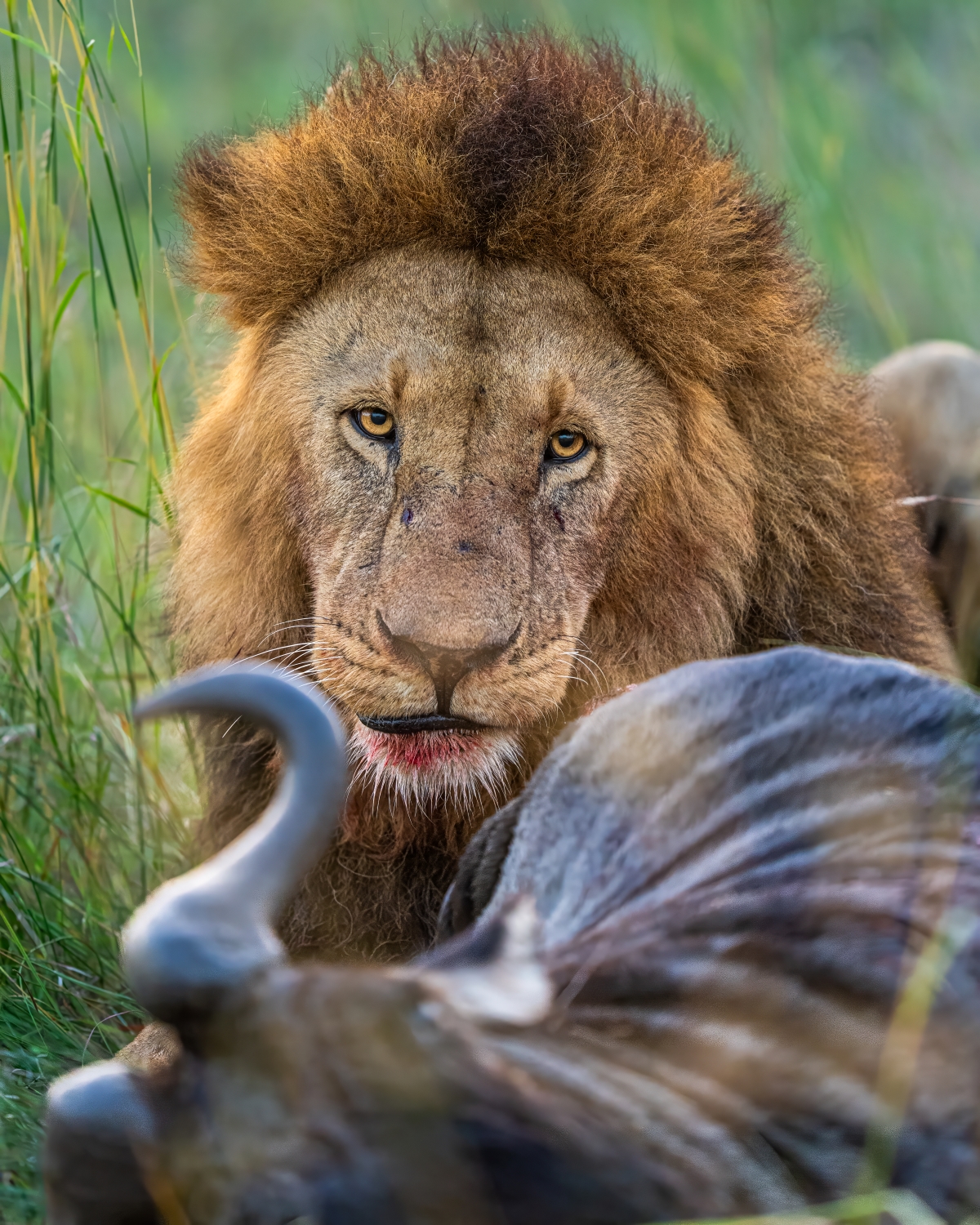
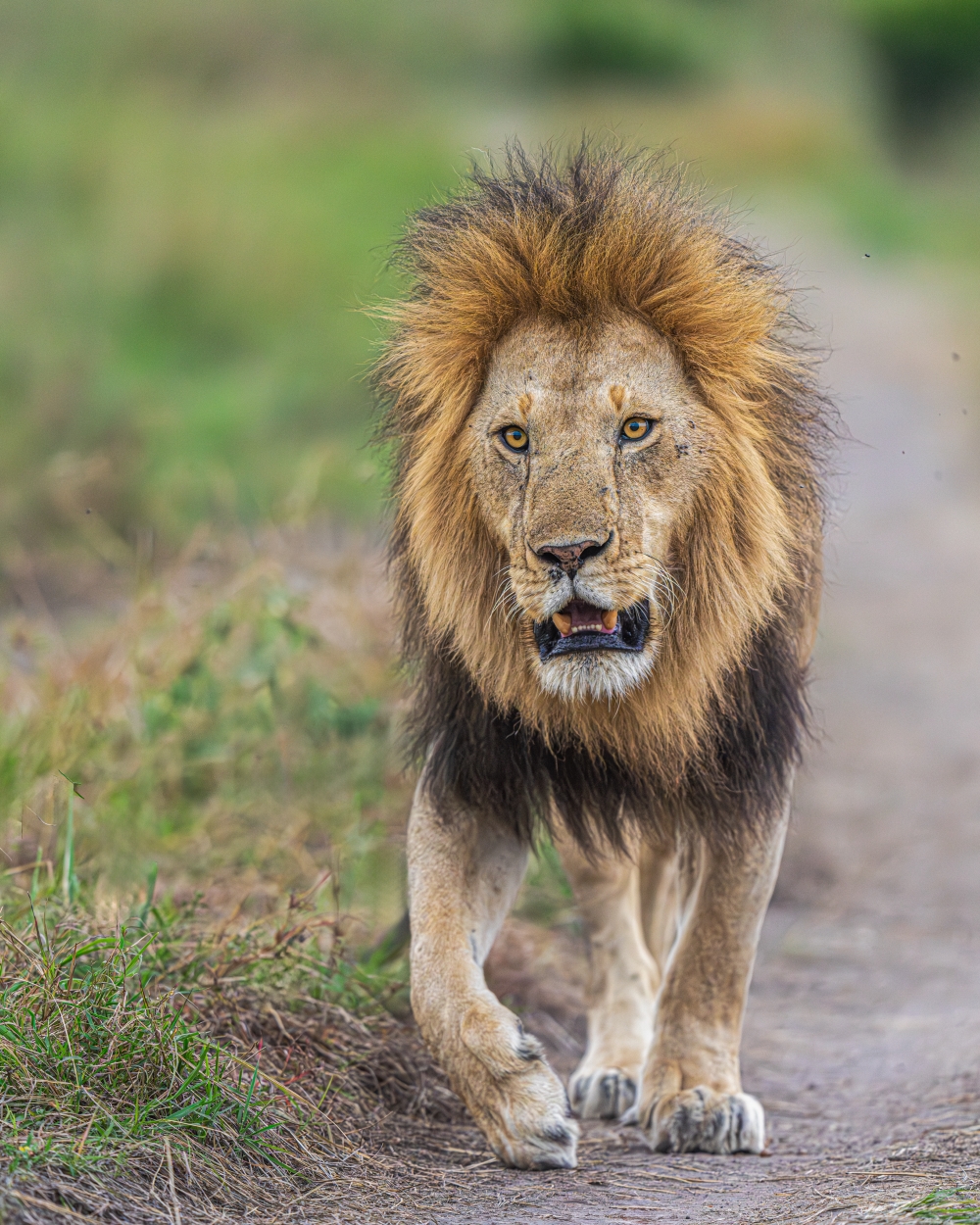
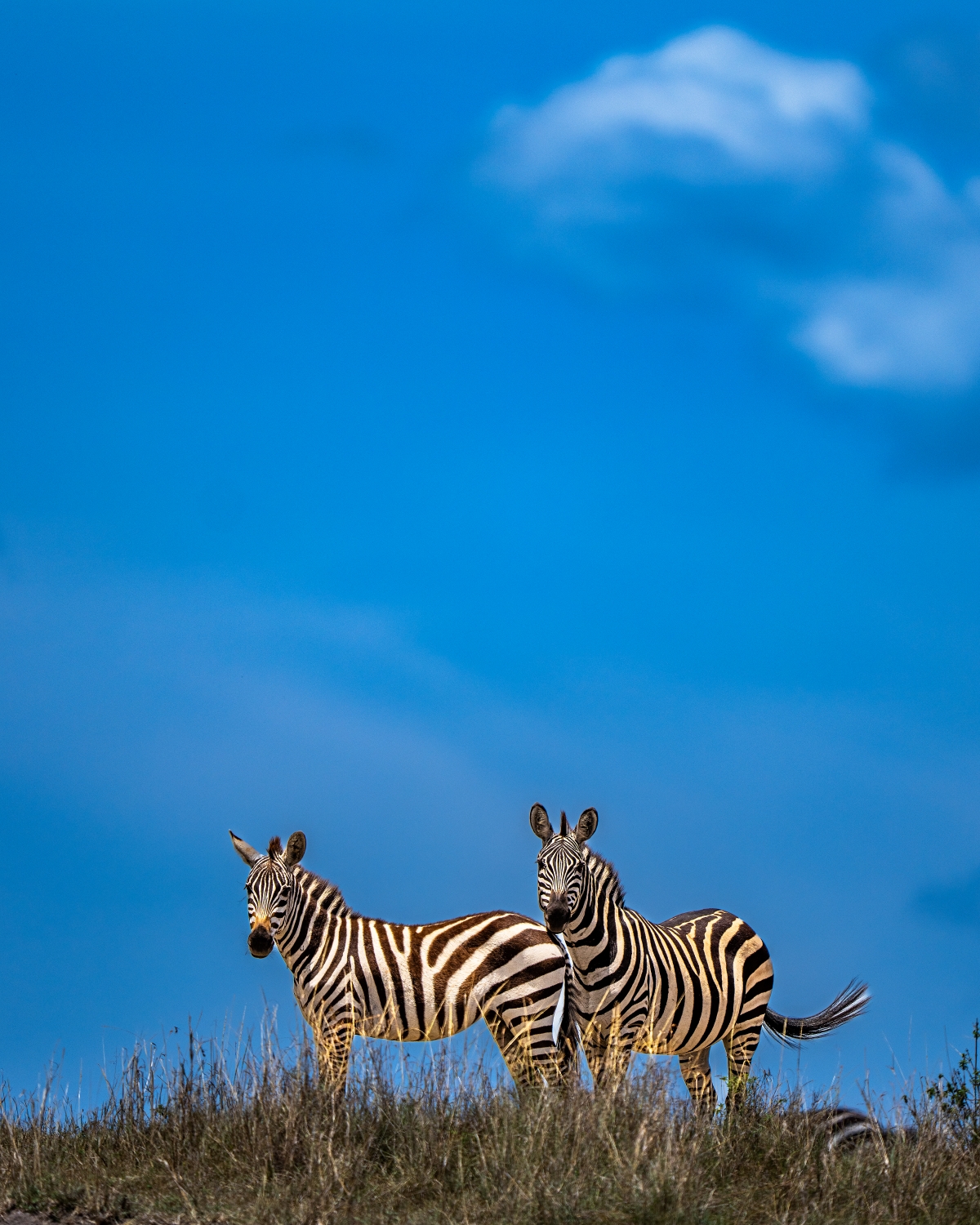
Lions • Leopards • Cheetahs • Elephants • Wildebeest • Zebras • Giraffes • Hippos • Hyenas • Black Rhinos • Gazelles • African Wild Dogs • Raptors & Birdlife*
The July period also places us in an exciting part of the Great Migration cycle, particularly as the herds move through Northern Serengeti towards the Mara River system.
Every game drive is an opportunity to look beyond simply finding an animal.
We will look for behaviour, interaction, light, movement, environmental portraits and intimate moments that tell a story.
Kilimanjaro Airport → Arusha
Arrive at Kilimanjaro International Airport (JRO), where you will be met by your guide and transferred to Arusha.
This is the beginning of our Tanzanian wildlife adventure.
After checking in, enjoy dinner and prepare for the days ahead.
Arusha → Central Serengeti
After an early breakfast, begin our journey towards the legendary Serengeti National Park.As we approach the Serengeti, the landscape opens into enormous grasslands — one of the world’s greatest wildlife ecosystems.
Once inside the park, our safari begins.
Full-day wildlife safar — Central Serengeti
An early start takes us into the Serengeti before sunrise.
This is one of the most rewarding periods of the day for wildlife photography.
The cool morning temperatures often bring increased animal activity, while the low-angle African light can transform an ordinary wildlife encounter into a powerful photograph.
Central Serengeti → Northern Serengeti / Kogatende The Great Migration
Today we head towards Northern Serengeti, one of the most exciting wildlife regions of Tanzania during the migration season.
The landscape becomes increasingly dramatic as we approach the Kogatende region.
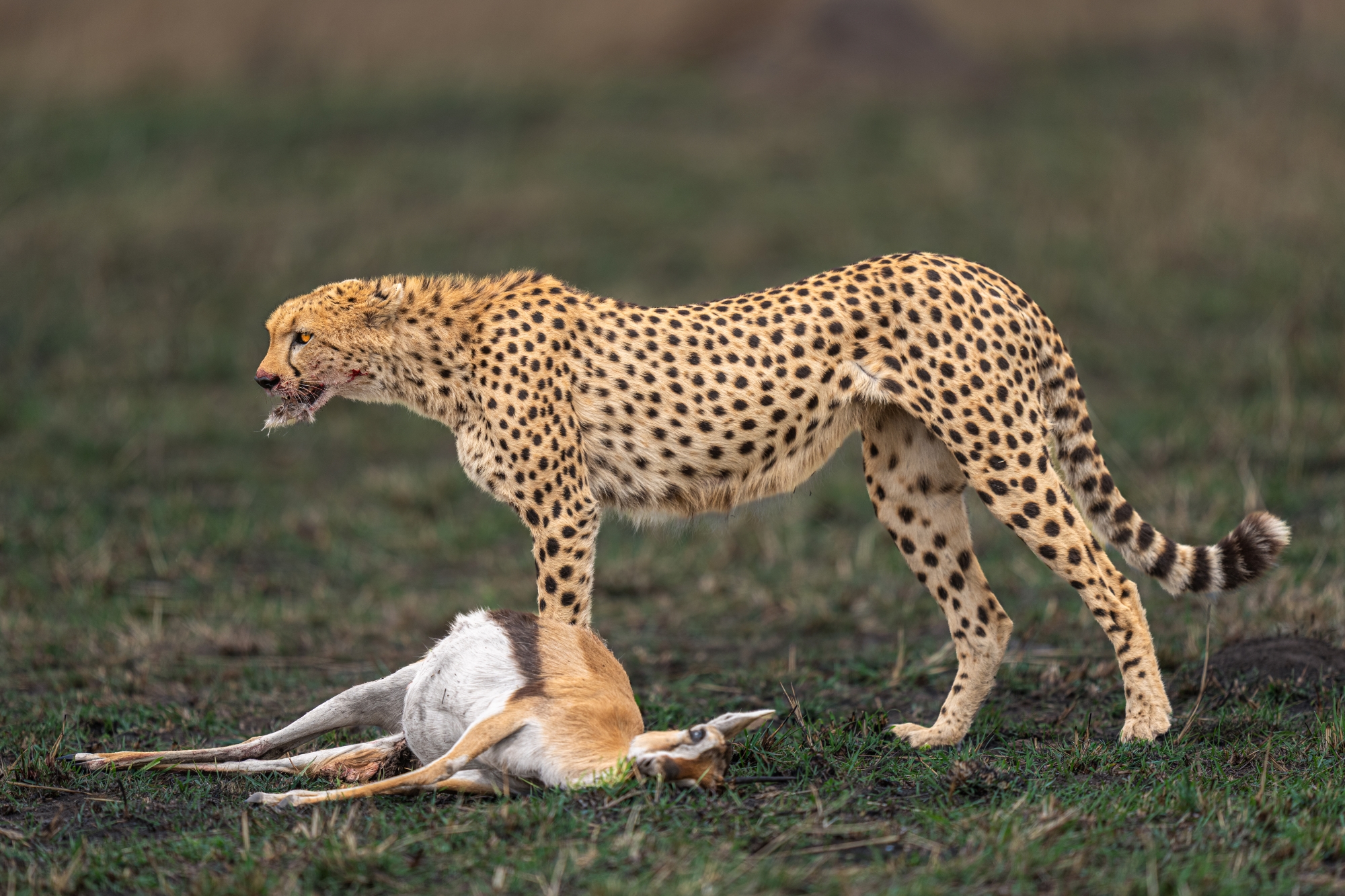
We will also look for predator-prey interactions, lions following herds, cheetahs hunting in the open plains, hyenas taking advantage of opportunities and the constant movement of wildlife across the landscape.
Northern Serengeti → Ngorongoro Highlands
Begin the morning with a final wildlife drive through Northern Serengeti.
The morning may provide further opportunities for predators, migrating herds, elephants, giraffes and other plains wildlife before we leave the Serengeti.
We then travel towards the Ngorongoro Highlands.
The dramatic change in landscape and elevation prepares us for one of the most remarkable wildlife experiences of the expedition.
Ngorongoro Crater Africa’s Wildlife Amphitheatre
An early breakfast before descending into the Ngorongoro Crater for a full-day wildlife safari.
The crater floor supports an extraordinary concentration of wildlife within a spectacular natural amphitheatre.
Our attention will be on some of the region’s most iconic species.
The crater is also an exceptional place to photograph wildlife in context — animals framed against the vast crater walls and open grasslands.
Ngorongoro → Tarangire → Arusha Elephants & Baobabs
Our final wildlife destination is Tarangire National Park.
Tarangire is particularly famous for its spectacular baobab trees and elephants.
The Tarangire River acts as an important water source, particularly during the dry season, attracting wildlife from the surrounding areas.
End Of Expedition: Arusha / onward destination
It is about recognising a moment. During this expedition, we will look beyond the checklist and pay attention to:
Animal behaviour:
Understanding what the animal is doing and why.
Predator-prey relationships:
Reading the landscape and anticipating possible interactions.
Light:
Using sunrise, sunset, backlight and changing African light to create stronger images.
Environmental portraits:
Showing animals as part of their natural landscape.
Movement & action:
Anticipating moments rather than simply reacting to them.
Patience:
Staying with a compelling subject when the story is still developing.
Composition:
Using space, background, foreground and the surrounding landscape to create photographs with greater impact.
Central Serengeti
Northern Serengenti
Ngorongoro Crater
Tarangire