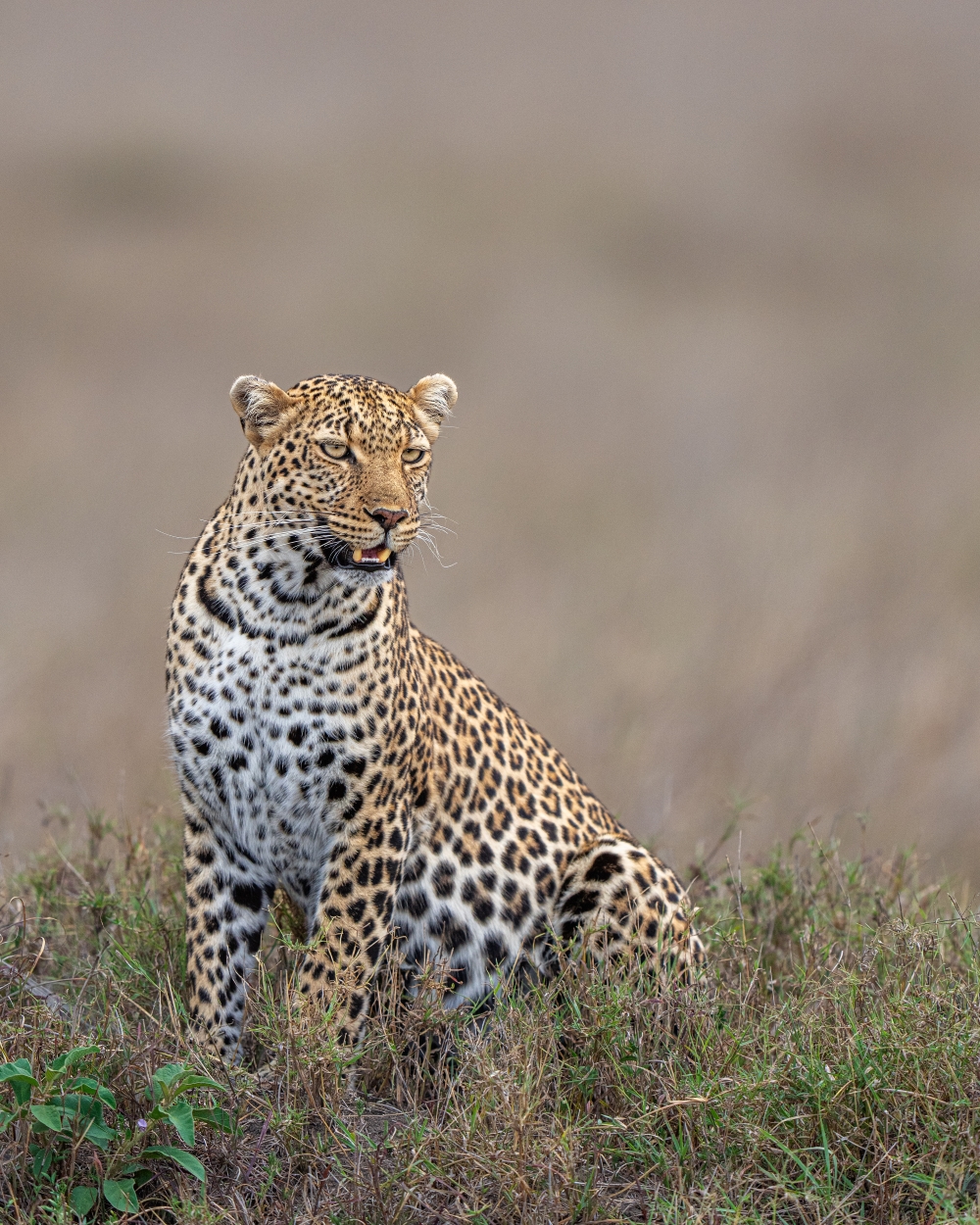
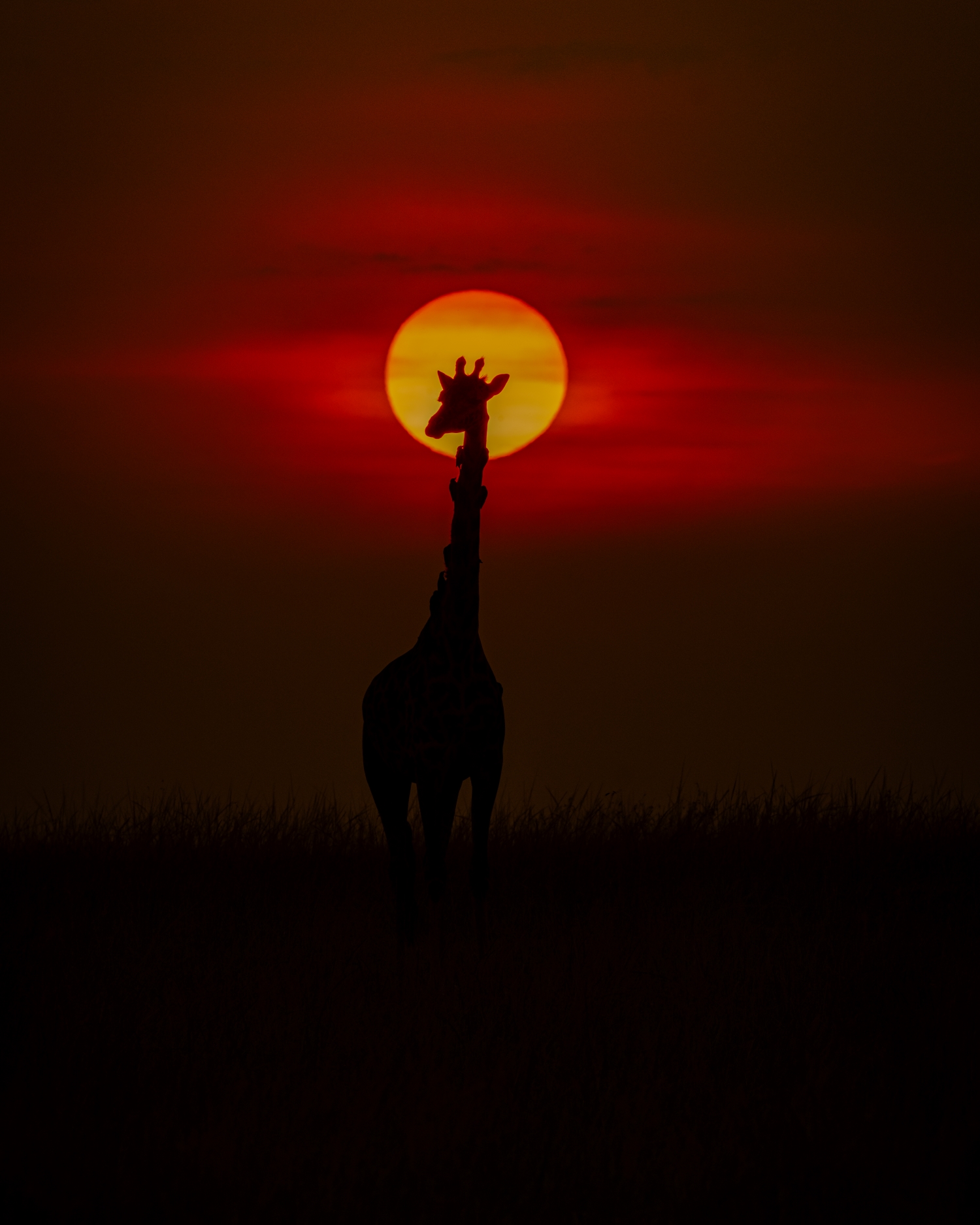
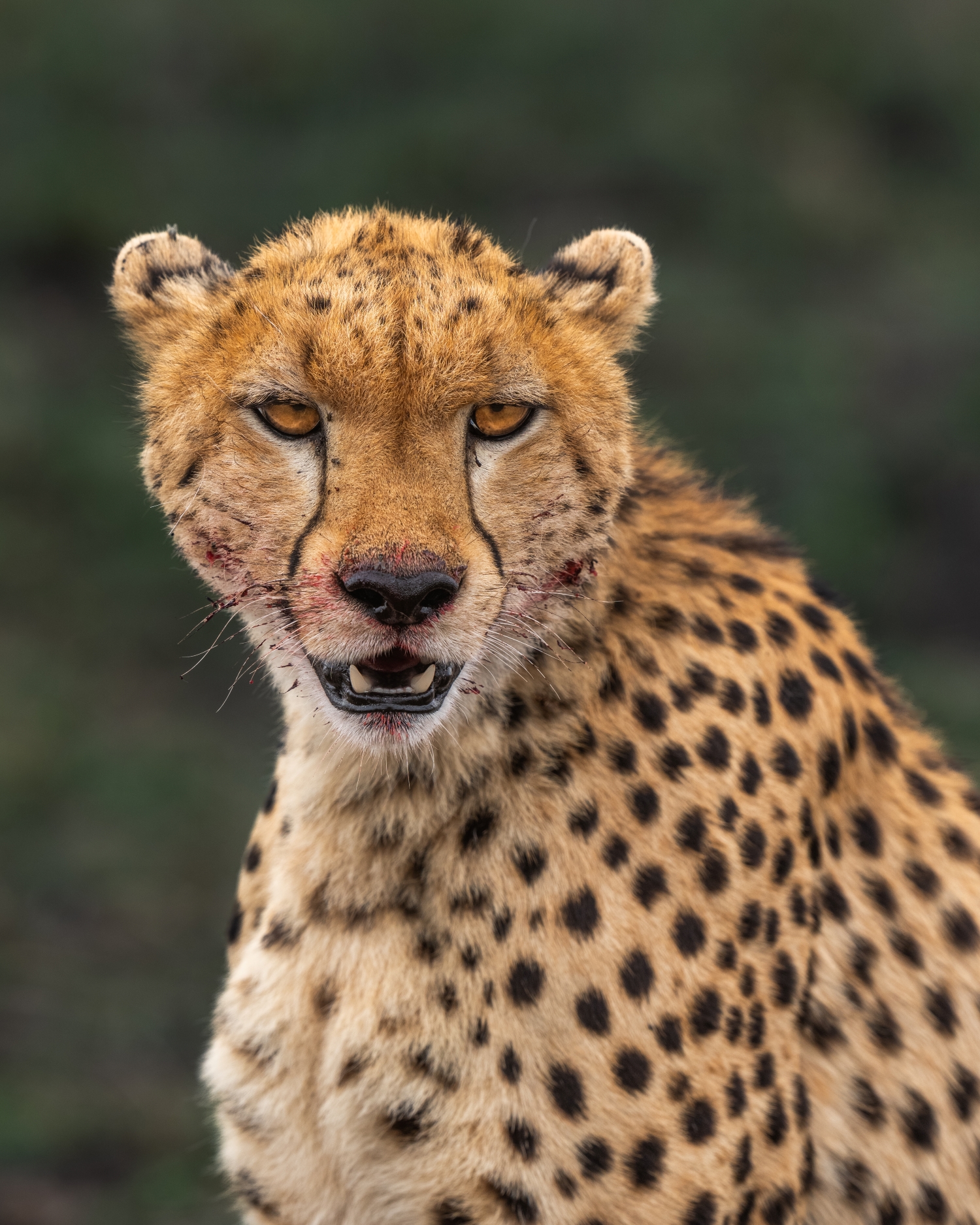
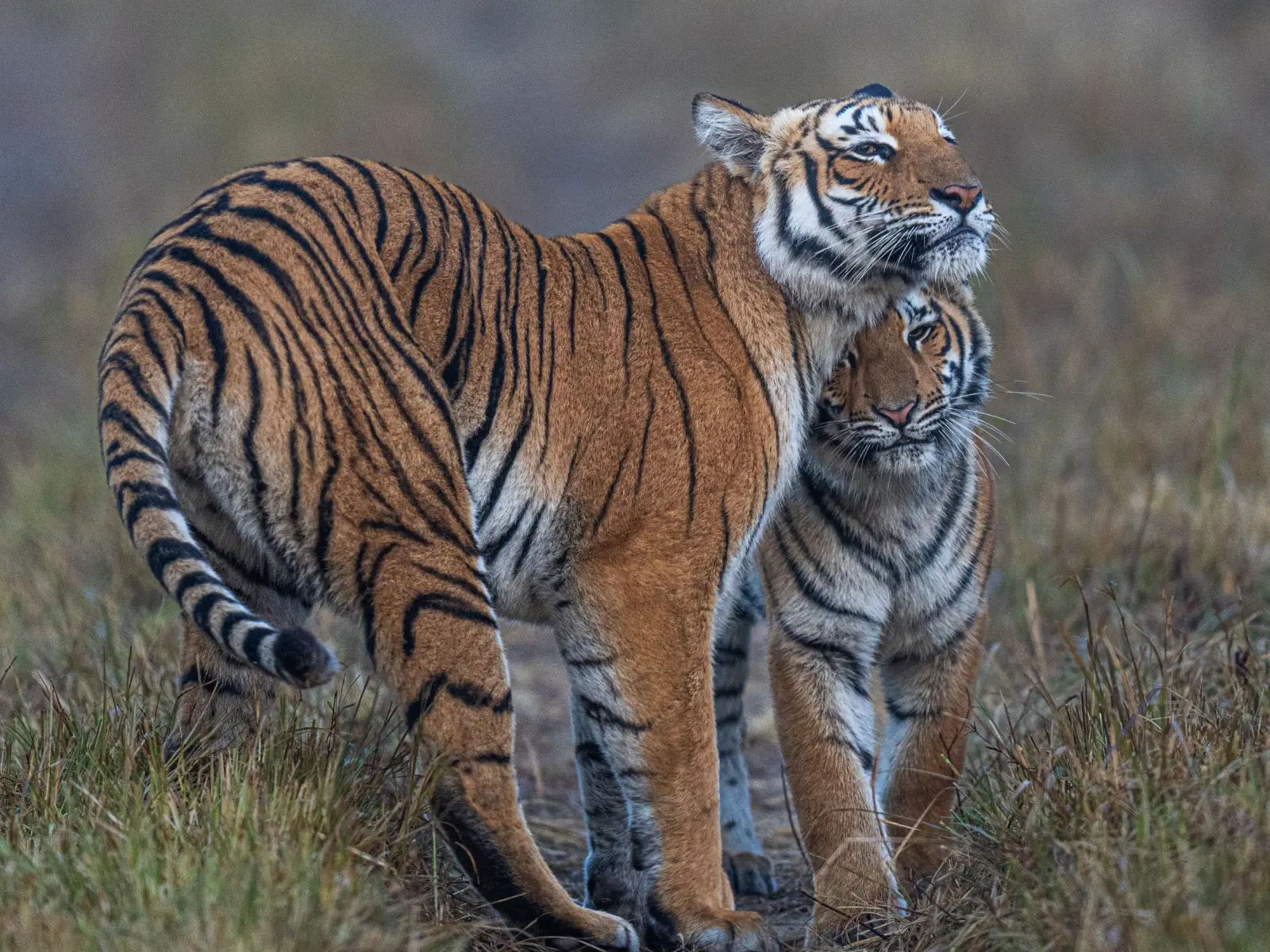
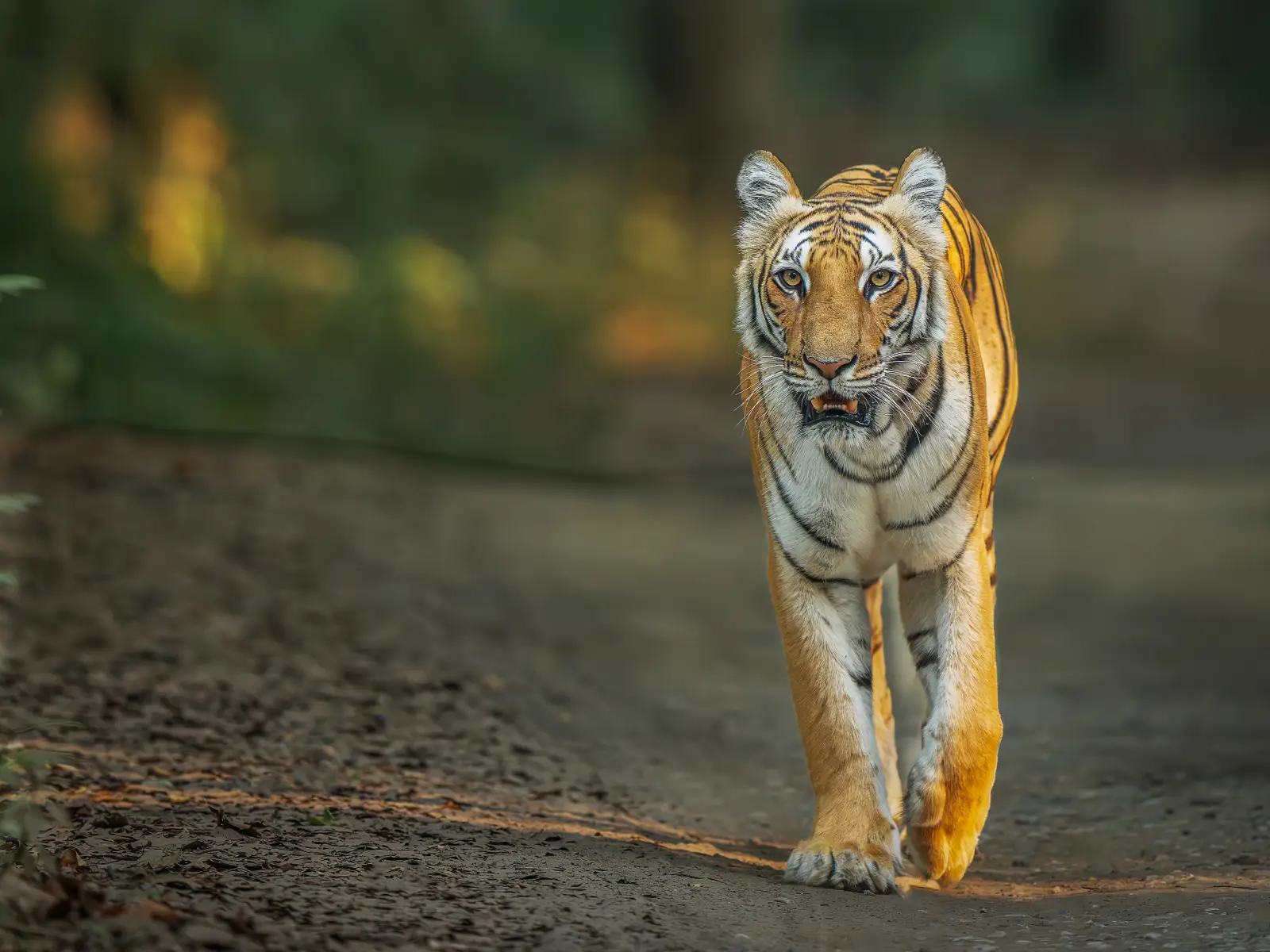
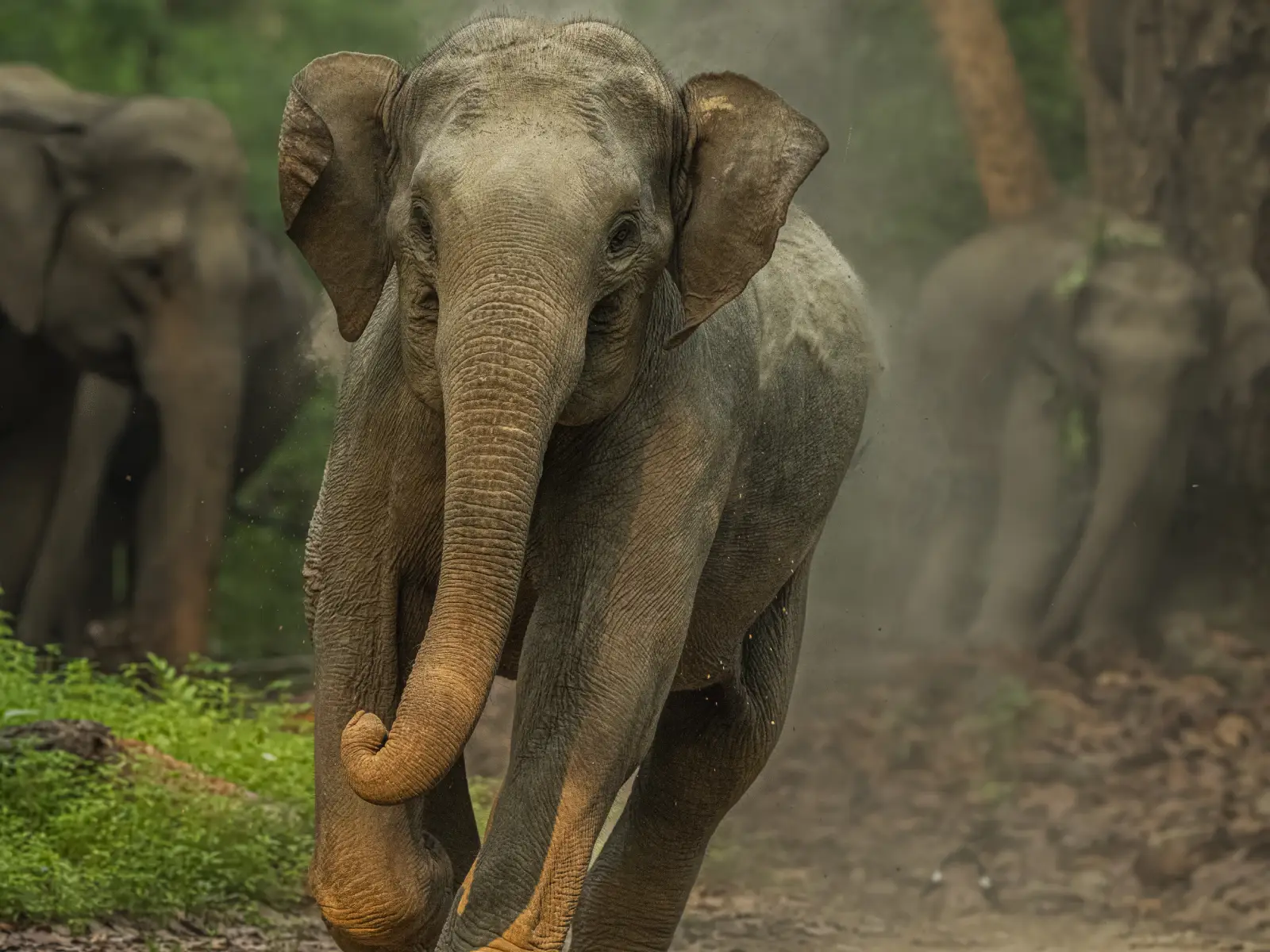
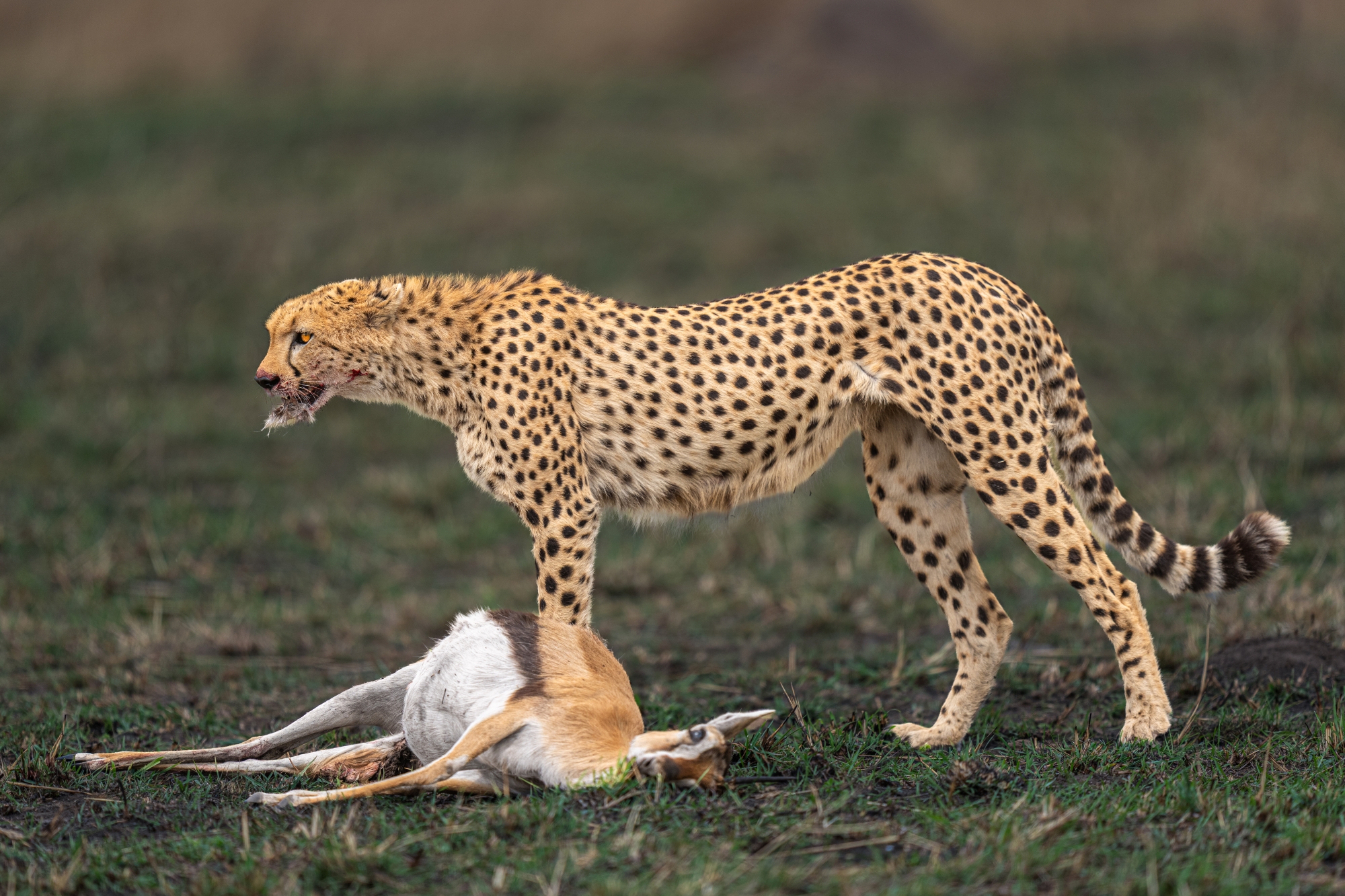
An international wildlife photography tour is not just a trip abroad with a camera bag — it's a chance to photograph species, landscapes, and light you simply cannot find at home. From the Great Migration thundering across the Serengeti to hides built at eye-level with predators in the African bush, these expeditions are built around access, timing, and mentorship that a standard overseas safari package never offers.
★★★★★
5 out of 5 based on 35 reviews
If travel and wildlife both excite you, join Yogesh Bhatia on an international photography tour built for photographers who want more than a bucket-list safari — real field time, real mentoring, and real images to show for it.

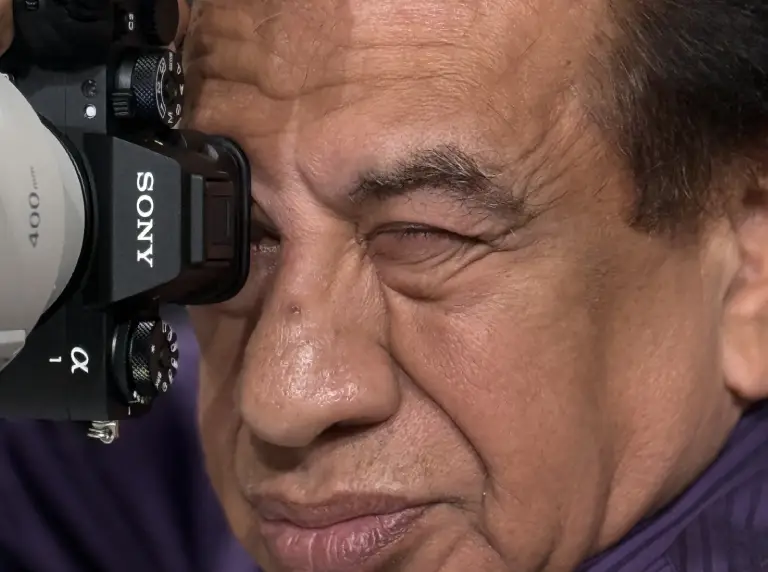
As a mentor, Yogesh is celebrated for his clarity, patience, and deep field expertise on every international expedition. His Tanzania and Kenya trips are consistently in high demand, drawing photographers from India, Europe, the U.S., and the Middle East who want dedicated field time in East Africa’s most iconic landscapes.
He earned widespread international recognition for capturing an extraordinarily rare frame, a newborn spotted hyena cub being carried by its mother, a behaviour that has almost never been photographed. The image drew attention from major global platforms, including BBC Earth and National Geographic.

Written by: Yogesh Bhatia Reviewed by: Yogesh Bhatia, Renowned Wildlife Photographer & Mentor with 40+ years of experience in wildlife photography and 15+ years of experience in Indian safaris.
Ask any photographer who has stood at a river crossing in East Africa and they will tell you the same thing: the picture is decided by what you did in the hours before the action started. That patience is what separates an international wildlife photography tour from a standard overseas safari.
This guide covers where to go, when to travel, what to arrange before you fly and how to pick a mentor you can trust, drawing on Yogesh Bhatia’s four decades in the field.
An international wildlife photography tour is a guided trip abroad planned around making strong images, not covering a standard tourist circuit. Groups are small, routes follow animal movement and light, and a mentor works with you in the field. Our wildlife photography tours in Africa focus on Tanzania and Kenya, and guests travel from India, Europe, the US and the Middle East.
Standard overseas safaris are built for sightseeing, and they do that well. They are rarely built for a long lens and an hour of waiting.
| What Matters | Standard Overseas Safari | Photography Tour |
|---|---|---|
| Vehicle space | Shared with general tourists | Small photography-only groups |
| Route | Fixed circuits | Planned around animal movement and light |
| Time at a sighting | Brief stop, then onward | We stay while light and behaviour justify it |
| Guidance | Species commentary | Mentoring on settings, composition and behaviour |
Serengeti National Park is the heartland of the Great Migration, and a Serengeti photography safari in July puts you close to the northern herds. Our Tanzania wildlife photography tour 2027 is a 7-day trip (22 to 28 July) planned around it. Expect open plains, big skies and herds on a scale that is hard to frame, so bring a wide zoom as well as a telephoto. See the Tanzania Great Migration photography expedition for dates and details.
On a Kenya wildlife photography tour, Masai Mara National Reserve offers some of the most reliable big-cat sightings in Africa, with migration activity in the second half of the year. Low morning and late-afternoon light does most of the work, and a beanbag turns the vehicle into a steady hide. Our July 2026 batch sold out, so check the Masai Mara Great Migration photography tour page for future dates.
Situation: Parveen Ghuliani planned a Masai Mara trip for her family.
What we did: We arranged the transport, accommodation and safari plan for the whole trip, so the family could spend their time watching animals instead of managing logistics.
What happened: The Mara is known for some of the most reliable big-cat sightings in Africa, and the family saw the Big Five up close. In her own words:
“Everything was well-organized, from transport to accommodation. The safari was incredible, and we got to see the Big Five up close. Our guide was knowledgeable and friendly, making the trip even more enjoyable.” – Parveen Ghuliani
Lesson: A well-organised trip frees your attention. When the stays and drives are sorted, everything you have goes into watching the animals, and that is also what good photography needs.
A hide photography safari at Shompole puts you at ground level with predators and waterhole visitors. It is a different discipline from vehicle work: you sit still for hours, so patience and precise framing matter more than speed. Ask for the kit list before you go. Details are on our Shompole hide photography expedition page.
Situation: Most wildlife photographers learn in vehicles, where you move towards the animal. The hides at Shompole in Kenya reverse that. You are already in position at ground level, and waterhole visitors and predators come to you.
What we teach: Choose your frame before anything arrives. Set your exposure for the light you can see, then wait. At eye level, a small change in height or angle changes the whole background, so you work with what is in front of the lens instead of chasing the subject.
What happened: A hide at Shompole puts you at ground level with predators and waterhole visitors, so patience and precise framing matter more than speed. Guests who have learned with Yogesh describe the coaching like this:
“His personal attention during the whole trip and knowledge were impressive. A great learning yet fun experience.” – Gopi Krishna
Lesson: Hide photography rewards stillness and preparation more than speed. The frame you prepared for is the one you are ready to catch.
Situation: Spotted hyenas are rarely photographed in tender moments. One of Yogesh’s best-known images shows a newborn spotted hyena cub being carried by its mother, a behaviour that has almost never been photographed.
What it took: Moments like this cannot be scheduled. They reward preparation: understanding animal routines, choosing a position early and staying ready when the moment arrives.
What happened: The image of a newborn spotted hyena cub being carried by its mother drew attention from major global platforms. That kind of field knowledge, reading animal routines and being ready before the moment arrives, is what guests say they take home from our trips:
“His meticulous planning of safaris, selection of varieties of zones and suggestions and tips of pre-photography and above all his photography master class are par excellence.” – Vasudeo Yadwad
Lesson: This is why we plan trips around patience and positioning rather than sighting counts. A rare frame is rarely luck alone.
The Great Migration is a year-round movement, not a single event. River crossings in northern Serengeti and the Masai Mara usually happen between July and October, but timing changes every year with rain and herd movement, so nobody can promise a crossing on a given day.
| Period | Where the Herds Are | What to Expect |
|---|---|---|
| Jan to Mar | Southern Serengeti | Calving season, predators following the herds |
| Jul to Oct | Northern Serengeti and Masai Mara | River crossings, timing varies yearly |
| Nov to Dec | Moving south | Herds heading back towards Tanzania |
You can see what past guests say. If your dates or destination differ from our group departures, we also plan a custom or bespoke wildlife tour.
At the time of writing, our 7-day Tanzania expedition is listed at $4,000. Prices depend on destination, season and length. Before comparing operators, check what is included: flights, park and conservancy fees, tips, visas and insurance. Always confirm current figures on the tour pages.
Yogesh Bhatia leads international photography expeditions to East Africa, including Tanzania’s Great Migration and Kenya’s Shompole hide photography sessions, alongside his well-established domestic tours across India. Each international itinerary is planned around migration timing, predator activity, and light conditions to maximise photographic opportunity, not just sightings.
These expeditions are open to photographers of all levels — from complete beginners to published professionals — who want dedicated field time and mentorship in a new ecosystem. If you’re just starting out, our 1-on-1 mentorship programme can help you build core skills before an international trip.
A DSLR or mirrorless camera with a telephoto lens is recommended, especially for open-plains photography in Africa, but professional-grade gear is not mandatory. Guidance is provided on getting the most from whatever equipment you bring.
The mentoring approach, small-group structure, and field coaching are consistent across all trips — see our Wildlife Photography Tours in India for comparison. What changes internationally is the species, terrain, and shooting style, from vehicle-based migration photography in Tanzania to ground-level hide work in Kenya.
Hide photography means shooting from a fixed, low, camouflaged position rather than a moving vehicle, which produces a very different perspective — closer to eye-level with the animal. The Shompole expedition is built specifically around this technique for photographers who want to expand beyond standard safari shooting.
Yes. Group sizes are kept small so every photographer gets adequate space, personal mentoring time, and a genuine chance at strong compositions, rather than being one of many people crowded around a single sighting.
Yes. Contact us with your preferred destination, travel window, and skill level, and we’ll help build or adjust an itinerary around it. You can also review past participant experiences to get a sense of what to expect on tour.
No prior experience is required. First-time travellers and experienced photographers alike are welcomed, with mentoring adjusted to individual skill level throughout the trip.