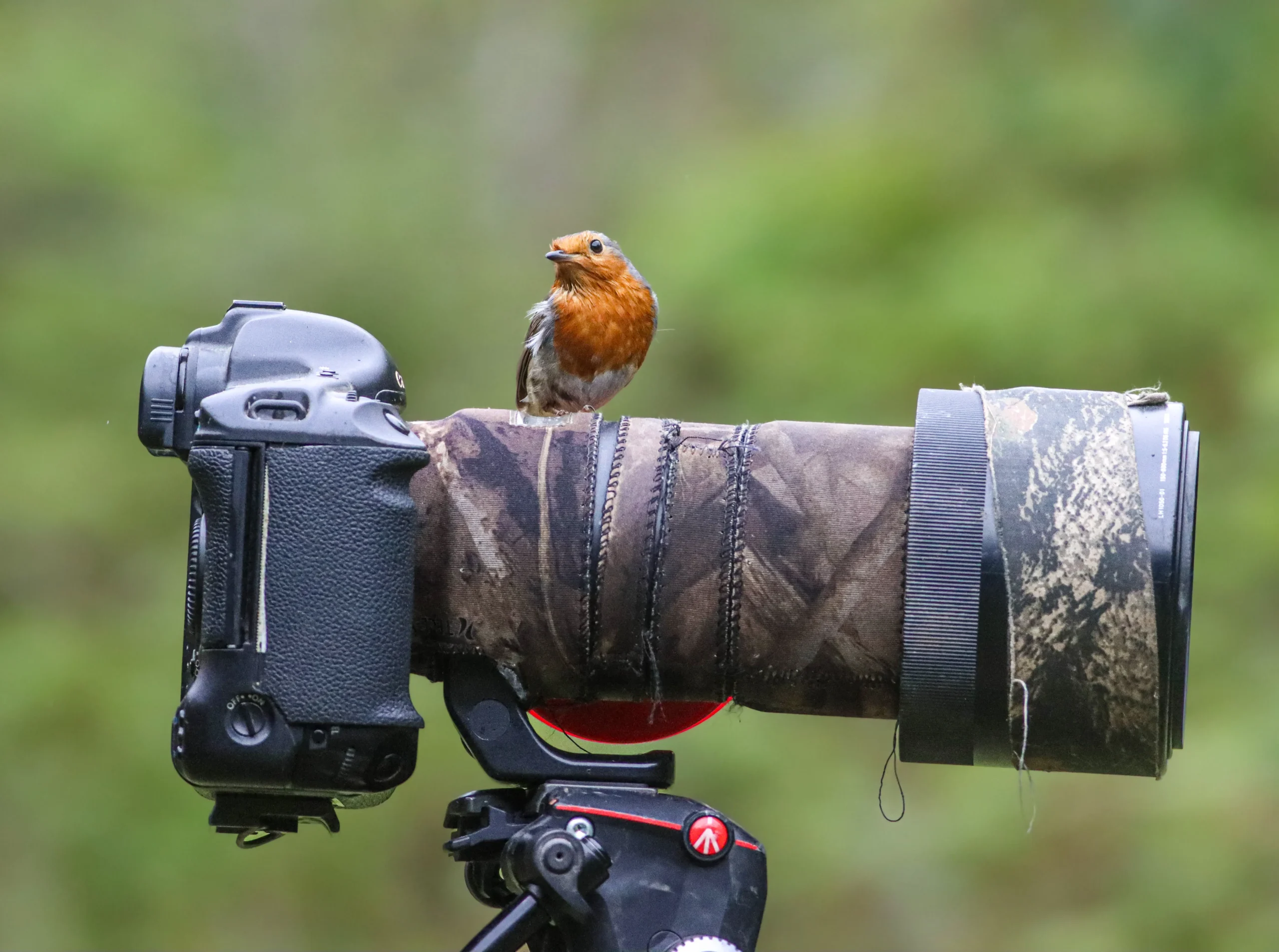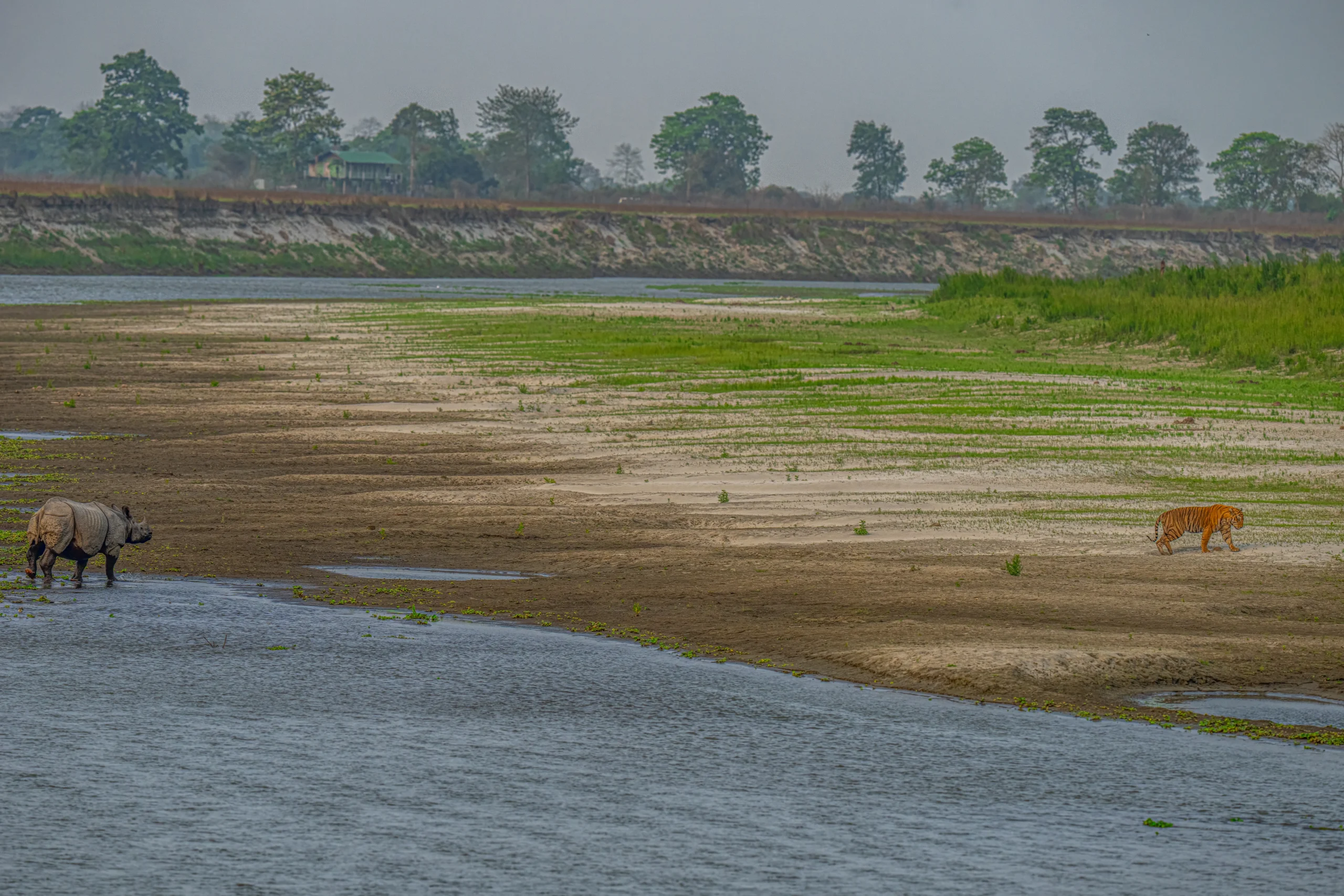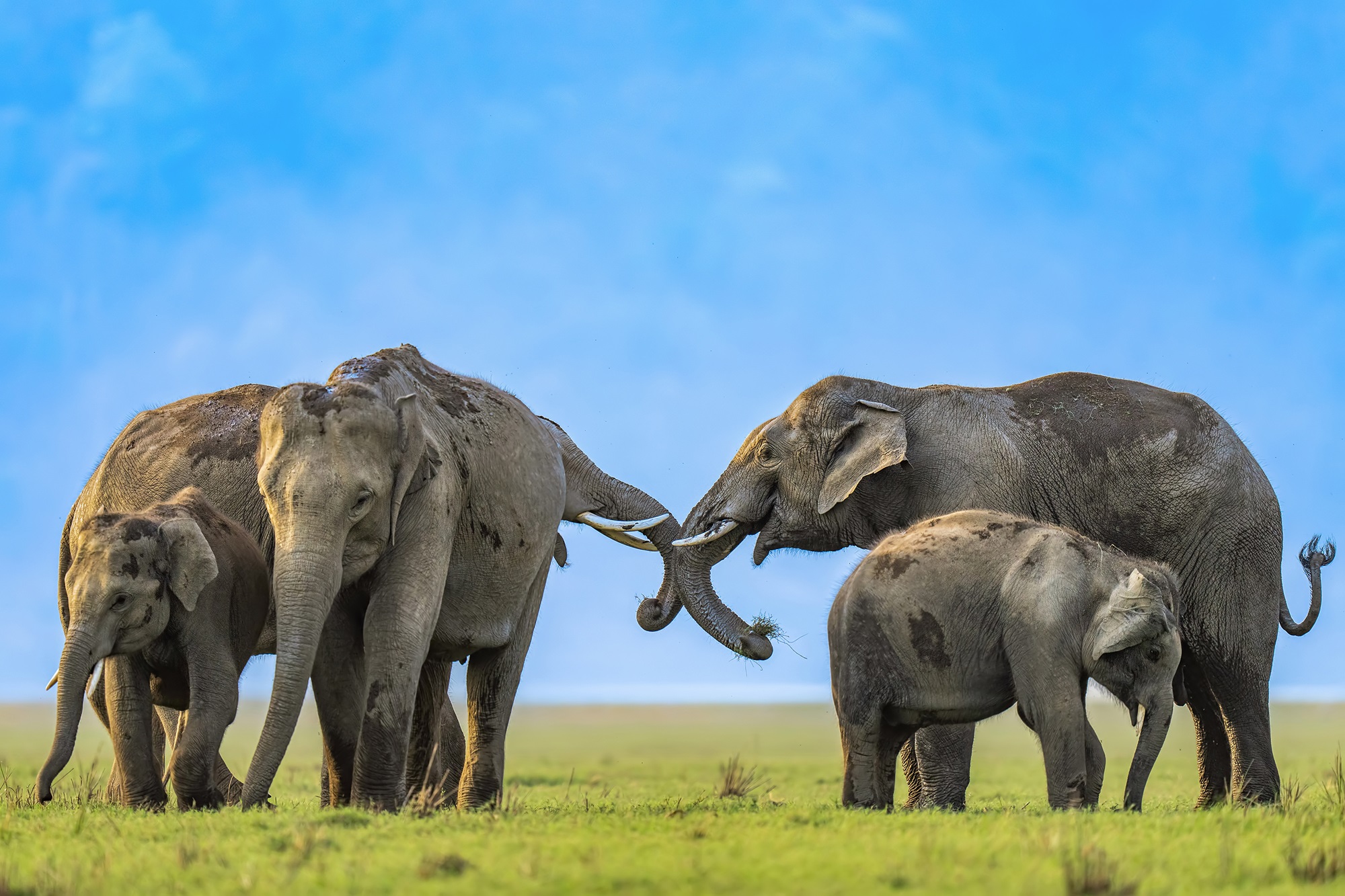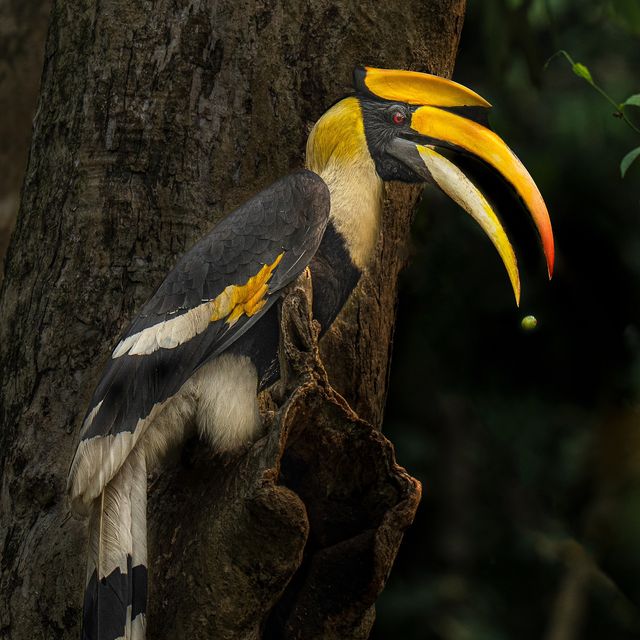
Bird photography in India is addictive. One sunrise at Bharatpur, one misty morning in Sattal, or one golden evening at Mangalajodi—and suddenly every birder dreams of the perfect long lens. The challenge? Birds are tiny, fast, unpredictable, and often far away. That is why choosing the right bird photography telephoto lens is the single most important gear decision a wildlife photographer can make.
This detailed 2026 guide is designed for Indian photographers who want real-world advice—not just specs. Expect honest recommendations, field insights, INR pricing, and lens suggestions that survive Panna heat, Thar dust, and Western Ghats humidity.
Why Bird Photography in India Is Unique?
India is one of the most rewarding countries for bird photography. Over 1300+ species live across ecosystems ranging from deserts to rainforests.
What makes India challenging (and exciting)
1. Extreme lighting conditions
- Harsh sunlight in Rajasthan and Madhya Pradesh
- Fog and low light in Uttarakhand forests
- Dense canopy in Western Ghats
- Backlit wetlands at sunrise and sunset
A telephoto lens must handle contrast and deliver sharpness even in haze and humidity.
2. Birds rarely allow close approach
Unlike safari mammals, birds stay distant. Even large species like hornbills or cranes need 500–600mm reach.
3. Mixed wildlife opportunities
Most Indian photographers don’t shoot only birds. The same lens often must work for:
- Wildlife photography India
- Tiger photography
- Big cat photography
A long lens that works for a Panna Tiger Photography Workshop and wetlands birding is the dream combo.
Technical Deep Dive: Best Focal Length for Bird Photography
If one question dominates the Indian wildlife community, it is:
“How many mm lens do I need for bird photography?”
Short answer:
Minimum: 400mm
Ideal: 500–600mm
Dream setup: 600–800mm
Why reach matters more in India
Birds are small subjects. Cropping too much destroys image quality, especially for printing or contests.
| Focal Length | Real-world Use |
|---|---|
| 200–300mm | Too short for serious bird photography |
| 400mm | Entry level wildlife reach |
| 500mm | Sweet spot for most birding |
| 600mm | Professional bird photography standard |
| 800mm+ | Specialist super-telephoto |
Prime vs Zoom Reach Reality
Prime lenses:
- Sharper
- Faster autofocus
- Better low light
- Expensive & heavy
Zoom lenses:
- Flexible framing
- Travel-friendly
- Great for safaris & tours
Most Indian photographers end up owning one zoom + one prime.
DSLR vs Mirrorless for Bird Photography (India 2026)
This debate is almost settled now. Mirrorless is dominating wildlife photography lenses.
Mirrorless advantages for birds
- Real-time eye autofocus for birds
- Silent shooting (no shutter noise)
- Better subject tracking
- Faster burst shooting
DSLR advantages still relevant
- Cheaper used market
- Longer battery life
- Rugged reliability
Indian market reality
- Canon and Nikon are transitioning fully to mirrorless.
- New wildlife lenses are released mainly for mirrorless mounts.
If starting fresh in 2026 → Go mirrorless.
Canon vs Nikon vs Sony Wildlife Lens Ecosystem
Each brand has built a strong wildlife lens lineup.
Canon
Strengths:
- Fast autofocus
- Superb image stabilization
- Huge wildlife lens range
Nikon
Strengths:
- Exceptional sharpness
- Rugged build
- Lighter super-telephoto primes
Sony
Strengths:
- Industry-leading autofocus
- Lightest telephoto lenses
- Excellent tracking
Premium “Glass”: Best Prime Lenses for Birds
These are dream lenses. Used by professionals and serious enthusiasts.
Canon RF 600mm f/4L IS
Price: ₹11–12 lakh
Why photographers love it:
- Insane sharpness wide open
- Works perfectly for tigers + birds
- Incredible subject separation
Best for:
Professional wildlife tours and workshops.
Nikon Z 600mm f/4 TC VR S
Price: ₹13–14 lakh
Unique feature:
Built-in teleconverter → turns into 840mm instantly.
Perfect for distant wetland birds.
Sony 600mm f/4 GM OSS
Price: ₹12–13 lakh
Lightest 600mm prime in class.
Game changer for handheld bird photography.
Versatile Zoom Lenses (Most Popular Category)
This is where most photographers start and often stay.
Comparison Table – Top 5 Bird Photography Lenses (India 2026)
| Lens | Weight | Price Range | Best For |
|---|---|---|---|
| Canon RF 100-500mm f/4.5-7.1 | 1.5 kg | ₹2.6–2.9 lakh | Travel + safaris |
| Nikon Z 180-600mm f/5.6-6.3 | 2.1 kg | ₹1.8–2.0 lakh | Best value wildlife |
| Sony 200-600mm f/5.6-6.3 | 2.1 kg | ₹1.7–1.9 lakh | Bird tracking |
| Sigma 150-600mm Contemporary | 1.9 kg | ₹1.1–1.3 lakh | Budget wildlife |
| Tamron 150-500mm f/5-6.7 | 1.7 kg | ₹1.2–1.4 lakh | Lightweight travel |
Sony 200-600mm – The Bird Photographer’s Favourite
Why it’s loved in India:
- Sharp across entire range
- Internal zoom (no dust pumping)
- Fantastic autofocus tracking
Perfect for:
Bharatpur wetlands and raptor photography.
Nikon Z 180-600mm – The Value King
Best price-to-performance wildlife lens right now.
Great for:
- Beginners upgrading fast
- Birding tours
- Safari versatility
Canon RF 100-500mm – Travel Champion
Compact and lightweight. Ideal for photographers who travel often.
Budget Telephoto Lenses (Beginners in India)
Not everyone needs lakh-rupee lenses to start bird photography.
Sigma 150-600mm Contemporary
Price: ₹1.1–1.3 lakh
India’s most popular beginner wildlife lens for years.
Pros:
- Affordable
- Excellent reach
- Good sharpness
Tamron 150-500mm
Price: ₹1.2–1.4 lakh
Lighter and more travel-friendly.
Best beginner setup combo:
- Crop sensor camera + 150-600mm lens.
This gives effective 900mm reach.
Telephoto Lens Buying Guide (India Focused)
1. Weight Matters More Than You Think
Bird photography means:
- Long walks
- Long waits
- Long handheld sessions
Ideal travel weight:
Under 2.2 kg
Heavy lenses demand tripods or monopods.
2. Aperture – f/4 vs f/5.6 vs f/6.3
Lower aperture = more light = faster shutter speeds.
In Indian conditions:
- f/4 = luxury
- f/5.6 = excellent
- f/6.3 = acceptable
For forest birding, faster lenses help significantly.
3. Weather Sealing – Critical in India
Your lens must survive:
- Dust in Rajasthan
- Rain in Western Ghats
- Humidity in Northeast
- Heat in Panna (45°C)
Professional lenses are designed for these environments.
4. Autofocus Speed
Birds change direction instantly.
Slow autofocus = missed shots.
Prioritise lenses known for fast tracking.
Pro Tips: Bird Photography in Indian Conditions
Handling Heat Haze (Central India & Panna)
- Shoot early morning.
- Avoid long-distance midday shots.
- Heat haze destroys sharpness even on expensive lenses.
Dealing With Dust (Rajasthan & Grasslands)
- Prefer internal zoom lenses.
- Use rain covers.
- Clean gear daily.
Rainforest Humidity (Western Ghats)
- Carry silica gel packs.
- Avoid lens changes in forest.
- Use weather-sealed lenses.
Lens Performance During Wildlife Tours
These lenses shine during:
- Panna Tiger Photography Workshop
- Best Wildlife Photography Tours
- Bharatpur Bird Festival trips
Zoom lenses are ideal for tours because:
- Tigers + birds both covered
- Flexible framing in safari jeeps
- Travel-friendly packing
Final Verdict: Which Lens Should YOU Buy?
Beginners (₹1–1.5 lakh)
→ Sigma 150-600mm or Tamron 150-500mm
Enthusiasts (₹1.7–2.5 lakh)
→ Sony 200-600mm or Nikon 180-600mm
Professionals (₹10 lakh+)
→ 600mm f/4 primes
Best all-round choice in India 2026:
Sony 200-600mm or Nikon 180-600mm
Bird photography rewards patience, practice, and the right gear. A powerful long lens opens a world of tiny feathers, dramatic flight shots, and magical moments in India’s wild landscapes. Invest wisely, travel often, and keep shooting the skies.
FAQs:
What is the best focal length for bird photography?
500–600mm is ideal for most Indian birding scenarios.
Is 400mm enough for bird photography?
Yes for large birds. Small birds usually need 600mm.
Prime or zoom for wildlife photography lenses?
Zoom for flexibility. Prime for maximum quality.
Is full-frame required for bird photography?
No. Crop sensors actually give extra reach.
Which lens works for birds and tiger photography?
200-600mm and 180-600mm are perfect dual-purpose lenses.
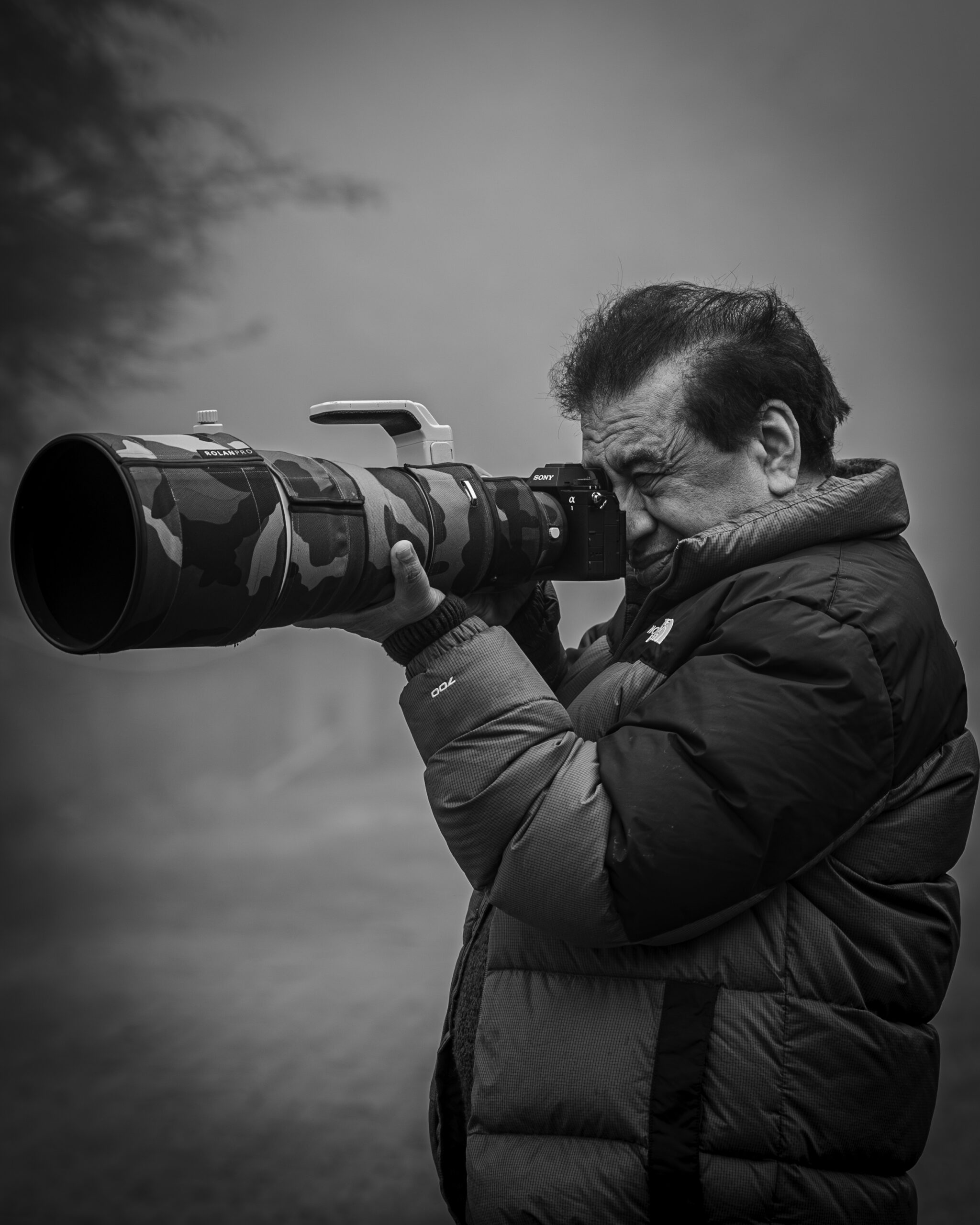
Yogesh Bhatia is a professional Wildlife photographer & mentor in India whose work reflects patience, observation, and a deep respect for nature. His journey in wildlife photography is shaped by countless hours in forests, observing animal behavior and waiting for moments that unfold naturally. Through his lens, wildlife is portrayed not just as subjects, but as living stories within their natural environment. His approach to Wildlife photography India focuses on authenticity rather than staged perfection, resulting in images that feel raw and immersive.