In the world of wildlife photography, one question often sparks deep thought:
“Does nature give you the frame, or do you take the frame from nature?”
This question isn’t just philosophical—it defines the very foundation of how great wildlife images are created.
During a recent podcast with a leading travel brand, this exact question was asked. The answer was simple yet powerful:
“Nature gives you the opportunity to make the frame, but your skill allows you to capture it technically and artistically.”
This idea lies at the heart of professional wildlife photography—where preparation meets unpredictability.
Nature Creates the Moment, The Photographer Creates the Frame
In wildlife photography, control is an illusion.
Photographers cannot:
- Direct animal movement
- Control lighting conditions
- Repeat a moment
- Change the background
- Predict exact behavior
Everything unfolds naturally.
What Nature Controls:
- Light and atmosphere
- Animal behavior
- Background and environment
- Timing of action
- Unpredictable moments
What the Photographer Controls:
- Composition and framing
- Camera settings (ISO, shutter speed, aperture)
- Focus accuracy
- Timing of the shutter
- Storytelling through the image
This balance defines the craft.
👉 Nature presents the opportunity. The photographer creates the frame.
A Real Wildlife Photography Moment – Masai Mara Experience
During a recent Masai Mara wildlife photography trip, a powerful moment perfectly illustrated this philosophy.
While photographing hyena pups near their den, everything seemed routine—playful behavior, natural movement, predictable compositions.
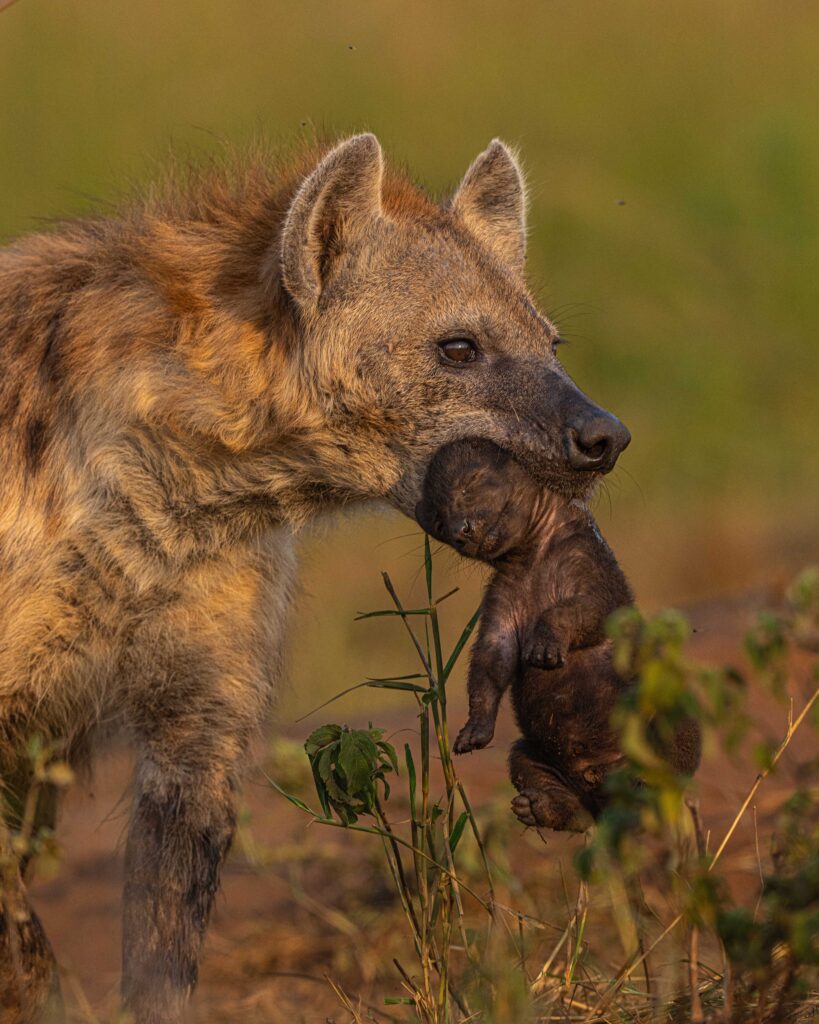
Then suddenly, something extraordinary happened.
A mother hyena entered the frame carrying a newborn pup—likely just hours old.
This moment:
- Was completely unexpected
- Lasted only a few seconds
- Could never be recreated
But it was captured.
Why the Shot Was Possible?
The image wasn’t luck—it was preparation.
At that moment:
- The camera settings were already optimized
- The composition was mentally pre-visualized
- Behavior had been observed carefully
- Focus and exposure were ready
- Full attention was on the scene
There was no time to adjust settings.
There was only time to press the shutter.
👉 This is the difference between missing a moment and capturing a masterpiece.
From the Wild to Global Recognition
That single photograph went on to achieve global recognition.
It reached the final round of the prestigious Wildlife Photographer of the Year, organized by the Natural History Museum, London.
Out of nearly 65,000 entries worldwide, only a select few images make it to the final stage.
Often referred to as the “Oscars of Wildlife Photography,” this competition represents the highest level of excellence in the field.
But the recognition wasn’t just about achievement.
It reinforced a core truth:
👉 Great wildlife photography is not about luck—it is about readiness.
The Real Secret Behind Great Wildlife Photography
Many beginners believe that expensive gear defines success.
But in reality, wildlife photography skills matter far more than equipment.
Core Elements of Wildlife Photography:
- Patience – Waiting hours or days for the right moment
- Observation – Understanding subtle behavioral cues
- Animal behavior knowledge – Predicting movement and action
- Anticipation – Being ready before the moment happens
- Light awareness – Using natural light effectively
- Composition skills – Creating visually powerful frames
- Technical readiness – Fast adjustments and precision
- Respect for wildlife – Ethical and responsible photography
- Mental presence – Staying fully focused in the moment
The biggest mistake photographers make?
👉 Preparing after the moment begins.
In wildlife photography, that’s already too late.
Why Timing is Everything in Wildlife Photography?
Unlike studio photography, wildlife moments:
- Cannot be staged
- Cannot be repeated
- Cannot be controlled
A fraction of a second can define the entire image.
This is why experienced photographers:
- Pre-set camera configurations
- Anticipate action before it happens
- Stay alert for subtle behavioral signals
Because in the wild:
👉 The moment never waits.
Final Thought – The True Meaning of the Frame
So, does nature give the frame, or does the photographer take it?
The answer remains clear:
Nature gives the opportunity for the frame, but the photographer creates it through skill, patience, timing, and vision.
And when preparation aligns with opportunity, something magical happens—
A once-in-a-lifetime photograph is created.
Quote to Remember
“Nature gives the opportunity, the photographer creates the frame.”
— Yogesh Bhatia
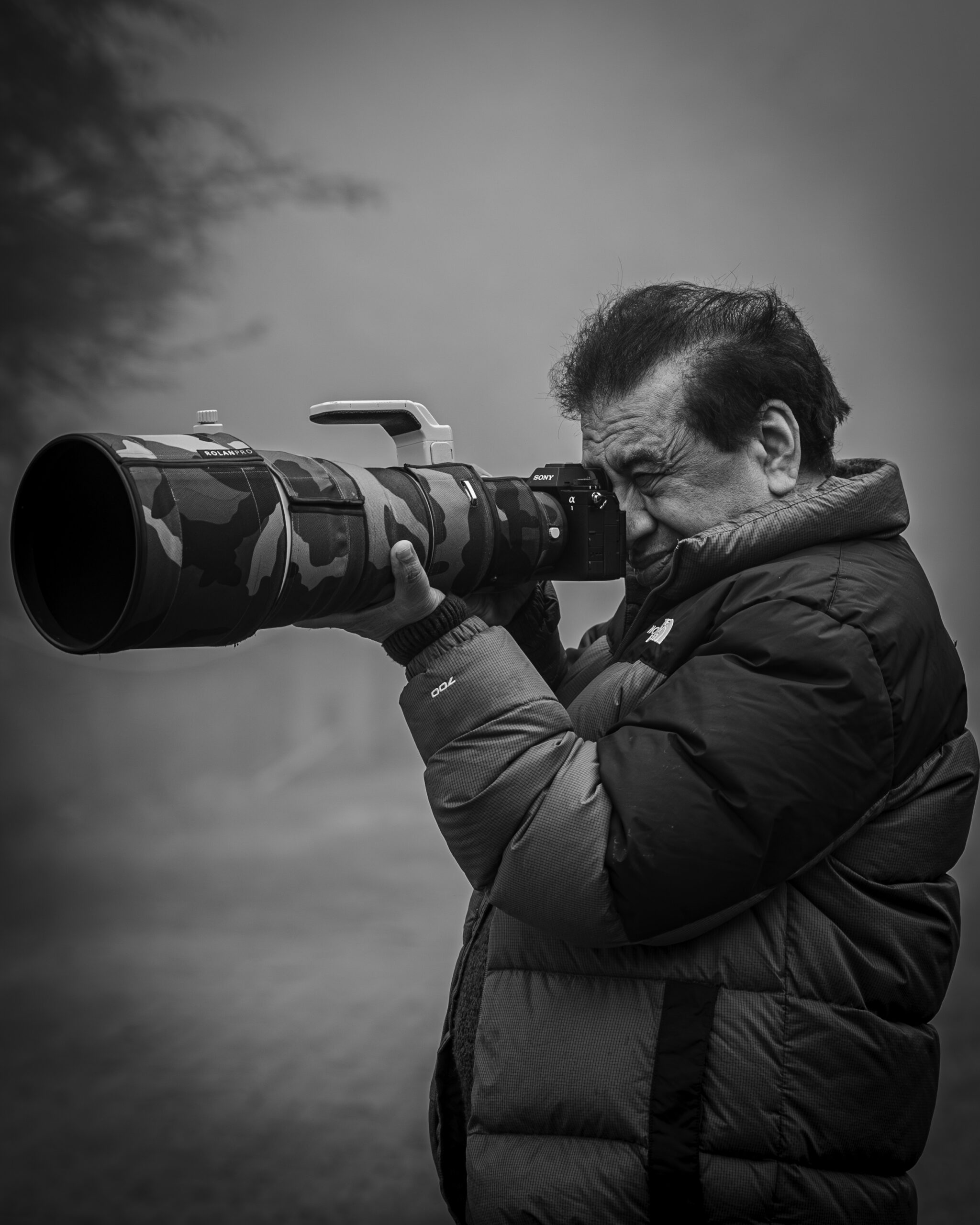
Yogesh Bhatia is a professional Wildlife photographer & mentor in India whose work reflects patience, observation, and a deep respect for nature. His journey in wildlife photography is shaped by countless hours in forests, observing animal behavior and waiting for moments that unfold naturally. Through his lens, wildlife is portrayed not just as subjects, but as living stories within their natural environment. His approach to Wildlife photography India focuses on authenticity rather than staged perfection, resulting in images that feel raw and immersive.