The Gentle Giants of Ramganga
There’s a moment in Jim Corbett National Park that never leaves you.
Early morning mist floats above the Ramganga reservoir. A matriarch steps forward—calm, confident—leading her herd into the water. Calves hesitate, then follow. The sound of splashing, soft rumbles, and golden light reflecting off ripples creates a scene that feels almost sacred.
This is where Photographing Wild Elephants in Corbett becomes more than wildlife photography—it becomes storytelling.
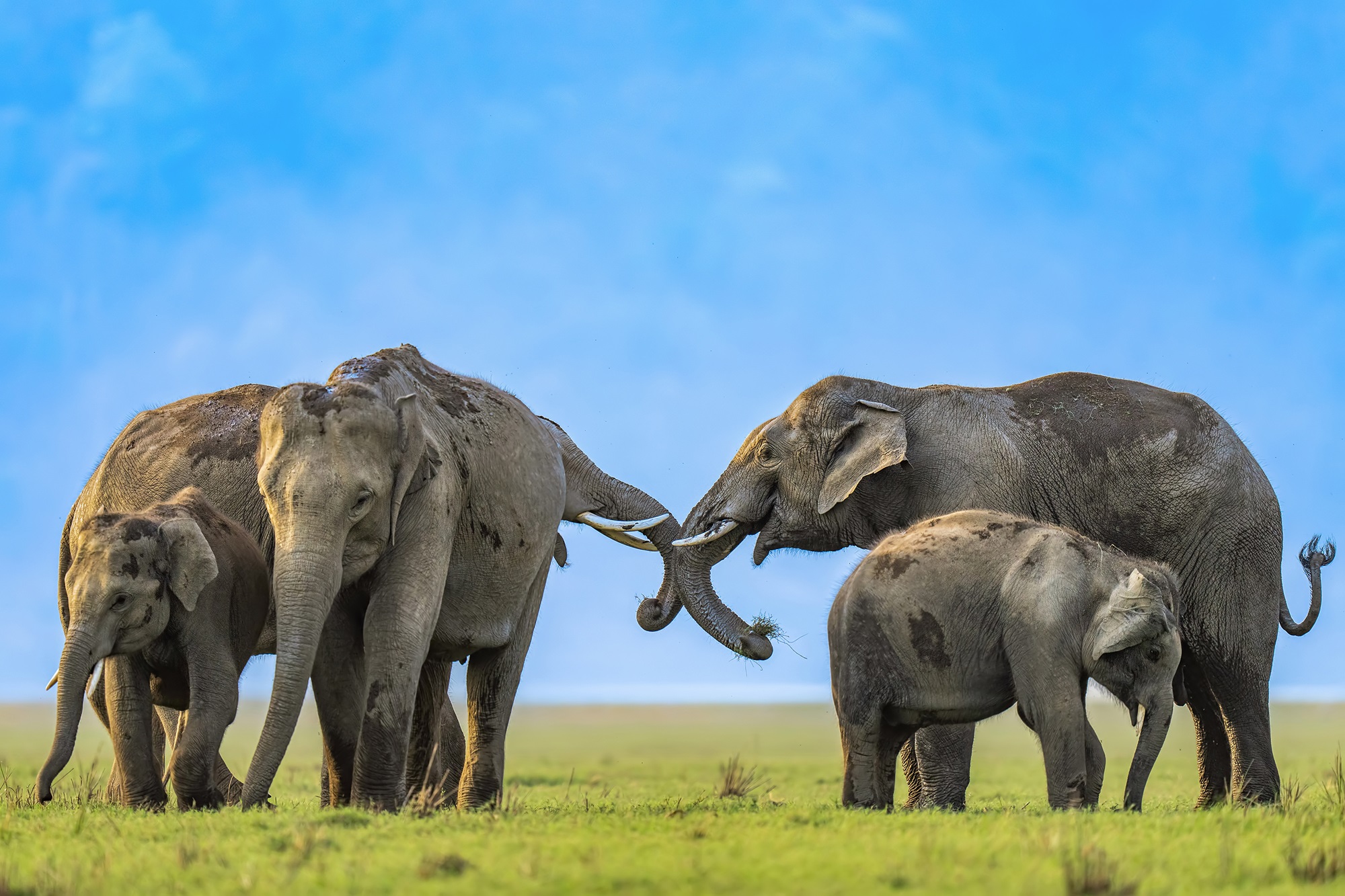
Corbett is arguably the finest place in India for creating environmental portraits of Asian elephants. Unlike dense forests elsewhere, areas like Dhikala and the Corbett Chaur (grasslands) offer open landscapes, riverbeds, and dramatic light—perfect for capturing elephants as part of their ecosystem, not just as subjects.
Tip 1: Master the Art of Patience & Observation
Elephant photography is not about chasing—it’s about waiting.
Understanding Asian Elephant behavior is the foundation of great images. Elephants move with purpose, and their most powerful moments are often subtle.
What to Watch For:
-
A calf playfully chasing birds near the riverbank
-
A lone tusker emerging silently from the forest edge
-
Dust rising as a herd enjoys a midday dust bath
-
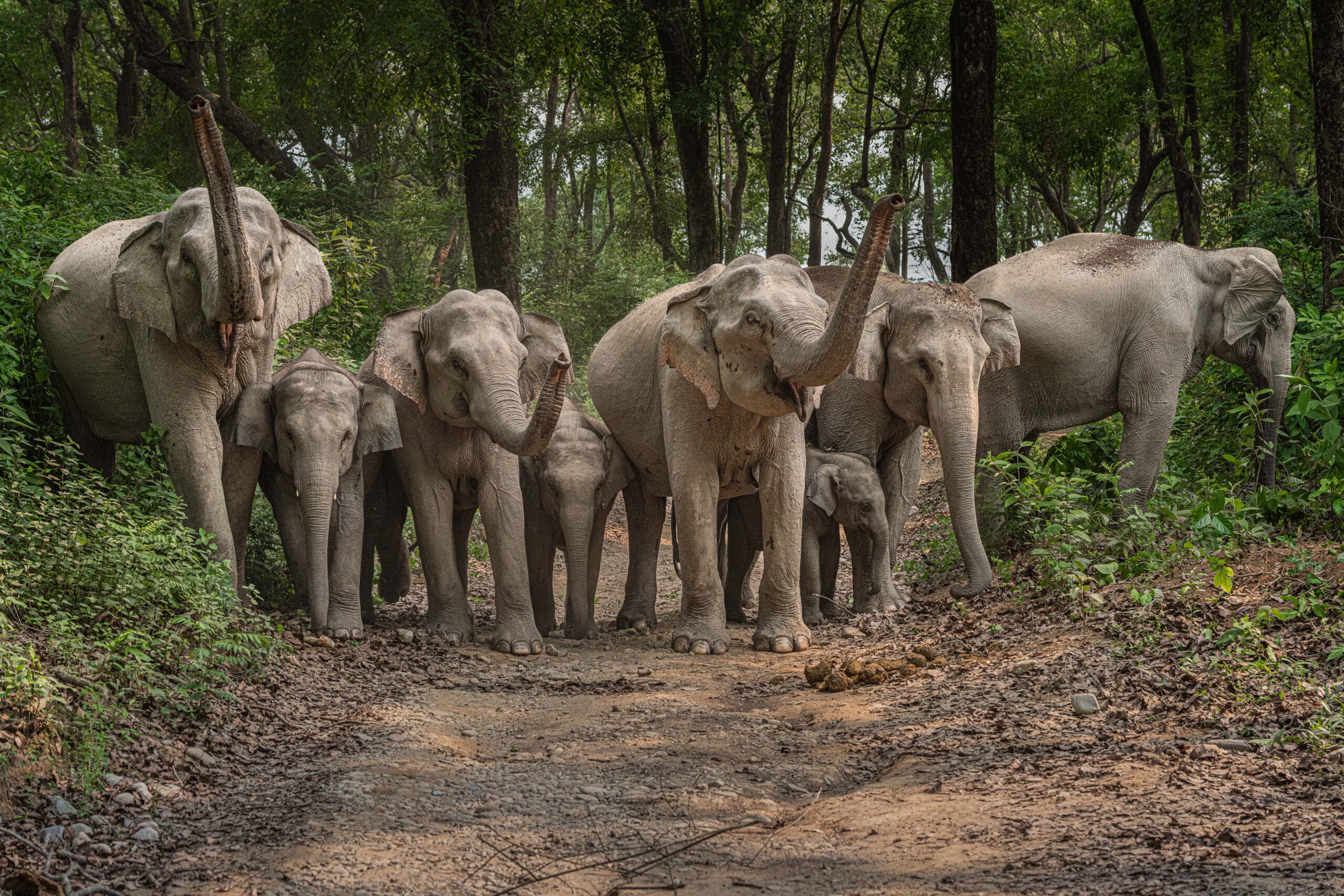
A protective matriarch positioning herself between you and her calves
These are not moments you can force.
The best photographers anticipate behavior—not react to it.
Spend time observing:
-
Herd hierarchy (matriarch always leads)
-
Feeding patterns (early morning & late evening)
-
Movement routes (especially near water sources like Ramganga)
The longer you stay still, the more natural the scene becomes—and that’s when the magic unfolds.
Tip 2: Focus on Eye Sharpness & Emotional Connection
If there’s one rule I never compromise on:
👉 The eye must be tack sharp.
Elephants are incredibly expressive. Their eyes carry wisdom, memory, and emotion. When the eye is sharp, the viewer instantly connects with the subject.
Why It Matters:
-
A slightly soft body is acceptable—but not the eye
-
Eye contact creates an emotional bridge between viewer and subject
-
It transforms a “good photo” into a powerful portrait
One of my most recognized elephant portraits—featuring a lone tusker staring directly into the lens—was even featured on a Mumbai billboard. That image worked because the eye told a story of strength, solitude, and presence.
Practical Tips:
-
Use single-point autofocus
-
Aim for f/4 to f/8 for sharpness and depth
-
Focus on the eye closest to the camera
Remember: You’re not just photographing an elephant—you’re capturing its personality.
Tip 3: Composition over Zoom
Most beginners make the same mistake:
They zoom in too much.
But in Corbett—especially in Dhikala—the real magic lies in environmental composition.
Why Wide Shots Work Better:
-
They show elephants in their natural habitat
-
They tell a complete story—river, grassland, sky, and herd
-
They create scale and drama
Imagine a herd crossing the Ramganga river with the Himalayas faintly visible in the background. A tight crop would destroy that story.
Where This Works Best:
-
Dhikala grasslands
-
Ramganga riverbed
-
Open chaur landscapes
Composition Ideas:
-
Use leading lines (river curves, trails)
-
Frame elephants against mist or sunrise
-
Include foreground elements like grass or water reflections
A powerful elephant photograph is not about size—it’s about context.
Tip 4: Understanding Light (The Golden Hour)
Light can transform an ordinary sighting into a masterpiece.
In Corbett, golden hour is everything.
Morning Advantage:
-
Soft mist creates dreamy backgrounds
-
Warm tones enhance texture and depth
-
Calm behavior = better compositions
Evening Advantage:
-
Backlit silhouettes near the reservoir
-
Dramatic skies and reflections
-
Dust particles glowing in golden light
Creative Opportunities:
-
Silhouettes of herds walking along the water
-
Rim lighting around elephant ears and trunks
-
Reflections in shallow river crossings
Golden rule:
👉 Never shoot harsh midday light unless it’s a rare behavioral moment.
Tip 5: Safety & Ethical Conduct (The Mentor’s Rule)
This is the most important lesson—and non-negotiable.
Wildlife photography ethics in India are not optional—they define you as a photographer.
Read Elephant Behavior Carefully:
-
Ear flapping → Can indicate agitation or cooling
-
Trunk curling inward → Alertness or uncertainty
-
Head held high + mock charge → Warning signal
-
Musth (in males) → Extremely unpredictable and dangerous
A musth tusker is not a subject to experiment with.
Essential Safety Rules:
-
Maintain a respectful distance at all times
-
Never block an elephant’s path
-
Avoid sudden movements or loud noises
-
Always follow your guide’s instructions
The matriarch decides your distance—not you.
Ethical Reminder:
-
No baiting, no provoking
-
No chasing for a better angle
-
Respect the animal’s space and stress levels
A photograph is never worth disturbing wildlife.
Gear Talk: Choosing the Right Lens for Elephant Photography
Your gear should support your vision—not limit it.
Recommended Lenses:
📸 70–200mm (Versatile Storytelling Lens)
-
Ideal for herds and environmental portraits
-
Perfect for Dhikala landscapes
-
Allows inclusion of habitat
📸 100–400mm or 150–600mm
-
Great for tighter compositions
-
Useful when maintaining safe distance
-
Ideal for isolating subjects
📸 400mm+ Prime (For Portrait Specialists)
-
Best for detailed headshots and expressions
-
Excellent compression and background blur
Camera Settings Quick Guide:
-
Shutter Speed: 1/500 or faster
-
Aperture: f/5.6 – f/8
-
ISO: Adjust based on light (don’t fear higher ISO in low light)
Best lens for elephant photography?
👉 The one that balances distance, safety, and storytelling.
Conclusion: Beyond the Photograph
Photographing Wild Elephants in Corbett is not just about capturing images—it’s about understanding life at its most raw and authentic.
From a matriarch leading her herd across the Ramganga to a solitary tusker standing in golden light, every moment carries depth, emotion, and meaning.
Corbett doesn’t just give you sightings—it gives you stories.
And when approached with patience, respect, and awareness, those stories turn into photographs that stay with you forever.
Ready to Take Your Wildlife Photography to the Next Level?
If mastering elephant behavior, composition, and ethical photography excites you, consider joining my Jim Corbett Photography Mentorship Program (2026 Edition).
Learn directly in the field:
-
Advanced composition techniques
-
Real-time animal behavior reading
-
Portfolio-building guidance
Because the goal isn’t just to click better photos— it’s to become a better storyteller of the wild.
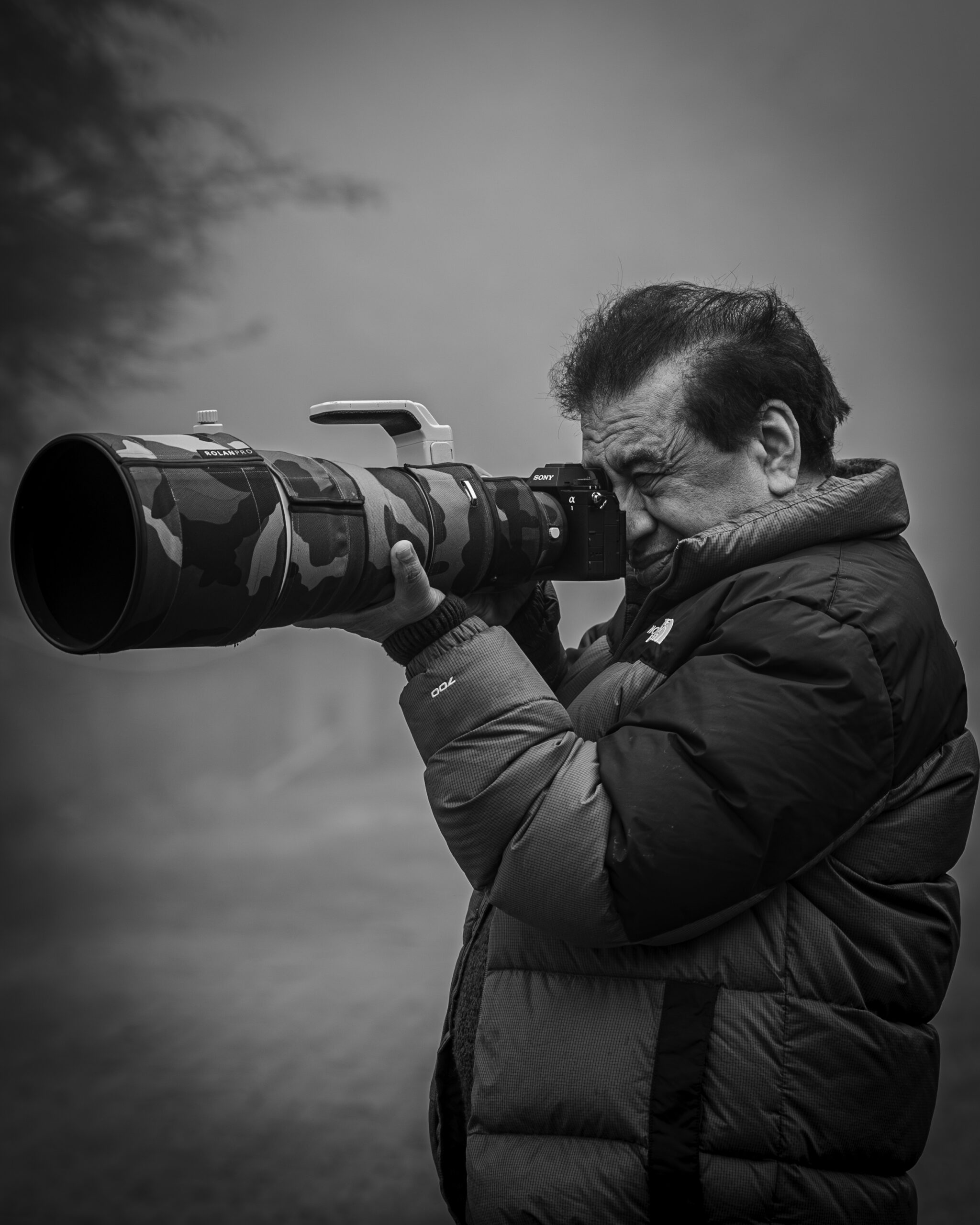
Yogesh Bhatia is a professional Wildlife photographer & mentor in India whose work reflects patience, observation, and a deep respect for nature. His journey in wildlife photography is shaped by countless hours in forests, observing animal behavior and waiting for moments that unfold naturally. Through his lens, wildlife is portrayed not just as subjects, but as living stories within their natural environment. His approach to Wildlife photography India focuses on authenticity rather than staged perfection, resulting in images that feel raw and immersive.