In the pursuit of the perfect shot, it is easy to forget that we are mere guests in the natural world. Ethical Wildlife Photography is not just about technical skill; it is about ensuring that our presence does not disrupt the very subjects we admire. As digital storytelling grows, the pressure to capture “viral” moments often leads to intrusive behavior. True conservation starts behind the lens, where the safety and well-being of the animal always take precedence over a sharp image or a unique angle.
Why Ethics Matter in the Wild?
Wildlife photography serves as a powerful tool for conservation, bringing the beauty of remote ecosystems to a global audience. However, when ethics are sidelined, the consequences can be dire, ranging from abandoned nests to altered predatory behavior. Adopting a professional mindset toward the environment is crucial for anyone venturing into the field.
Rule 1: Prioritize the Animal’s Well-being Over the Shot
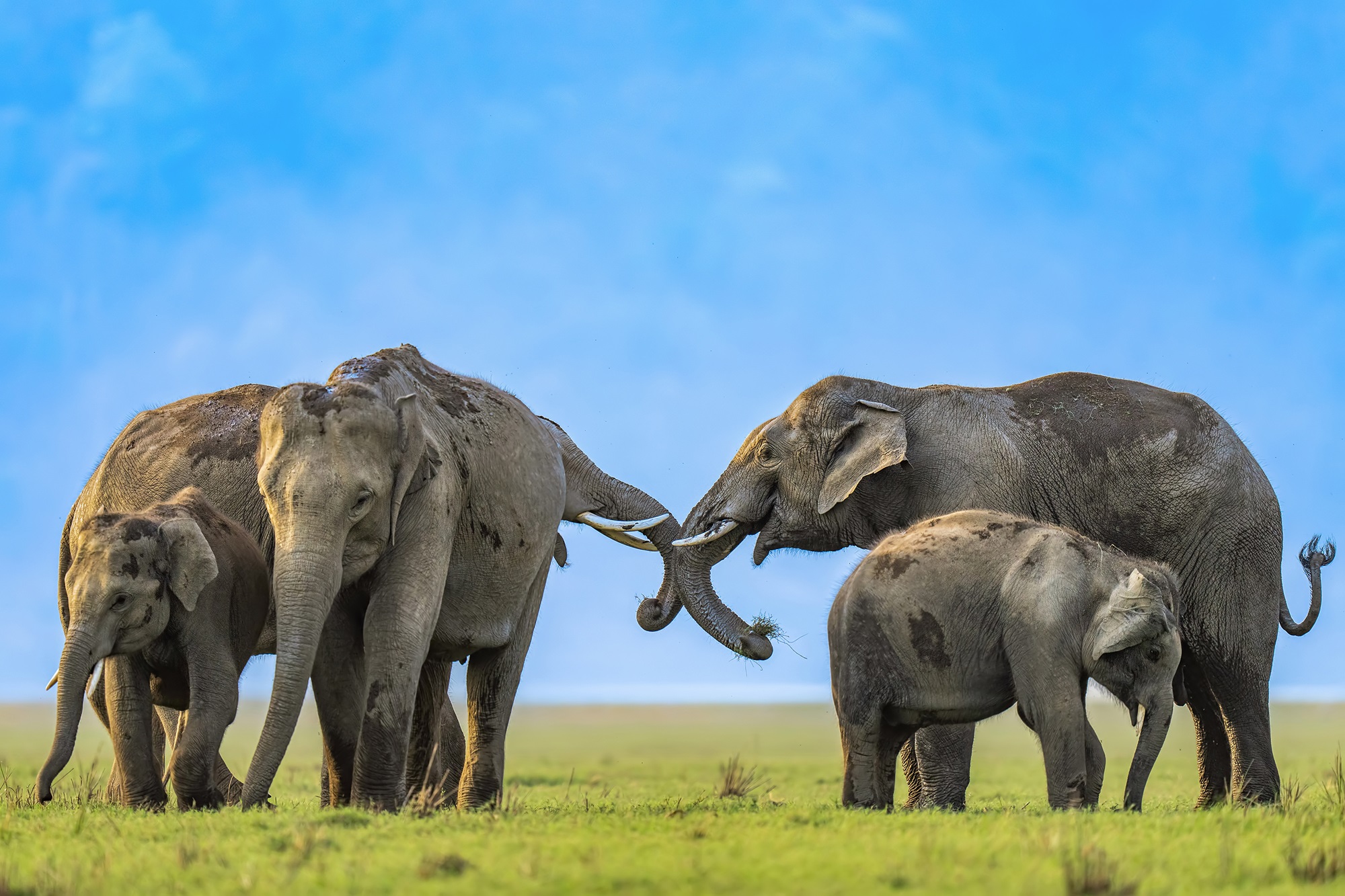
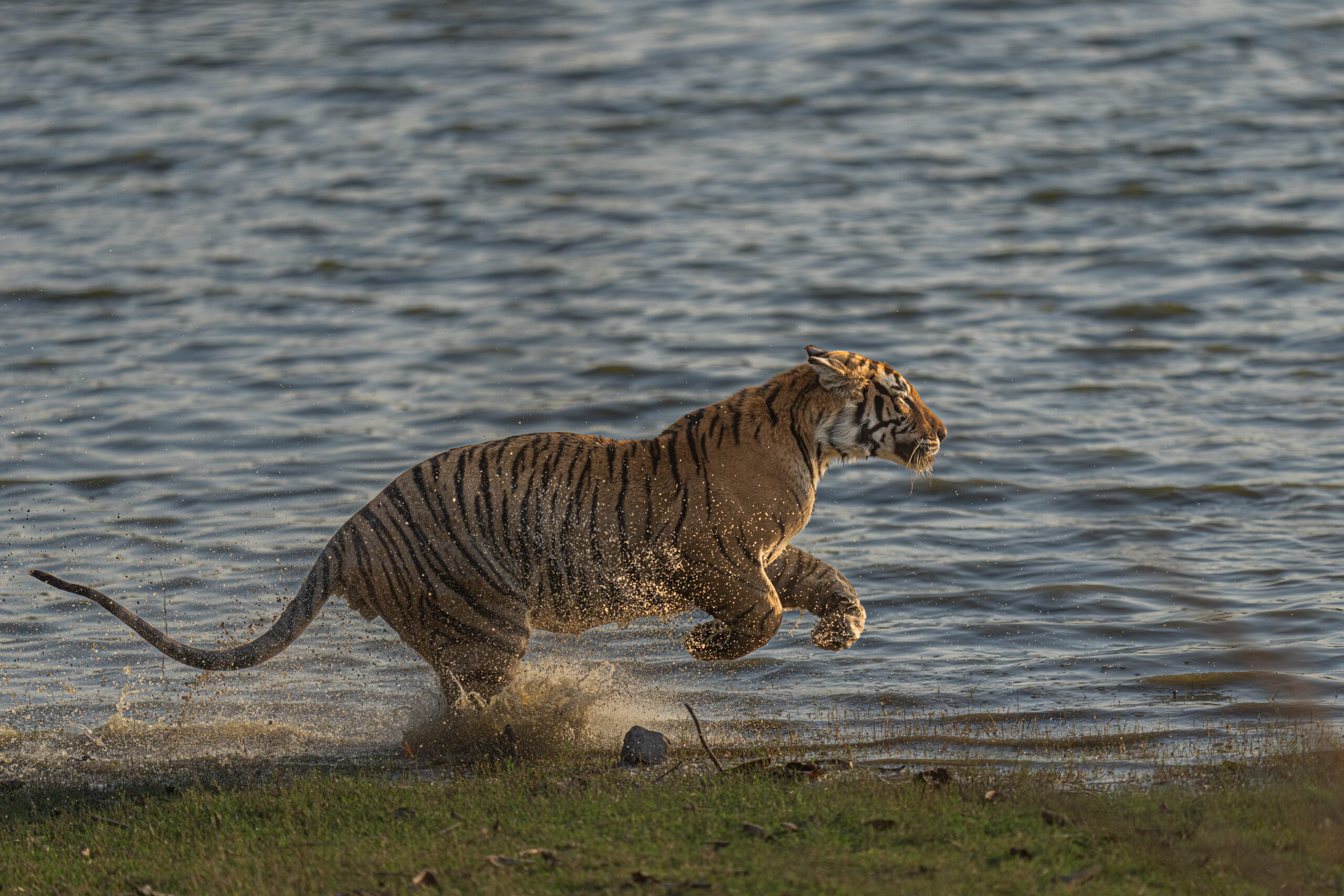
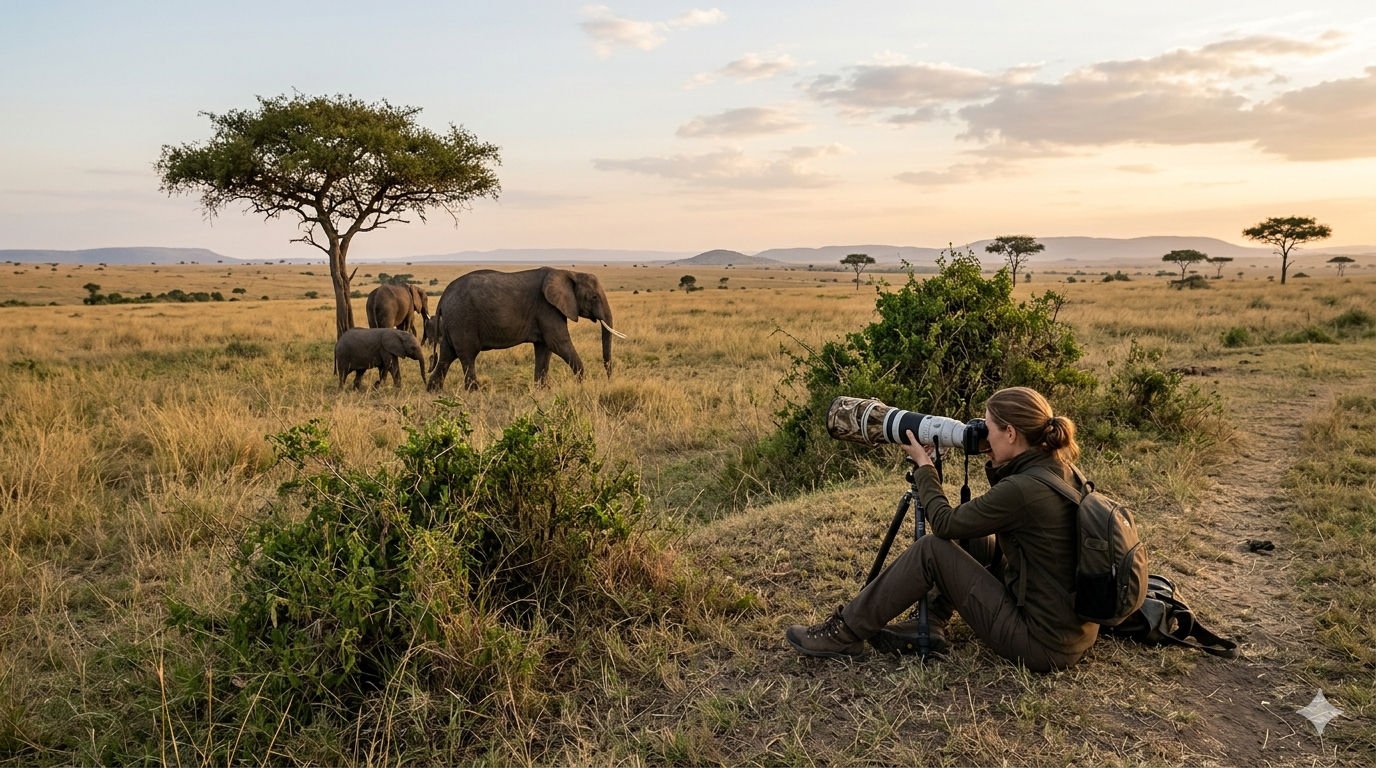
The most fundamental rule of Animal Photography Etiquette is to maintain a respectful distance. If an animal changes its behavior because of your presence, if it stops feeding, starts looking stressed, or moves away, you are too close.
Using long telephoto lenses is the best way to capture intimate moments without encroaching on personal space. This approach ensures that the subject remains relaxed, allowing you to document natural behavior rather than a “threat response.”
Rule 2: Follow All Responsible Safari Rules
Whether you are in a National Park or a private reserve, the regulations are there for a reason. Responsible Safari Rules often include staying within designated tracks, adhering to park timings, and keeping noise levels to a minimum.
Off-roading to get closer to a predator might seem like a shortcut to a great portfolio, but it destroys micro-habitats and creates “crowding” stress for the animals. A disciplined photographer understands that the ecosystem’s health is more important than a single frame.
Rule 3: Never Use Bait or Calls to Lure Subjects
One of the most debated topics in Nature Photography Ethics is the use of playback calls or food to attract birds and mammals. Baiting creates a “food association” with humans, which can lead to animals becoming “problem” individuals that eventually face relocation or culling.
Similarly, bird-call apps can distract nesting birds, leading them to leave their young unprotected. True skill lies in patience and understanding the animal’s natural rhythm, not in manipulating its environment for convenience.
Rule 4: Leave No Trace and Support Conservation
An ethical photographer is also a steward of the land. This means practicing “Leave No Trace” principles, carrying out all trash and avoiding the trampling of sensitive vegetation. Beyond physical impact, consider how your work can contribute to Wildlife Conservation Tips and awareness.
Sharing information about the threats facing a species or donating a portion of your print sales to local NGOs can turn a hobby into a meaningful contribution to the planet’s future.
Rule 5: Be Transparent About Your Methods
Honesty is a hallmark of a professional. If a photo was taken in a controlled environment or a rehabilitation center, it should be disclosed. Misrepresenting a captive animal as “wild” creates unrealistic expectations for others and devalues the hard work of those who spend weeks in the field tracking elusive species in their natural habitats.
Mentorship and Professional Growth
For those looking to transition from amateur to professional, guidance from an experienced Wildlife Photographer & Mentor in India can be invaluable. Learning the nuances of animal behavior and fieldcraft is just as important as mastering aperture and shutter speed.
Learning in the Field
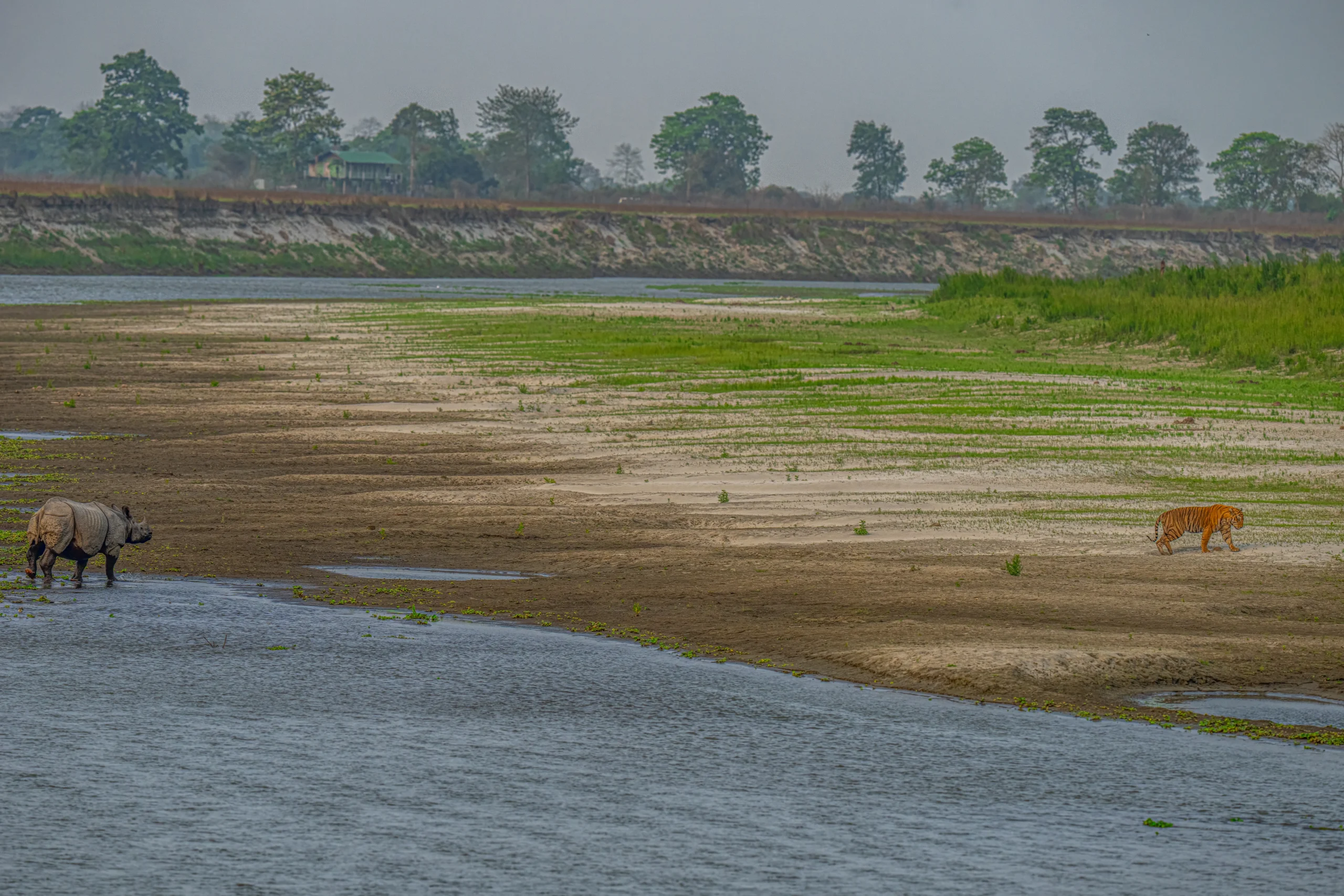
India offers some of the most diverse landscapes for photography, from the marshes of Kaziranga to the leopard-rich hills of Jawai. Engaging with a seasoned Wildlife Photographer in India allows you to learn local context, understanding which species are particularly sensitive during certain seasons and how to navigate the specific challenges of Indian terrain.
The Role of Corporate Engagement
Interestingly, nature photography has found a place in the professional world. Corporate Wildlife Photography Workshops are becoming a popular way for teams to build patience, observation skills, and environmental awareness. These sessions teach participants how to apply the discipline of the wild to the boardroom, emphasizing that success comes from preparation and respect for one’s surroundings.
Conclusion: The Legacy of the Lens
Ethical photography is a long-term commitment. It requires us to check our egos at the park gate and realize that we are documentarians, not directors. By following these rules, we ensure that future generations of photographers, and the wildlife they seek, will continue to thrive.
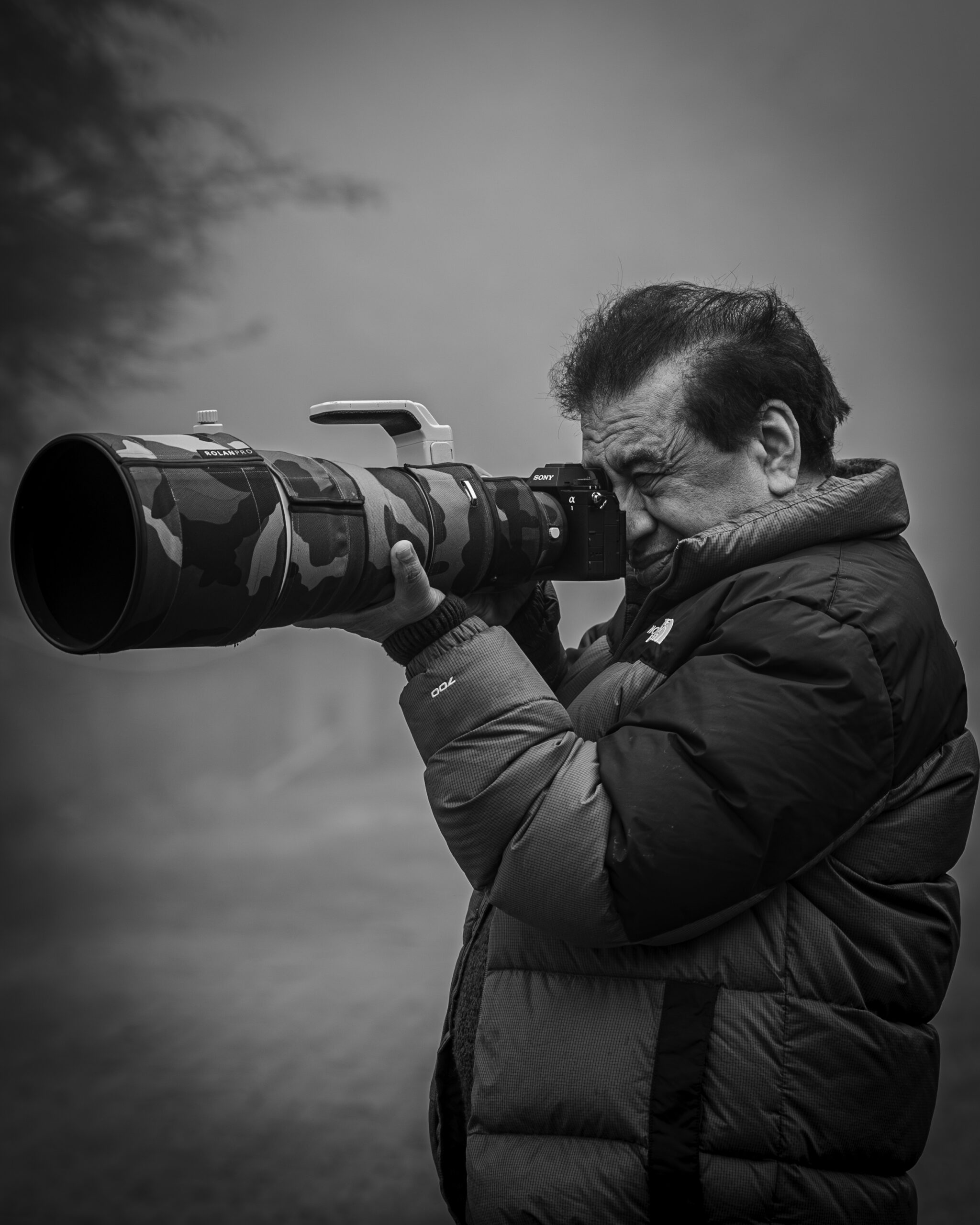
Yogesh Bhatia is a professional Wildlife photographer & mentor in India whose work reflects patience, observation, and a deep respect for nature. His journey in wildlife photography is shaped by countless hours in forests, observing animal behavior and waiting for moments that unfold naturally. Through his lens, wildlife is portrayed not just as subjects, but as living stories within their natural environment. His approach to Wildlife photography India focuses on authenticity rather than staged perfection, resulting in images that feel raw and immersive.