India’s incredible biodiversity, diverse landscapes, and dramatic seasonal changes make it one of the most rewarding destinations for wildlife and nature photography. From lush rainforests and arid deserts to snow-capped mountains and coastal wetlands, the country offers a wide variety of settings for capturing stunning images of animals, birds, and natural beauty.
Ranthambore National Park (Rajasthan)
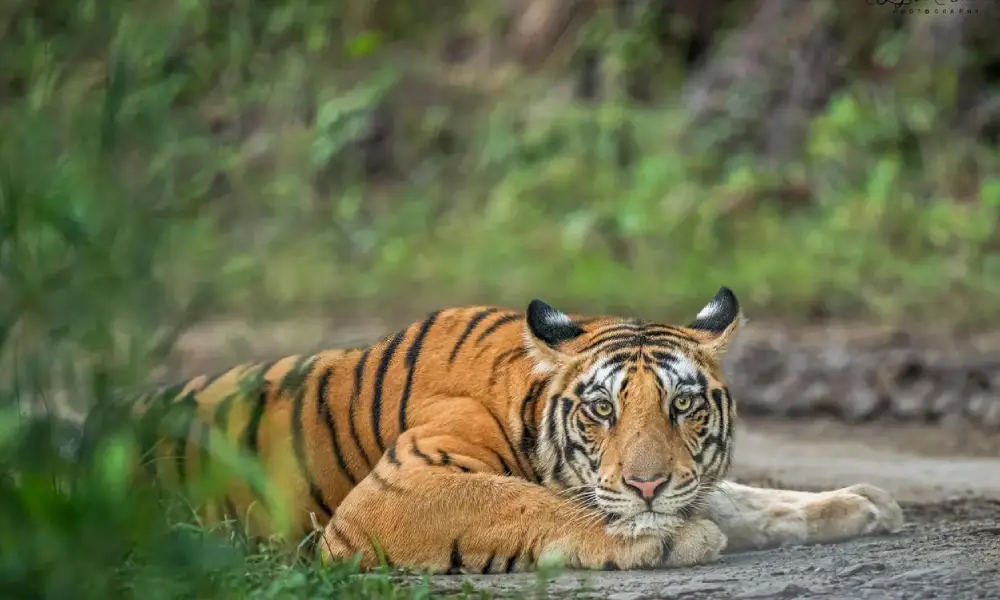
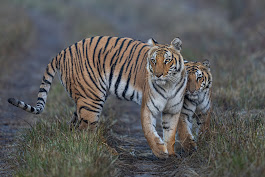
Ranthambore is widely renowned for its royal Bengal tigers. These majestic creatures can be seen chilling during the daytime which is an ideal occasion for budding and experienced photographers due to the exceptionally photogenic sites with prehistoric ruins. Visitors often get mesmerized by its dry deciduous forests, gorgeous lakes, and vast open grasslands. All of these gems make for an ideal and picturesque backdrop for wildlife photography.
Best time to visit: October to June.
Location: Sawai Madhopur district, Rajasthan
Distance: Around 160 km from Jaipur, easily accessible by road and train
Safari: Morning & Afternoon safaris (2.5–3 hours each)
Package: Ranthambore Photography Workshop
Bandhavgarh National Park (Madhya Pradesh)
Bandhavgarh National Park is one of the most popular tiger abodes of India. It is known for offering shelter to the highest density of Bengal Tigers making it one of the most reliable spot for photographing tigers in the wild. This park is widely adored for its remarkable landscape – gorgeous dense sal forests, rocky hills, rolling-meadows, and ancient ruins! To sum it up these make for a perfect backdrop for candid wildlife and landscape photography.
Location:
- Umaria district, Madhya Pradesh
- Well connected via road/rail from Jabalpur (170 km), Katni (100 km), and Khajuraho (250 km)
Best time to visit:
- March to May: Ideal for tiger sightings (dry season)
- October to February: Lush landscapes, pleasant climate, birding
Kanha National Park (Madhya Pradesh)
Apart from the mighty tigers, Kanha National Park is widely renowned for its stunningly diverse landscapes covering Sal and Bamboo forests, vast meadows, ravines, streams, and rolling hills. Kanha National Park is one of the most photogenic and beautiful parks in India. Interestingly, the national park is the original theme of Rudyard Kipling’s The Jungle Book.
Location:
- Location: Mandla and Balaghat districts, Madhya Pradesh
- Closest cities: Jabalpur (165 km), Raipur (250 km)
- Accessibility: Well connected by road, train, and nearby airports
Best Time to Visit:
- March to May: Best for tiger photography (hot, tigers visit waterholes)
- November to February: Lush greenery, misty mornings, great for barasingha and birds
Safari Details:
- Two daily safaris: Morning (sunrise) and Afternoon (3 pm onward)
Four core zones:
- Kanha Zone: Best for tiger and barasingha sightings
- Mukki Zone: Quieter, scenic; good for wild dogs and leopards
- Sarhi & Kisli Zones: Less crowded, good landscapes, wildlife-rich
Package: Kanha Photography Tour
Tadoba Andhari Tiger Reserve (Maharashtra)
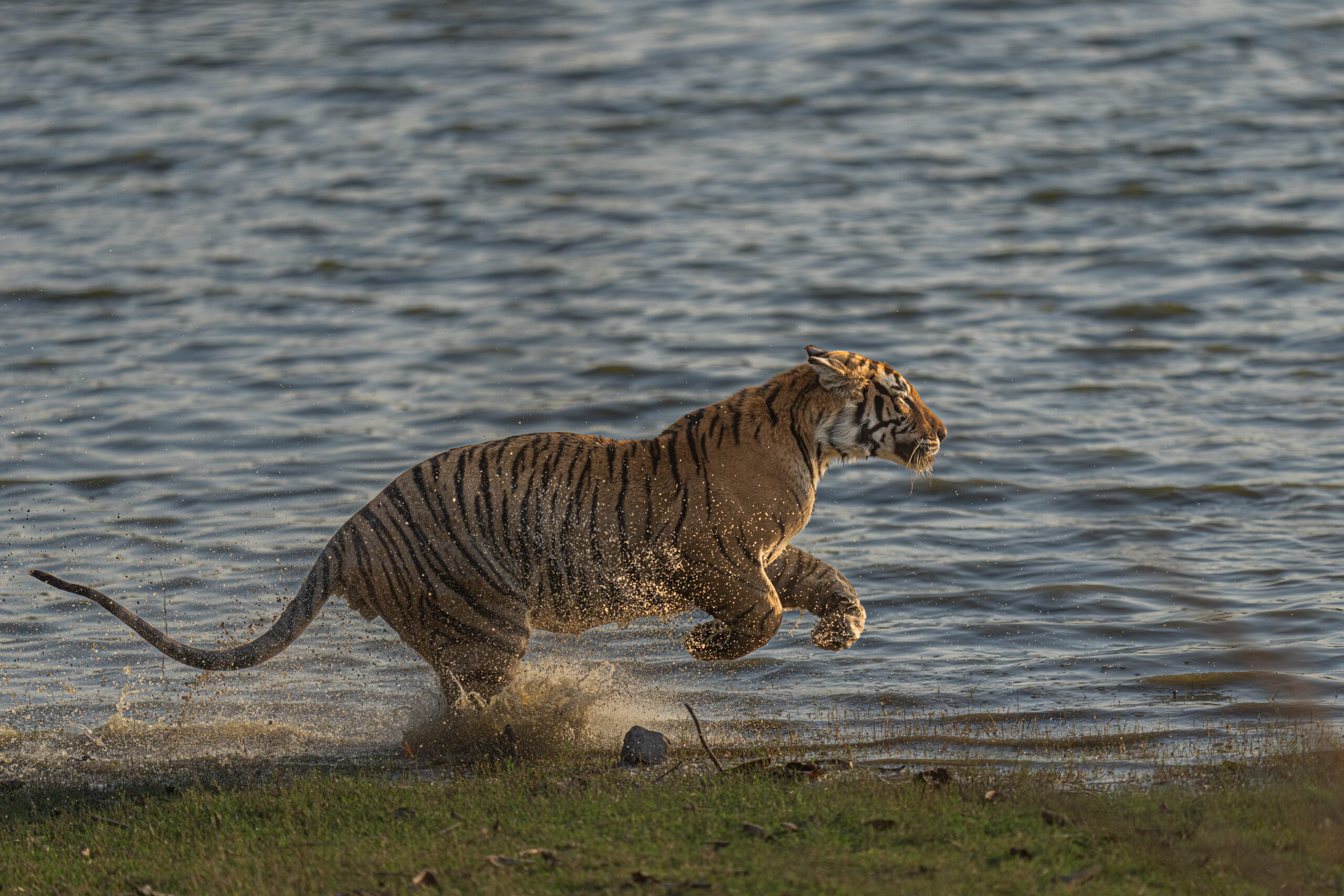
Being the oldest and largest tiger reserve of Maharashtra, Tadoba Andhari Tiger Reserve is known for the coveted frequent, close-range tiger sightings. Additionally, the aspirants can benefit from a landscape of dry deciduous forests, beautiful bamboo groves, vast meadows, and waterholes. The reserve is a hot favorite among aspiring and veteran wildlife photographers, especially for those centering around tiger behavior and action shots.
Location:
- Location: Chandrapur district, Maharashtra
- Closest airport: Nagpur (140 km / ~3 hrs drive)
- Accessibility: Well-connected by road and rail
Best Time to Visit:
- February to early June: Peak tiger photography season
- April–May: Best for waterhole activity and predator-prey interaction
- October to February: Cooler, greener, better light for landscapes and birds
Safari Info:
- Safaris operate twice a day (morning and afternoon)
Popular core zones:
- Moharli Zone: Great tiger visibility, multiple waterholes
- Kolara Zone: Scenic and productive
- Navegaon Zone: Fewer vehicles, good for leopards and birds
Gir National Park (Gujarat)
Tucked away in the western state of Gujarat, Gir is a dry deciduous forest ecosystem spread across mountains, scrub, and teak woodlands. The National Park serves as the last refuge of the endangered Asiatic lion. Budding and experienced photographers can expect some amazing opportunities to capture lions in the wild and glorious diversity of flora and fauna.
Best Time to Visit:
- April–May: Best for sightings, as lions seek shade and water
- December–February: Cooler, better light, more comfortable for longer safaris
Safari Info:
- Safari Timings: Morning & afternoon safaris in open Gypsy vehicles
- Entry Point: Sinh Sadan, Sasan Gir
- Permit Requirement: Online booking is mandatory
Kabini (Nagarhole National Park, Karnataka)
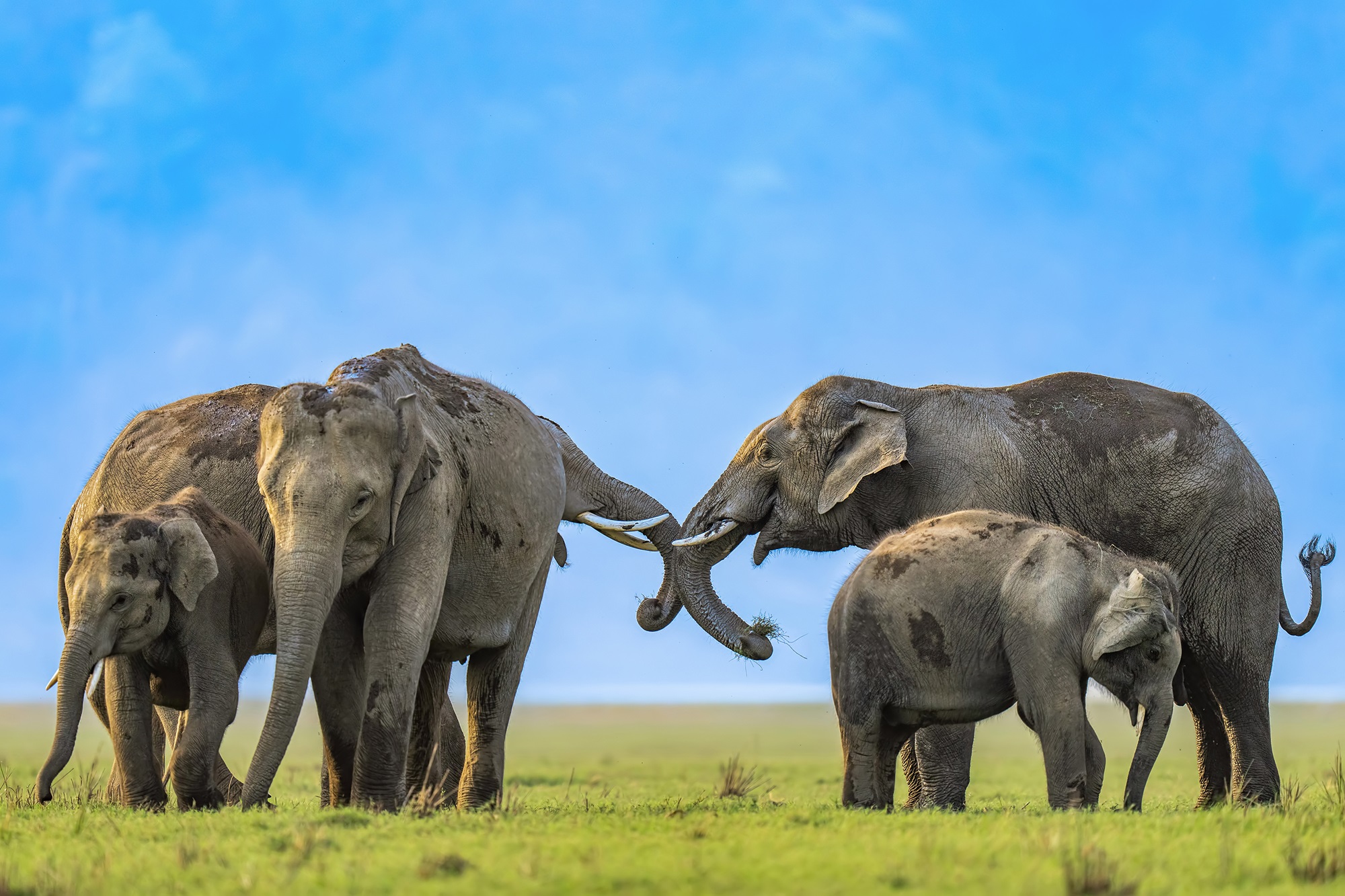
Nestled beautifully alongside the riverbanks in Karnataka, Kabini is a dream destination for wildlife photography enthusiasts. The National Park is known for its mesmerizing amalgam of dense forests, dreamy open meadows, and serene backwaters. Kabini is widely renowned for serving an abode to a massive number of elephants, stealthy leopards, and the mysterious Black Panther. Additionally, the photographers can expect brilliant opportunities to photograph the mighty Bengal tigers in their natural habitat.
Location:
- Location: Along the Kabini River in southern Karnataka
- Protected Area: Part of Nagarhole Tiger Reserve (a Project Tiger sanctuary)
- Accessibility: Nearest city: Mysuru (80 km) | Nearest airport: Bengaluru (220 km)
Best Time to Visit:
- March–May: Dry season; best for tiger, leopard, and black panther sightings
- December–February: Cooler weather, misty forest scenes, excellent for birds and elephants
Safari Info:
- Safaris are conducted in open Gypsies or canter buses
- Two daily safaris: Morning (~6:30 am) and Afternoon (~3:30 pm)
Kaziranga National Park (Assam)
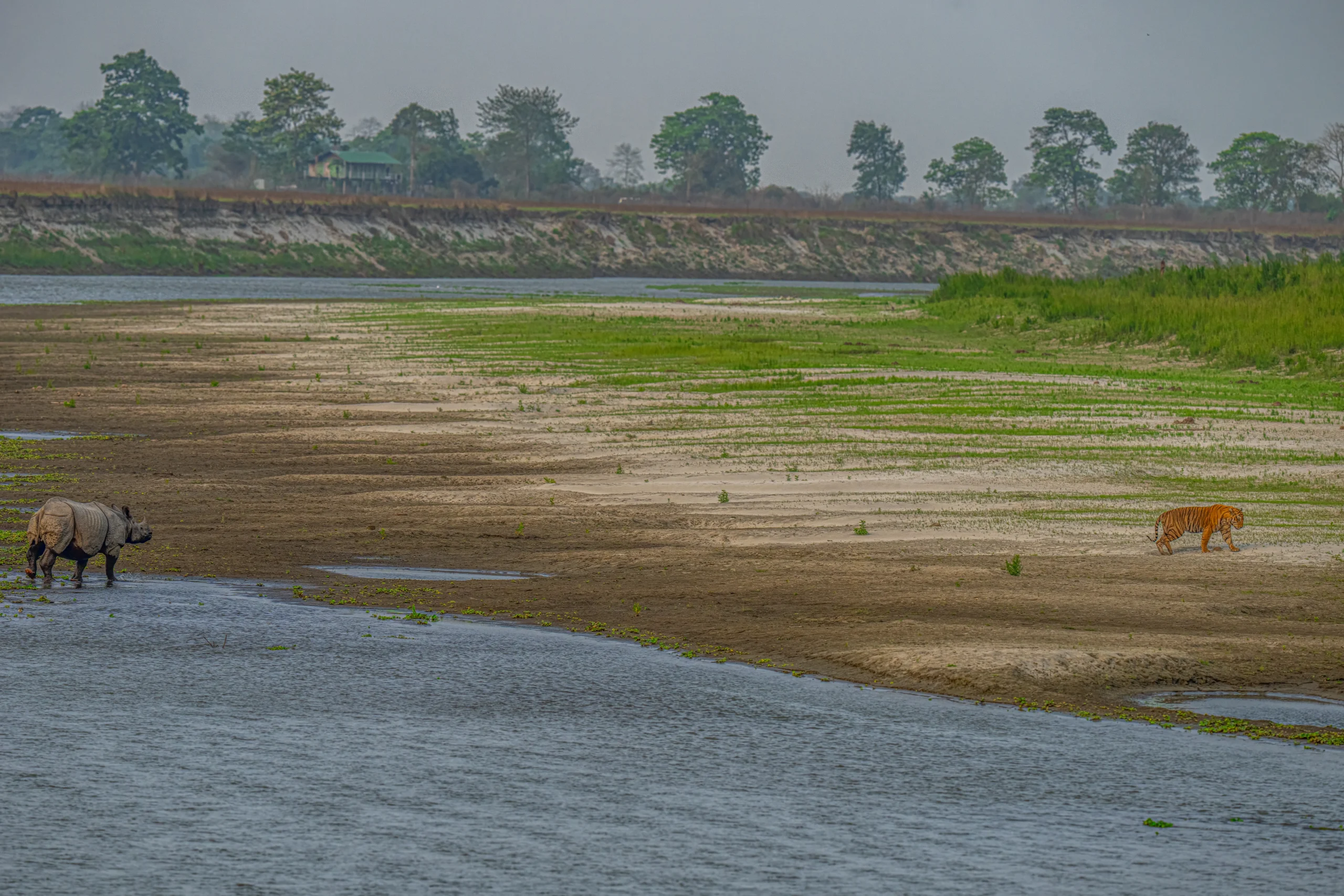
This is a beautiful UNESCO World Heritage Site in Assam widely renowned for its thriving population of the One-Horned Rhinoceros (an endangered species). Strategically set against a mesmerizing backdrop of tall elephant grass, vast marshes, and infamous floodplains of the Brahmaputra River, Kaziranga promises incredibly attractive wildlife photography opportunities. Apart from the majestic rhinos, this sanctuary is also home to a decent population of water buffaloes, wild elephants, swamp deer, Bengal tigers, and over 500 bird species. The diverse range of wildlife species makes it one of the richest biodiversity hotspots of India.
Best Time to Visit:
- November to April: Ideal season for wildlife photography and safaris
- February to April: Dry season, best visibility for rhinos and large mammals
- November to January: Cooler weather, excellent birding opportunities
Location
- State: Assam, Northeast India
- Location: Situated in the Golaghat and Nagaon districts
- Nearest Airport: Jorhat (97 km), Guwahati (225 km)
- Nearest Railway Station: Furkating (75 km) or Guwahati (well-connected)
Safari Information:
- Two daily safaris:
- Morning: ~7:00 AM
- Afternoon: ~2:00 PM
Safari options:
- Jeep Safari: Best for photography; available in all ranges
- Elephant Safari: Early morning rides, ideal for close-up rhino sightings
Package: Kaziranga Wildlife Photo Tour
Periyar Wildlife Sanctuary (Kerala)
The gorgeous sanctuary is located in the Idukki and Pathanamthitta districts of Kerala, Periyar. Also renowned as one of the most picturesque wildlife reserves of Southern India, Periyar is home to lush perennial forests, the famous serene Periyar Lake, and a thriving population of wild elephants. Once in Periyar, you can encounter wildlife including tigers, gaurs, sambar deer, wild boars, Nilgiri langurs, and an astounding 260 bird species! This sanctuary is definitely the ideal spot for wildlife and nature photography.
Location:
- Location: Thekkady, Kerala
- Nearest Airport: Madurai (140 km) or Kochi (165 km)
- Nearest Railway Station: Kottayam (110 km)
Best Time to Visit:
- October to April: Pleasant weather and good wildlife sightings
- March–April: Best for spotting elephants near water bodies
Bharatpur (Keoladeo Ghana National Park, Rajasthan)
Earlier referred to as the famous Bharatpur Bird Sanctuary, Keoladeo Ghana is a UNESCO World Heritage Site. This amazing man-made wetland reserve is adored by migratory birds who visit the place in thousands every winter. No wonder it is widely renowned as one of the best birding and bird photography locations in Asia.
Best Time to Visit:
- November to February: Peak birding season
- December–January: Highest migratory bird population
- March: Good for courtship, nesting of resident birds
Chilika Lake (Odisha)
Chilika is an enormous salty water lagoon connecting to the Bay of Bengal. A Ramsar Wetland Site, this gorgeous lake is a favorite ground for migratory birds during winter in the Indian subcontinent. Chilika along with its adjacent quagmires attract millions of birds each year during winter. The beautiful lagoon also houses the rare Irrawaddy dolphins.
Location:
- Location: Odisha, spanning Puri, Khurda, and Ganjam districts
- Closest Airport: Bhubaneswar (~120 km to Satpada)
Top Photography Zones
- Mangalajodi (North Chilika)
- Nalabana Bird Sanctuary (Central Chilika)
- Satpada (South Chilika)
- Rambha
Little Rann of Kutch (Gujarat)
Not just the typical forest reserve! An integral part of the Rann of Kutch ecosystem, Little Rann of Kutch is a cosmic, flat saline desert and seasonal marshland. Monsoon turns it into wetlands while dry season makes it parched, cracked salt desert, ideal for austere and dramatic photography.
Best Time to Visit:
- November to February: Peak season for migratory birds and comfortable weather
- December–January: Ideal for wild ass, raptors, and flamingos
- March–April: Warmer, but still good for minimal desert visuals
Safari Info:
- Jeep safaris conducted by local eco-lodges; no forest department gypsies
- Typically morning and evening safaris (2.5–3 hours)
- Most safaris are conducted in open 4x4s with experienced naturalists
Also read: India’s Top 6 Tiger Reserves with the Largest Tiger Populations
About the Author

Yogesh Bhatia
Yogesh Bhatia is a renowned nature photographer with over four decades of experience capturing the beauty of natural landscapes and environments across the globe. He also organizes specialized wildlife photography tours to India and Africa, thoughtfully tailored to meet the unique needs of each participant.
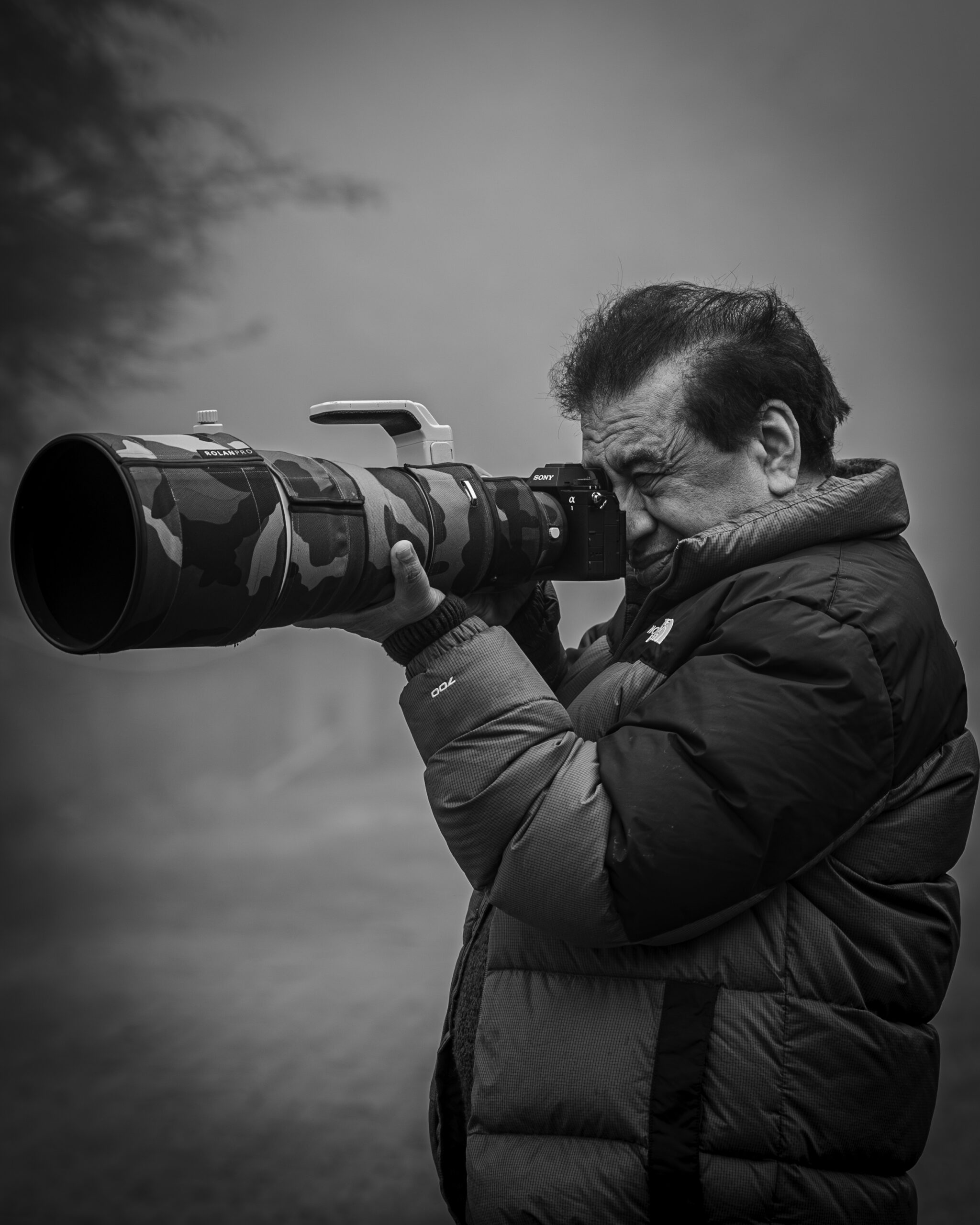
Yogesh Bhatia is a professional Wildlife photographer & mentor in India whose work reflects patience, observation, and a deep respect for nature. His journey in wildlife photography is shaped by countless hours in forests, observing animal behavior and waiting for moments that unfold naturally. Through his lens, wildlife is portrayed not just as subjects, but as living stories within their natural environment. His approach to Wildlife photography India focuses on authenticity rather than staged perfection, resulting in images that feel raw and immersive.