Last updated: May 2026
The biggest tiger reserve in India by area is Nagarjunsagar-Srisailam Tiger Reserve (3,296.31 sq km), while the reserve with the highest tiger density and population is Corbett Tiger Reserve. Size reflects habitat scale, but tiger numbers depend on prey availability, terrain, and conservation success—making Corbett the ultimate hotspot for tiger sightings and photography.
Quick Comparison: Area vs Tiger Density (Must-Know)
| Factor | Largest by Area | Highest Tiger Density |
| Reserve | Nagarjunsagar-Srisailam | Corbett Tiger Reserve |
| Total Area | 3,296.31 sq km | ~1,300 sq km |
| Why Famous | India’s biggest tiger habitat | India’s best tiger sightings |
| Best For | Wilderness & landscape photography | Tiger photography & safari success |
Traveler’s Tip: If the goal is Tiger photography, Corbett wins. If the goal is epic wilderness landscapes, Nagarjunsagar-Srisailam is unmatched.
Top 6 Largest Tiger Reserves in India (2026 Data)
| Rank | Reserve Name | State | Total Area (sq km) | Estimated Tiger Population |
| 1 | Nagarjunsagar-Srisailam | Andhra Pradesh / Telangana | 3,296.31 | 70+ |
| 2 | Manas | Assam | 2,837 | 60+ |
| 3 | Similipal | Odisha | 2,750 | 30+ |
| 4 | Melghat | Maharashtra | 2,768 | 60+ |
| 5 | Amrabad | Telangana | 2,611 | 40+ |
| 6 | Sundarbans | West Bengal | 2,585 | 100+ |
India’s Largest Tiger Reserves by Area (2026)
| Rank | Tiger Reserve | State | Area (km²) | Tigers (2022 Census) | Best for Photography |
| 1 | Nagarjunasagar-Srisailam | Telangana/AP | 3,728 km² | ~100 | Landscape, occasional big cats |
| 2 | Manas | Assam | 2,837 km² | ~60+ | Rhino, elephant, rare birds |
| 3 | Simlipal | Odisha | 2,750 km² | ~47 | Dense forest, diverse wildlife |
| 4 | Jim Corbett | Uttarakhand | 1,318 km² | ~260 (highest density) | Tigers, elephants, birds — best for photography |
| 5 | Nagarhole | Karnataka | 643 km² | ~141 | Leopard, elephant, tiger |
| 6 | Bandhavgarh | MP | 716 km² | ~135 | Highest tiger sighting success rate |
Key insight: Largest by area does not mean best for tiger photography. Jim Corbett and Bandhavgarh consistently deliver better sighting rates due to open terrain and high tiger density per km². To plan a photography trip to Corbett, see our complete Jim Corbett photo tour details.
Top 3 Tiger Reserves by Tiger Population in India (2026)
If tiger photography is your primary goal, total area matters less than tiger count and sighting probability. Here are the top 3 reserves by confirmed tiger population:
- Jim Corbett National Park — approximately 260 tigers. Highest density in any reserve. Dhikala zone is the most productive for tiger sightings. Book a Jim Corbett photo tour here.
- Bandipur Tiger Reserve — approximately 150 tigers. Open terrain, excellent for both tiger and elephant photography.
- Nagarhole Tiger Reserve — approximately 141 tigers. Contiguous with Bandipur, offers excellent combined safari circuits.
For a comparison of the two most popular destinations for photographers, read our detailed guide: Jim Corbett vs Ranthambore — 5-Day Wildlife Photography Trip Under Rs.50,000.
Which Tiger Reserve Has the Highest Tiger Density in India?
Tiger density (tigers per 100 km²) is a more accurate predictor of sighting success than total area or total tiger count. Here is how major reserves compare:
| Reserve | Area (km²) | Estimated Tigers | Density (per 100 km²) |
| Orang (Mini Corbett) | 79 km² | ~28 | ~35 per 100 km² — highest in India |
| Jim Corbett | 1,318 km² | ~260 | ~20 per 100 km² |
| Bandhavgarh | 716 km² | ~135 | ~19 per 100 km² |
| Nagarhole | 643 km² | ~141 | ~22 per 100 km² |
Orang Tiger Reserve in Assam has the highest tiger density in India — a lesser-known destination worth considering for a unique, uncrowded experience. For the most productive photography trip, Corbett and Bandhavgarh offer the best combination of accessibility, tiger density, and diverse subjects.
Best Time to Visit Each Tiger Reserve for Wildlife Photography
| Reserve | Peak Photography Season | Avoid |
| Jim Corbett | November – June (Dhikala re-opens Oct 15) | July – Oct 15 (Dhikala closed) |
| Ranthambore | October – March | July – September (monsoon, park closed) |
| Bandhavgarh | November – April | Monsoon (July–Sept) |
| Kaziranga | November – April (rhino calving season) | Monsoon (park closed June–Oct) |
| Nagarhole | October – May | June–Sept (monsoon) |
Planning a multi-reserve photography trip? Explore our guided wildlife photography safari tours across India — covering Corbett, Kaziranga, Bandhavgarh, Panna, and more.
Detailed Breakdown of the Largest Tiger Reserves
1) Nagarjunsagar-Srisailam Tiger Reserve
Landscape
- Deep gorges, dry deciduous forest, Krishna River valleys
- One of India’s wildest and least explored tiger habitats
Why It’s a Wildlife Photography India Hotspot
- Vast landscapes perfect for wide-angle wilderness shots
- Rare chance to capture untouched tiger habitat
Photography Pro-Tip (Big Cat Photography Tips)
- Use long lenses (400–600mm) for distant sightings
- Shoot early morning mist over valleys for dramatic frames
2) Manas Tiger Reserve
Landscape
- Himalayan foothills + grasslands + river systems
- UNESCO World Heritage Site
Why Photographers Love It
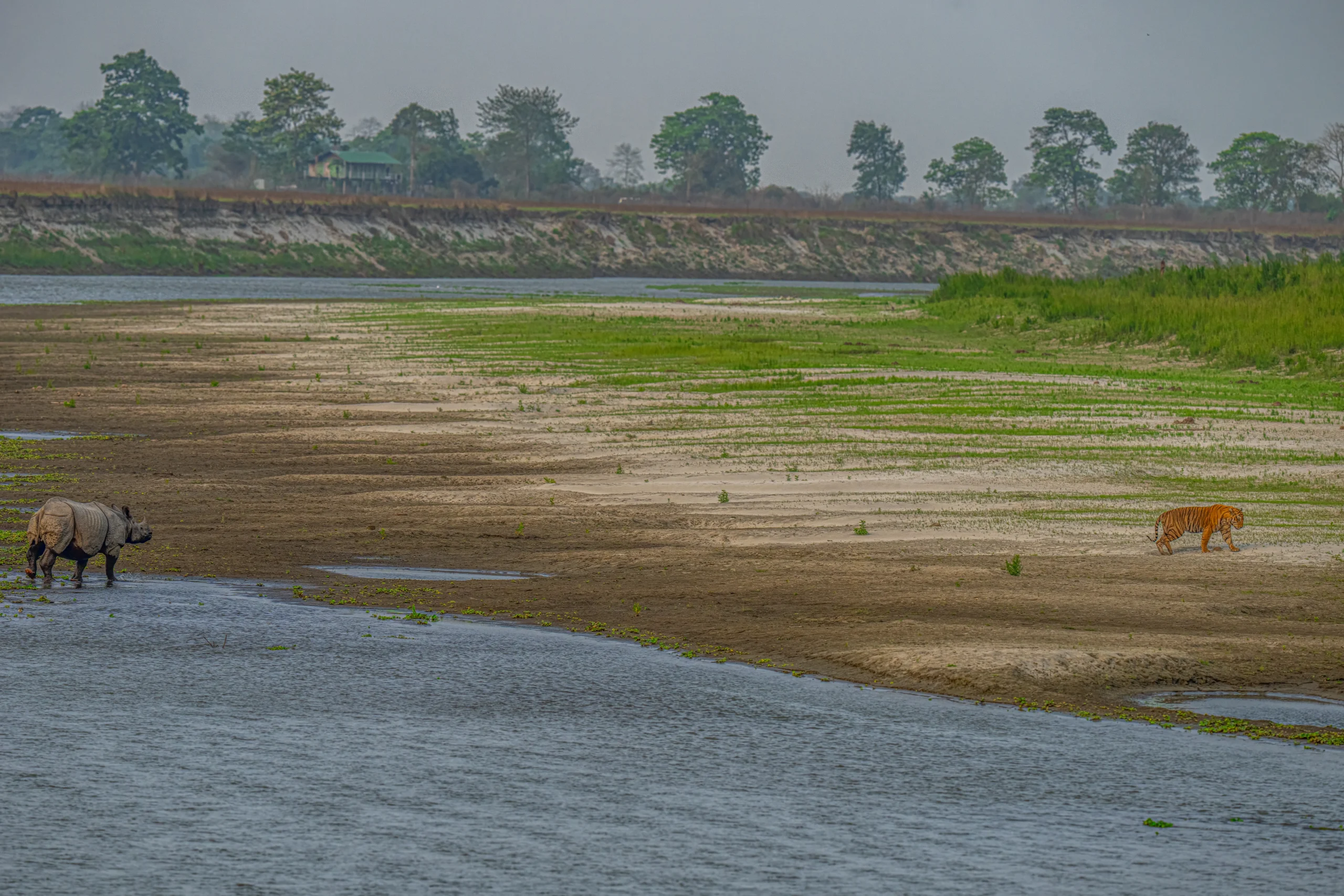
- Tigers, elephants, rhinos, and golden langurs in one frame
- Dramatic river landscapes for storytelling shots
Photography Pro-Tip
- Use burst mode for animal movement near riverbanks.
3) Similipal Tiger Reserve
Landscape
- Dense sal forests, waterfalls, meadows
Photography Appeal
- Misty forest backdrops ideal for moody tiger photography
Photography Pro-Tip
- Slight underexposure (-0.3 to -0.7 EV) helps preserve highlights in forest light.
4) Melghat Tiger Reserve
Landscape
- Satpura mountain ranges and teak forests
Photography Appeal
- Raw jungle scenes perfect for storytelling compositions
Photography Pro-Tip
- Shoot at golden hour for warm forest tones.
5) Amrabad Tiger Reserve
Landscape
- Rugged terrain and deep valleys
Photography Appeal
- One of India’s least crowded tiger reserves
Photography Pro-Tip
- Use fast shutter speed (1/1600+) for sudden tiger movement.
6) Sundarbans Tiger Reserve
Landscape
- Mangrove forests and tidal waterways
Photography Appeal
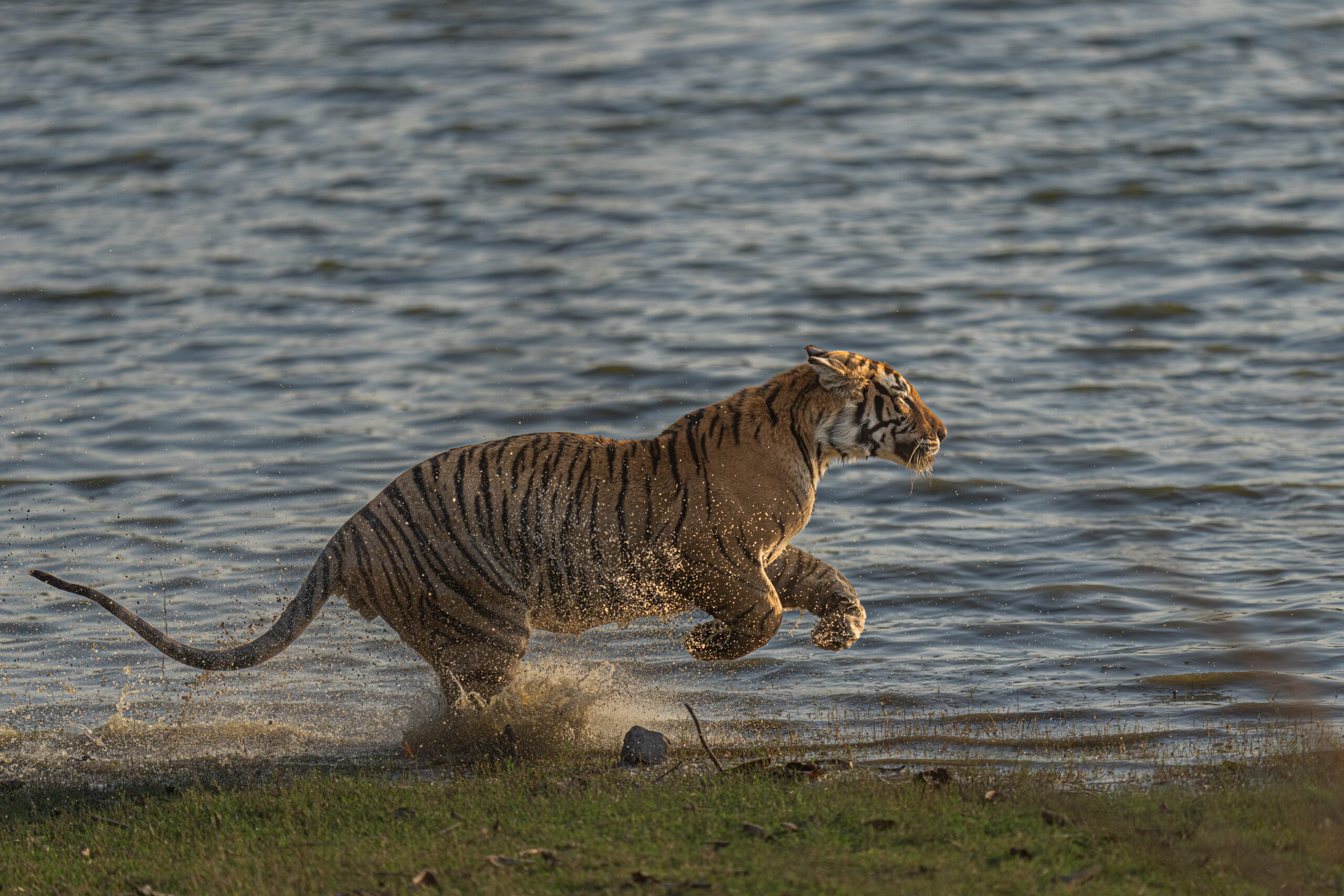
- Unique swimming tiger habitat
- Dramatic boat safari photography
Photography Pro-Tip
- Use higher ISO for cloudy mangrove light conditions.
Area vs Population Debate: Why Bigger Doesn’t Mean More Tigers
Large reserves provide habitat, but tiger density depends on:
- Prey availability (deer, wild boar)
- Water sources
- Terrain accessibility
- Anti-poaching success
- Human disturbance levels
Example:
- Nagarjunsagar-Srisailam = huge area but rugged terrain → lower density
- Corbett = smaller but rich prey + river ecosystem → highest tiger density
My Recommendation:
Photographers chasing tiger sightings should prioritize high-density reserves over size.
Essential Safari Photography Settings (Bonus Guide)
Camera Setup for Tiger Photography
Lens: 100-400mm or 150-600mm
Mode: Aperture Priority (A/Av)
Ideal Safari Photography Settings
- Aperture: f/5.6 – f/6.3
- Shutter Speed: 1/1000 – 1/2000
- ISO: Auto (limit 3200)
- Focus Mode: Continuous AF (AI-Servo / AF-C)
- Drive Mode: High Burst
Traveler’s Tip:
Keep camera ON during safari. Tigers appear and vanish within seconds.
Final Thought:
India’s tiger reserves are not just wildlife destinations—they are photography dreamscapes. Choose size for wilderness. Choose density for sightings. Ideally, experience both.
FAQ:
Q: Which is the 1st largest tiger reserve in India by area?
Nagarjunasagar-Srisailam Tiger Reserve in Telangana/Andhra Pradesh is the largest tiger reserve in India by total area, covering approximately 3,728 km². However, it is not the best destination for tiger photography — Jim Corbett and Bandhavgarh offer far higher sighting probability.
Q: Which tiger reserve has the highest tiger density in India?
Orang Tiger Reserve in Assam has the highest tiger density — approximately 35 tigers per 100 km². Among the more well-known reserves, Jim Corbett has approximately 20 tigers per 100 km², making it the most productive for photography.
Q: How many tiger reserves does India have in 2026?
India has 53 tiger reserves as of 2024–25, spread across 18 states. India is home to approximately 75% of the world’s wild tiger population.
Q: Which is the best tiger reserve for photography in India?
Jim Corbett, Bandhavgarh, and Ranthambore consistently deliver the best photography results due to open terrain, high tiger density, and excellent light conditions. For rhino photography, Kaziranga in Assam is unmatched. See our complete list of guided photo tours by park.
Q: Sabse bada tiger reserve kaun sa hai?
Area ke hisab se sabse bada tiger reserve Nagarjunasagar-Srisailam hai (3,728 km²). Lekin tiger photography ke liye Jim Corbett, Bandhavgarh, aur Ranthambore behtar options hain — wahan tiger density zyada hai aur terrain open hai, jisse sightings aur photography dono easy hoti hai.
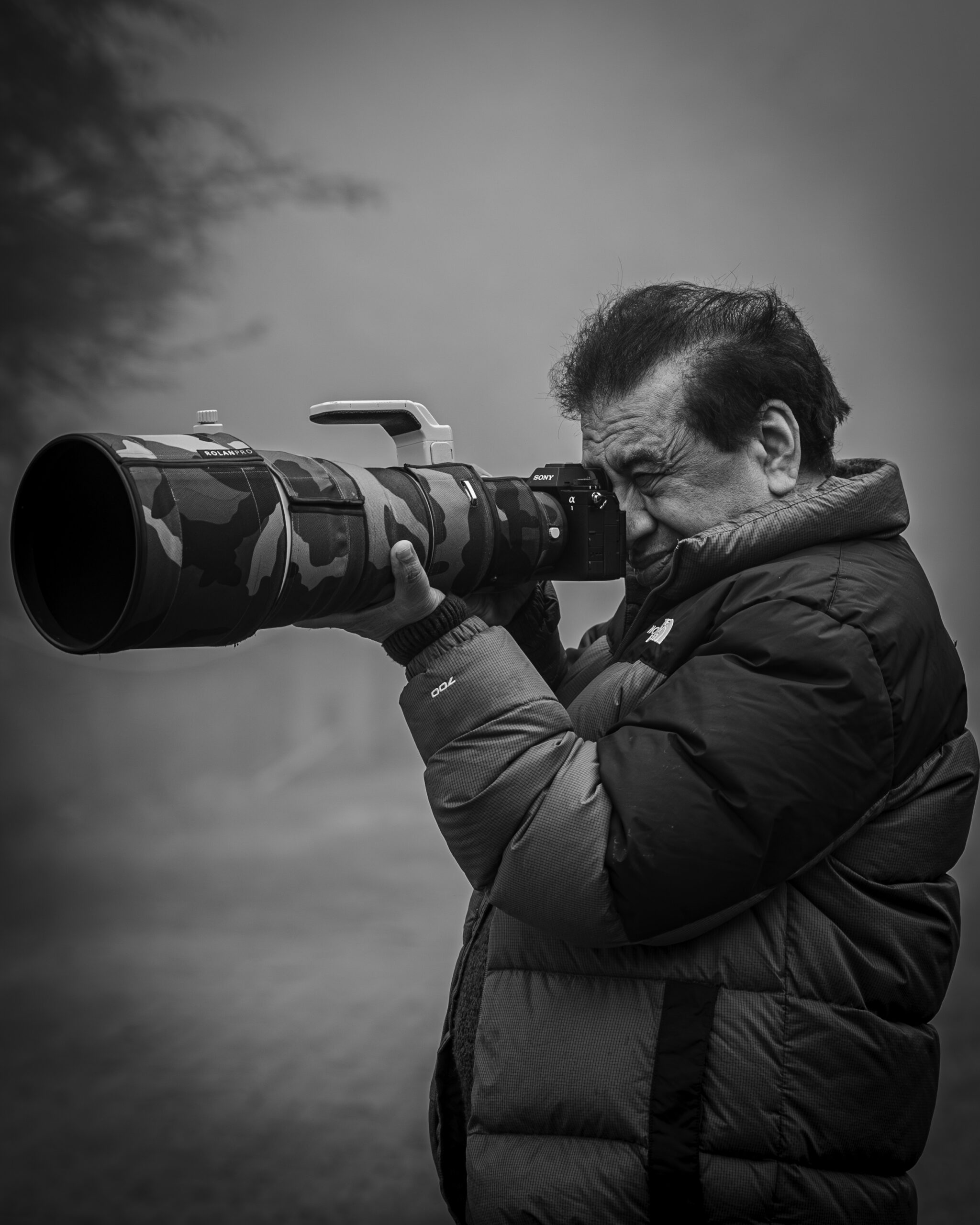
Yogesh Bhatia is a professional Wildlife photographer & mentor in India whose work reflects patience, observation, and a deep respect for nature. His journey in wildlife photography is shaped by countless hours in forests, observing animal behavior and waiting for moments that unfold naturally. Through his lens, wildlife is portrayed not just as subjects, but as living stories within their natural environment. His approach to Wildlife photography India focuses on authenticity rather than staged perfection, resulting in images that feel raw and immersive.