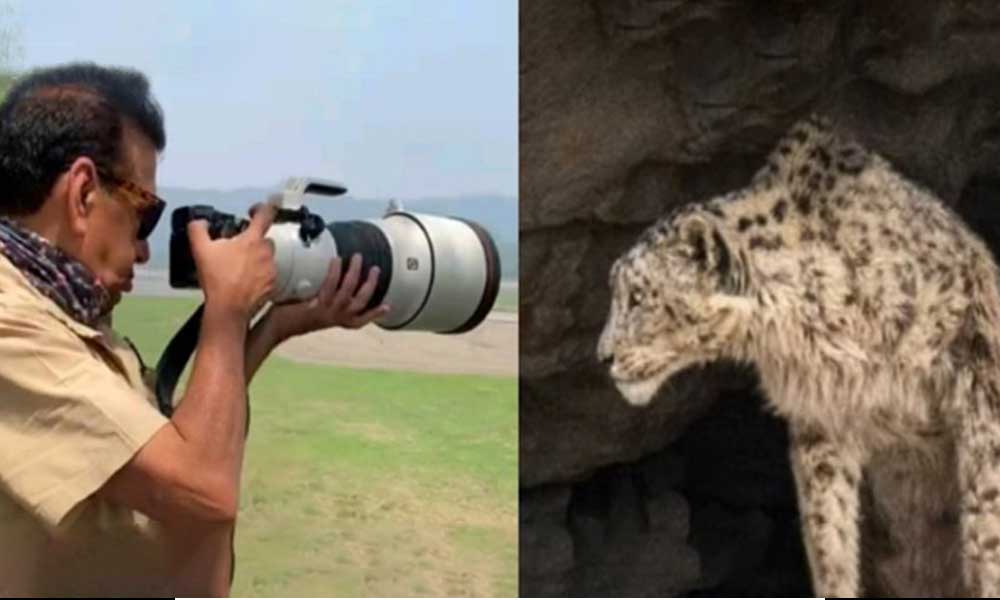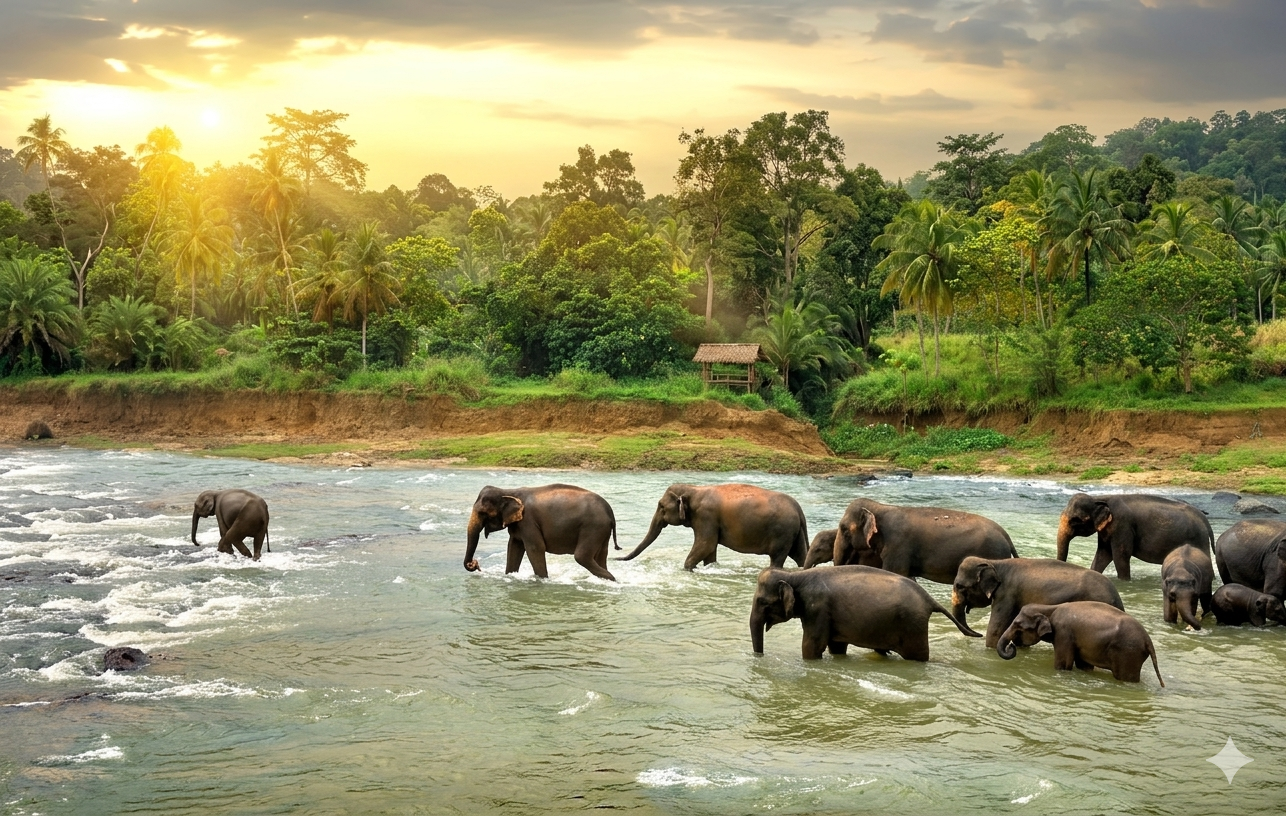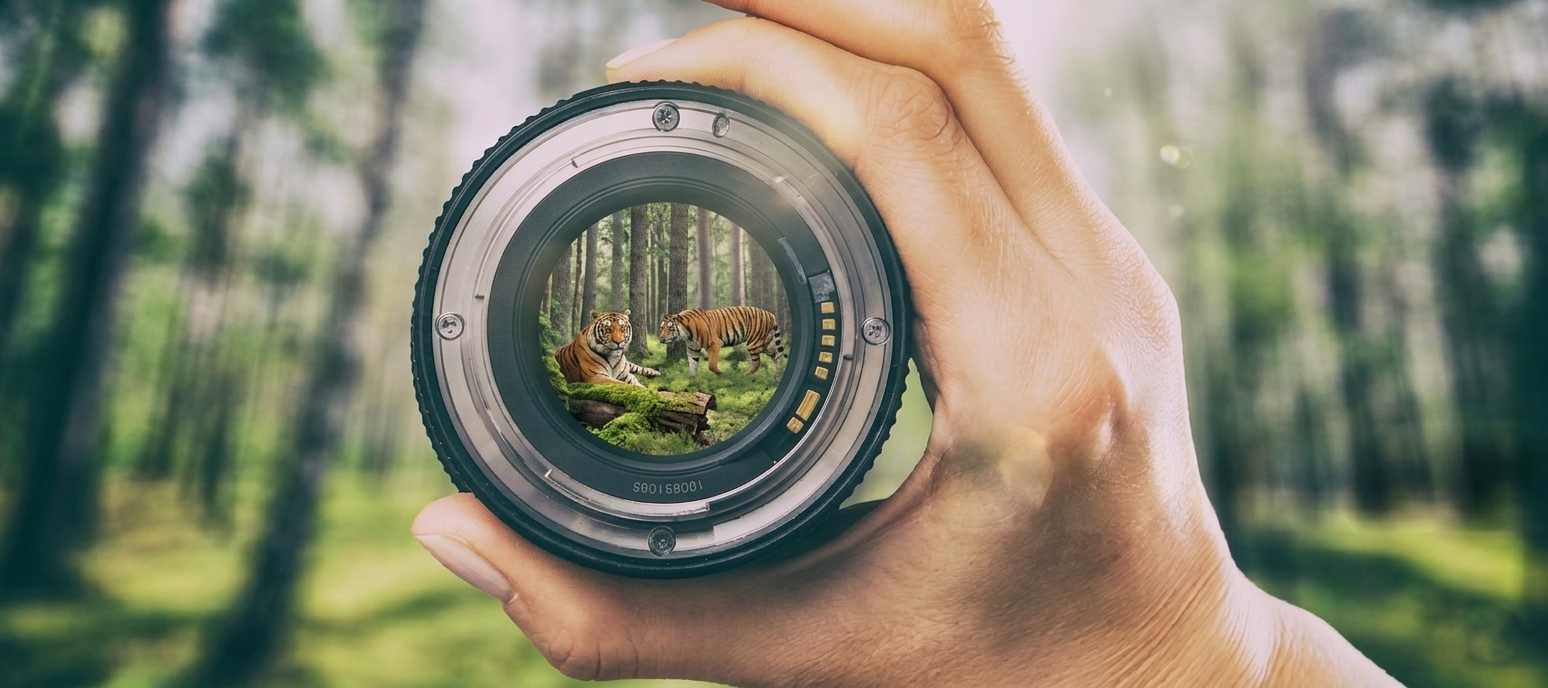
For a wildlife photographer, a camera isn’t just equipment — it’s instinct, reaction, and timing combined. Every click counts when a lion roars, an elephant charges through dust, or light breaks across a tiger’s face.
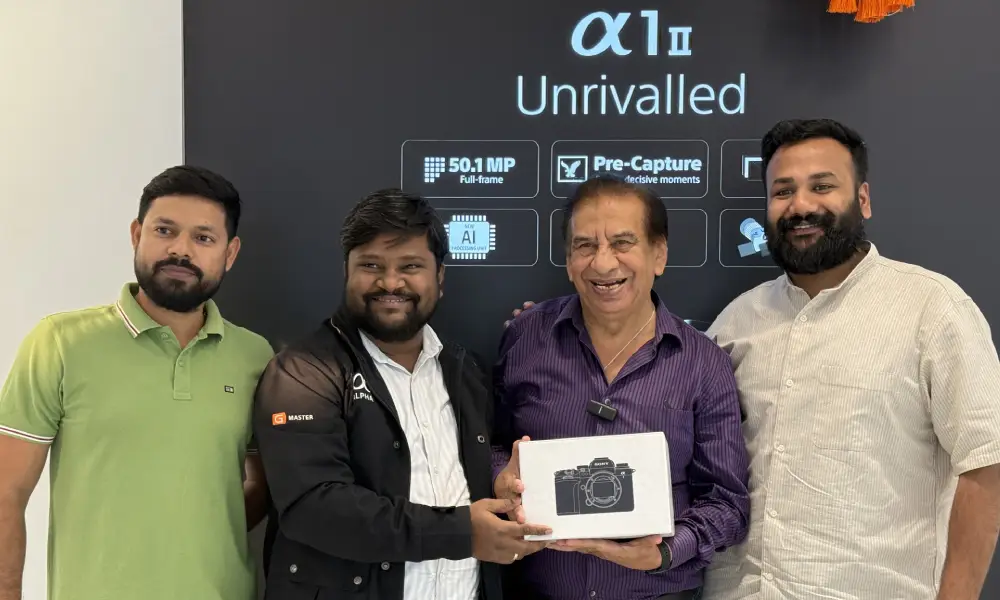
After thousands of frames and years of fieldwork with the Sony Alpha 1, I made the switch to the Sony Alpha 1 Mark II.
Not because I was unhappy — in fact, I’m completely satisfied with my Sony Alpha 1 — but because the Mark II fine-tunes almost everything I already loved, making it an even more dependable companion in the wild.
1. The Same Legendary Speed, Now with a Deeper Engine
Both cameras shoot an incredible 30 fps, but the Mark II brings smoother handling of that speed. Its new processor and larger buffer mean I can capture long action sequences without the camera slowing down or the buffer filling too soon.
When a lion suddenly sprints or an elephant flaps its ears in warning, that continuous fluidity ensures I never miss the decisive instant.
2. Pre-Capture — The Feature I Didn’t Know I Needed
The new Pre-Capture mode has become one of my favorite additions. It quietly records a few seconds of images before I press the shutter — giving me the moment before the moment.
Whether it’s the instant a lion cub looks up at its mother or the start of an elephant’s trunk swing, Pre-Capture ensures those fleeting gestures are no longer lost to reaction delay. For wildlife, that’s priceless.
3. Smarter Autofocus That Thinks Like You Do
The AI-based autofocus system is another major reason for the upgrade. The Mark II identifies and tracks animals with remarkable intelligence — locking on to eyes, heads, or bodies even when they’re partially hidden by grass or in harsh backlight.
This means more keepers and less time worrying about technical focus, letting me stay in the moment and compose intuitively.
4. A Stronger, Smarter Camera Body
Sony refined the camera body beautifully in the Mark II. It feels sturdier, the grip is deeper, and buttons fall more naturally under the fingers. The weather sealing has also been strengthened — essential when dust, heat, and humidity are part of daily life in the field.
After long hours shooting from jeeps or on foot, these small design upgrades make a huge difference in comfort and confidence.
5. Refined Image Quality and Workflow Speed
The dynamic range and color depth remain outstanding — 15+ stops of flexibility that preserve detail from bright skies to shaded forests. The colors feel richer and truer, especially on lion manes, elephant skin, and golden light tones.
The dual CFexpress Type A slots and faster FTP/wireless transfers mean editing and sending files from camp happens in minutes, not hours — a blessing during workshops or editorial deadlines.
6. Video That Complements Still Photography
While stills remain my core passion, the Mark II’s 8K 60p video capability allows me to capture behavior sequences fluidly, without changing systems. The footage looks cinematic, rolling shutter is better controlled, and switching between still and motion feels seamless — perfect for visual storytelling in today’s hybrid world.
7. Reliability That Inspires Trust
From Ranthambore’s dry heat to Amboseli’s red dust, conditions test both patience and equipment. The Mark II’s improved heat dissipation and sealing mean consistent performance throughout long, demanding shoots. That kind of reliability brings peace of mind — I can focus entirely on the frame.
Final Thoughts: Evolution, Not Replacement
The Sony Alpha 1 remains one of the finest cameras ever made, and I’m still completely satisfied with it. It has captured countless unforgettable moments for me and continues to do so flawlessly.
But the Sony Alpha 1 Mark II is a thoughtful evolution — faster in response, smarter in focus, sturdier in build, and more intuitive overall. For wildlife photographers chasing split-second emotion — from the power of a lion to the grace of an elephant — those refinements make all the difference.
It’s not about replacing perfection. It’s about refining it for the next frontier.
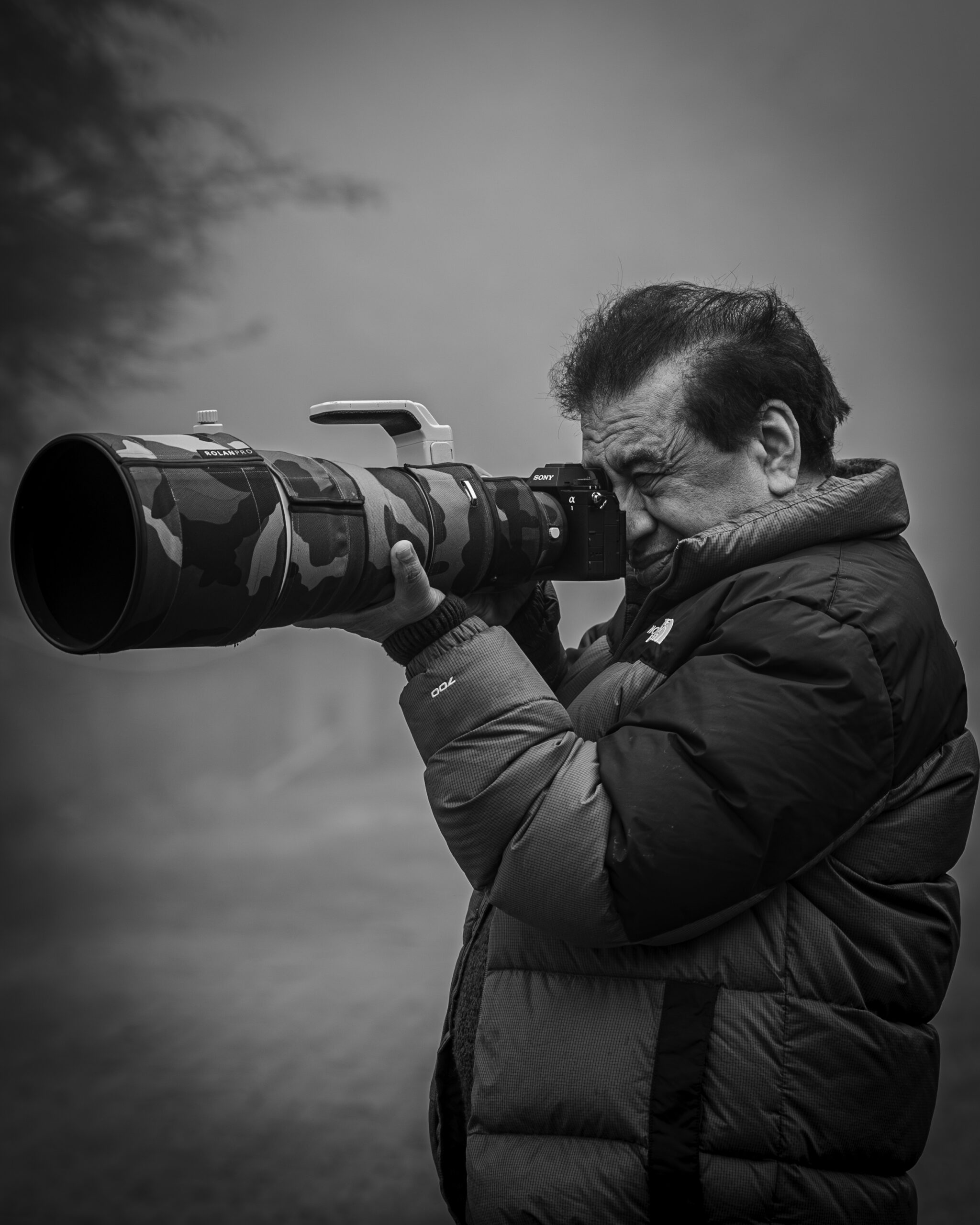
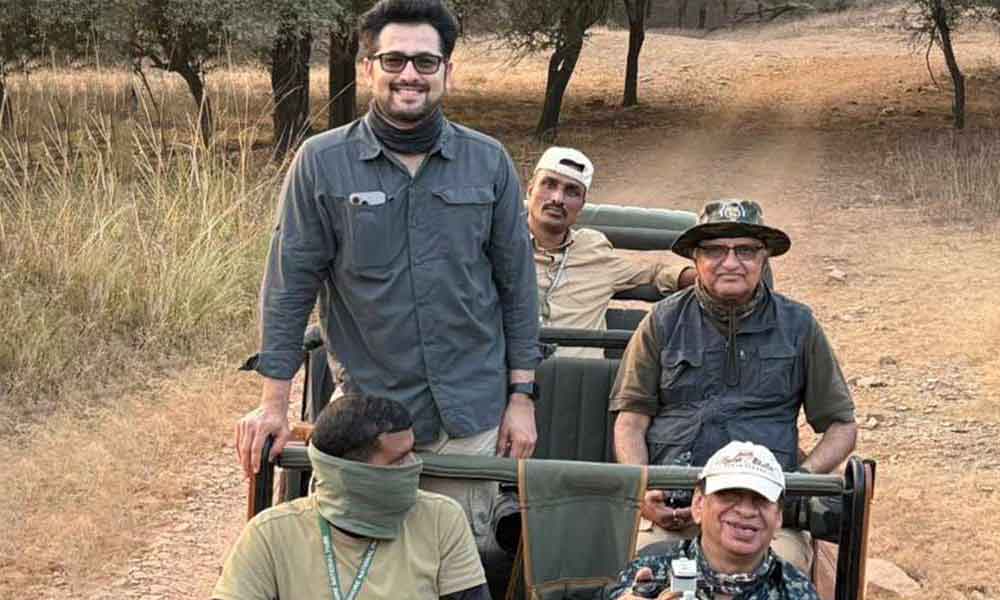
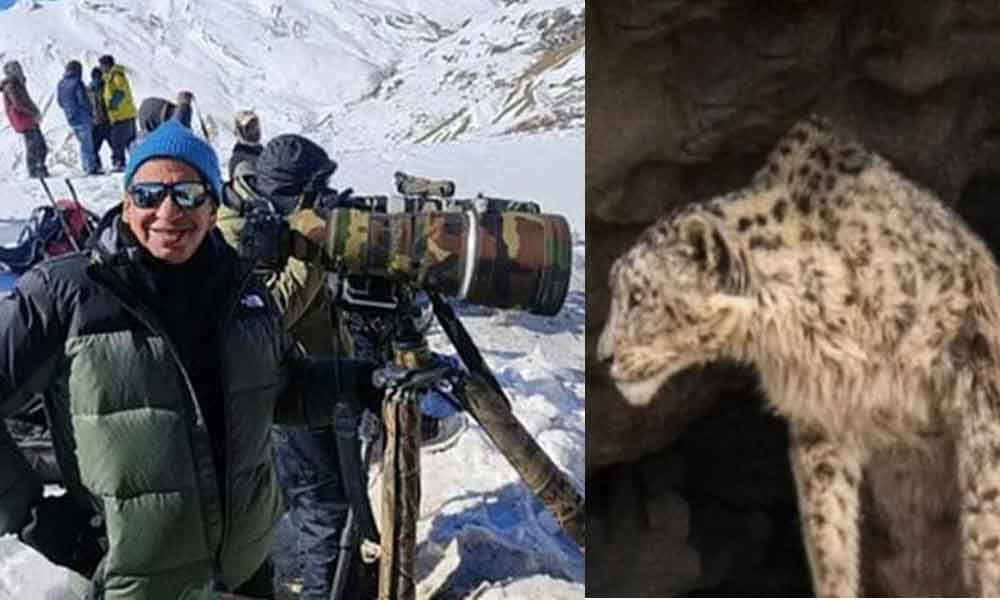
Yogesh Bhatia is a professional Wildlife photographer & mentor in India whose work reflects patience, observation, and a deep respect for nature. His journey in wildlife photography is shaped by countless hours in forests, observing animal behavior and waiting for moments that unfold naturally. Through his lens, wildlife is portrayed not just as subjects, but as living stories within their natural environment. His approach to Wildlife photography India focuses on authenticity rather than staged perfection, resulting in images that feel raw and immersive.