There are jungles that quietly take your heart, and Panna Tiger Reserve is one of them.
Located in the heart of Madhya Pradesh, this beautiful forest is known for its tigers, leopards, and the graceful Ken River flowing through its soul.
Panna is not a loud forest — it has a calm rhythm.
Dry teak trees, golden grasslands, and rocky plateaus blend beautifully with deep green valleys where the Ken shimmers under the sun.
For anyone who loves nature, silence, and raw wilderness, this is truly a paradise.
How to Reach Panna
- Panna is well connected by air, rail, and road from Delhi and other major cities.
- The nearest airport is Khajuraho, around 25 km away, and from there the drive to the reserve takes less than an hour.
- You can also reach Khajuraho or Satna by train, or enjoy a scenic road trip through the heart of Madhya Pradesh.
- The journey becomes beautiful once the plains give way to the Vindhyan hills and the forest begins to appear.
About Panna Tiger Reserve
Declared a Tiger Reserve in 1994, Panna National Park spreads across 542 square kilometres and forms part of the larger Panna–Ken landscape.
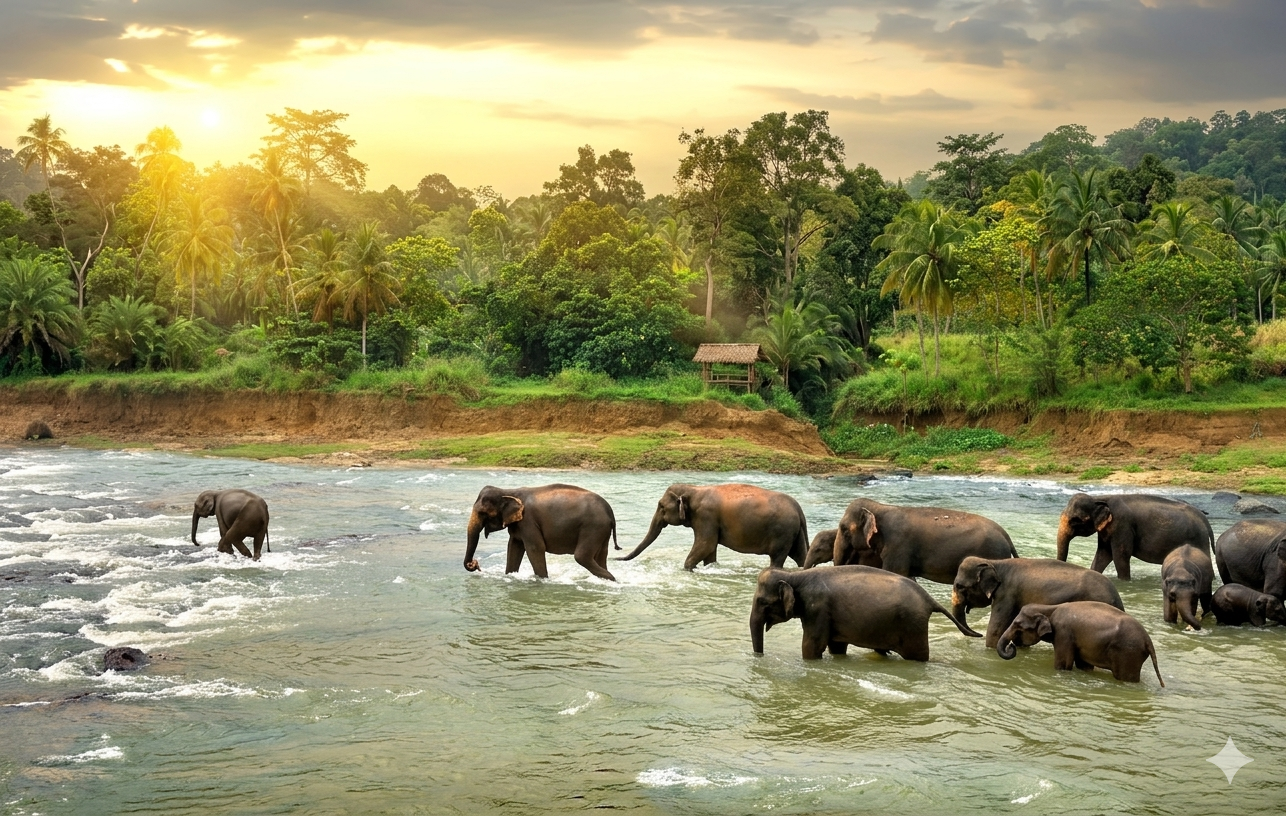
It’s a forest of contrasts — dry teak on one side, river valleys and waterfalls on the other. The Ken River flows right through its heart, cutting through deep gorges and bringing life to every corner of the park.
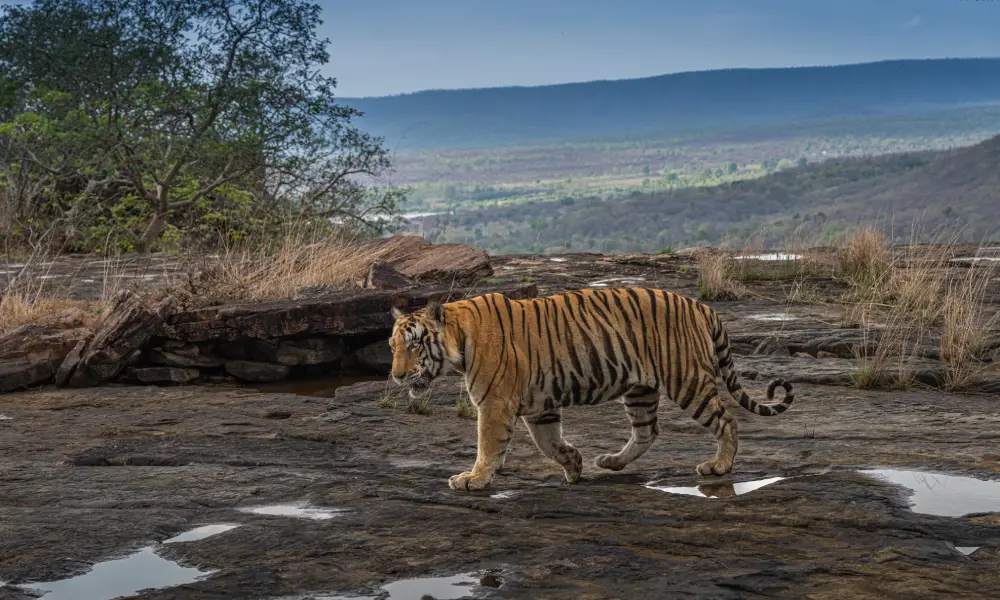
Wildlife here is rich and diverse — tigers, leopards, sloth bears, wild dogs, deer, and crocodiles basking by the river.
Some of Panna’s most beautiful and iconic tigers — like P-141, P-151, and Male 243 — have become legends of this landscape. They represent the strong revival of tiger conservation in this region and continue to attract photographers and wildlife lovers from all over India.
For photographers, Panna offers something truly special — a mix of dramatic light, open landscapes, and calm wilderness that inspires every frame.
Gates of Panna Tiger Reserve
Panna has three main entry points, and each one shows a different side of the forest:
- Madla Gate: Closest to Khajuraho and popular for its river views.
- Hinauta Gate: Known for its hilly terrain and peaceful drives through teak forests.
- Akimaha (Akola) Gate: Remote and untouched, perfect for those who love silence.
Each route inside the forest feels unique — every turn holds a new story.
The Graceful Ken River
- The Ken River is the lifeline of Panna.
- Flowing gently through cliffs and deep ravines, it adds peace to the entire landscape.
- Early mornings on the river are magical — soft light, mist, and bird calls echoing across the valley.
- You may spot ghariyals, crocodiles, and river lapwings resting on sandbanks.
- For photographers, the Ken is where the forest truly comes alive — calm, reflective, and timeless.
Wildlife and Photography Experience
- Panna rewards those who wait patiently.
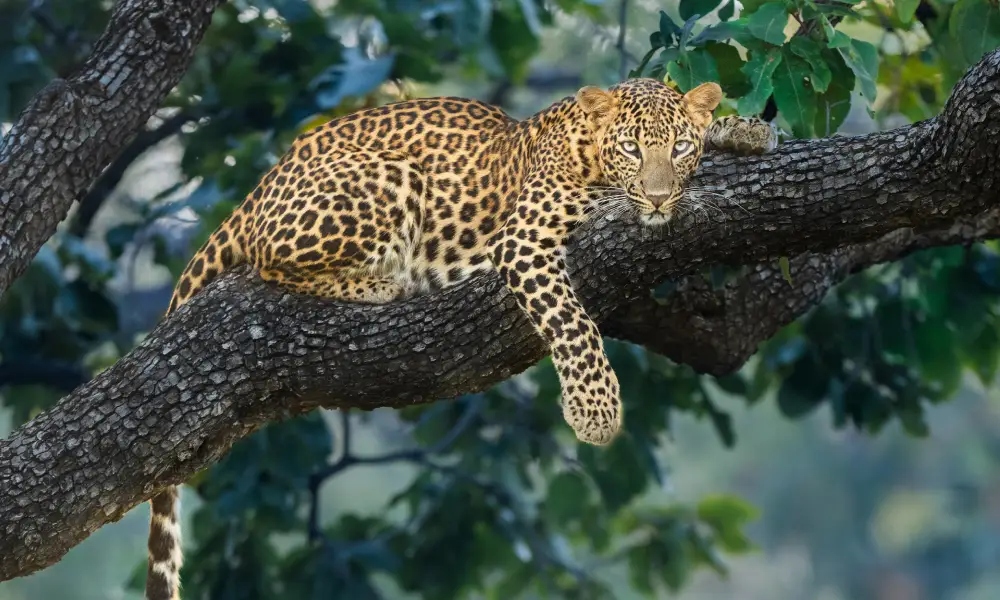
- You may see a tiger walking across the dry riverbed or a leopard resting on a rocky ledge as the evening light turns golden.
- Even without big sightings, every corner of the forest feels worth capturing.
- The light here changes beautifully — soft in the morning, warm and glowing in the evening.
- It’s one of those rare places where landscape and wildlife blend perfectly, offering endless opportunities for creative photography.
Khajuraho – The Cultural Touch Nearby
- Just half an hour from Panna lies Khajuraho, a UNESCO World Heritage Site known for its stunning temples and intricate carvings.
- Visiting Khajuraho along with Panna gives a beautiful balance — the art of ancient India and the art of nature in one journey.
- Morning in the jungle and evening among the temples — few experiences are as peaceful and inspiring.
Where to Stay – In Harmony with Nature
- There are many peaceful stays around Madla and Hinauta gates.
- From riverfront lodges to simple forest retreats, every stay blends comfort with wilderness.
- You’ll find eco-luxury lodges as well as cozy jungle camps — all offering warm hospitality and nights under starry skies by the Ken River.
Best Time to Visit Panna
- The best time to visit Panna Tiger Reserve is October to June.
- Winters are cool and pleasant — perfect for drives and photography.
- Summers are warmer but offer better chances of seeing wildlife near the river.
- Each season brings its own charm — new light, colours, and moods.
Why Panna Feels Special
- Panna has a beauty that touches quietly — through the sound of the wind in the teak trees, the shimmer of the Ken River, and the glow of the cliffs at sunset.
- It is a forest that speaks in silence and leaves you peaceful inside.
- Panna is not just a tiger reserve — it’s a story of beauty, balance, and calmness.
- For anyone who loves real wilderness, it feels like heaven in the heart of India.
Tour Package: Panna Tiger Reserve Photography 3 Nights and 4 Days Tour

Yogesh Bhatia is a professional Wildlife photographer & mentor in India whose work reflects patience, observation, and a deep respect for nature. His journey in wildlife photography is shaped by countless hours in forests, observing animal behavior and waiting for moments that unfold naturally. Through his lens, wildlife is portrayed not just as subjects, but as living stories within their natural environment. His approach to Wildlife photography India focuses on authenticity rather than staged perfection, resulting in images that feel raw and immersive.