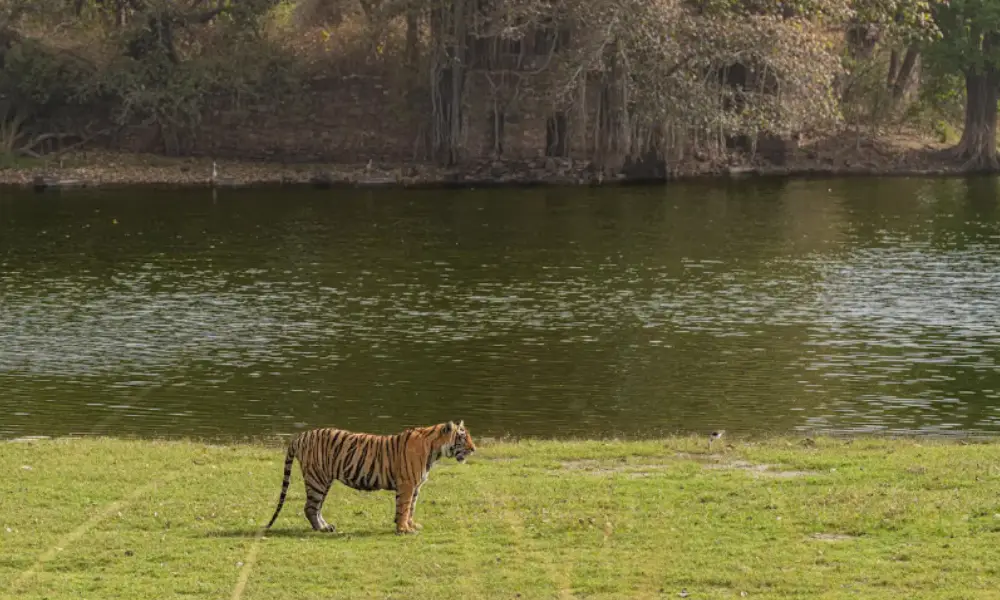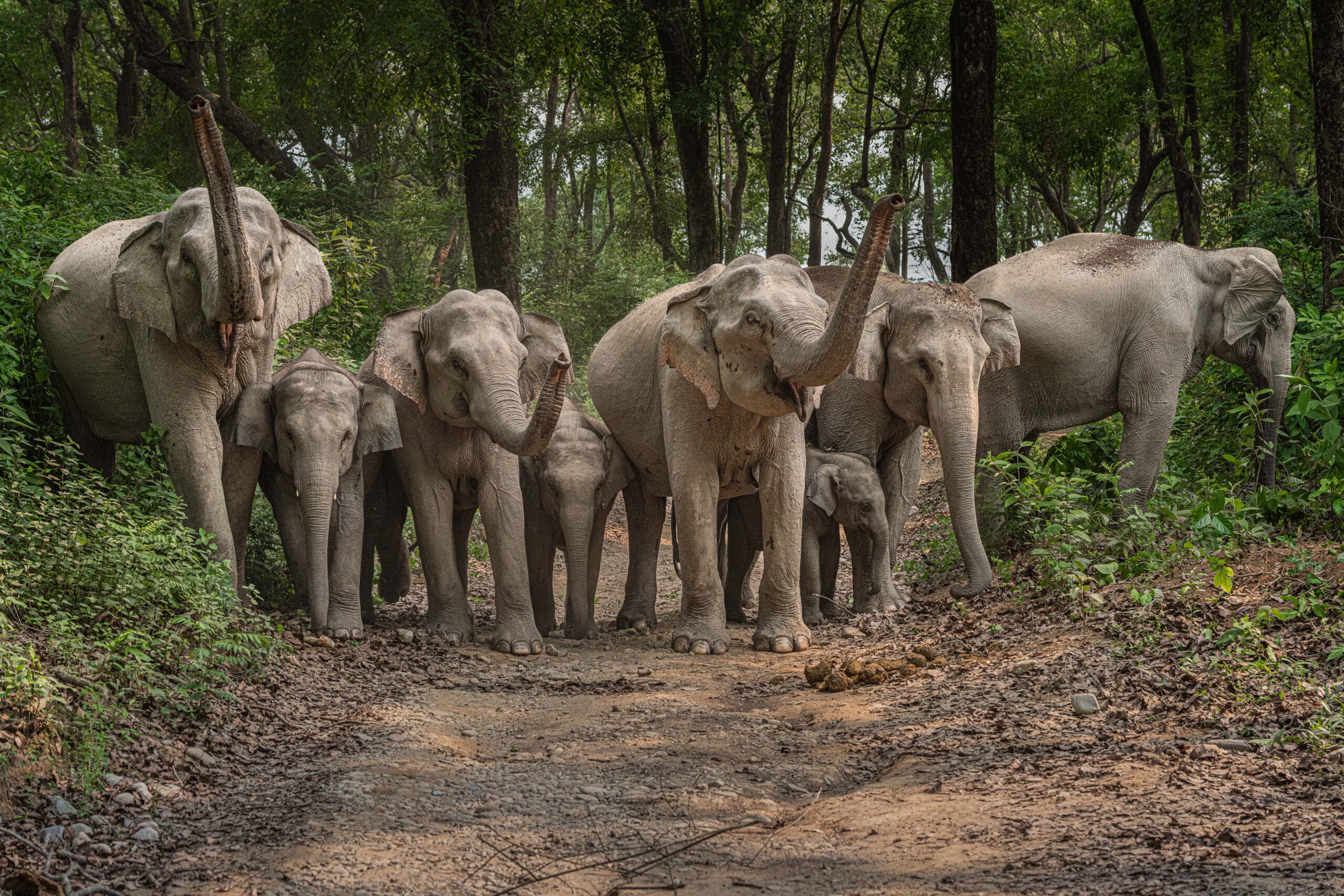
There are some places that make you feel alive the moment you arrive — and Jim Corbett National Park is surely one of them. Just 5–6 hours from Delhi, this wild paradise welcomes you with its dense Sal forests, flowing rivers, and the silent promise of something magical waiting inside.
About Jim Corbett National Park
Located in Uttarakhand, Jim Corbett is India’s first national park and one of the best places to experience the wild in its pure form. It’s home to tigers, elephants, leopards, deer, and countless species of birds. Every visit feels like stepping into a different world — one where nature still rules.
As you cross the Dhangarhi Gate, your journey into the jungle truly begins. The road winds through tall Sal trees, sunlight playing between the leaves, and slowly the outside world starts to fade away. The forest breathes around you — a mix of bird calls, elephant trumpets, and maybe the distant roar of a tiger echoing through the valley.
Best Time to Visit Jim Corbett
You can visit Corbett year-round, but for the best experience:
- November to June – Open for all safari zones, great for tiger sightings.
- December to February – Pleasant weather and misty mornings, perfect for photography.
- March to May – Dry season; animals gather near water bodies, good chances for sightings.
Wildlife You Can Spot
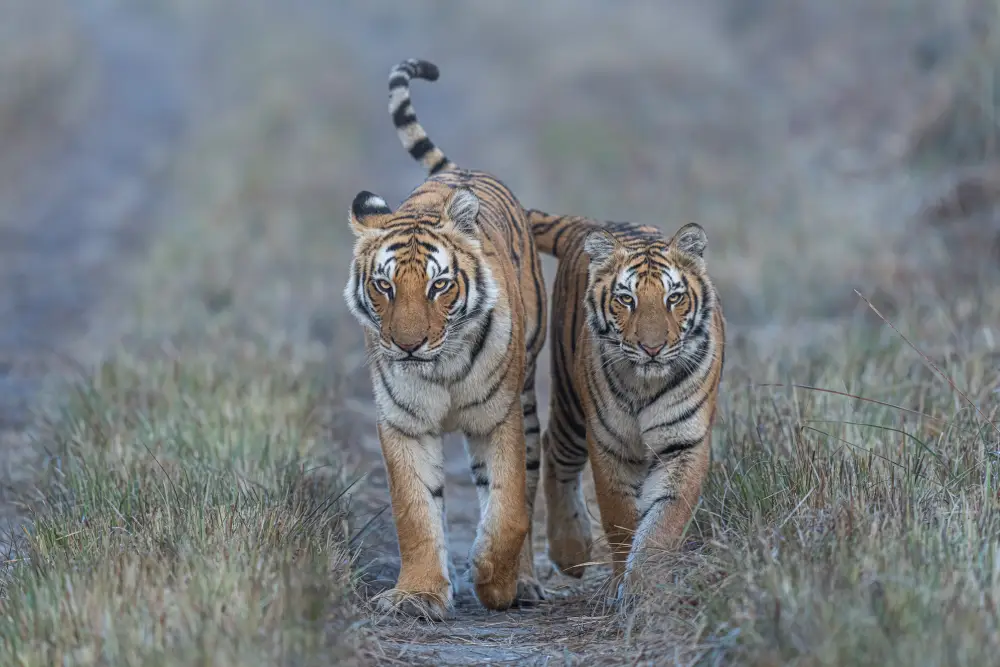
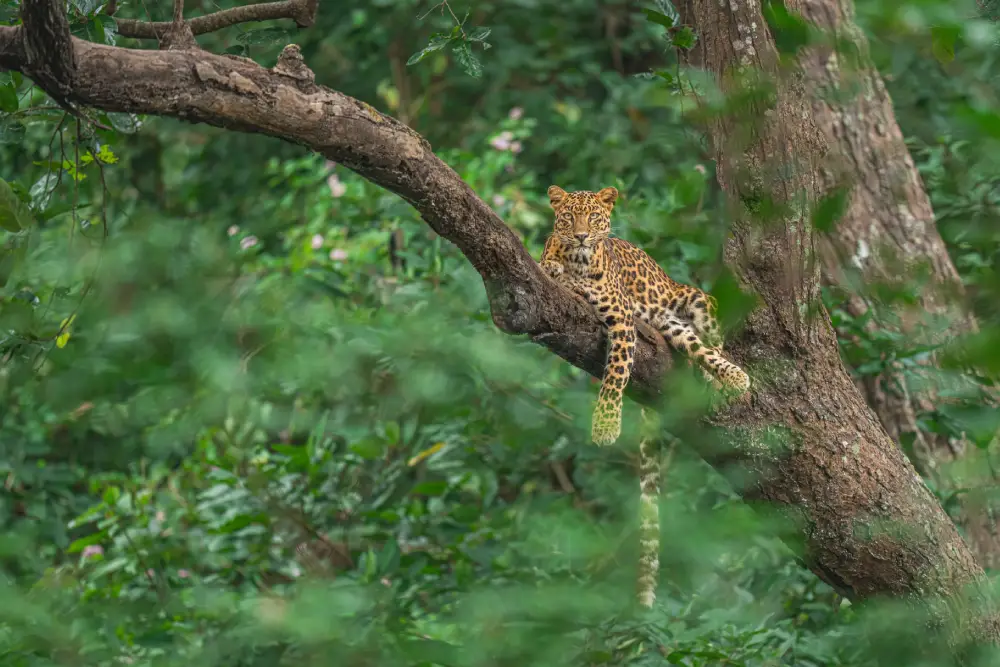
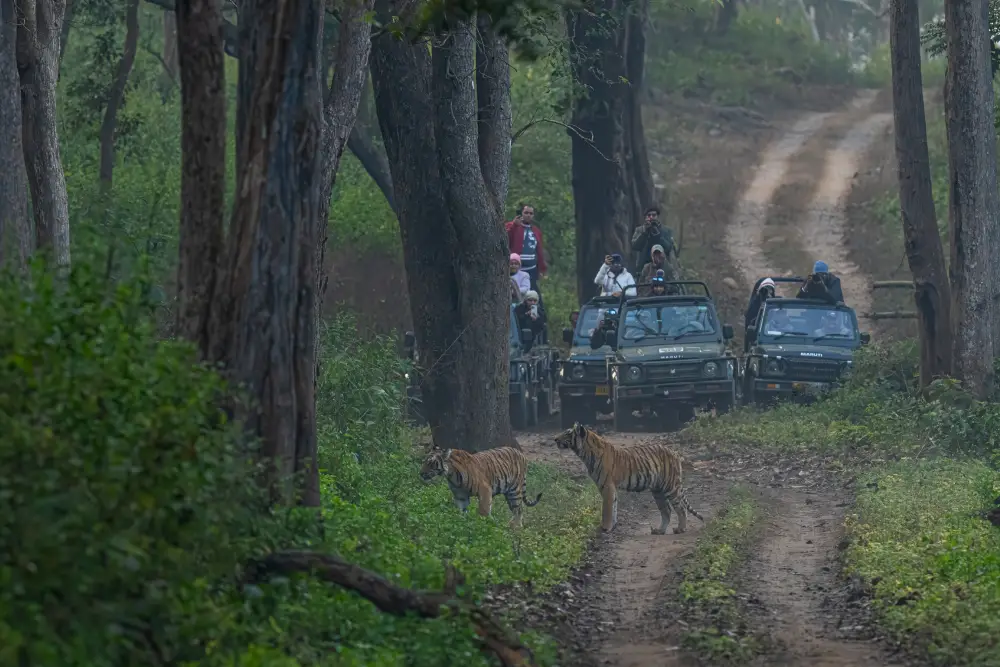
Jim Corbett is famous for its Royal Bengal Tigers, but the beauty doesn’t end there. You may also encounter:
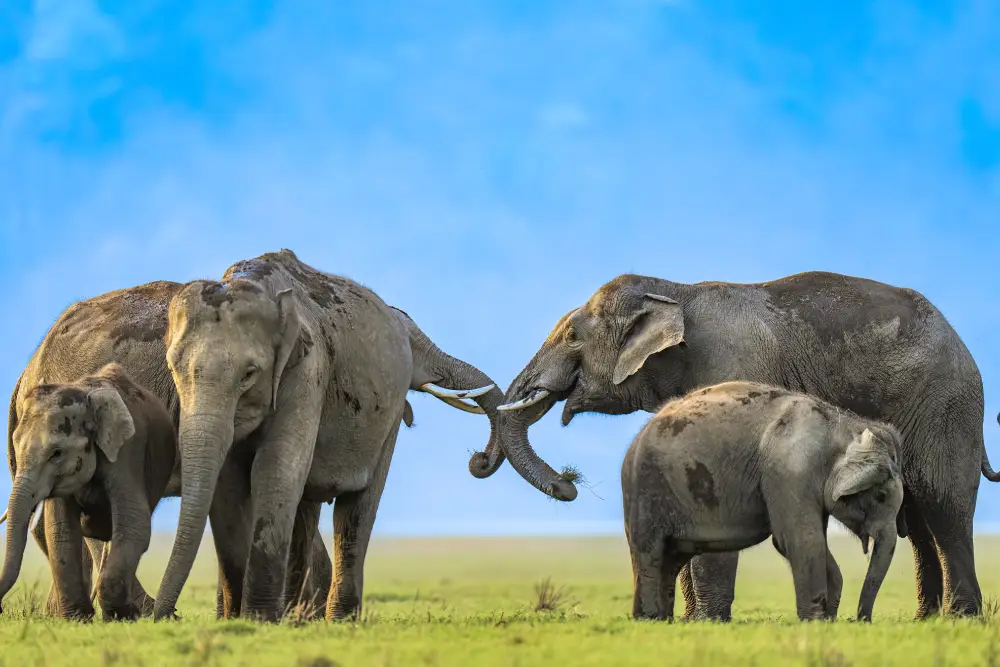
- Asian Elephants
- Leopards
- Sambar, Spotted Deer, and Barking Deer
- Crocodiles and Otters near Ramganga River
- And over 600 species of birds, making it a birdwatcher’s paradise.
Every zone offers something unique — and that’s what makes every safari different.
Safari Zones & Where to Stay
The park has several safari zones, each with its own charm:
- Dhikala Zone – The most iconic and rich in wildlife; stay inside at the Dhikala Forest Rest House beside the Ramganga River.
- Bijrani Zone – Great for dense forest and open grasslands.
- Phato & Jhirna Zones – Open all year; known for good elephant and sloth bear sightings.
- Garjiya & Sitabani Zones – Great for birdlife and scenic landscapes.
If you stay inside the forest rest houses, you’ll feel truly connected to nature — simple rooms, clean canteens, and quiet nights under starlit skies. Outside, in Ramnagar, there are many comfortable resorts offering guided safaris and good facilities.
Wildlife Photography Tips for Jim Corbett
For photographers, Corbett is a dream.
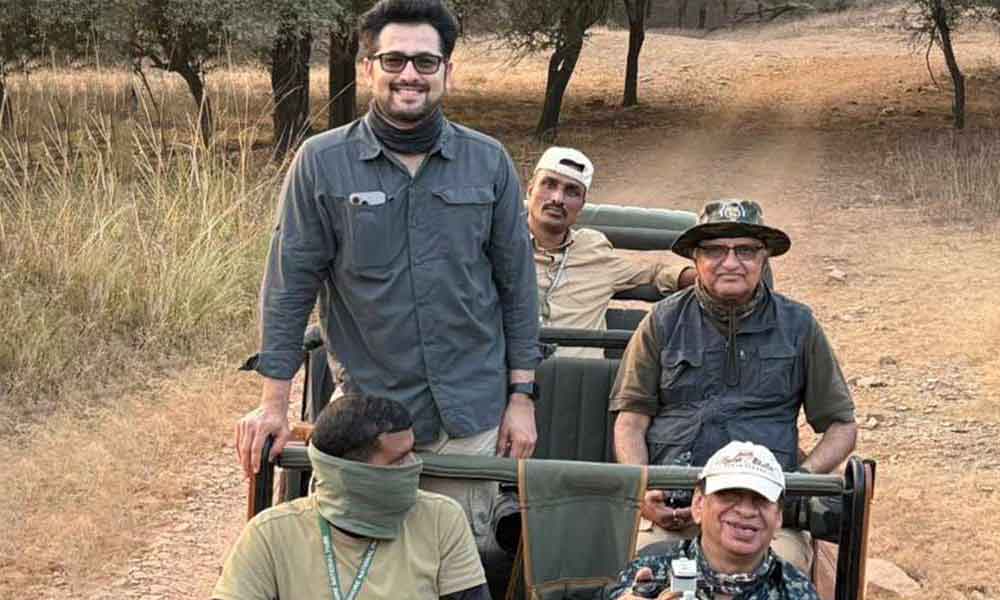
- I always suggest a maximum of four people per vehicle, so you get enough space to move and frame your shots.
- Early morning and late afternoon safaris give the best golden light.
- Use silent shutter modes to capture animals without disturbing them.
- Don’t chase the tiger — observe the jungle, and magic will unfold naturally.
Travel Essentials
When staying inside the park, keep things simple. Pack light but smart:
- Torch / Flashlight
- Mosquito cream
- Water bottle
- Some bread, jam, fruits, or biscuits (if you prefer your own snacks)
The government canteens serve neat and hygienic food. Three nights inside the park are enough to experience Corbett’s rhythm — the silence, the calls, and the pure wilderness.
Why Jim Corbett Feels Like Heaven on Earth
Corbett is not just a destination — it’s a feeling. A place where the wild still whispers its stories, where mornings glow golden, and every sound reminds you that nature is alive and free.
Whether you come for wildlife photography, a peaceful escape, or the thrill of spotting a tiger, Jim Corbett leaves something special within you.
Tour Package: Dhikala Wildlife Photography Workshop – 4 Nights / 5 Days
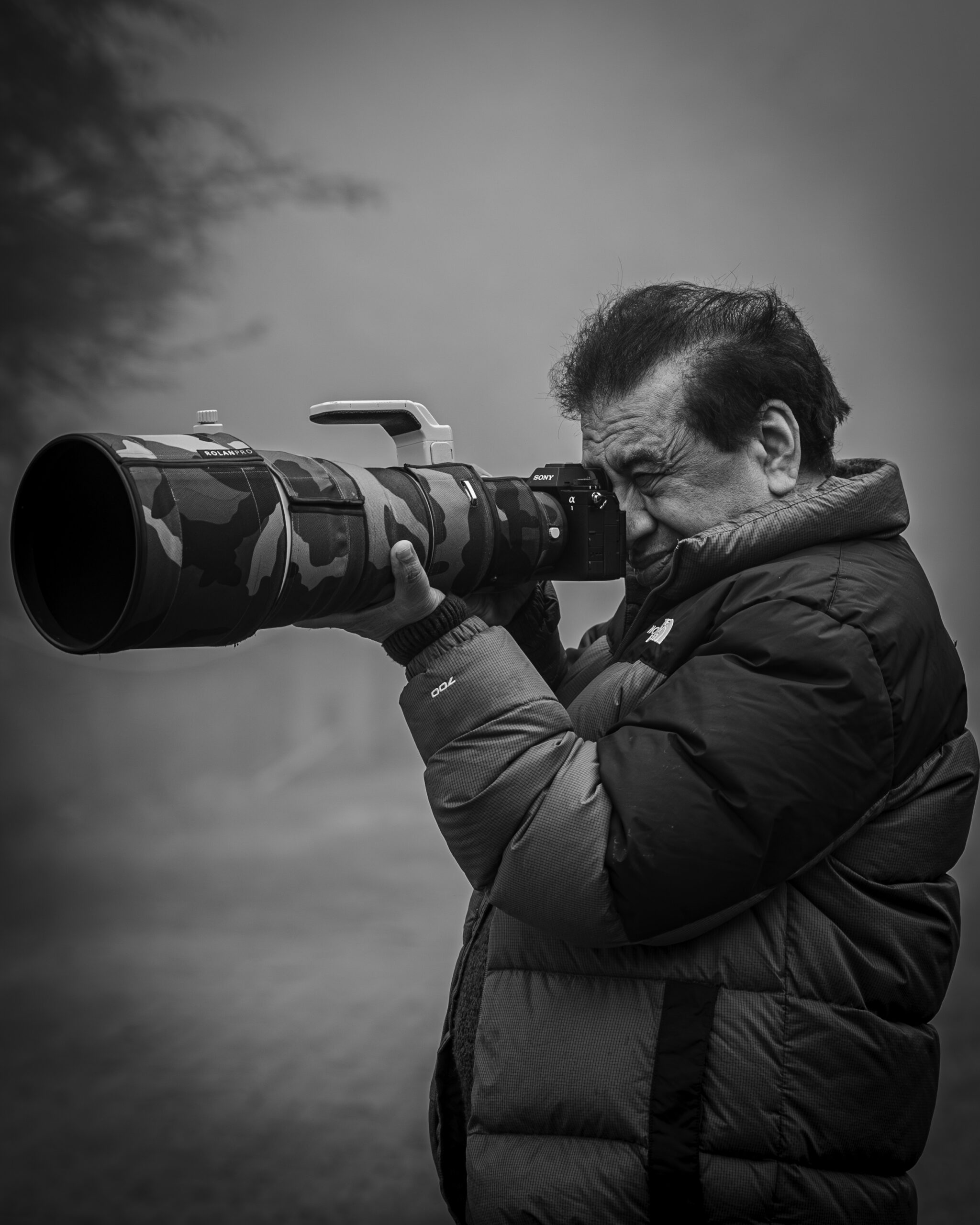
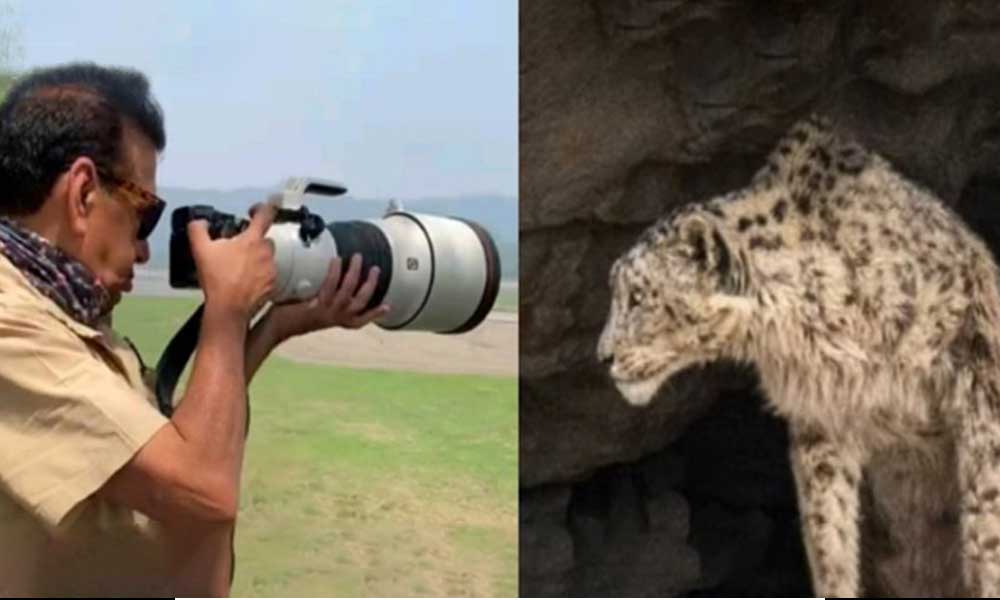
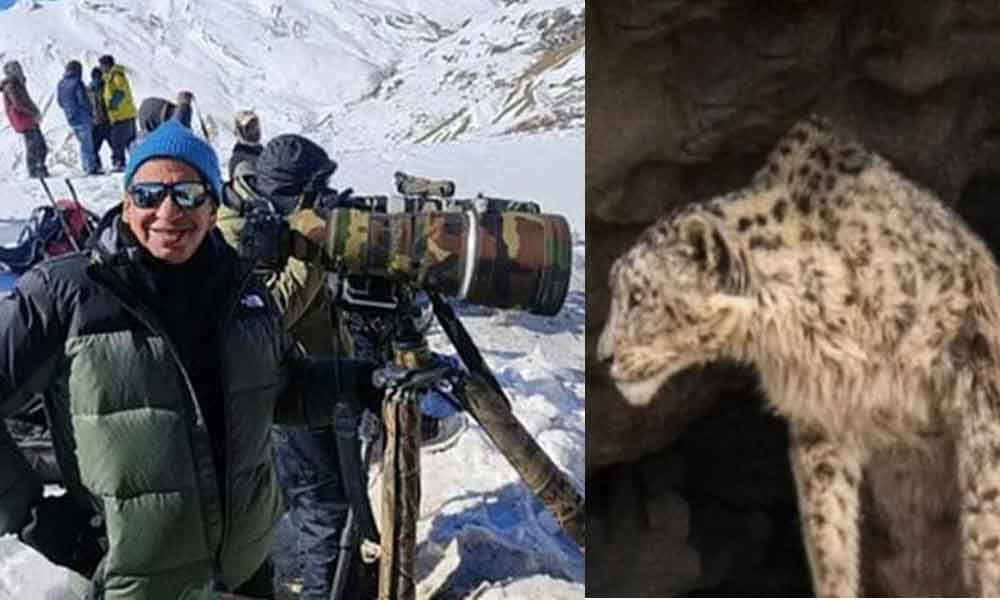
Yogesh Bhatia is a professional Wildlife photographer & mentor in India whose work reflects patience, observation, and a deep respect for nature. His journey in wildlife photography is shaped by countless hours in forests, observing animal behavior and waiting for moments that unfold naturally. Through his lens, wildlife is portrayed not just as subjects, but as living stories within their natural environment. His approach to Wildlife photography India focuses on authenticity rather than staged perfection, resulting in images that feel raw and immersive.