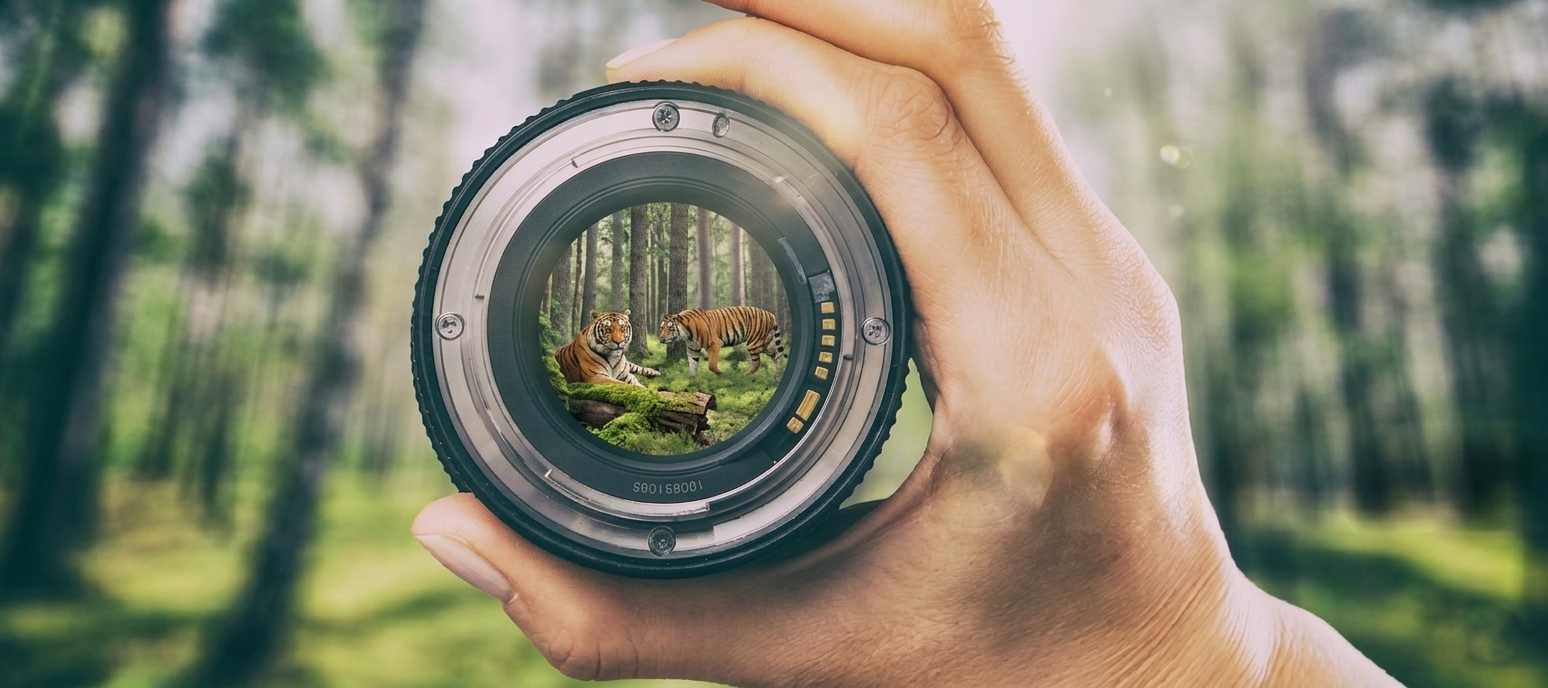
Few wildlife experiences match the intensity of watching a big cat move through its natural habitat. The silent walk of a tiger, the focused stare of a leopard, or the raw power of a lion tells a story that demands patience and respect from the photographer. Big cat wildlife photography is not just about long lenses or fast shutters; it is about understanding behavior, reading landscapes, and staying mentally present in unpredictable environments. A single moment can last only seconds, and preparation decides whether that moment becomes a photograph or a memory.
This guide shares practical field knowledge to help photographers capture big cats responsibly and effectively.
Understanding the Nature of Big Cats
Before lifting the camera, it is essential to understand the subject.
Why Big Cats Are Challenging to Photograph
Big cats are elusive, territorial, and highly aware of their surroundings. Unlike herd animals, they move alone and rarely repeat behavior patterns.
Respect Distance and Space
Maintaining distance ensures safety and keeps animal behavior natural. Stress alters movement, posture, and even hunting patterns, affecting both ethics and image quality.
A seasoned Nature and wildlife photographer India knows that respect for the animal always comes before the shot.
Learning Big Cat Behavior in the Wild
Knowing how big cats think helps you predict what they will do next.
Reading Body Language
Tail flicks, ear movement, and posture reveal mood and intention. A relaxed cat moves slowly, while tension signals potential action.
Understanding Territory and Trails
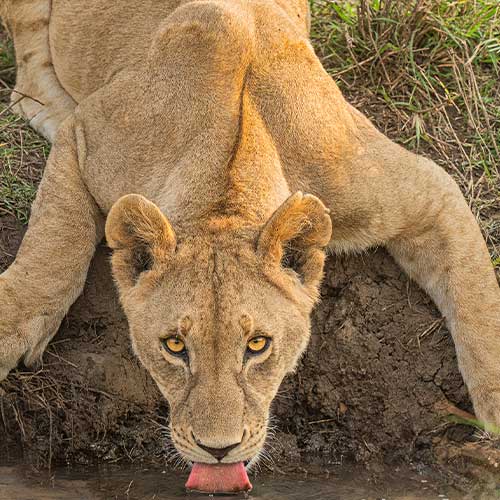
Big cats often follow fixed routes, especially near water sources or dense cover. Observing paw marks and scratch marks helps anticipate movement.
This knowledge of Big cat behavior for photographers often separates lucky shots from consistent results.
Choosing the Right Time and Light
Timing plays a critical role in capturing powerful images.
Early Morning and Late Evening
Big cats are most active during cooler hours. Soft light during these times enhances texture and depth without harsh shadows.
Weather and Mood
Mist, dust, or light rain adds atmosphere without overpowering the subject. These conditions create storytelling images rather than standard portraits.
Camera Settings That Work in the Field
Field conditions change fast, so settings must be flexible.
Shutter Speed for Movement
Big cats can move from stillness to speed instantly. A faster shutter helps freeze muscle tension and eye focus.
Aperture for Subject Isolation
A wider aperture separates the cat from the background, drawing attention to facial expressions and eyes.
ISO as a Tool, Not a Fear
Raising ISO is often necessary in forest environments. Sharp images with slight grain are better than blurred ones.
These adjustments form the foundation of reliable Wildlife photography field tips used by professionals.
Composition Techniques for Powerful Big Cat Images
Composition shapes emotional impact.
Focus on the Eyes
Eye contact creates connection. Even when the full body is not visible, sharp eyes anchor the image.
Use the Environment
Trees, grass, and shadows add context. A big cat partially hidden in foliage often feels more dramatic than one fully exposed.
Space and Direction
Leave space in the frame in the direction the animal is moving or looking. This creates visual flow and realism.
Such principles define compelling Wildlife photography of big cats rather than simple documentation.
Staying Invisible in the Wild
Big cats are alert and cautious.
Minimize Movement
Sudden gestures or loud camera clicks can break the moment. Slow, controlled movements help maintain natural behavior.
Blend Into the Environment
Neutral clothing and calm behavior prevent drawing attention. The less you interfere, the more authentic the images become.
This discipline is second nature to any Wildlife photography expert in India working consistently in big cat habitats.
Ethics and Responsibility in Big Cat Photography
Ethics are not optional in wildlife photography.
Never Force a Situation
Calling animals, blocking paths, or disturbing hunts damages ecosystems and reputations.
Prioritize Safety
No photograph is worth risking human or animal safety. Trust guides and forest rules at all times.
Ethical practices ensure long-term access and meaningful work.
Learning Through Experience and Observation
Skill grows fastest in real environments.
Guided Field Learning
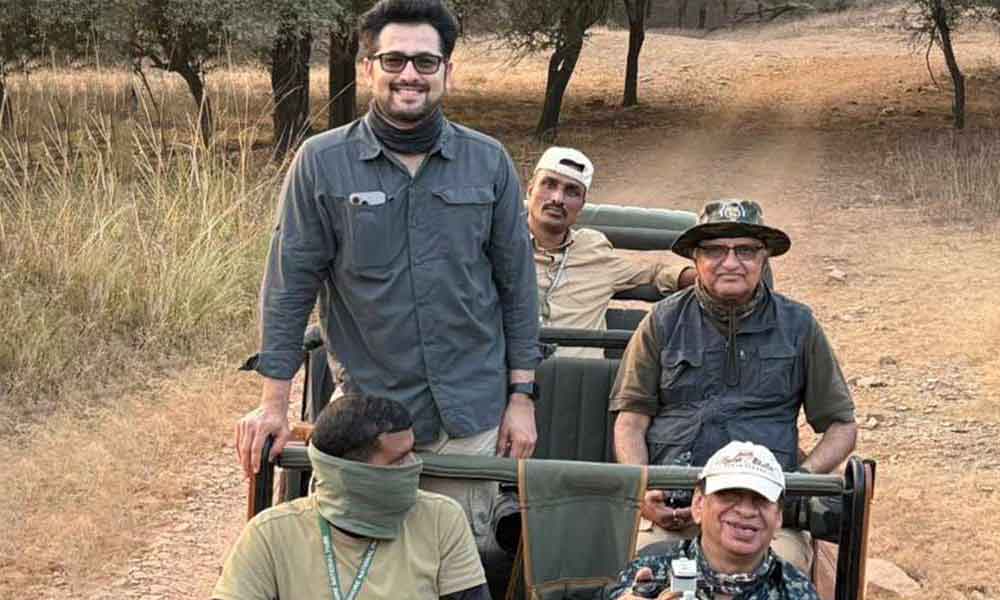
Joining structured safaris and workshops accelerates learning through observation and mentorship.
Building a Visual Archive
Reviewing images helps identify patterns—what worked, what failed, and why. Over time, this becomes your personal Big cat wildlife photos gallery, reflecting growth and understanding rather than luck.
Patience: The Real Secret
Big cat photography is often about waiting. Hours may pass with nothing happening, followed by seconds of magic. Accepting this rhythm builds mental resilience and sharpens instinct.
Those who succeed understand that wildlife photography is not about control—it is about readiness.
FAQs:
- What lens is best for big cat photography?
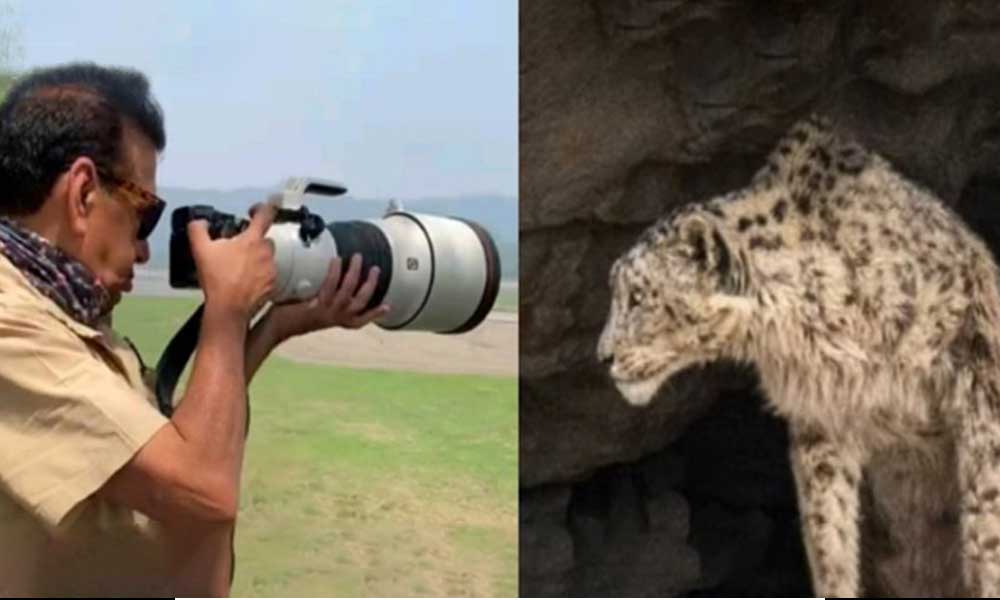
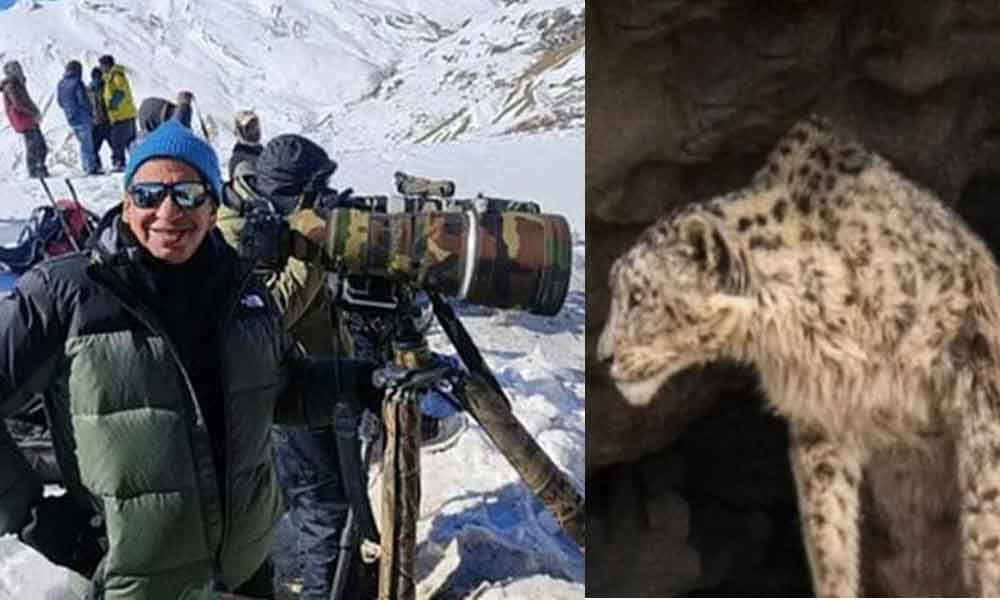
Telephoto lenses allow safe distance while capturing detail, especially in dense forest environments.
- Is it safe to photograph big cats in the wild?
Yes, when following forest rules, maintaining distance, and working with experienced guides.
- Do big cats react to camera sounds?
They can. Using silent shooting modes helps reduce disturbance.
- How important is behavior knowledge?
Extremely important. Understanding behavior increases both safety and photographic success.
- Can beginners photograph big cats successfully?
Yes, with patience, ethical guidance, and proper preparation.
- Should flash ever be used on big cats?
No. Flash can stress animals and disrupt natural behavior.
- How long does it take to master big cat photography?
It varies, but consistency, field time, and observation matter more than speed.
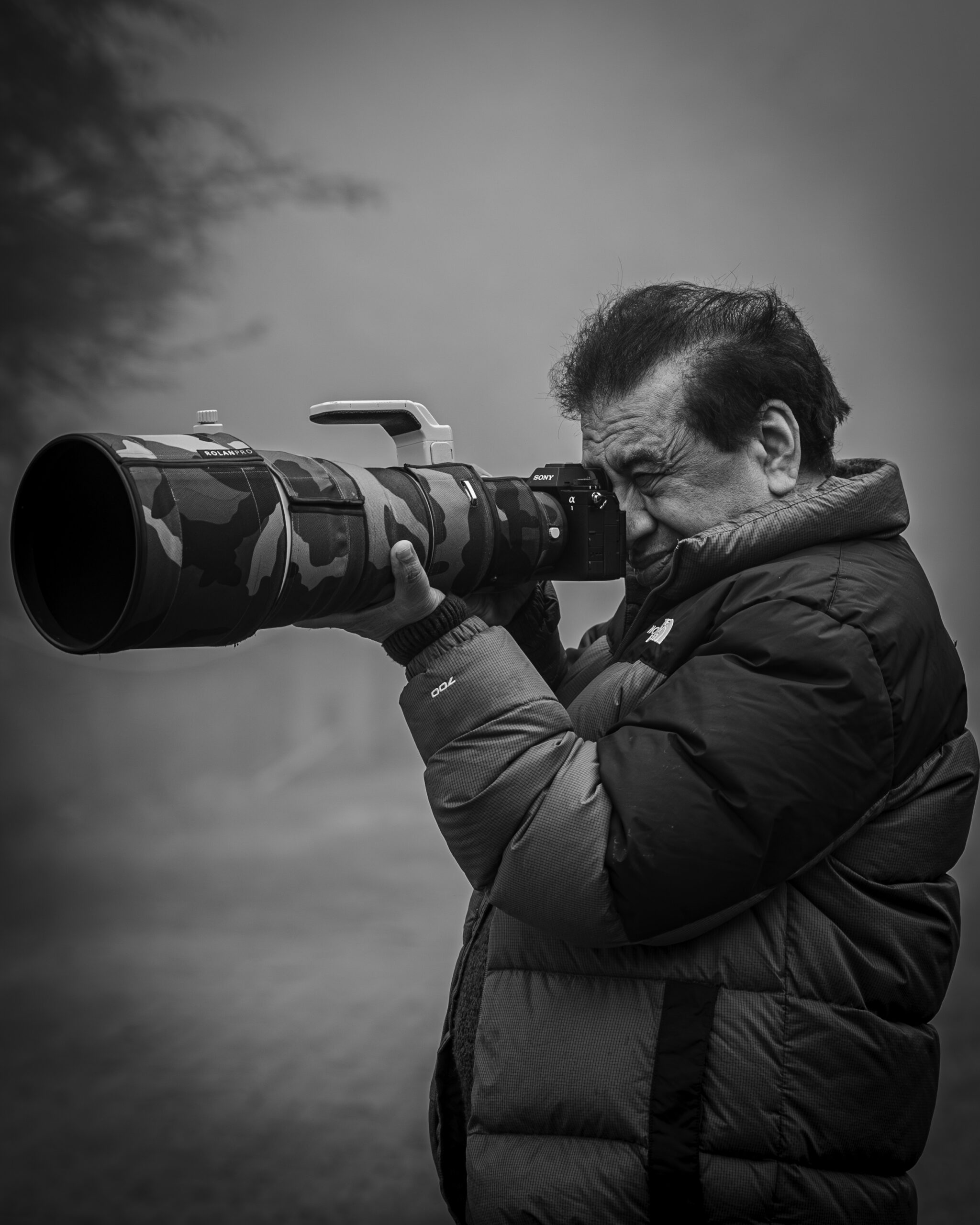
Yogesh Bhatia is a professional Wildlife photographer & mentor in India whose work reflects patience, observation, and a deep respect for nature. His journey in wildlife photography is shaped by countless hours in forests, observing animal behavior and waiting for moments that unfold naturally. Through his lens, wildlife is portrayed not just as subjects, but as living stories within their natural environment. His approach to Wildlife photography India focuses on authenticity rather than staged perfection, resulting in images that feel raw and immersive.