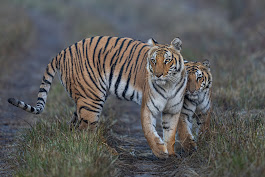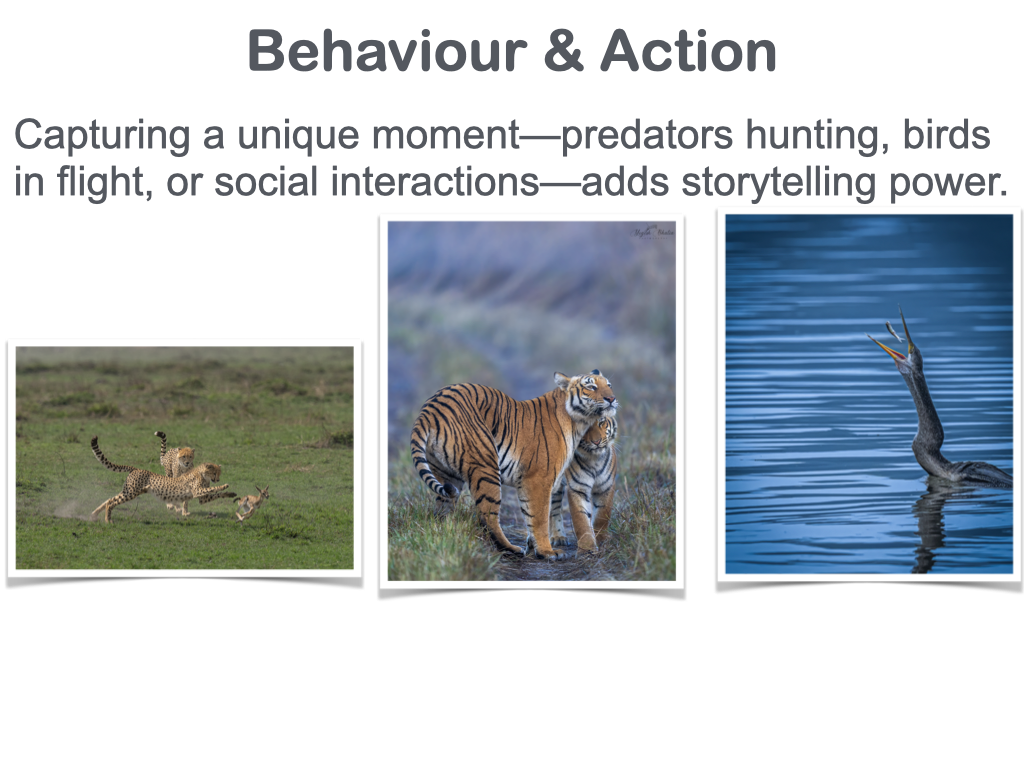
Wildlife does not wait for perfect light. Some of the most powerful moments happen just before sunrise, after sunset, or deep inside dense forests. Low light wildlife photography challenges both patience and technique, but when done right, it produces images that feel raw, intimate, and alive. The stillness of dawn, the quiet movement of nocturnal animals, and the drama of shadows offer opportunities that daylight often cannot. Capturing sharp images in such conditions requires understanding light, mastering camera control, and anticipating animal behavior rather than relying on luck.
This guide breaks down practical methods used by professionals to help you consistently capture sharp wildlife photographs even when light is limited.
Understanding Low-Light Wildlife Conditions
Low light does not mean darkness alone. It includes overcast forests, misty mornings, twilight hours, and moonlit nights. These environments demand fast decision-making because animals move unpredictably while light keeps changing.
Common Low-Light Scenarios
- Early morning safaris
- Late evening forest trails
- Dense jungle canopies
- Moonlit open grasslands
Each situation requires slightly different camera handling, but the core principles remain the same.
Camera Settings That Matter Most
Sharp images in low light are less about expensive gear and more about correct settings.
Shutter Speed: Freeze the Moment
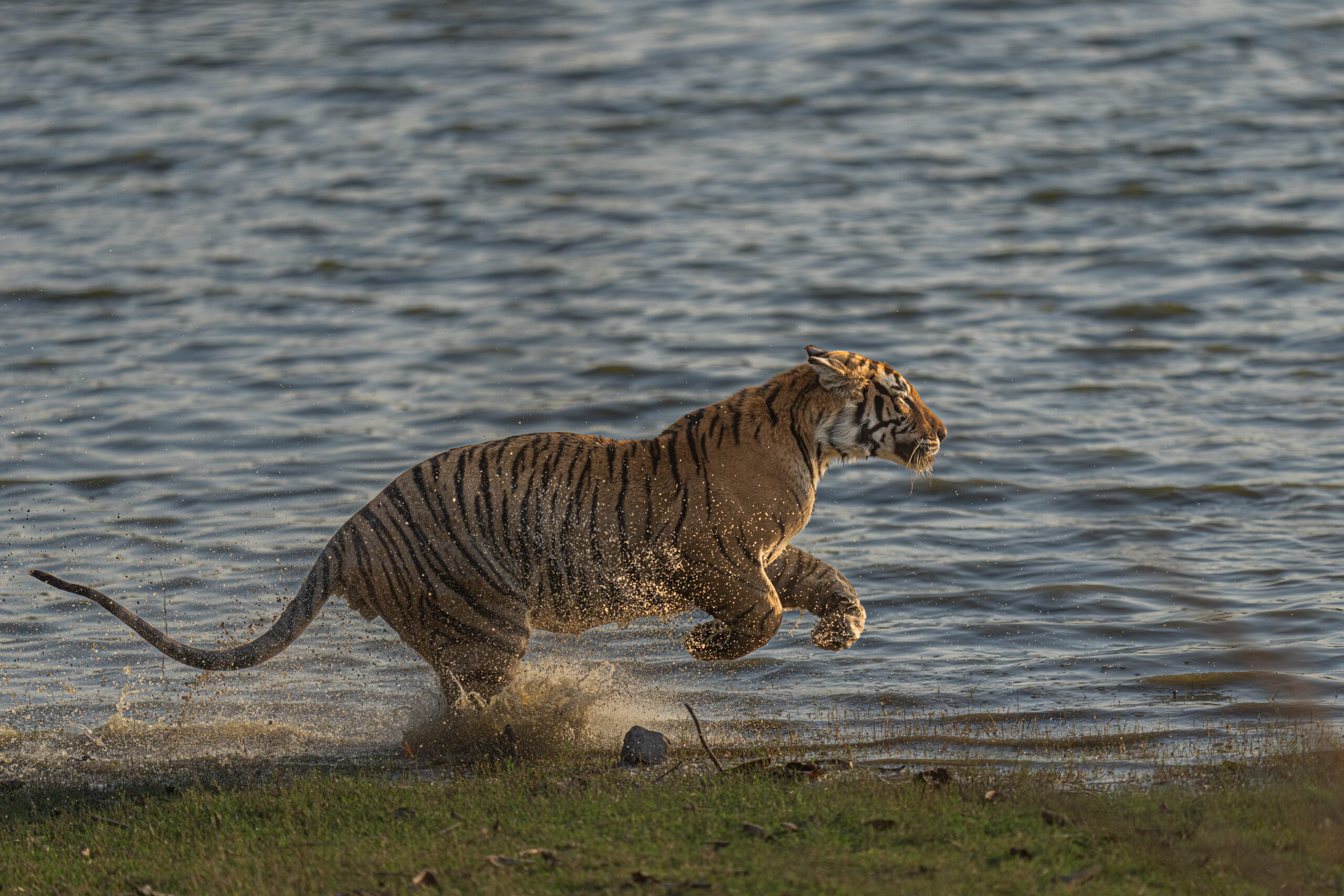
Wild animals rarely stay still. Even a slight movement can blur an image if the shutter is too slow. For walking animals, start at 1/250s. For birds or running subjects, push higher whenever possible.
Aperture: Let Light In
A wide aperture allows more light to reach the sensor. Lenses with f/2.8 or f/4 perform exceptionally well in low light and help separate the subject from the background.
ISO: Control Noise Without Fear
Modern cameras handle high ISO better than ever. Increasing ISO is often necessary for sharp images. Grain can be managed later; motion blur cannot.
These three controls work together and form the foundation of low light photography settings for wildlife when conditions are unpredictable.
Mastering Focus in the Dark
Autofocus systems struggle when light drops. Switching techniques can make a major difference.
Use Single-Point Autofocus
Single-point AF gives you precise control over where the camera locks focus, especially useful when the subject’s eyes are visible.
Focus on the Eyes
Sharp eyes bring life to wildlife images. Even if parts of the body fall into shadow, crisp eyes keep the image engaging.
Manual Focus as Backup
In extremely low light, manual focus with live view magnification can outperform autofocus, especially for stationary subjects.
Stability Is Non-Negotiable
Camera shake is one of the biggest threats to image sharpness.
Use Support Whenever Possible
- Bean bags on safari vehicles
- Monopods for mobility
- Tripods for night setups
Image Stabilization Helps, but Isn’t Magic
Lens or body stabilization reduces shake but cannot freeze animal movement. Use it as support, not a substitute for shutter speed.
Techniques for Night Wildlife Photography
Capturing animals after dark requires preparation and respect for wildlife.
Anticipate Behavior
Knowing where animals move, rest, or hunt allows you to be ready before the moment happens.
Use Ambient Light First
Moonlight, reflected water, or distant artificial light can add depth without disturbing animals.
Ethical Flash Usage
Flash should be used sparingly and responsibly. Repeated bursts can stress animals and alter natural behavior. Professional night wildlife photography tips always prioritize animal welfare over images.
Suggested Read: Common Wildlife Photography Mistakes and How to Avoid Them?
Composition in Low Light
Darkness simplifies scenes but also hides distractions.
Use Shadows Creatively
Silhouettes, rim light, and partial visibility can add mood and storytelling power.
Simplify the Frame
Low light naturally removes clutter. Focus on one subject and let darkness work as negative space. This approach is often seen in portfolios of a seasoned Nature and wildlife photographer India, where atmosphere carries as much weight as clarity.
Post-Processing for Sharpness
Editing is where good images become great, without overdoing it.
Noise Reduction with Care
Apply noise reduction selectively to backgrounds while preserving detail on the subject.
Sharpen Strategically
Avoid global sharpening. Target eyes, fur texture, or feather edges for natural results.
Learning in the Field
No article replaces real-world experience. Spending time observing animals and shooting in challenging light builds instinct faster than theory alone. Many photographers refine these skills by joining a guided Wildlife photography tour, where positioning, timing, and field ethics are taught alongside technical skills.
Consistently producing sharp wildlife photos at night is a result of patience, repetition, and respect for nature, qualities that define the work of the Best wildlife photographer in India.
FAQs:
- Is it possible to shoot wildlife without flash in low light?
Yes. Using wide apertures, higher ISO, and ambient light often produces more natural and ethical results.
- What lens works best for low-light wildlife photography?
Fast telephoto lenses with wide apertures perform best, especially in forest or dusk conditions.
- How high can ISO go without ruining image quality?
Modern cameras handle ISO 3200–6400 well. Slight noise is acceptable compared to blur.
- Should I use burst mode in low light?
Yes. Burst shooting increases the chance of capturing a sharp frame during movement.
- Is manual mode better than aperture priority?
Manual mode offers full control, but aperture priority works well when light changes rapidly.
- How do professionals keep images sharp at night?
They rely on stable support, precise focusing, and anticipation rather than reacting late.
- Does editing fix blurry wildlife images?
No. Editing enhances sharp images but cannot correct motion blur caused during capture.
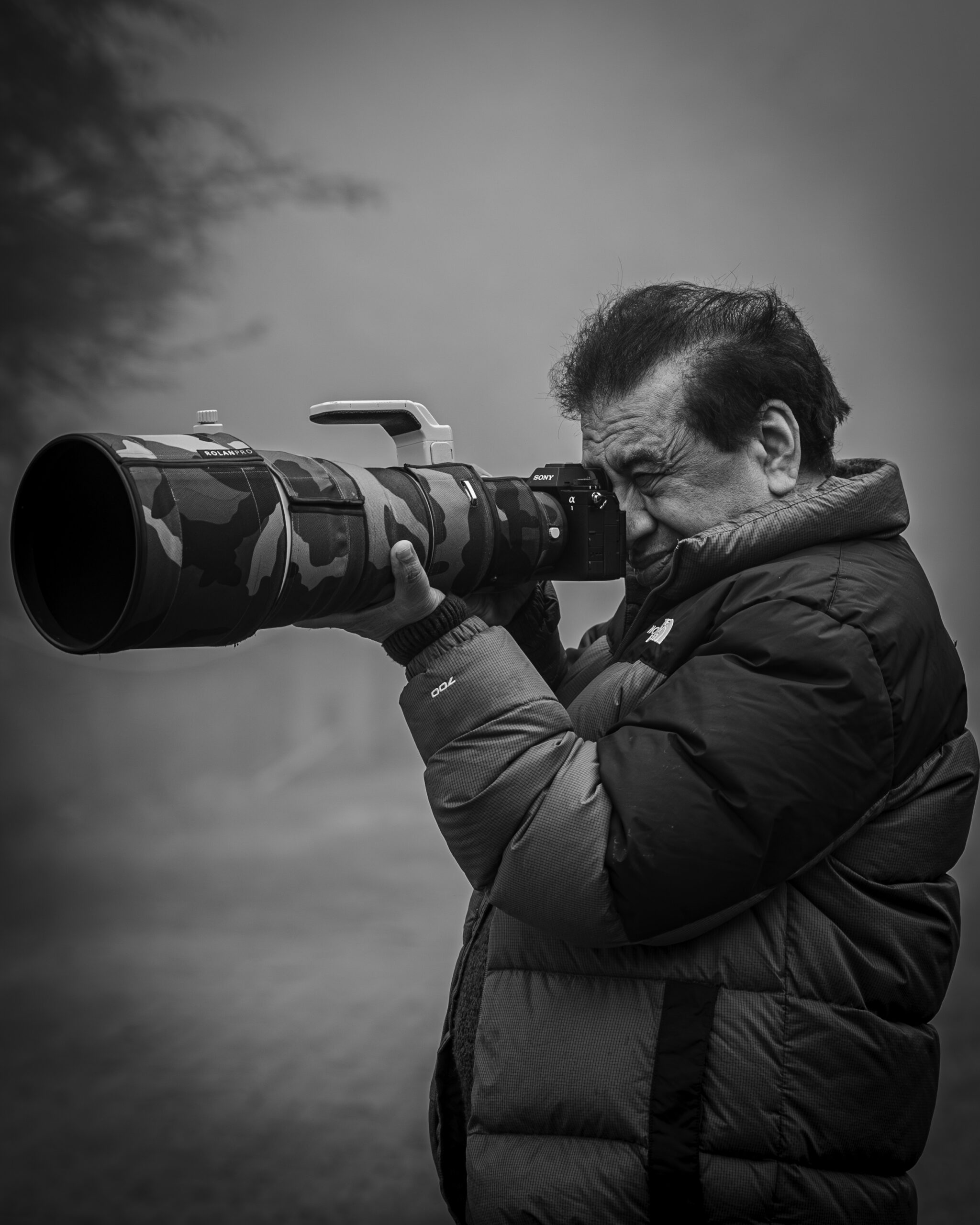
Yogesh Bhatia is a professional Wildlife photographer & mentor in India whose work reflects patience, observation, and a deep respect for nature. His journey in wildlife photography is shaped by countless hours in forests, observing animal behavior and waiting for moments that unfold naturally. Through his lens, wildlife is portrayed not just as subjects, but as living stories within their natural environment. His approach to Wildlife photography India focuses on authenticity rather than staged perfection, resulting in images that feel raw and immersive.