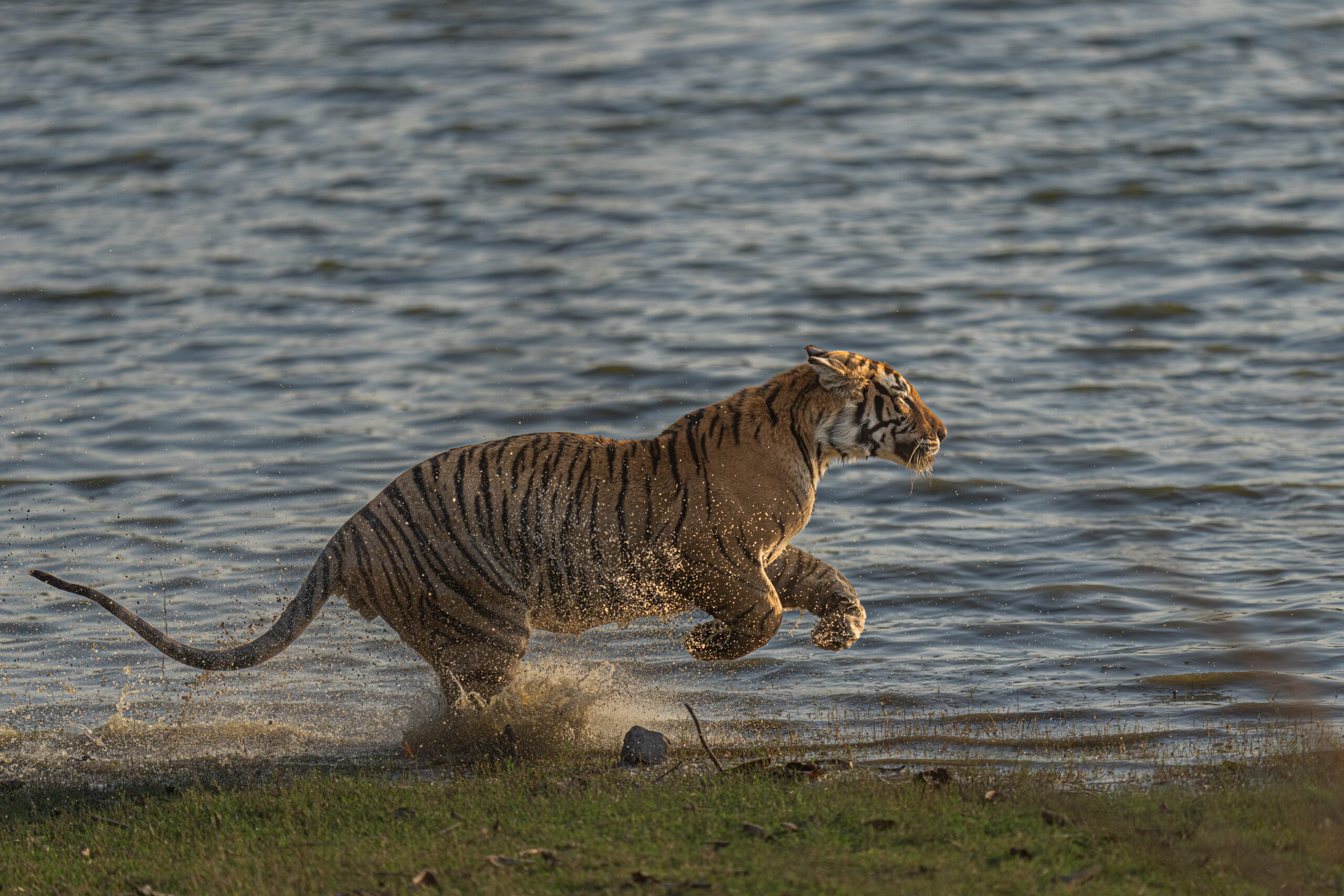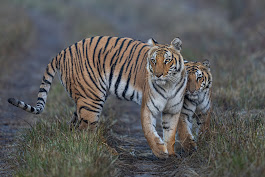
Wildlife photography is not just about owning an expensive camera or visiting famous national parks. It is about patience, awareness, and respect for nature. In Wildlife photography, beginners and even experienced photographers often repeat certain mistakes that quietly ruin their images or limit long-term growth. These errors usually happen in the field, not in the editing room, and learning to recognise them early can make a noticeable difference in image quality and storytelling.
This guide breaks down the most common wildlife photography mistakes and explains practical ways to avoid them, helping photographers build stronger habits and produce more meaningful work.
Mistake 1: Ignoring Animal Behaviour
Why It Happens?
Many photographers focus only on technical settings and forget that animals follow predictable behaviour patterns. Without understanding these patterns, shots become reactive rather than intentional.
How to Avoid It?
Spend time observing before shooting. Learn feeding times, territorial behaviour, and movement patterns. Anticipation leads to better framing and stronger moments rather than rushed clicks.
Mistake 2: Overusing Auto Mode
Why It Happens?
Auto mode feels safe, especially in fast-moving situations. However, wildlife environments often confuse the camera’s metering system.
How to Avoid It?
Switch to aperture priority or manual mode. Control shutter speed to freeze motion and adjust ISO according to light conditions. Mastering exposure settings allows consistency across varied lighting scenarios.
Mistake 3: Poor Focus on the Eyes
Why It Happens?
Fast movement, branches, and low light often cause autofocus to lock onto the wrong subject.
How to Avoid It?
Always prioritise eye focus. Use single-point autofocus and place it deliberately on the animal’s eye. Sharp eyes create emotional connection and elevate the overall image impact.
Mistake 4: Shooting Without Considering Backgrounds
Why It Happens?
Excitement leads to tunnel vision, where the subject is everything and the background is ignored.
How to Avoid It?
Shift position slightly to clean up backgrounds. Avoid bright patches, cluttered foliage, or distracting elements behind the subject. A simple background makes the subject stand out naturally.
Mistake 5: Getting Too Close to Wildlife
Why It Happens?
Many believe proximity equals better images, often forgetting safety and ethics.
How to Avoid It?
Use appropriate focal lengths and maintain safe distances. Ethical practice is a trait shared by every Professional wildlife photographer in India, where respecting animal space is considered non-negotiable.
Mistake 6: Over-Editing Images
Why It Happens?
Editing tools can be tempting, leading to excessive sharpening, saturation, or noise reduction.
How to Avoid It?
Edit with restraint. Aim to enhance, not transform. Natural colours and textures preserve authenticity and credibility, especially when building a serious wildlife portfolio.
Mistake 7: Not Understanding Light Direction
Why It Happens?
Photographers often shoot whenever an animal appears, regardless of light angle.
How to Avoid It?
Pay attention to the direction and quality of light. Early morning and late evening provide softer tones and better depth. Side lighting can add drama, while harsh midday light should be used carefully.
Mistake 8: Lack of Patience in the Field
Why It Happens?
Expectations of instant results lead to rushed decisions and missed opportunities.
How to Avoid It?
Wildlife photography rewards patience. Staying still, waiting for behaviour to unfold, and observing surroundings often results in images that feel natural and well-timed.
Mistake 9: Ignoring Storytelling
Why It Happens?
Many focus only on portraits and forget about context.
How to Avoid It?
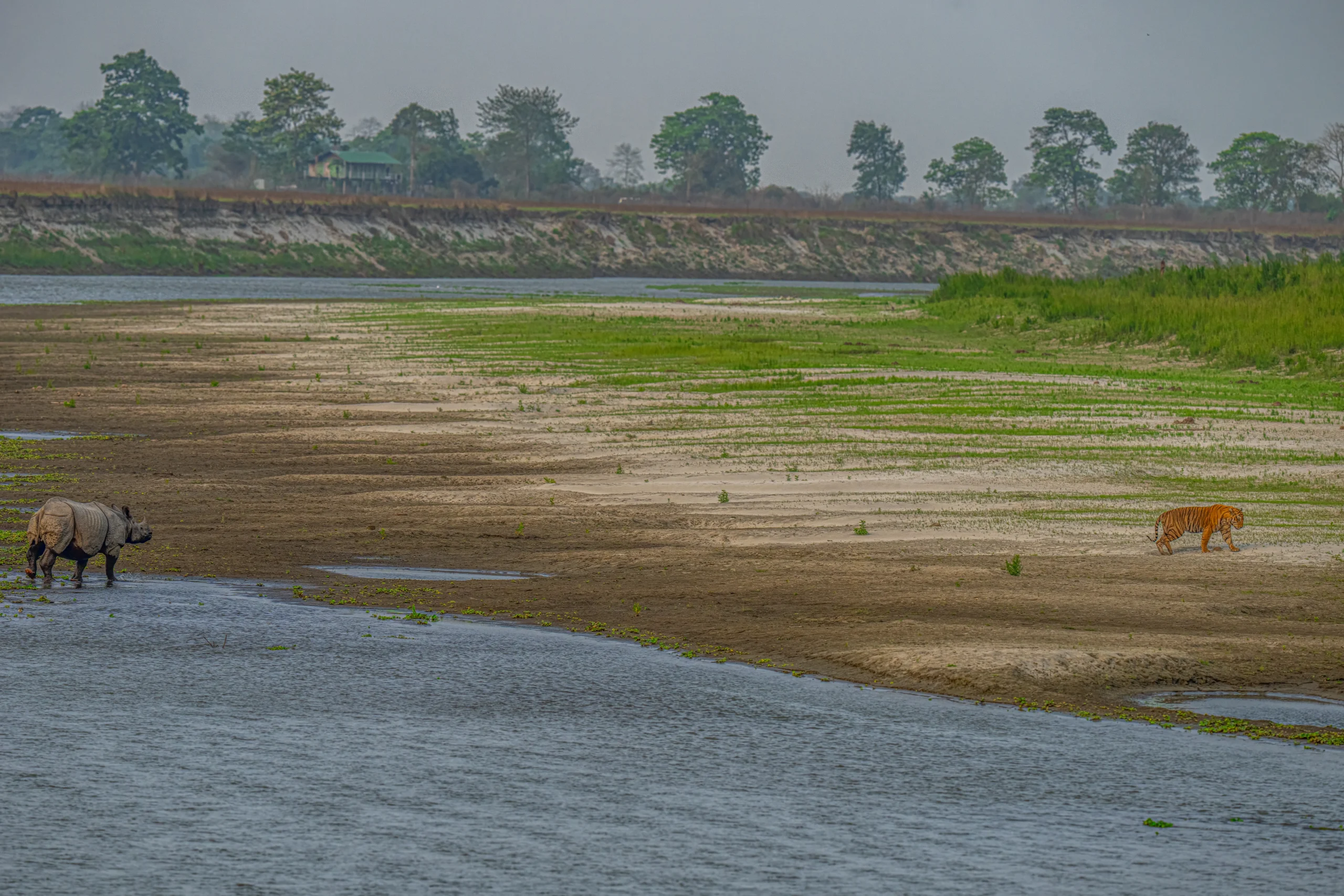
Include habitat, interactions, and environmental elements. Story-driven images stand out and are often what separates a hobbyist from the Best wildlife photographer in India level of work.
Mistake 10: Not Reviewing Mistakes Regularly
Why It Happens?
Photographers move on quickly without analysing past work.
How to Avoid It?
Review images critically. Identify repeated issues like missed focus or poor framing. Learning from mistakes is essential for long-term improvement.
Final Thoughts
Wildlife photography is a journey shaped by experience, discipline, and respect for nature. Mistakes are inevitable, but repeating them is optional. By understanding common pitfalls and consciously correcting them, photographers can steadily improve both technical skill and creative vision.
Progress comes not from chasing perfection, but from learning patiently in the field.
FAQs
What is the most common mistake beginners make in wildlife photography?
Ignoring animal behaviour and reacting too late is one of the most frequent mistakes.
Is expensive gear necessary for wildlife photography?
Good gear helps, but understanding light, behaviour, and composition matters far more.
Why is eye focus important in wildlife images?
Sharp eyes create emotional connection and make images feel alive and engaging.
How close should photographers get to wild animals?
Maintaining safe and ethical distance is essential for both safety and conservation.
Does editing play a big role in wildlife photography?
Editing enhances images, but over-editing can damage realism and credibility.
What lighting conditions are best for wildlife photography?
Early morning and late evening provide softer, more flattering natural light.
How can wildlife photographers improve faster?
Regular practice, image review, and learning from field mistakes lead to steady improvement.
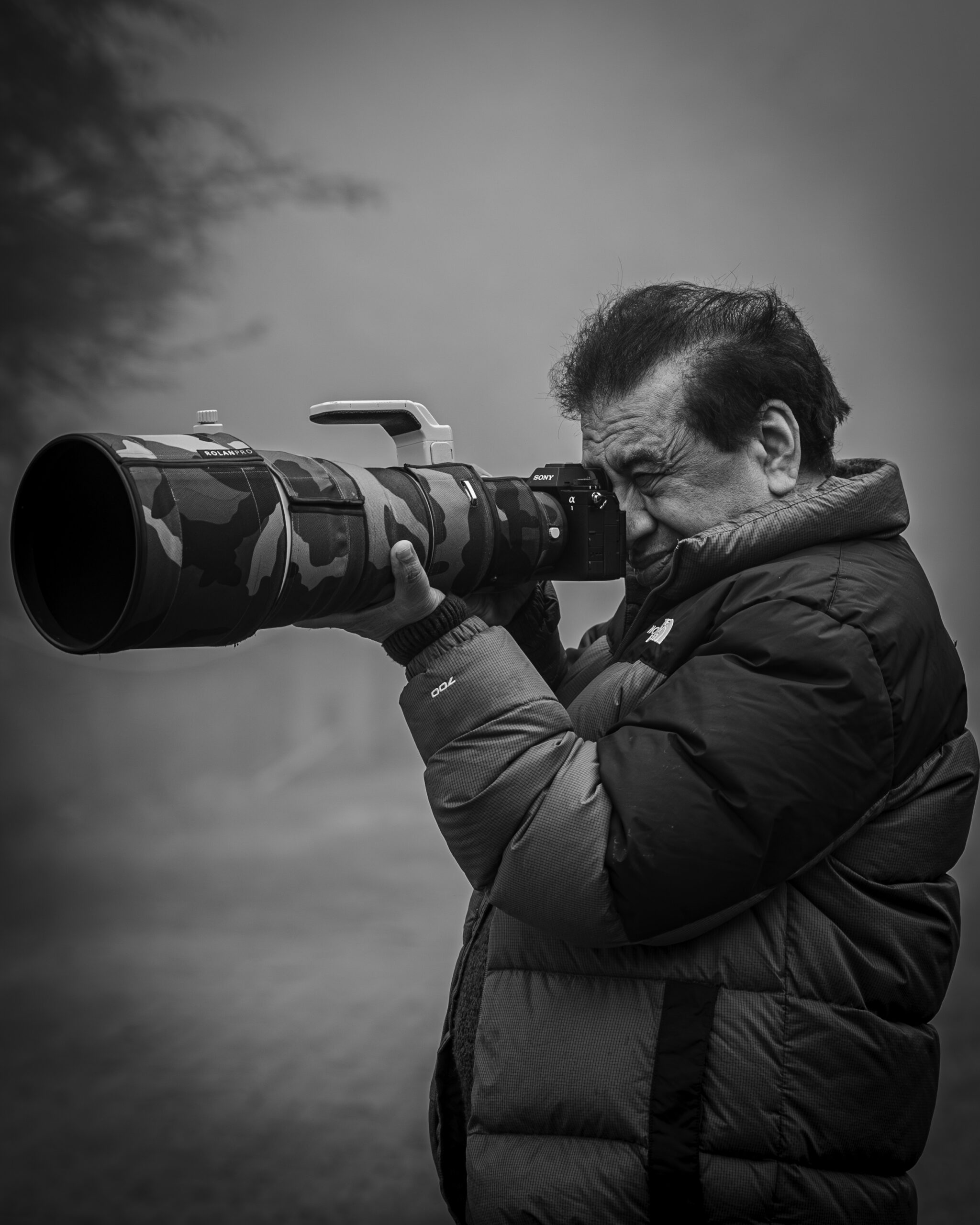
Yogesh Bhatia is a professional Wildlife photographer & mentor in India whose work reflects patience, observation, and a deep respect for nature. His journey in wildlife photography is shaped by countless hours in forests, observing animal behavior and waiting for moments that unfold naturally. Through his lens, wildlife is portrayed not just as subjects, but as living stories within their natural environment. His approach to Wildlife photography India focuses on authenticity rather than staged perfection, resulting in images that feel raw and immersive.