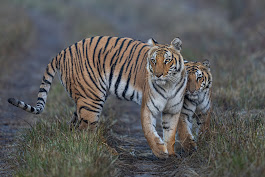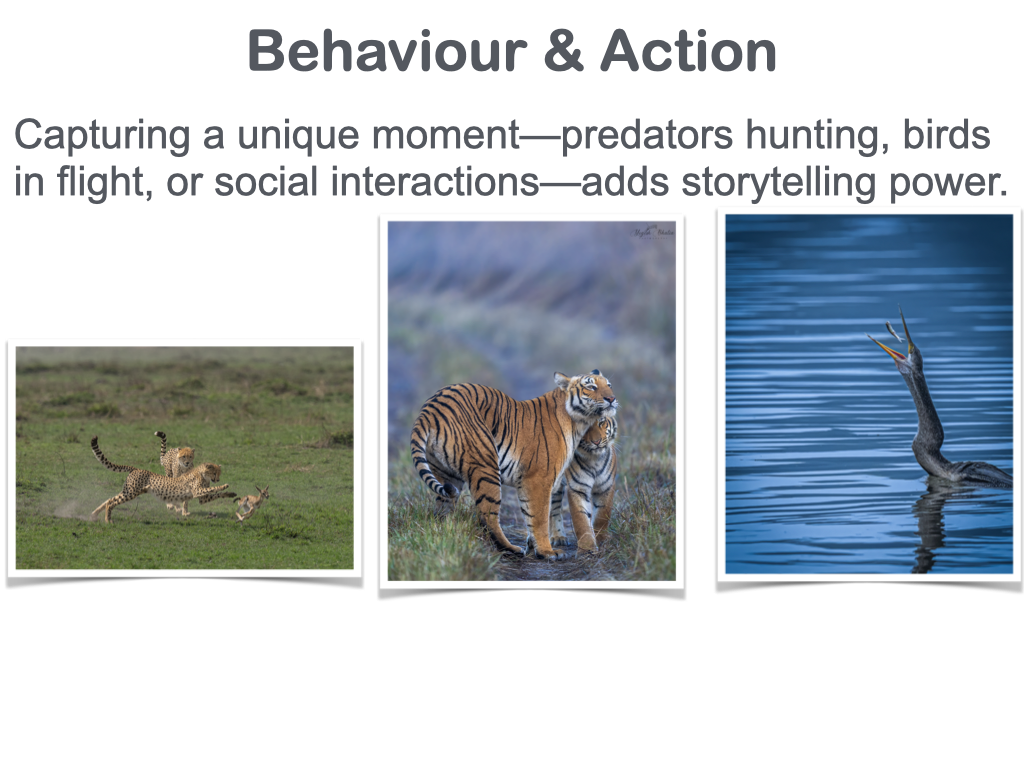
Depth of Field (DoF) is one of the most important concepts in photography. Whether you shoot wildlife, portraits, landscapes, or travel, mastering depth of field allows you to control sharpness, background blur, and overall storytelling.
In simple terms:
Depth of field is the area in a photograph that appears sharp and in focus.
Understanding how to control it will instantly improve the quality and impact of your images.
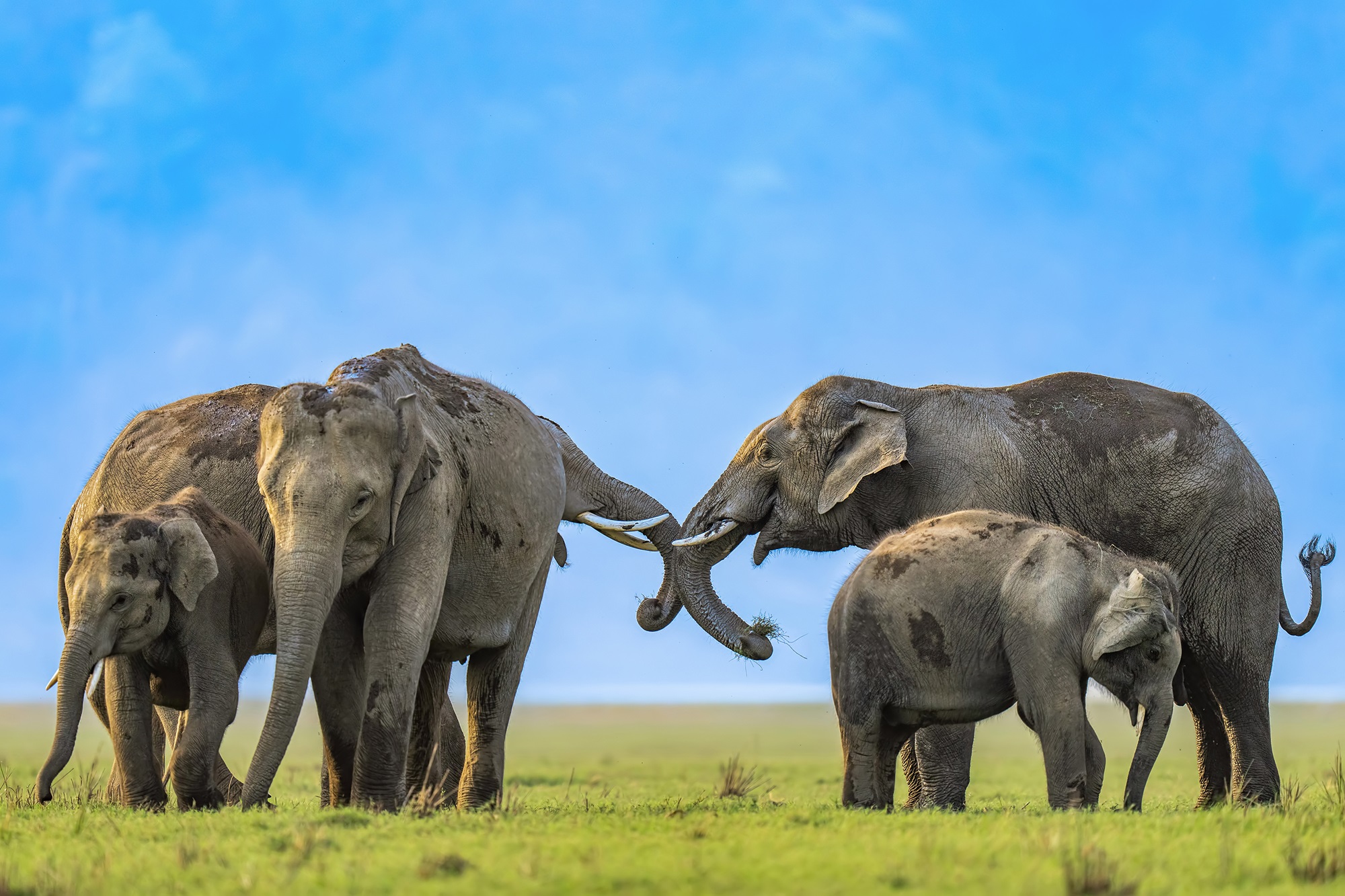
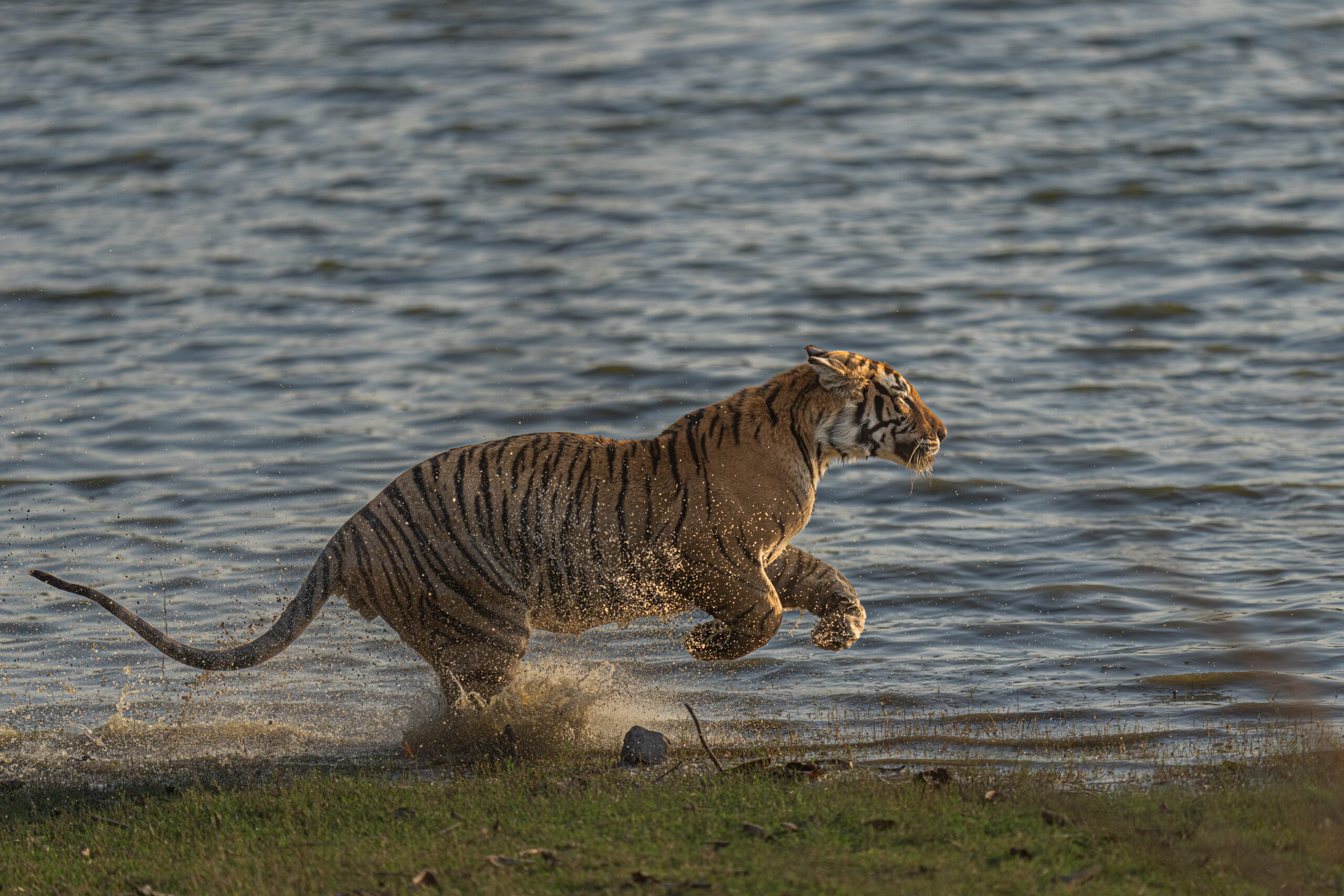
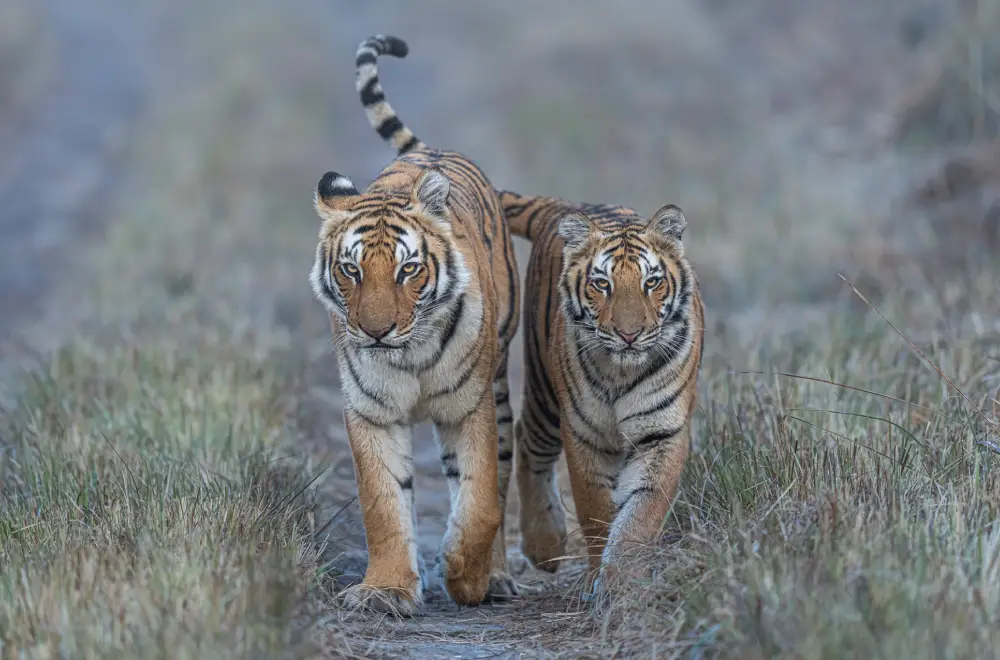
Example 1: Shallow (Small) Depth of Field – f/2.8
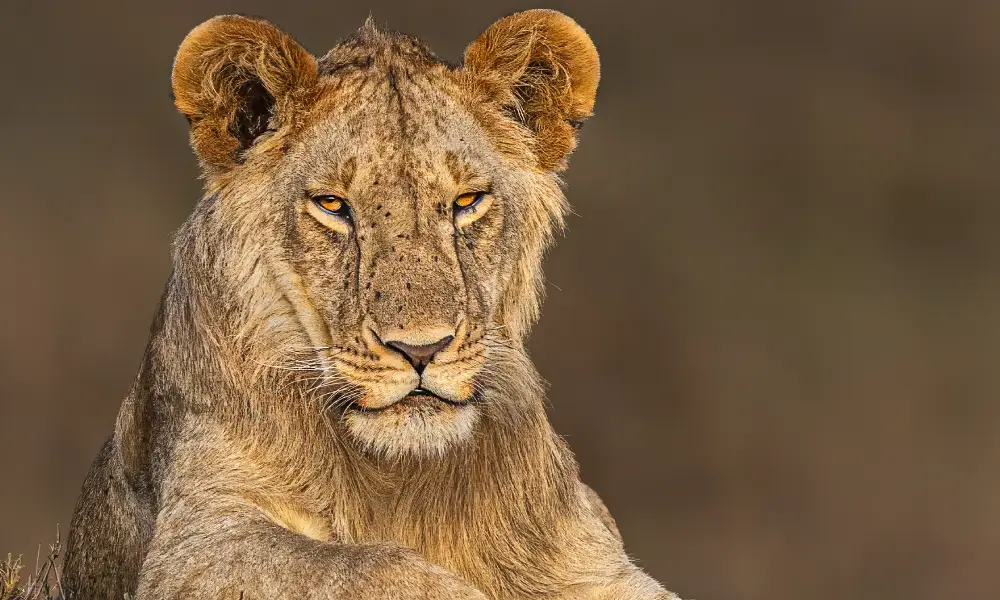
A wide aperture like f/2.8 creates a shallow (small) depth of field.
Only a thin part of the image stays sharp, while the rest becomes beautifully blurred.
This is ideal for:
- Wildlife portraits
- Human portraits
- Isolating subjects
- Low-light photography
Shallow DOF helps eliminate distractions and creates strong subject separation.
What Affects Depth of Field? | 3 Key Factors
1. Aperture (f-stop) — The Most Important Factor
- Wide apertures (f/1.4, f/2.8, f/4) → Shallow / small DOF
- Narrow apertures (f/8, f/11, f/16) → Large DOF
Aperture directly controls how much of your scene appears sharp.
2. Distance to Subject
- The closer the camera is to the subject, the smaller the depth of field.
- Stepping back increases depth of field.
This is why close-up wildlife and macro shots have extremely blurred backgrounds.
3. Focal Length
- Telephoto lenses (200–600mm) naturally create shallower DOF
- Wide-angle lenses (12–35mm) naturally create larger DOF
Choosing the right focal length changes how your background appears.
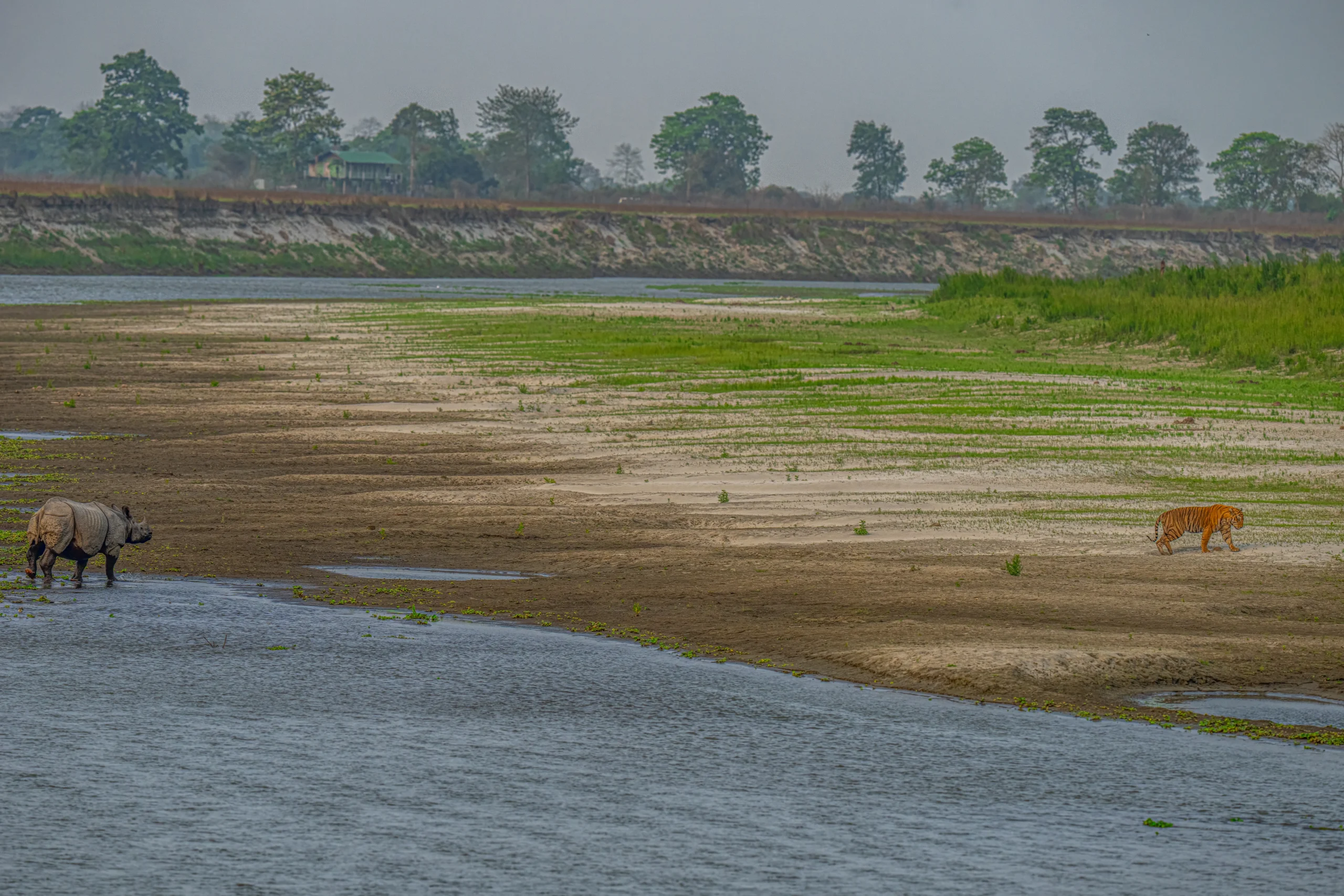
Example 2: Large Depth of Field – f/11
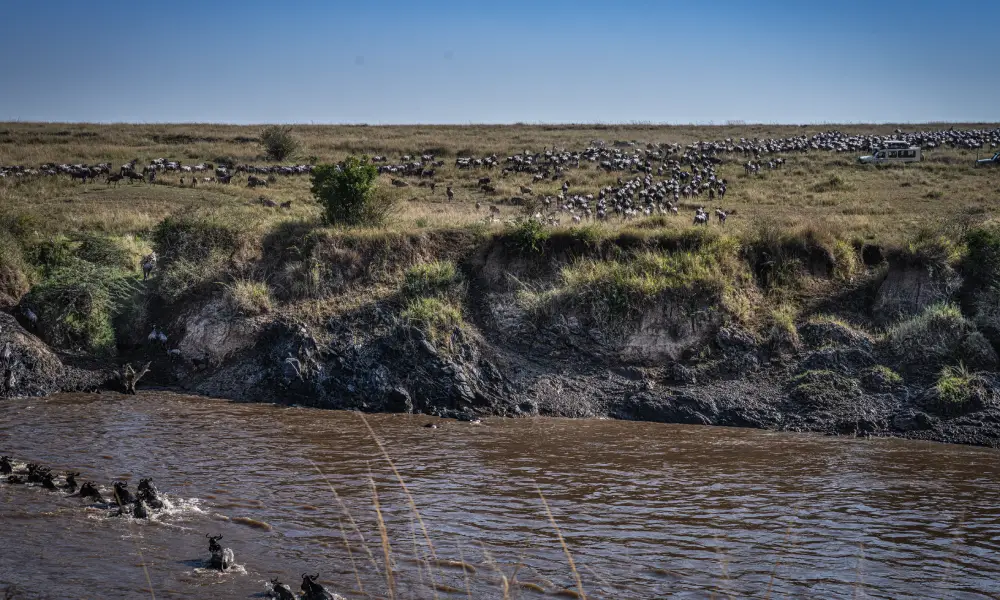
A narrow aperture like f/11 produces a large depth of field, keeping a big part of the image sharp from foreground to background.
This is perfect for:
- Landscapes
- Habitat photography
- Environmental storytelling
- Group shots
Large DOF adds clarity, detail, and context to the scene.
How to Use Depth of Field Creatively
For Wildlife Portraits
Use f/2.8 – f/5.6 to create shallow DOF and clean, distraction-free backgrounds.
For Habitat and Environmental Photos
Use f/8 – f/11 to keep both the animal and surrounding environment sharp.
For Action Shots
Use mid-range apertures (f/5.6 – f/8) for balanced sharpness and speed.
For Landscapes
Use f/11 – f/16 for maximum clarity and depth.
Professional Tips for Better Depth of Field Control
- Always focus on the eye — it is the sharpest point viewers notice first.
- Leave distance between subject and background for smoother bokeh.
- Balance aperture with shutter speed and ISO (exposure triangle).
- Use depth of field as a creative tool, not just a technical setting.
Why Depth of Field Matters in Photography
- Depth of field impacts the mood, storytelling, and overall visual appeal of your images.
- Shallow DOF creates intimacy and focus.
- Large DOF reveals environment, depth, and detail.
By mastering DOF, you gain complete creative control over how your viewer experiences the photograph
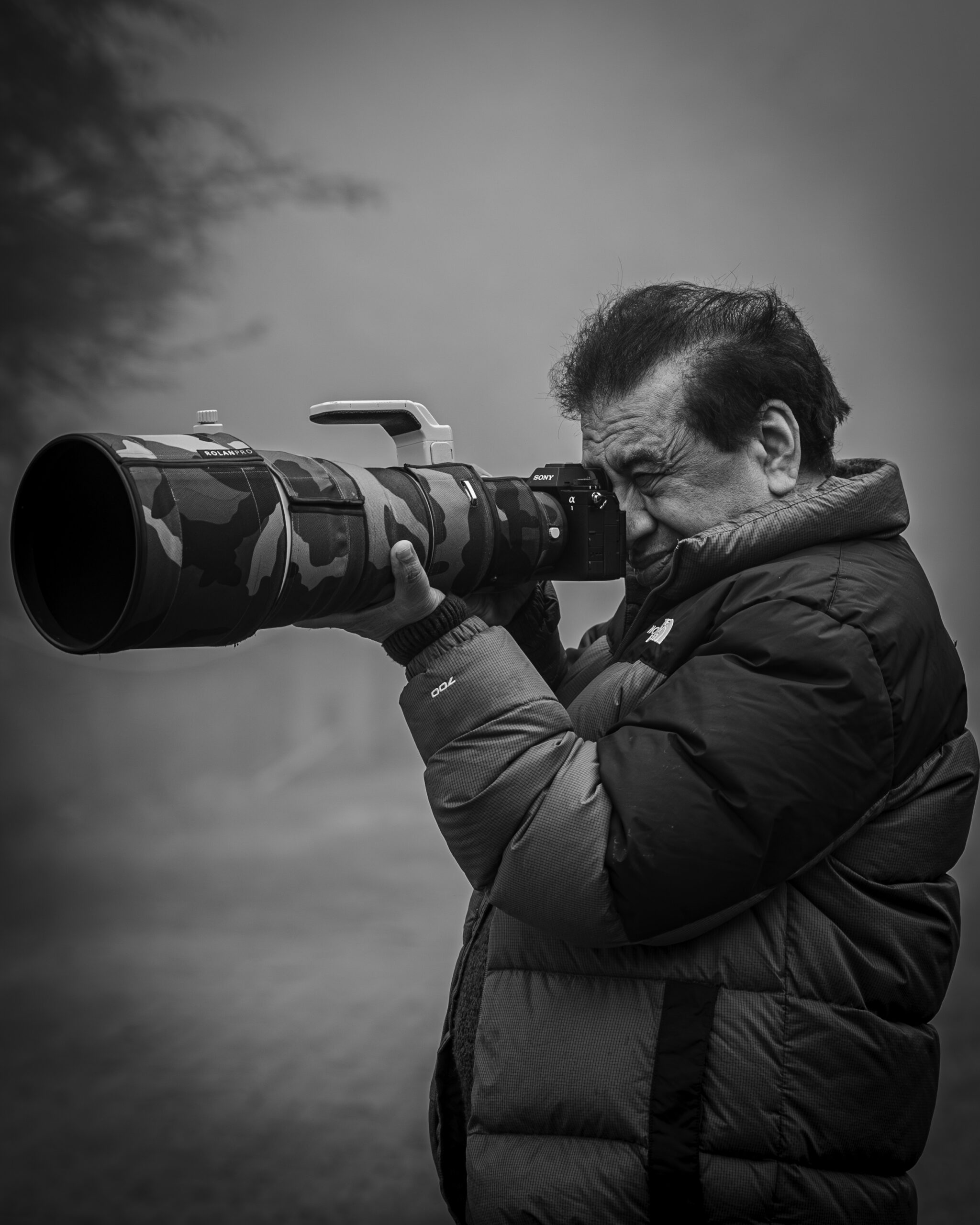
Yogesh Bhatia is a professional Wildlife photographer & mentor in India whose work reflects patience, observation, and a deep respect for nature. His journey in wildlife photography is shaped by countless hours in forests, observing animal behavior and waiting for moments that unfold naturally. Through his lens, wildlife is portrayed not just as subjects, but as living stories within their natural environment. His approach to Wildlife photography India focuses on authenticity rather than staged perfection, resulting in images that feel raw and immersive.