South Africa is a land of wild beauty and stunning scenery. My trip took me from the lively city of Johannesburg to the famous Kruger National Park and Sabi Sand, and then to the beautiful coastlines of Cape Town and Simon’s Town.
The trip was full of contrasts — lions hunting, leopards resting in trees, elephants shaping the land, penguins on the beach, and whales in the sea. This is my travel story, with tips for anyone planning a safari and coastal trip.
Johannesburg: The Gateway to the Wild
Most safaris in South Africa start in Johannesburg, the country’s busiest city. For me, it was the starting point for the wild adventures that lay ahead.
Sabi Sand: Meeting the Giants
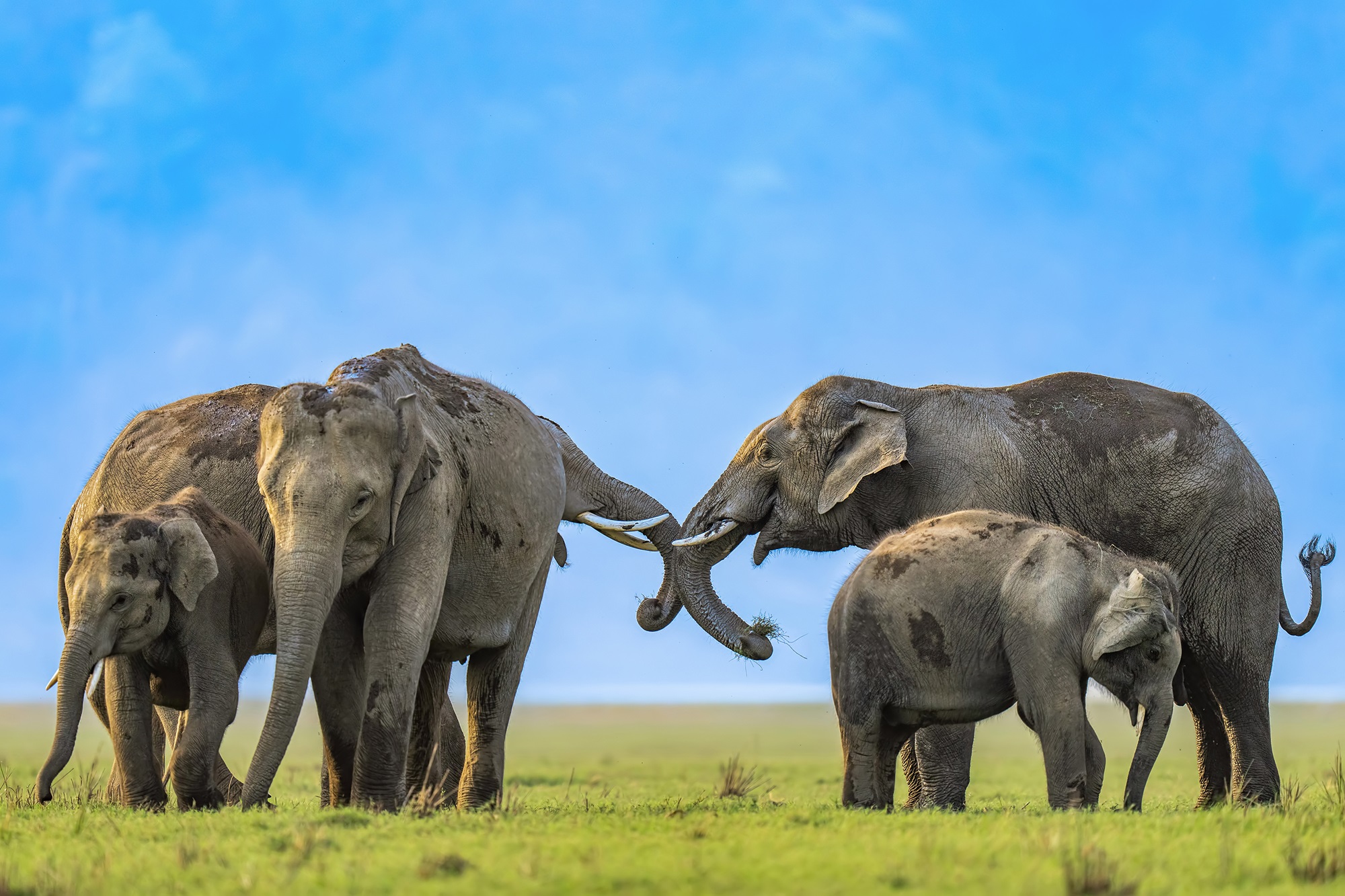
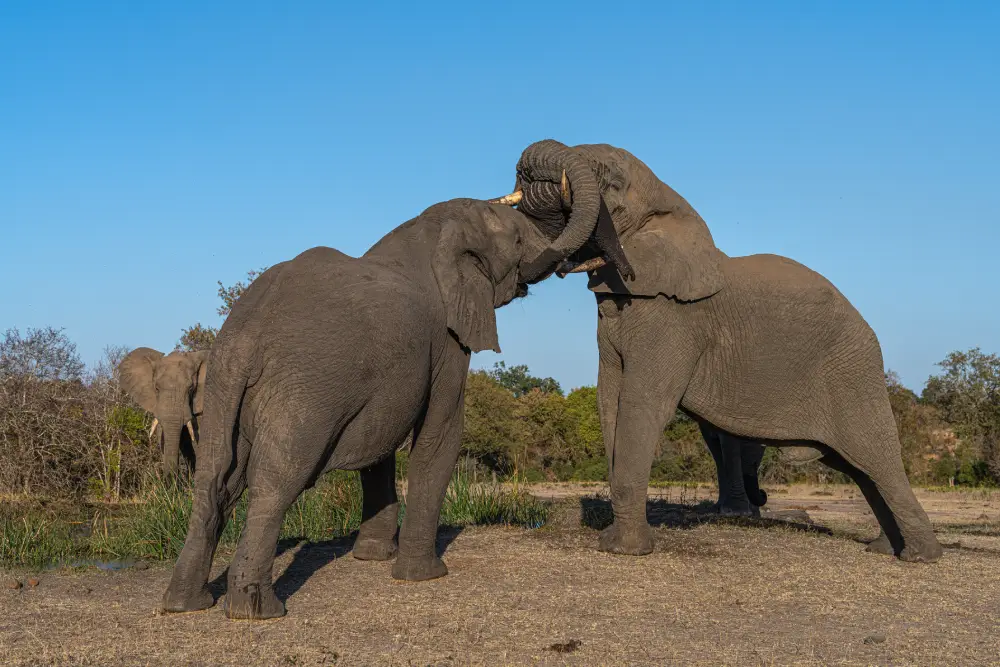
The Sabi Sand Game Reserve, next to Kruger, is perfect for close wildlife encounters. I’ll always remember watching a huge herd of elephants, their deep calls echoing as they moved through the bush.
Photography Tip: Sabi Sand is known for close leopard sightings. Bring a telephoto lens (400mm+) to get clear shots, even in low light.
Kruger National Park: The Lion’s Kingdom
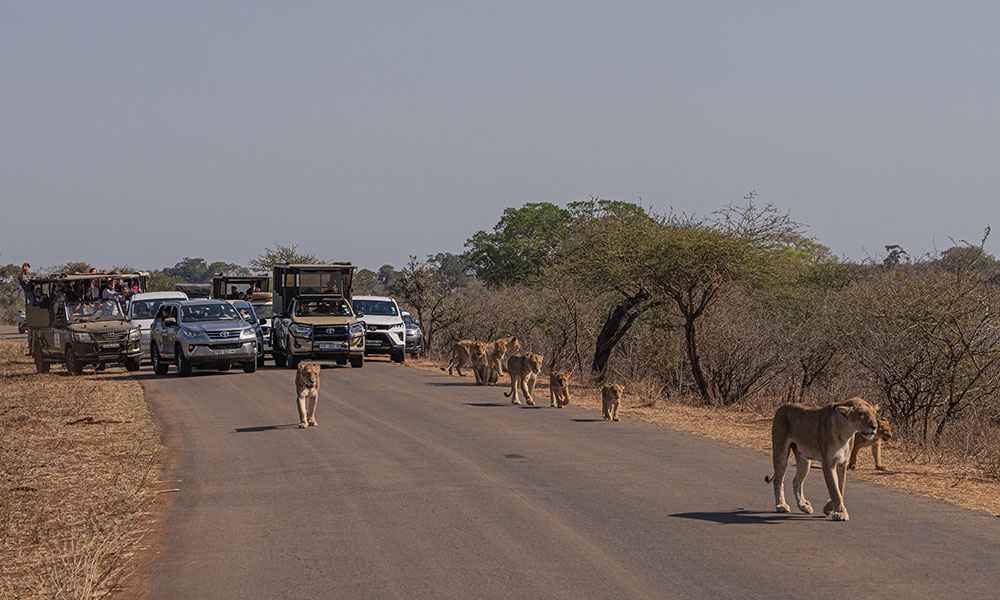
No safari is complete without Kruger National Park, one of Africa’s most famous reserves. Its wide landscapes gave me some of the best wildlife experiences I’ve ever had:
- A pride of lions resting after a night hunt.
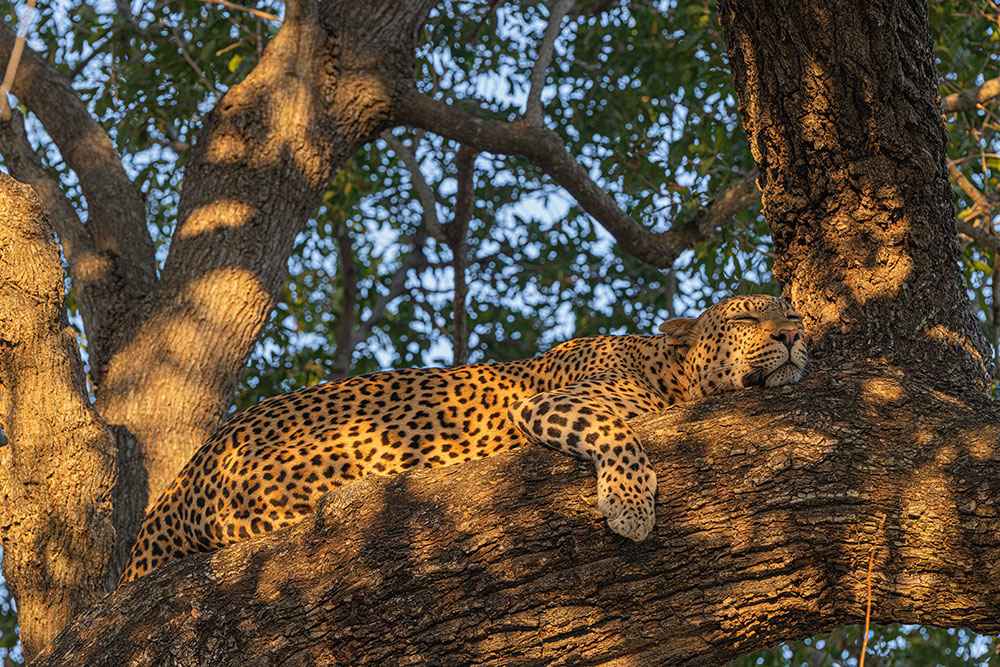
- Leopards on trees, their golden coats glowing in the sun.
- The rare and thrilling sight of painted wolves (African wild dogs) — highly social, intelligent, and endangered.
Why Visit: Kruger is often called the best park in South Africa for its variety and abundance of wildlife.
Cape Town: Where Two Oceans Meet
After the safari, I flew to Cape Town, one of the world’s most beautiful cities. With Table Mountain above and the oceans meeting at the Cape of Good Hope, it was a stunning sight.
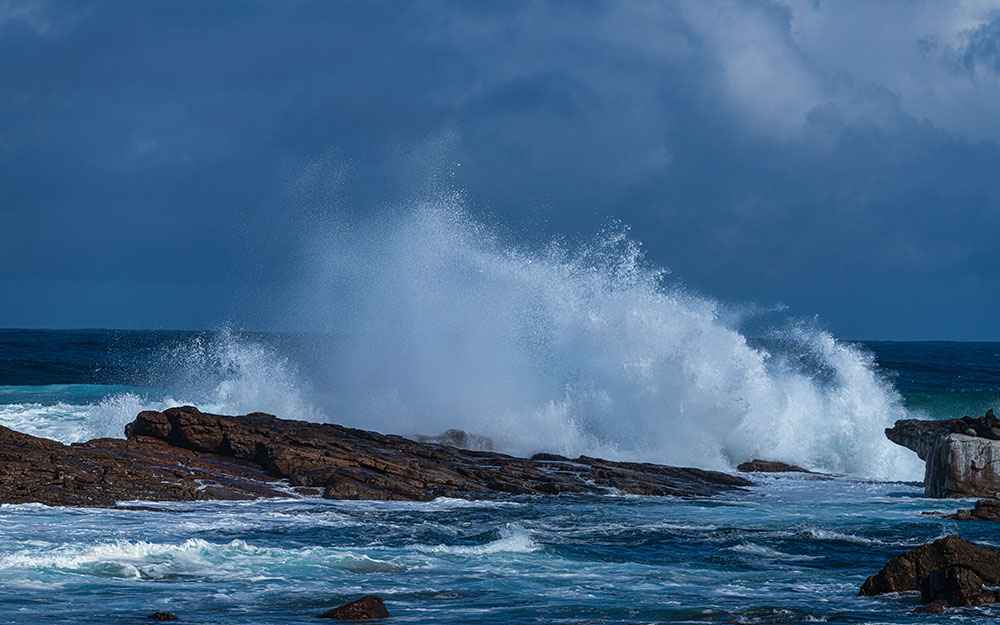
Simon’s Town & Boulders Beach: Penguins and Whales
Just outside Cape Town is Simon’s Town, known for its African penguins at Boulders Beach. Watching them waddle on the rocks was pure joy.
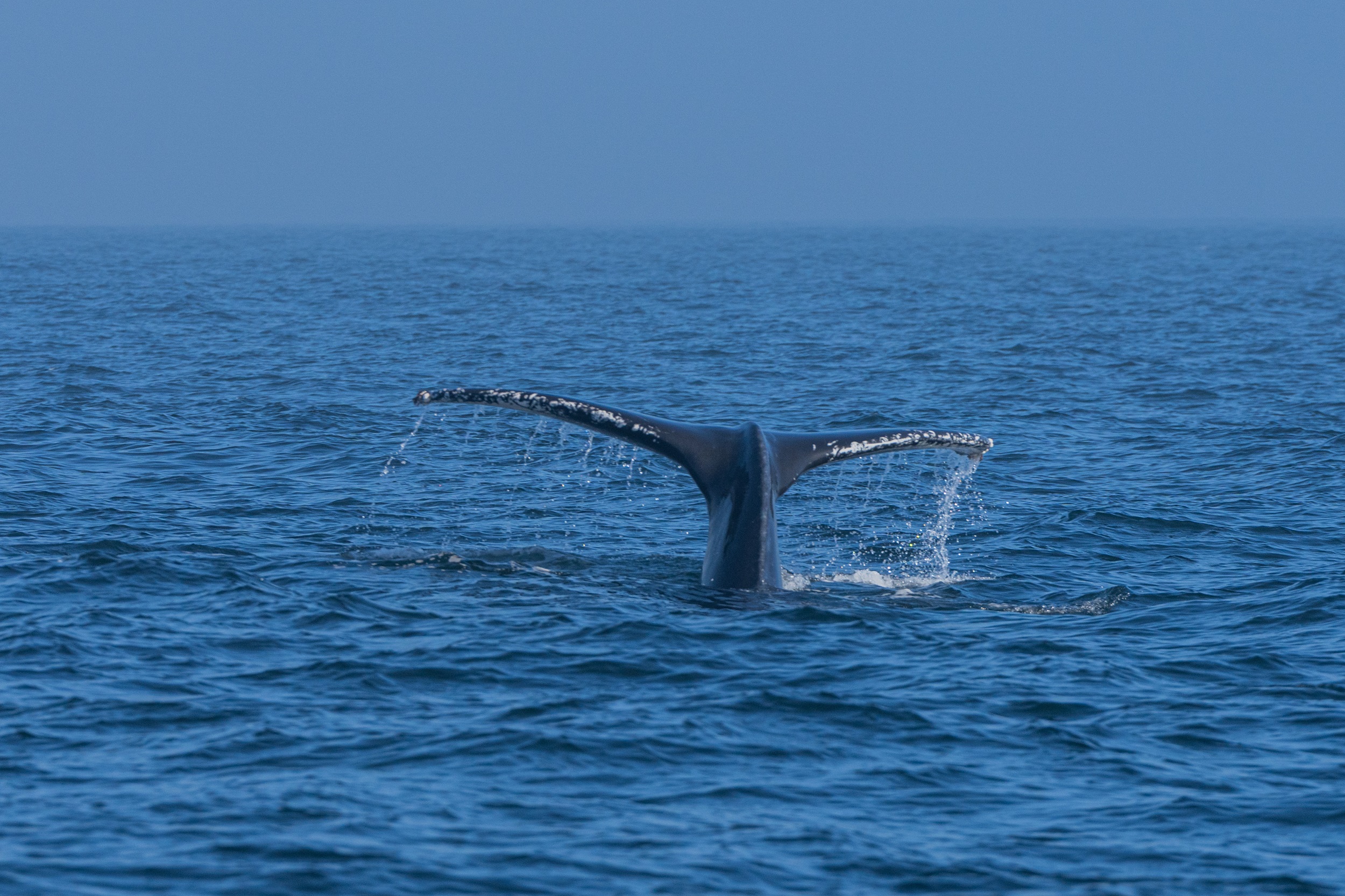
The coast also had amazing views of whales jumping offshore — a reminder that South Africa’s wildlife is alive on both land and sea.
Best Time to Visit South Africa
- Safari (Kruger & Sabi Sand): May to October (dry season, animals gather at waterholes).
- Cape Town & Coast: November to March (warm, sunny, perfect for beaches and ocean trips).
- Whale Watching: June to November, especially near Hermanus and False Bay.
Photography Tips for South Africa
- Golden Hour Magic: Early morning and late afternoon light are best for wildlife and landscapes.
- Gear to Carry: A 70-200mm for versatile shots, and a 400mm+ for distant wildlife.
- Stability Matters: Use bean bags in safari vehicles for sharp shots.
- Storytelling: Don’t just photograph animals — include habitats, interactions, and behavior.
Travel Essentials for South Africa
- Malaria precautions are recommended in Kruger and Sabi Sand.
- Carry light layers — mornings are chilly on safari, but afternoons get hot.
- A wide-brimmed hat, sunscreen, and insect repellent are must-haves.
- For Cape Town, pack a windbreaker — the coastal breeze can be strong.
A Journey to Remember
From lions roaring in Kruger to penguins at Boulders Beach, South Africa is full of contrasts. It’s more than a trip — it changes how you see nature.
If you’re seeking a journey that combines wildlife, landscapes, and culture, South Africa should be at the very top of your list.
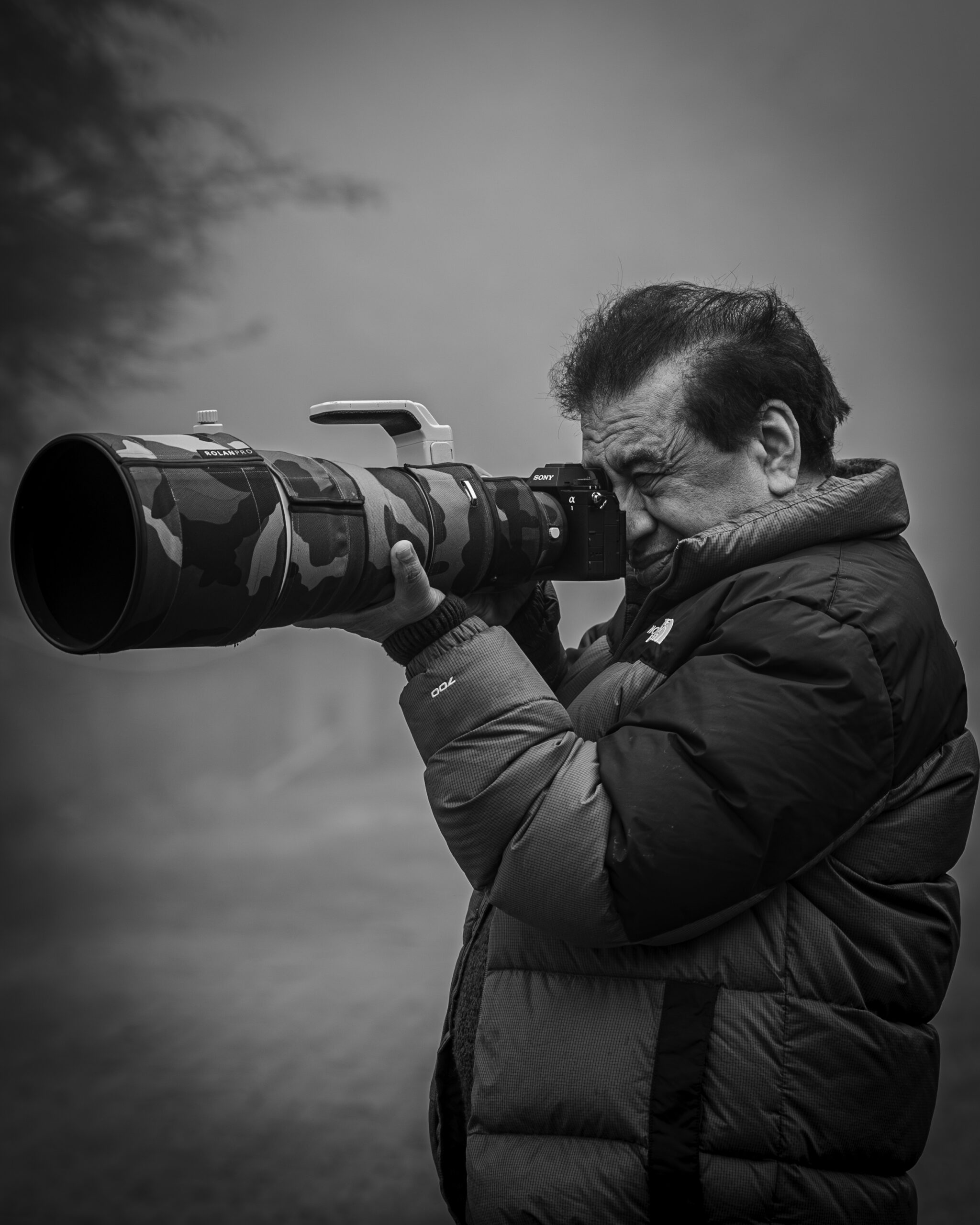
Yogesh Bhatia is a professional Wildlife photographer & mentor in India whose work reflects patience, observation, and a deep respect for nature. His journey in wildlife photography is shaped by countless hours in forests, observing animal behavior and waiting for moments that unfold naturally. Through his lens, wildlife is portrayed not just as subjects, but as living stories within their natural environment. His approach to Wildlife photography India focuses on authenticity rather than staged perfection, resulting in images that feel raw and immersive.